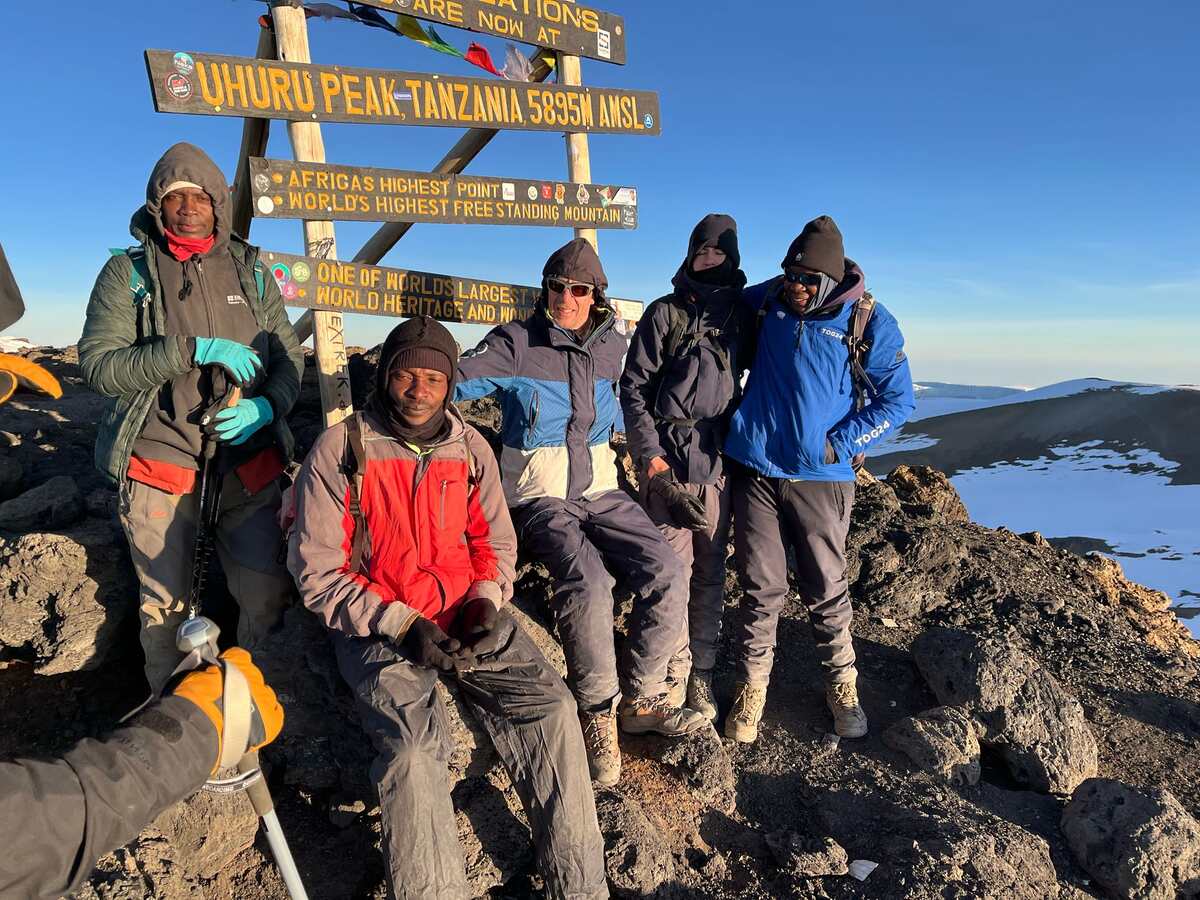
Why Climb Kilimanjaro?
Why would someone want to climb Africa’s tallest mountain? Imagine standing above the clouds, seeing the sunrise from the roof of the continent. Climbing Kilimanjaro isn’t about being a pro climber. Most people who go are everyday travelers like you. They want to challenge themselves, see stunning views, and feel proud. Kilimanjaro is special because you don’t need ropes or climbing gear—just good walking shoes and a strong heart. It’s a hike, not a climb. Think of it like walking through five different weather zones, from rainforest to snowy summit. The feeling when you reach the top? Pure magic. That’s why people come back changed.
Understanding Kilimanjaro’s Seasons
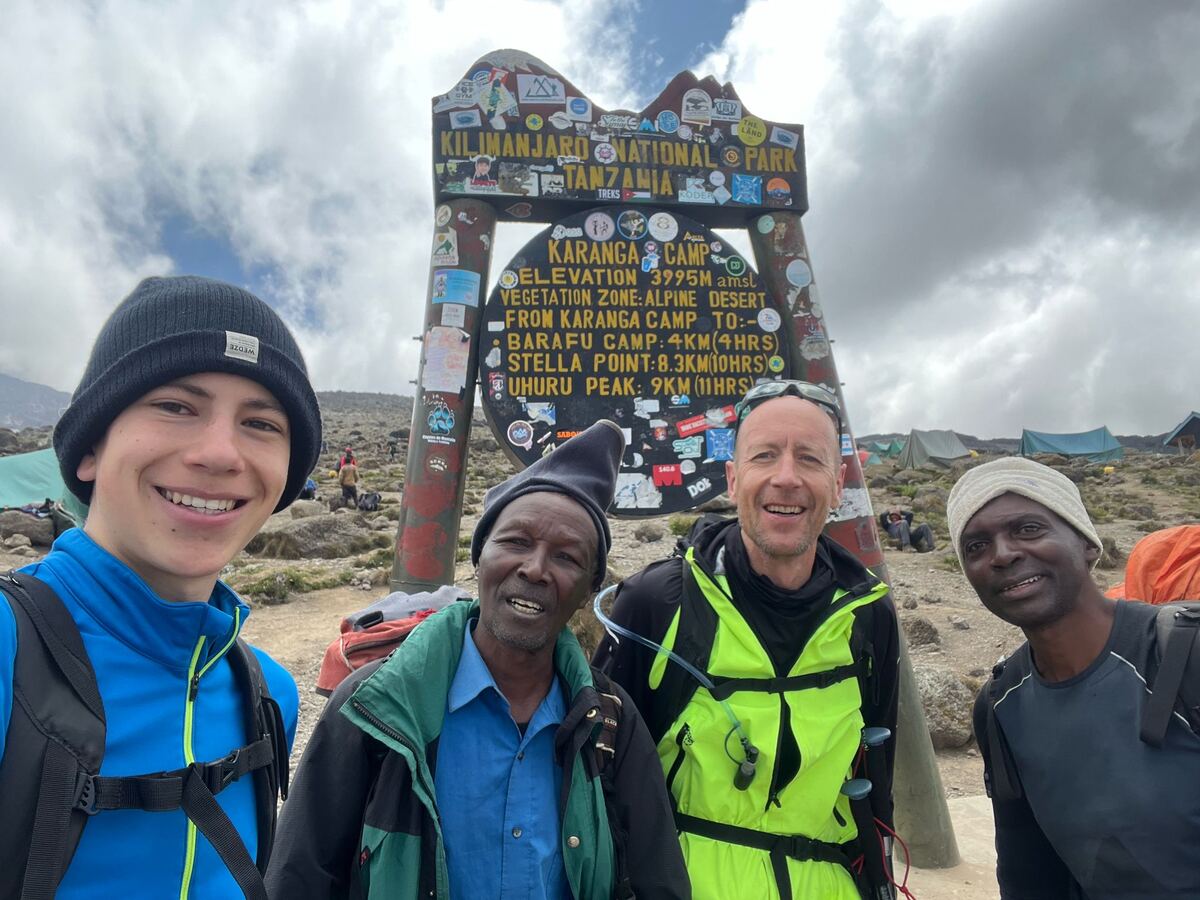
Weather matters a lot for your comfort and safety. Kilimanjaro has dry seasons and wet seasons. The best time to climb Kilimanjaro is during dry times (like January-February or June-October), when you can expect less rain and clearer skies. This makes paths easier and views better. Wet seasons (March-May or November) bring rain and mud. Some find this beautiful, like walking in a green paradise. But it can be slippery and colder. Ask yourself: Do I mind rain if it means fewer crowds? Or do I want sunny days for photos? Temperatures change as you climb higher. At the bottom, it feels warm like spring. At the top, it’s freezing. Always pack for cold!
Picking Your Route Simply
Kilimanjaro has several paths up. How to choose? Think about your time and what you enjoy. The Marangu route takes 5-6 days and has huts to sleep in—no tents! It’s called the “Coca-Cola” route because it’s popular. But it’s steeper. The Machame route (6-7 days) is known as “Whiskey” because it’s tougher but more scenic. You camp in tents under the stars. Longer routes like Lemosho (7-8 days) give more time to acclimatize, which helps avoid altitude sickness. Shorter trips save vacation days but can be harder on your body. We’ll help match a route to your pace.
Finding a Good Guide Team
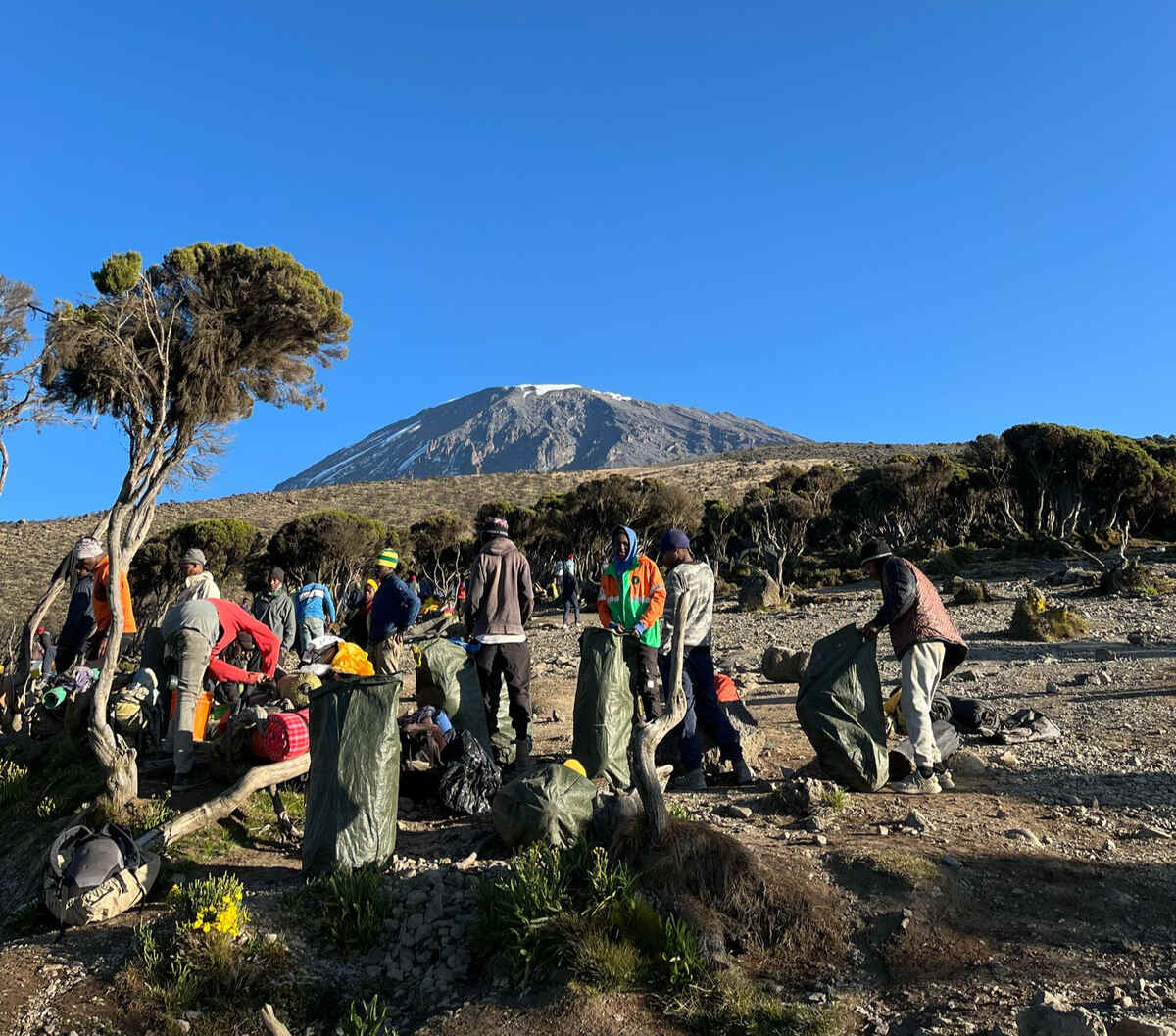
Never climb alone. Local guides know the mountain like their backyard. They check your health, set the walking speed, and sing songs to keep spirits high! Look for companies with licensed guides and positive traveler stories.
Ask them: How many people are in my group? What’s included? Good teams provide tents, food, and friendly porters, who carry heavy bags so you only need a light daypack. Safety is key. Your guides watch for altitude sickness and have oxygen if needed. Feel free to chat with them before booking. A kind voice on the phone means a caring team on the mountain. If you’re looking for options, check out our safari tours for an adventurous experience.
Getting Your Body Ready
You don’t need to be an athlete, but training helps. Start walking months before your trip. Build up slowly. Walk hills or stairs with a backpack. Aim for 30-60 minutes a day. Why? Kilimanjaro days are long—5-8 hours of walking. Think of it like training for a fun, big walk with friends. Strength isn’t the main thing; endurance is. Can you keep going at a slow, steady pace? That’s what matters. Also, practice wearing your boots! Blisters can ruin a trip. Wear them on short walks first. Pack comfy socks. Your feet will thank you. For insight, consider our tips on climbing.
Packing Without Overthinking
Packing lists can look scary. Let’s keep it simple. Bring layers: light clothes for warm days, warm layers for cold nights. A good jacket, hat, and gloves are musts. Don’t forget sunglasses—the sun is strong up high! Your tour company may rent sleeping bags or walking sticks. Ask them. For your daypack, pack water, snacks, sunscreen, and a camera. You don’t need fancy gear. Borrow what you can. Watch videos online to see what others wore—it helps to see real people. Remember: porters carry your big bag, so pack light for them too. For a more thorough guide, see our packing tips.
What Each Day Feels Like
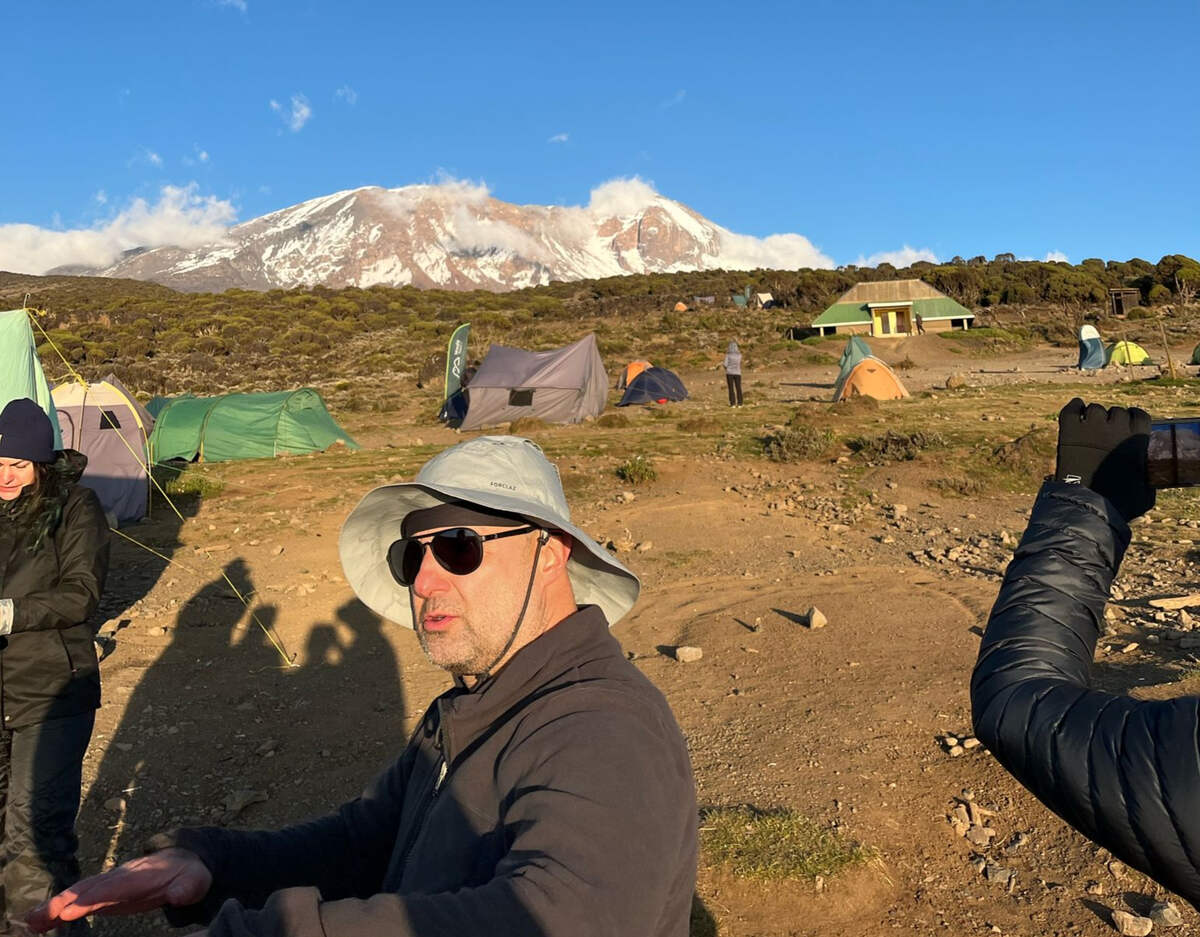
Let’s walk through a typical day. You wake up early for tea or coffee in your tent. After breakfast, you start walking slowly. Guides say “pole pole” (slowly slowly) to keep you from tiring. You’ll stop for lunch and rest. Then walk more to the next camp. Evenings are chilly but cozy. Enjoy hot meals in the dining tent and chat with new friends. Nights are quiet under amazing stars. As you go higher, the air gets thinner. You might feel sleepy or get a small headache. That’s normal. Guides check on you. The summit day starts very early in the dark with headlamps. It’s cold and tough, but reaching the top as the sun rises? Worth every step.
Summing up
Planning your Kilimanjaro climb is a step-by-step process: pick a season, choose a route, find guides, train gently, and pack smart. It’s okay to feel nervous. Everyone does at first. But thousands of people like you take on this adventure every year. They come back with incredible stories and beautiful photos. Ready to start your journey? We’d love to chat over email or a call. No pressure—just friendly advice to help you feel safe and excited. Send us a note here whenever you’re ready. Let’s make your mountain dream come true!
FAQs
- Q: How cold does it get on Kilimanjaro?
- A: Nights at high camps can be below freezing. Days are cool. Pack warm layers!
- Q: Do I need climbing experience?
- A: No! It’s a hike, not a climb. If you can walk for hours, you can do this.
- Q: How much does it cost?
- A: Trips vary. Good tours with guides start around $2000. This includes food, tents, and park fees.
- Q: Is altitude sickness common?
- A: Some feel it a little—headache or tiredness. Guides watch you and know how to help.
- Q: Can I shower on the mountain?
- A: Most routes don’t have showers. Use wet wipes. It’s part of the adventure!
- Q: Are there toilets?
- A: Yes! Camps have basic toilets. Some are shared with other groups.
- Q: How heavy is my backpack?
- A: You carry just a daypack (5-10 lbs). Porters take your big bag (under 33 lbs).
- Q: Do I need special food?
- A: Tour companies cook meals. Tell them if you’re vegetarian or have dietary needs.
- Q: Can kids climb Kilimanjaro?
- A: Minimum age is usually 10-12. Younger kids can come but should be strong walkers.
- Q: What if I can’t reach the top?
- A: That’s okay! Many try. Listen to your body. The journey itself is amazing.