
Planning your climb starts with understanding your 6 day Lemosho route itinerary. This path is more than a line on a map. It is a slow and beautiful walk through five different worlds on one mountain. It is a journey where the air gets thin and the nights get cold. Your spirit grows strong there. This guide is for you, the first-time adventurer. We will walk through each day together. We will talk about what to pack and how to stay safe. We will also cover what to really expect. This is not a race. It is a rich experience. Let us prepare you, step by calm step, for the walk of a lifetime.

The Lemosho route is special. It begins on the quiet western side of the mountain. You do not join the busy trails until later. So your first days are peaceful. You can find your hiking rhythm without crowds. The path is long. It is about 70 kilometers from start to finish over six days. But it is not a technical climb. You are simply walking. A good walking stick is your best friend. The route is famous for its beauty. You walk through thick rainforest first. Then you see moorland with giant plants. After that comes a rocky alpine desert. Finally you reach the icy summit zone. This slow change helps your body get used to the height. Think of it as a gentle introduction to the mountain’s might.
A six-day trek is a popular choice. It balances time away from home with a good chance of reaching the top. Longer trips give your body more time to adapt. This makes success more likely. But a well-planned six-day Lemosho route itinerary can still be very effective. The key is how the days are structured. This route uses a smart “walk high, sleep low” method. You hike to a higher point during the day. Then you come back down to a lower camp to sleep. This tricks your body into adapting faster. Choosing six days means you need to be fit and well-prepared. It is a commitment to moving steadily. You must listen to your body and trust your guide’s plan.
Let us walk through each day. Imagine this as your story. Day one is all about the rainforest. You will hear monkeys and feel the humid air. The walk is short, maybe four hours. This lets you start slowly. Day two takes you above the trees. Then the views open up and you feel the sun. Day three is a key “walk high, sleep low” day. You climb to a high point with incredible views. After that, you descend to sleep. This is crucial for your body. Day four is a longer walk across a vast rocky plateau. You feel the altitude here. Day five is summit night. You start walking at midnight under a sky full of stars. Then you reach the roof of Africa at sunrise. Day six is your long triumphant walk back down. You pass through all the worlds you saw before. Each day has a purpose. They all build you up for the final push.
Altitude sickness is the main reason people do not reach the summit. It is not about being strong. It is about how your body handles thin air. Your safety is the number one priority. A good team has clear protocols. Your guide will check your health every morning and evening. They will watch your pace too. They remind you to go “pole pole,” which means slowly slowly. They carry basic medical supplies. They also have a device to check your blood oxygen. The best safety plan is a slow ascent. That is why the “walk high, sleep low” days are built into your 6 day Lemosho route itinerary. If you feel unwell, you must tell your guide immediately. Do not try to be tough. A good team will have a plan to help you descend if needed. Your safety is always more important than the summit.

Your climb truly begins in Arusha. This vibrant town is the gateway to the mountain. Do not rush this part. Plan to arrive at least one full day before your trek. This is your “Day Zero.” You will meet your guide for a detailed briefing. They will check your gear and explain the plan. They will answer every question too. This meeting builds trust. It is also your chance to rest from travel. You can enjoy a good meal and ensure you have all your supplies. Arusha is your support hub. A good operator will handle your transfers from the airport. They will also manage your hotel stay. Think of Arusha not as a stopover. It is the calm and prepared launchpad for your great adventure.
Packing correctly is a form of self-care. The mountain has many climates. You need to be ready for warm sun and cold wind. You also must prepare for freezing nights. Start with a strong comfortable backpack. Your clothing system is key. Use moisture-wicking base layers first. Then add warm mid-layers like fleece. Finally, use a waterproof and windproof outer shell. Do not forget a warm hat and gloves. A very warm sleeping bag is also essential. It should be rated for below-freezing temperatures. Good broken-in hiking boots are non-negotiable. Your feet are your vehicle. Other essentials include a headlamp for summit night. Bring a reusable water bottle and high-factor sunscreen too. Do not forget lip balm. Your tour operator will give you a detailed list. Follow it closely. Being well-geared means you can focus on the journey. You will not worry about your discomfort.

You do not need to be an athlete. But you do need to be a strong walker. The best training is walking. Start months before. Go for long walks on weekends. Find hills or stairs to climb. Wear the boots you plan to use. Build up your leg strength and your stamina. Remember, you will be walking 5 to 7 hours most days. The ground is often steep or uneven. Cardiovascular fitness is important. Activities like cycling or swimming help. But nothing replaces walking with a pack on your back. Try carrying a light daypack on your training walks. The goal is not speed. It is endurance. You want your body to be familiar with the effort. Then your mind is free to enjoy the wonder around you.
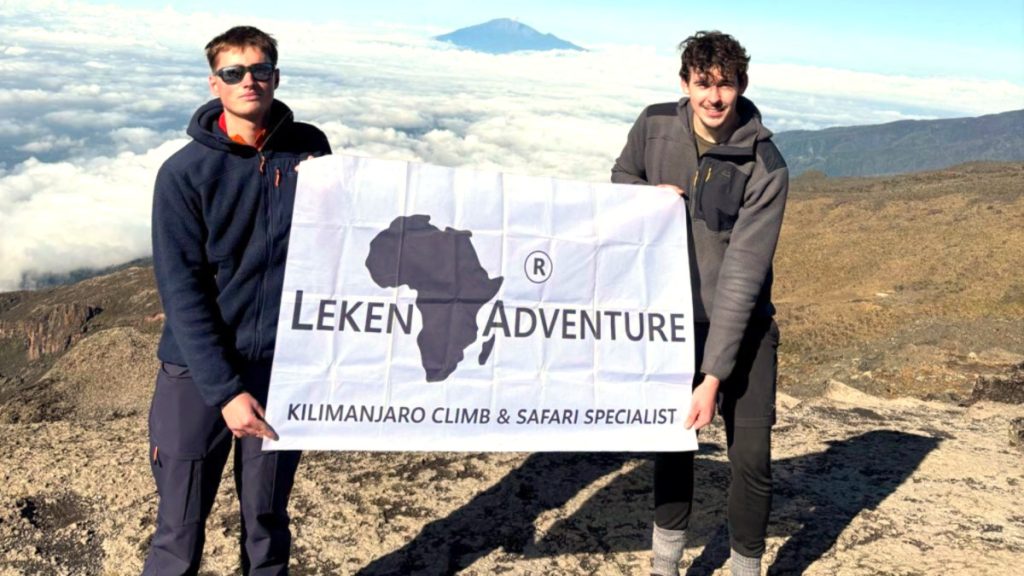
Your team is everything. They are your guides and your porters. They are also your safety network. Choosing an ethical operator is one of your most important decisions. Look for a company that treats its staff well. Porters should carry fair loads. They must receive proper wages and have good food and shelter. Ask about their porter welfare policies. A good team ratio is also vital. There should be enough porters to carry the camp and your bag safely. Your guide should be experienced and knowledgeable. They must also be certified in wilderness first aid. An ethical operator invests in its people. This creates a happy professional team. They are dedicated to your success and safety. It is the right way to climb.

Reaching the summit is a feeling you will never forget. But the journey is about more than that one moment. It is about the community you travel with. This includes your fellow climbers and the mountain crew. It is also about the silent beauty of the alpine desert at dawn. Choosing a longer scenic route like Lemosho is about enjoying the walk. It is not just about enduring it. Furthermore, your trek can have a positive impact. Some operators support the local communities. They might source food locally or contribute to projects. These projects can include school supplies or clean water. When you choose ethically, your adventure helps the people who make it possible. That is a beautiful way to finish your journey.
Understanding costs helps you plan. The price covers park fees and food. It also covers tents, guides, porters, and transfers from Arusha. It is an investment in safety and a smooth experience. Group sizes vary. Some people prefer the camaraderie of a group. Others opt for a private climb. Smaller groups often mean more personal attention. Finally, check your gear again in the weeks before you go. Visit your doctor for a check-up. Also discuss altitude medication. Get any required travel insurance. It must cover high-altitude trekking. Print your documents. Then take a deep breath. Your preparation is complete. You are ready to approach the mountain with respect. You can feel excitement and have a calm heart.