
Have you ever asked, “how tall is Mount Kilimanjaro”? You are not alone. The simple answer is 5,895 meters, or 19,341 feet. You will see that number everywhere. But that number does not tell the whole story. What does that height feel like? How does it shape the journey to the top? Most importantly, how do you pick a path that gives you the best chance to stand on Africa’s famous roof? This is not just a hike. It is a journey through five climate zones. You go from hot rainforest to arctic ice. Planning can feel overwhelming for a first-time adventurer. This guide is here to help. We will walk you through simple, clear steps. You will understand the mountain’s true scale. Then you can turn your dream into a safe and rewarding reality. Let’s begin.
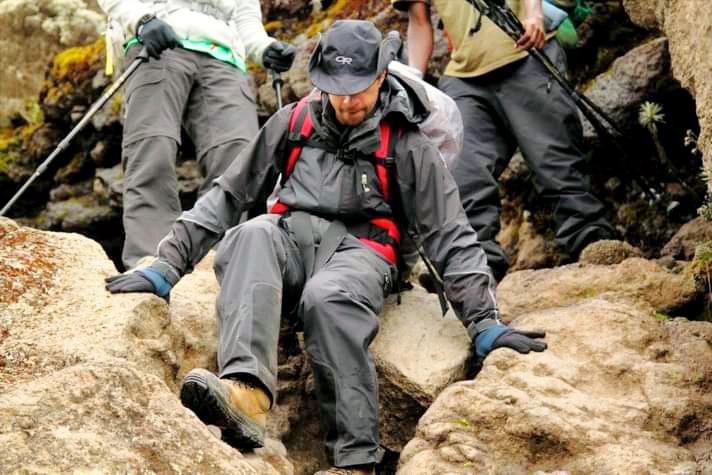
Kilimanjaro is 5,895 meters tall. It helps to picture what that means. Imagine stacking nearly six kilometers of rock straight up. The air is thick and warm at the base. Then it gets thinner and colder with every step. This change is dramatic and happens fast. Your body must adapt to less oxygen. This is the real challenge of the height. The challenge is not just walking, but acclimatization. To succeed, you must climb high but sleep low. This lets your body slowly get used to the new conditions. Rushing up is the most common reason people fail. The height also dictates your gear. You will start in a t-shirt. You will end in a heavy winter jacket, gloves, and hat. Think of the climb in these terms. See it as a slow adaptation to a changing world. This is the first key to a smart plan. The height is a fact. Your approach to it is your choice.
You do not just walk up Kilimanjaro. You choose a specific path, or “route.” Each one offers a different experience. They have different scenery and success rates. There are seven main routes, but a few stand out for first-timers. They balance beauty, safety, and high success rates. Let’s break them down simply.
The Machame Route is often called the “Whiskey” route. It is the most popular path. It is beautiful but challenging with stunning views. It takes 6 or 7 days. Its winding trail provides good acclimatization. Because it is popular, it can be busy.
The Lemosho Route is considered the most beautiful by many. It starts on the remote western side. This gives you extra days to adjust in peaceful wilderness. Then it joins the busier trails. Taking 7 or 8 days, it has a very high success rate. This is because it is so good for acclimatization.
The Marangu Route is the “Coca-Cola” route. It is the only one with hut accommodations instead of tents. People choose it for this comfort. However, its direct path gives less time to acclimatize. This can mean a lower summit chance unless you add extra days.
The Rongai Route approaches from the north near Kenya. It is known for a drier, more gradual climb. It is also less crowded. This is a great choice for a quiet trail.
The Northern Circuit is the newest and longest route at 8-9 days. It circles the quiet northern slopes. This offers incredible solitude and the best acclimatization profile. So it leads to a very high success rate.
Here is the key lesson. For a first-time climber, prioritize safety and success. Choose a route that is 7 days or longer. The extra cost is an investment in your health and your dream.

Climbing Kilimanjaro is an adventure, not a risk. Your preparation and choices make the difference. First, safety is not just about you. It is about your team. A good operator has strict safety protocols. This includes daily health checks. Guides are trained in wilderness first aid. They have a clear emergency plan. Ask about these things. Your guide’s experience is your lifeline.
Next, focus on your personal preparation. Getting physically fit is obvious. Focus on cardio like hiking or running. But mental preparation is just as important. Summit night is long, dark, and cold. Building mental stamina is key.
Your gear is your second skin. You need a warm sleeping bag. You need sturdy, broken-in hiking boots. Layered clothing and a good headlamp are also essential. Get a detailed packing list from your operator.
Finally, climb ethically. The porters and guides are the mountain’s heroes. Choose an operator known for treating their team well. They should provide fair pay, proper meals, and safe equipment. Your climb should be a positive force for everyone. Packing lighter helps your porter. A genuine “thank you” in Swahili goes a long way. This ethical approach keeps the mountain beautiful for all.
The adventure starts in Arusha. This lively city is the gateway to Kilimanjaro. Most climbers spend a night or two here before and after. Use this time wisely. Meet your guide for a briefing. Rent any last-minute gear, and then relax. Do not try to do too much. Save your energy. From Arusha, you drive to a mountain gate. This could be Londorossi Gate for Lemosho or Machame Gate. The drive can take a few hours. At the gate, you register and meet your full team. Then you take those first excited steps into the rainforest.
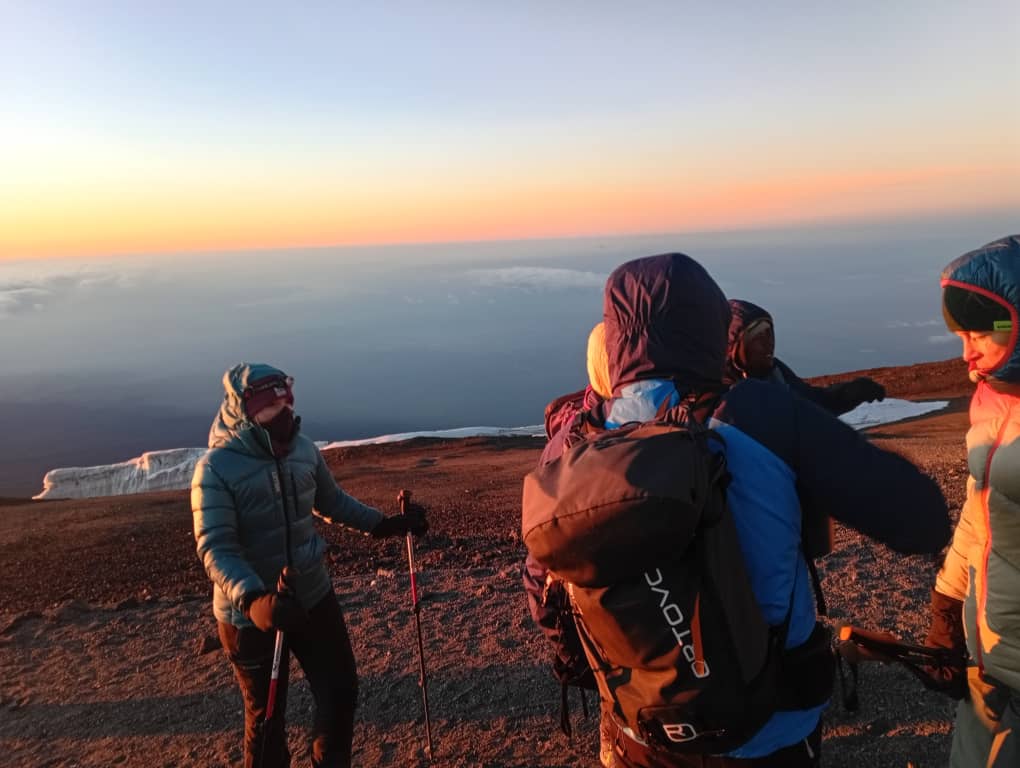
You will wake early and have a warm breakfast. Then you start walking. The pace is always slow. “Pole pole” in Swahili means “slowly slowly.” You walk for several hours to the next camp. Your tents are already set up by the porters. You eat lunch, rest, have dinner, and sleep. This routine lets your body adapt. The final summit push begins around midnight. You walk slowly through the night. You reach the crater rim at sunrise. Then you continue to Uhuru Peak, the highest point. After celebrating, you descend a long way to a lower camp. The next day, you continue down to the gate. You receive your certificate and return to Arusha. Knowing this flow removes the mystery. Then you can focus on the experience itself.
Now, how do you put this all together to choose? Let’s compare the top routes for a first-time climber. Focus on what matters most. That is your safety, success, and experience.
Is your top priority high success and great scenery? Then look at the Lemosho Route (7-8 days) or the Northern Circuit (8-9 days). They are longer, which is best for your body. They are also more scenic and less crowded. The extra cost is worth it.
Do you want a classic, social experience? And you don’t mind some company? Then the 7-day Machame Route is an excellent, proven choice. It is challenging but very rewarding.
Do you prefer drier weather or a quieter trail? Then the Rongai Route (6-7 days) is a solid option. This is especially true during the wetter seasons.
Is hut accommodation a must for you? Then choose the Marangu Route. But only take the 6-day option, not the standard 5-day. The extra day is critical for acclimatization.
Remember, your choice of operator is as important as your route. Look for companies with experienced guides. They should have clear safety policies and ethical practices. Read reviews from past climbers. A good operator will help you choose the right route for your fitness. They will be your partner. Do not choose based on price alone. Choose based on value, safety, and respect.
“`