
Many people dream of Kilimanjaro trekking. They picture the top of Africa. That famous peak is snow-capped. But between the dream and the summit lies a journey. It is a real journey. It is physical and mental. This guide is about one beautiful path up the mountain. We focus on the Lemosho route. It is known for its scenery. It has a gentle start. It also has a high chance of success. We will walk you through it, step by step. We will replace fear with facts. We will trade worry for a clear plan. This is not a technical climb. It is a long, beautiful walk. With the right preparation, your body can do it. A calm mind also helps. The summit is within your reach.
You see many paths on a Kilimanjaro map. It can be confusing. The Lemosho route stands out for first-time trekkers. Why? It starts on the quiet western side. This means fewer people at the beginning. You get peace and space. You feel a true wilderness. More importantly, the route helps your body adjust. It follows the “walk high, sleep low” rule very well. You hike up to higher points during the day. Then you come back down to a lower camp to sleep. This helps your body get used to the thin air. It does so slowly and safely. The views are stunning from day one. You walk through untouched rainforest. Then you see open heathland. Finally you reach the lunar-like alpine desert. It is a gradual introduction to the mountain. It is also scenic. That gentle start builds your confidence for the big day ahead.
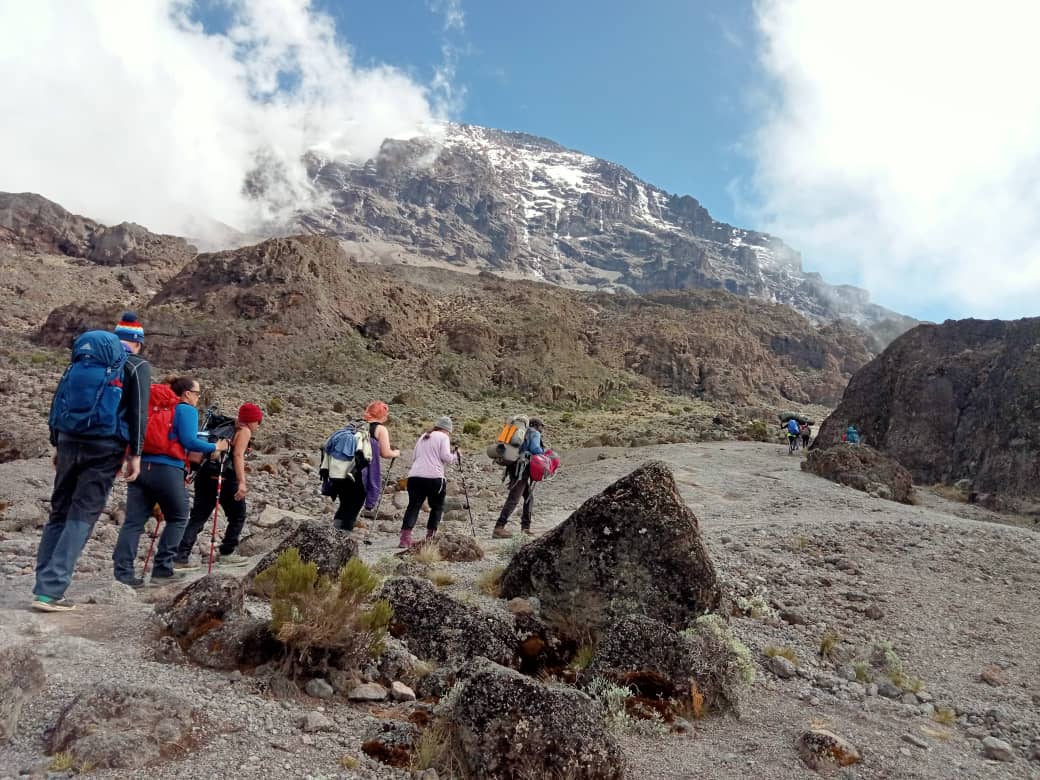
Let’s walk through a typical Lemosho route trip. It takes eight days. This timeline is key for success. Day one is excitement. You drive to the Londorossi Gate. Then you meet your amazing guide and crew. You start walking in lush, green forest. You might see monkeys in the trees. Day two, you leave the forest behind. You enter open meadows and see giant heather plants. The views start to open up. Days three and four are about adjustment. You cross the Shira Plateau. It is a vast, high-altitude landscape. You will take an “acclimatization hike“. This is a walk up a nearby ridge to help your body. Then you go back to camp. Day five is a big one. You move to Barranco Camp. Here you see the famous Barranco Wall. It looks scary but is a fun scramble. Day six is short but important. It takes you to Karanga Camp for final rest. Day seven is the push to high camp at Barafu. You rest in the afternoon. Then, just past midnight, you begin your summit climb. You walk under the stars. Day eight is summit day. Then comes the long, rewarding walk down.

This is the single biggest word you need to know: acclimatization. It means letting your body get used to less oxygen. You cannot rush it. The beauty of the eight-day Lemosho route is that it gives you this time. The main reason people do not reach the summit is not fitness. It is altitude sickness. Your trip is designed to fight this. The extra days mean you climb slowly. Your guides will tell you a Swahili phrase: “pole pole”. It means “slowly, slowly.” This is your mantra. Walk slowly. Breathe deeply. Drink water constantly. Listen to your body. Tell your guide if you have a headache or feel sick. The route’s layout is your best tool. It has high hikes and lower sleeps. Choosing a longer route is your smartest decision. It helps your safety and your summit photo.
Let’s be honest about the feeling. Physically, it is demanding but not impossible. You walk for 5 to 7 hours most days. Then you have one very long 12+ hour day for the summit. Your legs will be tired. The air will get thin. This makes every step feel heavier. The summit night is cold and dark. It is a true test of your spirit. Mentally, it is a rollercoaster. You will have moments of pure joy. You might see a sunset over the clouds. You will also have moments of doubt. You may ask yourself why you are doing this. This is normal. The challenge is in your mind as much as in your legs. The key is to break the journey into small pieces. Do not think about the summit on day two. Just think about getting to the next camp. Enjoy the cup of tea at rest time. Talk to your fellow trekkers. The mountain teaches patience and persistence. Embrace the slow pace. The feeling when you reach Uhuru Peak? It is worth every single step.
Packing wrong can make you miserable. But packing right makes you comfortable and safe. You do not need the most expensive gear. You just need the right items. Think in layers. You will experience hot sun. You will face cold wind and freezing nights. Start with a moisture-wicking base layer. Then add a warm fleece or soft jacket. Your most important item is a high-quality outer jacket. It must be waterproof and windproof. Also pack waterproof pants. For your feet, wear well-broken-in hiking boots. Bring thick, warm socks. For summit night, you need a very warm down jacket. You also need heavy gloves and a warm hat. A headlamp is essential. A sleeping bag rated for -10°C or colder is also key. Also pack a good daypack. Bring a water bottle or bladder. Don’t forget sunglasses, sunscreen, and lip balm. Your tour operator will give you a detailed list. Follow it. And remember, you can often rent items. This includes sleeping bags and thick coats if you do not own them.
You do not climb Kilimanjaro alone. You are supported by a team of local experts. They make your journey possible. Your guide is your leader and teacher. They are also your protector. They know the mountain very well. They check your health every day. They set the “pole pole” pace. Behind them is a crew of porters and a cook. The porters carry the camp and the food. They also carry your main bag. They are incredibly strong and humble. The cook prepares hot, nourishing meals. This keeps your energy high. Treat this team with great respect. They are the reason you can focus on walking. A simple way to show respect is to learn basic Swahili greetings. Say “Jambo” for hello. Say “Asante” for thank you. Smile. Their encouragement will lift you up. It often comes in song. Your success is their pride.
How do you train for a multi-day high-altitude trek? You walk. The best training is to put on your hiking boots. Then walk for hours. Start months before. Go for long walks on weekends. Find hills or stairs. Walk up and down them. Build the time slowly. You want your legs and lungs used to sustained effort. You do not need to run a marathon. You need hiking endurance. Strength training helps too. Simple squats and lunges will strengthen your legs. Carry a pack on your training walks. Put some weight in it. But remember, fitness helps you enjoy the trek more. It also helps you recover faster. But it does not prevent altitude sickness. That is why the slow pace is your true best friend. Also, the long route helps. Go into your training with a calm goal. You want to be strong enough to enjoy the beauty. You don’t want to just suffer through it.
A Kilimanjaro trek is an investment. The price covers much more than just a walk. You are paying for safety and expertise. You also pay for logistics. A responsible price includes park fees. These fees are high. They go to conservation. It also includes fair wages for your guide and crew. Good food is part of the cost. Quality tents and equipment are included. Emergency supplies are covered too. This includes oxygen and a first-aid kit. Be very careful of prices that seem too low. A cheap trip often means underpaid staff. It can mean poor food and old gear. Crowded groups are also common. This affects your experience and your safety. You want an operator that treats its team well. It should follow all safety rules. Ask questions. What is the guide-to-client ratio? What is the emergency plan? How are the porters supported? Paying a fair price ensures an ethical adventure. It is also safe and memorable for everyone involved.

Choosing who to go with is your most important pre-trip decision. Look for operators with a strong reputation. They should be known for safety and ethics. Read reviews from past trekkers. Look for comments about the guides’ knowledge. Also note how the team is treated. A good operator will be happy to answer all your questions. They will be clear about their success rates on the Lemosho route. They will explain their safety protocols. They will detail how they support the porters. This includes providing proper meals and gear. Fair pay is also important. They should also be clear about their environmental practices. For example, they should remove all waste from the mountain. This choice is about trust. You are trusting this company with your safety on the mountain. Take your time. Do your research. Choose a partner that values people and the mountain. They should care as much as you do.
The summit is the goal. But it is only the halfway point. You must come back down. The descent from the summit to your final camp is long. It is also hard on your knees. Trekking poles are a huge help here. You will be exhausted. But you will be filled with a quiet happiness. The next day, you walk down through the rainforest to the gate. You will receive your summit certificate. You will say emotional goodbyes to your team. The mountain changes you. You leave with more than photos. You leave with the memory of your own strength. You also leave with respect for the mountain. And you respect the people who call it home. The tiredness fades. But the feeling of standing on the roof of Africa stays. You will look out over the clouds. This feeling stays with you forever. It is a reminder that big things are possible. You achieve them one slow, steady step at a time.
Yes, it is excellent. Its longer duration allows for better acclimatization. This is key to success for beginners. It is less crowded at the start. It is also very scenic.
It is the hardest part. You walk for 6-8 hours in the dark and cold. You start around midnight. It is a mental and physical test. But your guides will support you every step of the way.
Yes, altitude sickness can happen on any route. The advantage of Lemosho is the longer itinerary. It gives your body the best chance to adapt safely. It also reduces the risk.
The driest and best times are from late June to October. Also good is from late December to early March. These periods have clearer skies and less rain. For detailed planning, see our guide on the best time to climb Kilimanjaro.
You need good hiking endurance. You do not need peak athletic fitness. Being able to walk for 5-7 hours on hilly terrain is the goal. Train with long walks.
Your guide is trained to handle this. They will monitor your health. If necessary, they will help you descend quickly. You go to a lower altitude where you will recover. Safety is always the first priority.
You will eat hot, cooked meals prepared by your camp cook. Meals are designed to be high-energy. They can include soups, pasta, rice, and vegetables. Meats and fruits are also common. They will cater to dietary needs if informed in advance.
Nights can be well below freezing. This is especially true at the high camps and on summit night. It can get down to -10°C or colder. That is why a warm sleeping bag is critical. Proper layers are also essential.
Tipping is a customary and important part of the experience. Your operator will give you guidelines. Tips are shared among the guide, assistant guide, cook, and porters. This thanks them for their hard work.
Comfortable, well-broken-in hiking boots are key. Blisters can ruin your trek. Also, a very warm sleeping bag is absolutely essential. You need it for the freezing high-altitude nights.