
Planning a 7 day Lemosho route itinerary is about choosing a kind path. This journey is not just about the summit. It is about walking through ancient forests. You will sleep under bright stars. You also give your body time to get used to the air. For many, the Lemosho route is the wisest choice. It is gentle and beautiful. It offers a slow, steady climb. This helps you feel strong on summit day. This guide will walk you through each day. It shows you what to expect. You will learn how to prepare. We will also explore why this path is loved by first-timers. Let’s take a calm, confident first step together.
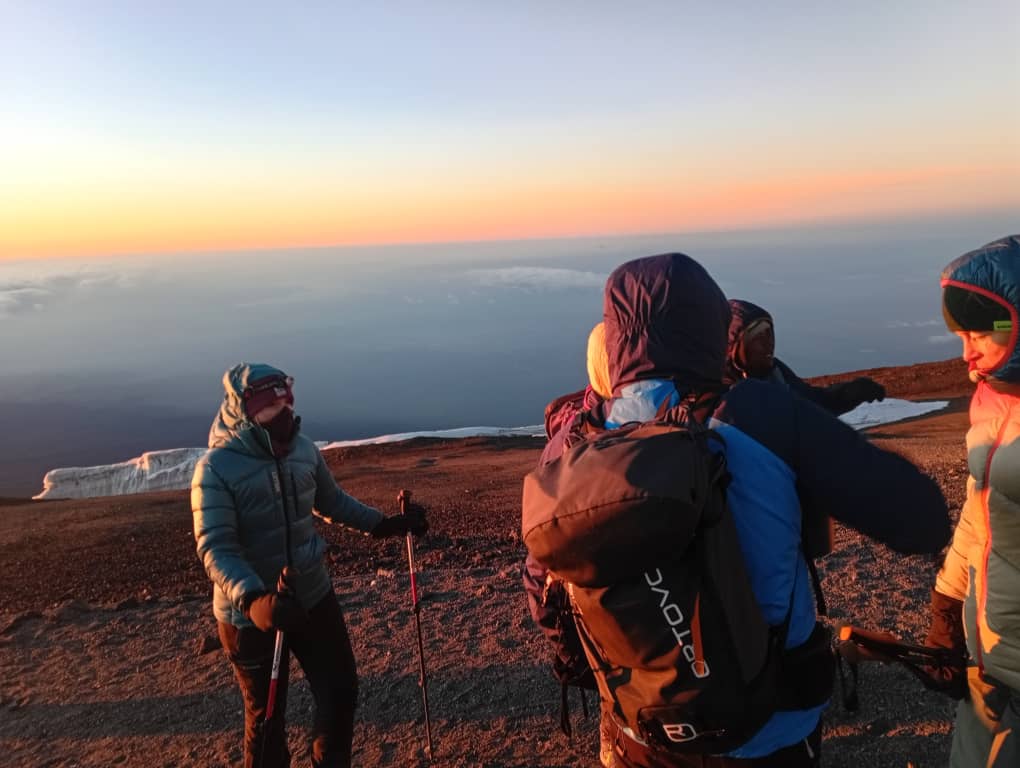
When you climb a big mountain, you want a path on your side. The Lemosho route is exactly that. It starts on the quiet western side. You will not see many groups at the start. This silence is a gift. It lets you meet the mountain in peace. The path begins low and climbs slowly. This slow climb is the secret. It is called acclimatization. Your body gets more time to get used to less oxygen. More time means you feel better. You have more energy and sleep better at night. The 7 day Lemosho route itinerary gives you this time. It also shows you every beautiful face of Kilimanjaro. You walk from thick rainforest to wide-open heathland. Then you see a moon-like desert and finally the snow at the top. It is a full, complete journey. For your first climb, choose a route that cares for your body and spirit. Lemosho is that choice.
Getting your body ready is not about being an Olympic athlete. It is about building a strong, steady engine. Start three months before your trip. Walking is your best friend. Walk for one hour, three times a week. Carry a small backpack too. This gets your shoulders used to the feeling. On weekends, take a longer walk. Go for three or four hours if you can. Find hills in your area. Walk up and down them. Staircases are also perfect for this. The goal is to make your legs and lungs strong. They need to handle long, slow effort. One month before the climb, try a full-day hike. This helps you understand your body after many hours of movement. Listen to your knees and your feet. Good training also means resting. Your body gets stronger on rest days. Do not forget to stretch gently after each walk. This preparation builds more than muscle. It builds quiet confidence. You will know you can take the next step, all the way to the summit.
Packing for Kilimanjaro is about preparing for four seasons in one week. You do not need the most expensive gear. You need the right gear. Think in layers. Your base layer touches your skin. Bring light, moisture-wicking shirts and leggings. They keep you dry. Your middle layer is for warmth. A fleece jacket or a warm sweater is perfect. Your outer layer is your shield. A good waterproof and windproof jacket and pants are non-negotiable. They protect you from rain and cold wind. For your feet, start with two pairs of good hiking socks. Your boots should be worn-in and comfortable. Do not wear new boots. Your head needs a warm hat and a sun hat. Your hands need two pairs of gloves. Pack one thin pair and one thick, waterproof pair for summit night. A warm sleeping bag is your best friend at camp. A headlamp is also crucial for early morning walks. Pack each layer in a separate plastic bag in your duffel. This keeps everything dry and organized. Being well-packed means one less worry on the mountain.
The first three days are about meeting the mountain. Day 1 is a walk through a lush, green rainforest. The air is thick and humid. You might see monkeys in the trees. The path is soft and gentle. You arrive at your first camp feeling excited. Day 2 takes you higher. You leave the forest and enter the heathland. The trees get shorter. The views start to open up. You can look back and see how far you have come. Your body starts to feel the altitude. You walk slowly and deliberately. This is the rhythm you must learn. Day 3 continues across the Shira Plateau. This is a wide, calm landscape. You feel like you are on top of the world already. The walk is not too steep. It gives your body another day to adjust. These first days are not hard, but they are important. They teach you the mountain’s pace. You form a bond with your guides and new friends. You learn that every step, no matter how small, is progress.
Days 4 and 5 are the heart of your acclimatization. This is where the smart planning of the Lemosho route shines. On Day 4, you follow a powerful rule. It is “climb high, sleep low.” You walk up to a much higher point, like the Lava Tower. You spend a short time there. This lets your body feel the thin air. Then you descend to sleep at a lower camp. This process tells your body to get ready for higher climbs. It works wonderfully. You sleep better and feel stronger. Day 5 is a beautiful walk. You go to Karanga Valley and then to Barafu Camp. The landscape changes to alpine desert. It feels rocky and wild, like another planet. You arrive at Barafu Camp in the afternoon. This is your summit base camp. The air is cold and thin here. You eat an early dinner. Then you check your summit gear and try to rest. Tomorrow is the big day. These middle days build strength in your body and mind. They prove you can handle the altitude. They prepare you for the final push.
Day 6 is summit day. You will wake up around midnight. Put on every layer of clothing. Have a light snack and some hot tea. Then, with your headlamp cutting through the dark, you start walking. This is the hardest part. It is very cold and the air is very thin. Walk slowly, one step at a time. Follow the small circle of light from your lamp. The key is to keep a steady pace. Do not rush. Your guide will set a slow, steady rhythm called “pole pole.” Trust it. As the sky lightens, you will see Stella Point on the crater rim. This is your first goal. From there, it is a gentler walk to Uhuru Peak. This is the highest point in Africa. The feeling is incredible. You did it. Take your photos and feel the joy. Then start the long descent back to camp. After a short rest, continue down to a lower forest camp. Day 7 is your final descent. You walk down through the rainforest one last time. Your legs will be tired, but your heart will be full. You receive your summit certificate. Then you say goodbye to the mountain that was your home for a week.
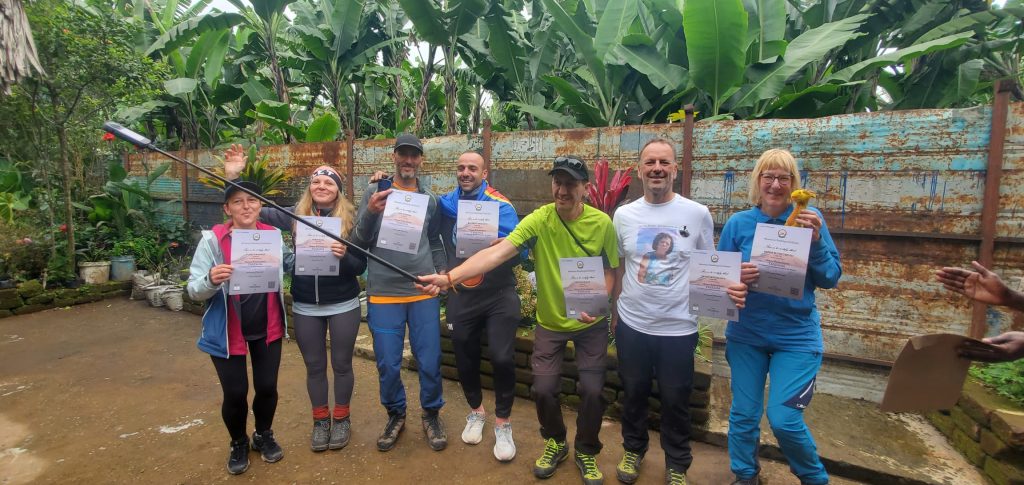
You do not climb Kilimanjaro alone. A team of amazing local experts supports you. Your guide is your leader, teacher, and protector. They know the mountain like their own backyard. They watch your face and check how you walk. They also help you with the altitude. Listen to them and trust them. The porters are the true heroes. They carry the camp, the food, and the bags. They move faster than you. They arrive at camp early to set up your tent and have hot water ready. Always greet them with a smile. The cook prepares all your meals in a simple tent kitchen. The food is hearty and gives you energy. Treat this team with great respect. They work very hard to make your dream possible. A good way to show thanks is to learn a few Swahili words. “Asante” means thank you. Your relationship with this team is a big part of the journey. Their encouragement and smile can give you strength on a tough day.
People talk about the physical climb. However, the mental journey is just as big. There will be moments of pure joy. You will look at stunning views. There will also be moments of doubt. On a cold, dark summit night, you might ask, “Why am I doing this?” This is normal. The mountain tests your mind. The key is to focus on small victories. Do not think about the seven-day walk. Think about getting to the next rest stop. Focus on the next hour. Celebrate putting on warm, dry socks at camp. Listen to the laughter of your group at dinner. Your mind is stronger than you think. Let the slow rhythm of walking calm your thoughts. The mountain teaches patience and resilience. When you stand on the summit, the struggle makes the victory sweeter. You learn you are capable of more than you imagined. That feeling stays with you long after you come down.
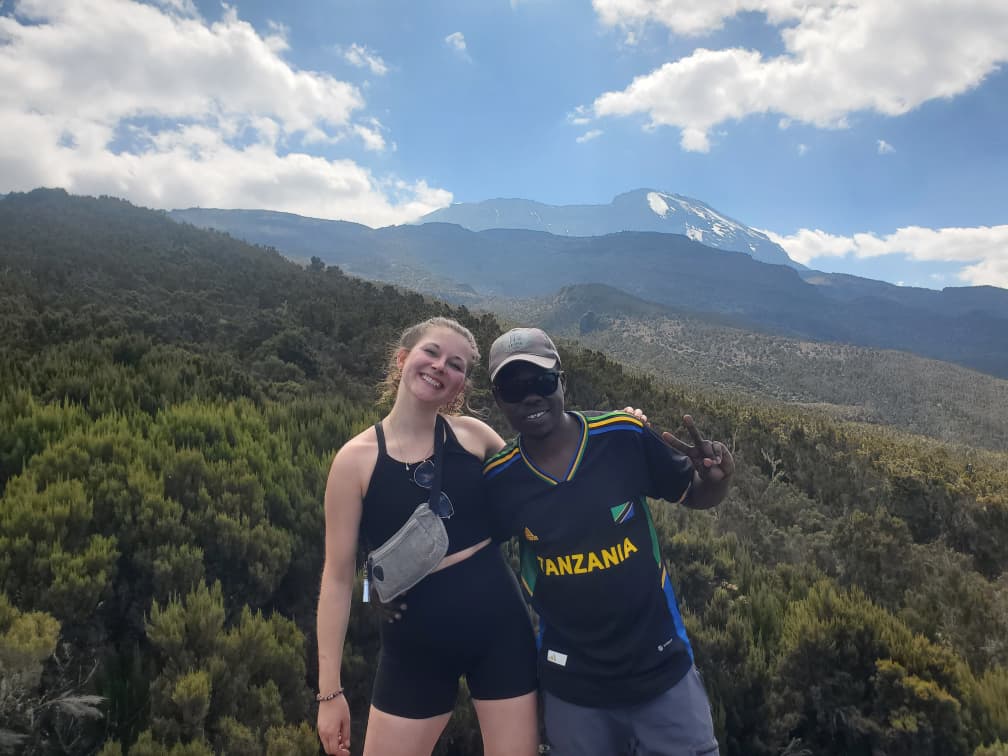
Altitude sickness is a real concern. But you can manage it well. The best medicine is built into your 7 day Lemosho route itinerary. That medicine is time. Going slow is everything. Drink more water than you think you need. Aim for four to five liters every single day. Eat good food, even if you are not very hungry. Your body needs the fuel. Watch for signs in yourself and others. A mild headache is common. But tell your guide immediately if you feel a strong headache, dizziness, or cannot keep food down. Do not hide it. Your guide is trained to help. They might tell you to rest or drink more. In rare cases, they may advise you to go down. Going down always makes it better. Remember, the goal is a safe climb. Listening to your body and your guide is the smartest thing you can do. Do not let summit fever push you to ignore warning signs. A safe climb is a successful climb.
So, is the 7 day Lemosho route itinerary right for you? Think about what you want. If you want the gentlest, most scenic path, then yes, it is perfect. It gives your body the best chance to adjust. It is ideal for first-timers who will train and respect the mountain. This route is for those who prefer a less crowded trail at the start. It is for people who understand that an extra day is an investment in success and safety. If you are very short on time, a shorter route might tempt you. But it comes with more risk of altitude sickness. Choosing Lemosho is choosing patience. It is choosing to enjoy the journey as much as the destination. You are not just buying a trip. You are choosing an experience that cares for you. For a calm, confident, and beautiful first climb, the Lemosho route is a wonderful friend.
“`