
People talk about the Lemosho route difficulty with mixed messages. Some say it is beautiful and easy. Others show a steep map line. So which one is true? The gentle truth is different. The challenge is not about climbing rocks. It is a slow, patient conversation between your body and the sky. This guide walks you through that conversation. We go step by calm step. You can then prepare with confidence and quiet strength.
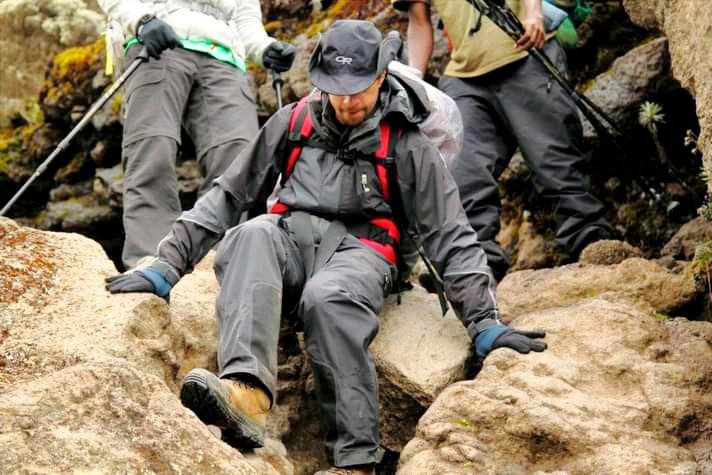
The biggest challenge on Kilimanjaro is not your legs. It is not your pack. The real challenge is the air. Or really, the lack of it. As you climb higher, the air pressure drops. Your body gets less oxygen to use. This is called altitude. Your body is a smart machine. It needs time to adjust to this new, thin air. We call this adjustment process acclimatization. If you go too high and too fast, your body cannot adapt. This can lead to headaches and nausea. You may feel extreme tiredness. These are symptoms of altitude sickness. Understanding this invisible force is the key. It unlocks the true Lemosho route difficulty. Think of it as a marathon of patience, not a sprint of strength.
The Lemosho route is one of the longer paths to the summit. This length is its greatest gift. A shorter route might rush you up in 5 or 6 days. However, Lemosho often takes 7, 8, or even 9 days. Why does this extra time matter? Think of acclimatization as a clock inside you. More days on the mountain means more time for that clock to tick. Your body gets more time for millions of tiny adjustments. The path design follows a wise principle. It is called “walk high, sleep low.” You will hike up to a higher elevation during the day. This lets your body feel the thin air. Then you descend to sleep at a lower, more comfortable camp. This gentle rhythm is the secret. It leads to high success rates, often over 90% for 8-day climbs.
Let us walk the path in our minds. Then you will know what to expect. The adventure starts in a lush, green rainforest. You will hear birds and feel soft earth underfoot. The walking is gentle at first. Over the next days, you leave the forest behind. You enter a world of wide-open heathland. Then you see a rocky, moon-like alpine desert. Each day’s hike is manageable. You usually walk between 4 to 7 hours. The paths are not technical. You do not need ropes. You simply walk. The total distance is roughly 70 kilometers. But the numbers are not so important. What matters is the slow, beautiful change around you. It gives your mind and body a peaceful space to adapt.
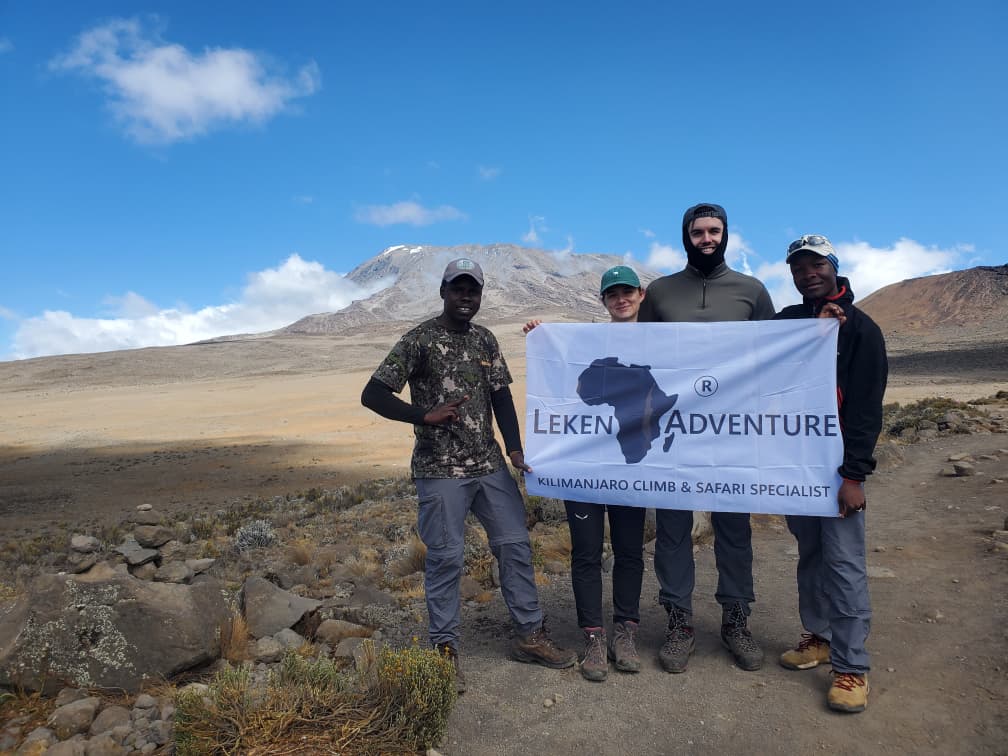
How do you choose a route? Seeing Lemosho next to others makes its advantages clear. Imagine a table that shows the main paths. The Marangu route is sometimes called the “Coca-Cola” route. It is shorter and uses huts. But its quick ascent makes altitude sickness more common. The Machame route is the “Whiskey” route. It is very popular and beautiful. However, it can be steeper and more crowded. The Umbwe route is the shortest and steepest. It is for experienced climbers seeking a direct challenge. Lemosho sits apart. It starts on the remote western side. This means fewer people at the beginning. You also get incredible scenery. Most importantly, you get that perfect, gradual slope for safe acclimatization. It is the wise choice for a first-time summit.
| Route Name | Typical Days | Key Character | Crowd Level | Acclimatization Profile |
|---|---|---|---|---|
| Lemosho | 7-8 Days | Gradual, scenic, remote start | Low to Moderate | Excellent – “walk high, sleep low” |
| Machame | 6-7 Days | Steeper, very scenic, popular | High | Good, but faster ascent |
| Marangu | 5-6 Days | Shorter, uses mountain huts | High | Poor – fastest ascent |
| Umbwe | 5-6 Days | Very steep, direct, challenging | Low | Poor – for the experienced |
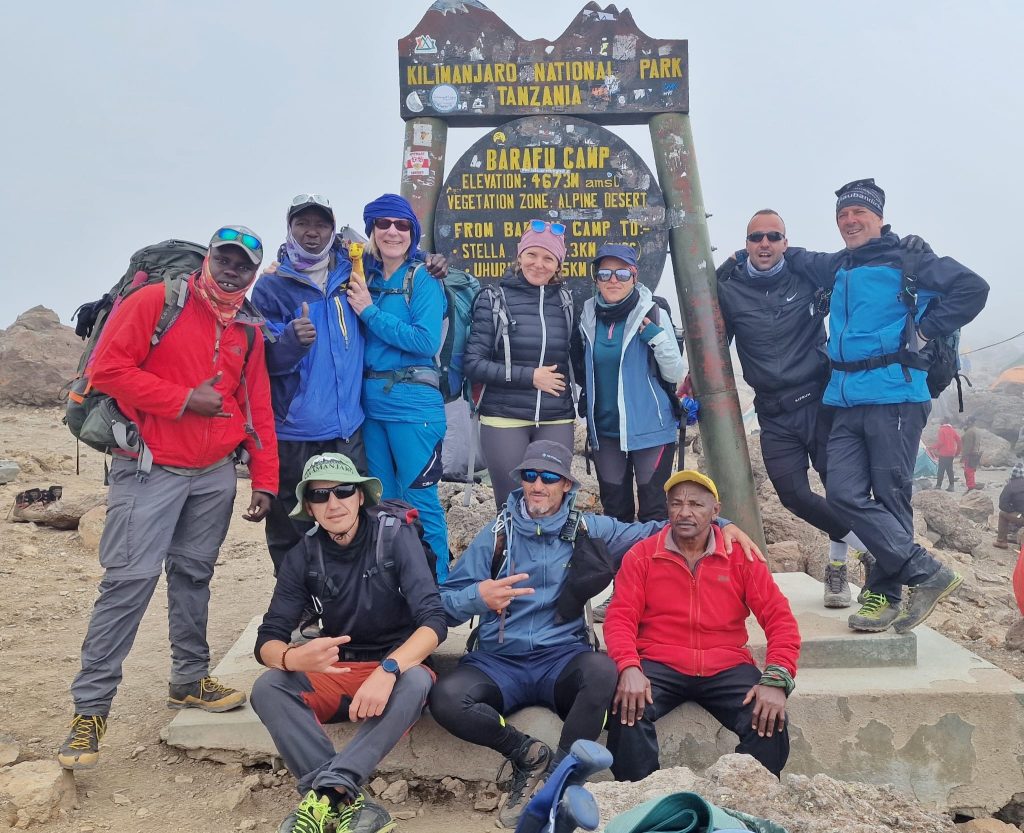
On Kilimanjaro, your gear is not just stuff in a bag. It is your warmth and your dryness. It is also your comfort. Research shows a gap in specific gear advice. So let us be very clear. You will need a very warm sleeping bag. It should be rated for deep cold. You also need strong, broken-in hiking boots. Layers are everything. Start with a moisture-wicking base layer. Then add a warm fleece or down mid-layer. Finally, use a waterproof and windproof outer shell. Do not forget gloves and a warm hat. You also need sunglasses and a headlamp. A good tour operator will give you a detailed list. Your job is to test every item before you come. Wear your boots on long walks. Sleep in your sleeping bag if you can. Know your gear like a friend.
You do not need to be an athlete. But you do need to be a prepared walker. The best training for Kilimanjaro is walking. Walking uphill is especially good. Find hills or stairs in your area. Carry a daypack with weight in it. Go for long walks on weekends. Build up to 4-6 hours comfortably. The goal is not speed. The goal is to build stamina in your legs. You also want your heart and lungs used to steady, prolonged effort. Think of it as teaching your body a rhythm. It will use this rhythm for 7 or 8 days. Consistency over months is far better. Intense, last-minute workouts can lead to injury.
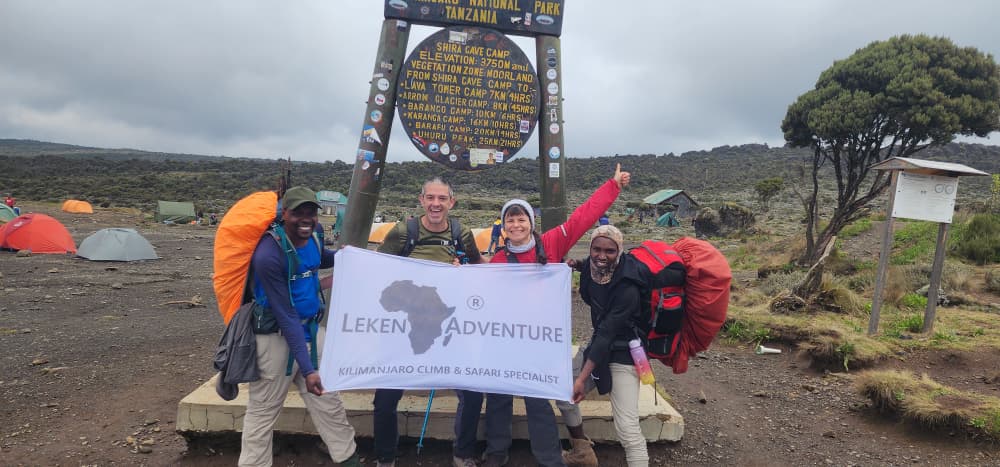
Your safety and success depend on the team you hire. This is your most important decision. An ethical operator is not just a company that takes you up the mountain. They are guardians of your well-being. They also care for their staff’s well-being. Look for operators who treat their porters and guides with deep respect. This means providing fair wages and proper meals. It also means adequate shelter and safe loads to carry. Why does this matter for you? A happy, healthy team is a vigilant team. They will notice if you are slowing down. They will see if you have a headache. They will offer encouragement if you need it. Their eyes on your safety are your biggest asset. So ask operators directly about their porter welfare policies before you book.
A professional climb is a managed climb. True safety comes from having plans in place before anything happens. Reputable operators carry a comprehensive first-aid kit. Their guides are trained in wilderness first response. This training specifically covers altitude sickness. They monitor your health daily. They often use a simple pulse oximeter to check your oxygen levels. Crucially, they have a clear emergency evacuation plan. This means they have access to portable oxygen and a stretcher. They also have pre-arranged agreements for vehicle or helicopter rescue. This is for if the situation becomes serious. Before you go, ask your operator to explain their safety protocols. Their answer will tell you everything.
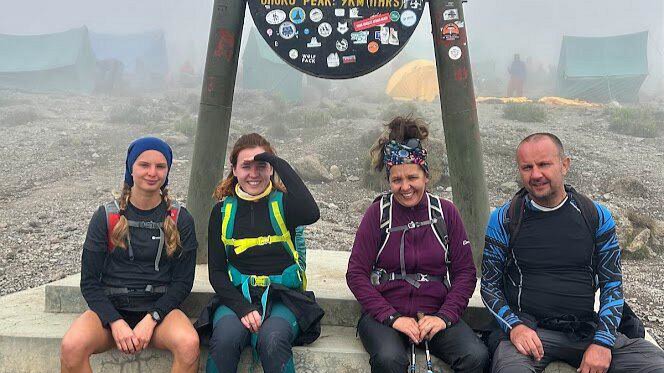
Your journey to the summit starts in the city of Arusha. This is your basecamp. A good operator will use this time to prepare you perfectly. They will meet you and check your gear. Then they will give you a full briefing. This is your chance to ask every last question. They will ensure you have the right rental equipment if needed. Starting from Arusha with an organized operator means you begin the trek relaxed. You will also be informed and ready. All logistics are handled. This includes the drives to the gate and the park fees. It also includes the food. You can focus your mind entirely on the mountain ahead. You will know the details are in expert hands.
Summit night is unique. It is the moment your long, patient acclimatization is put to the test. You will start walking around midnight. You will walk in the dark. Your headlamp creates a small circle of light. The air is cold and thin. The path is a series of slow, steady switchbacks up a steep slope. This is a mental challenge as much as a physical one. You go slowly. They say pole pole in Swahili. So go step by step. Breath by breath. You are not racing. You are simply moving upward. Then the sky begins to lighten. You arrive at the roof of Africa as the sun rises. The difficulty of that night is real. But the Lemosho route has spent a week preparing your body. It has also prepared your spirit for exactly this moment.
A: No. There is no rock climbing. You do not need ropes. The challenge is the altitude. You also need endurance for long days of hiking. It is a walking trek.
A: The extra day is usually an acclimatization day. You hike to a higher point. Then you come back down to sleep at the same camp. This “walk high, sleep low” practice helps your body adjust. It also increases your chance of reaching the summit.
A: It can be very cold. Temperatures are often well below freezing. The wind makes it feel colder. This is why your gear list includes a heavy down jacket. You also need thermal layers and warm gloves. A balaclava is important too. Proper equipment makes the cold manageable.
A: Ask them specific questions. What is your porter-to-client ratio? What weight do your porters carry? What do you provide for their food and shelter? Also ask about their wages. Transparent, detailed answers are a strong sign. They show fair treatment.
A: Your guides are trained to recognize the signs. The first and best treatment is to descend. You go to a lower altitude. A good operator will monitor you closely. They will not hesitate to take you down if needed. They carry oxygen and have evacuation plans.
A: You should be able to walk for 5-7 hours. This is with breaks and for multiple days in a row. Good cardiovascular fitness is important. You can get this from hiking or cycling. Running also helps. Leg strength matters too. The key is endurance, not brute strength.
A: It is less crowded than the Machame or Marangu routes. This is especially true at the start. It merges with the Machame route later on. So you will see more people in the higher sections. But it generally offers a more peaceful experience.
A: Porters will carry the main camp equipment. They also carry your duffel bag with personal gear and food. You carry only a daypack. This holds your water and snacks. It also has sunscreen and layers for the day’s hike.
A: Success rates vary by operator and itinerary length. For a well-organized 8-day Lemosho climb, rates are often between 90% and 95%. Shorter itineraries have lower rates. Always choose a reputable operator.
A: Understand that it will be a long effort. It will also be cold and slow. Break it down into small goals. Just go to the next rock. Just go until the next break. Trust the pace set by your guide. Remember that your body is ready. The careful acclimatization of the past week prepared you.