
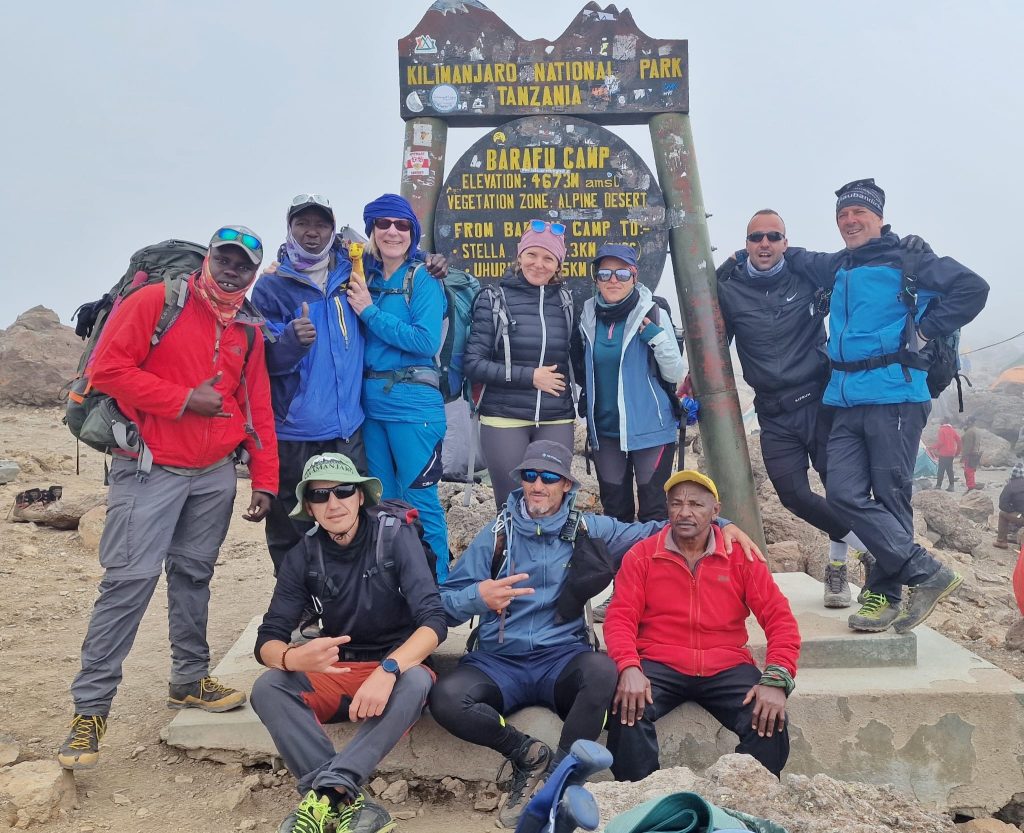
The Lemosho route starts on the western side of the mountain. It is a longer path. Many people see this as its greatest strength. A longer trek means more time for your body to adapt to the high altitude. This process is called acclimatization. It is the most important factor for reaching the summit safely. You will also feel better. Because it begins in a remote area, the trail is often less crowded at first. You get a sense of peaceful wilderness. The scenery is incredibly varied. You walk through deep, green rainforests. Colobus monkeys play in the trees there. Then you move into open moorlands. You will see strange, giant plants. Finally, you enter a stark, almost lunar landscape near the top. This gradual change is part of the magic. It lets you experience the mountain’s many faces slowly and completely.
Success rates depend on one key factor: the number of days. Operators report a very clear trend. Climbs that are seven days or longer have a much higher success rate. Shorter, five or six-day trips are harder. Why? Your body simply needs time. The air gets thinner as you go higher. Your body must learn to function with less oxygen. If you climb too fast, you can get sick. This is called altitude sickness. A longer itinerary builds in “climb high, sleep low” days. You hike to a higher elevation during the day. Then you descend to sleep at a lower camp. This gentle process trains your body best. So, choosing a longer trek is not a luxury. It is a smart safety and success strategy. It is an investment in your health and your goal.
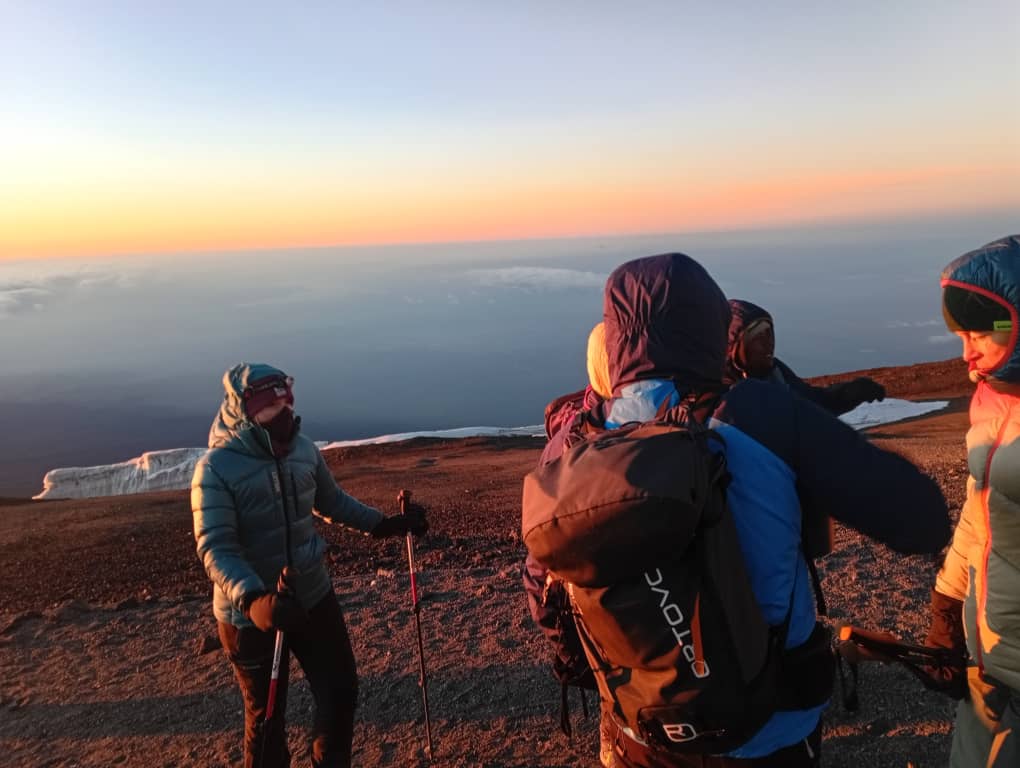
Plan your budget with clear eyes. A supported climb on Kilimanjaro involves many people and a lot of equipment. Your fee typically covers park entry permits. These are a significant cost paid to the government. It also covers wages for your guide, assistant guides, cook, and porters. The porters carry the camp, food, and water. Your fee includes all meals on the mountain. The cook prepares them fresh. It covers camping equipment like tents and sleeping mats. Safety equipment is also included. This means oxygen cylinders and a first-aid kit. Prices vary based on trek length, operator standards, and services. Remember, a very low price often means cuts somewhere. Perhaps porter welfare, food quality, or safety backups suffer. Your safety and a fair, ethical climb are worth the investment.
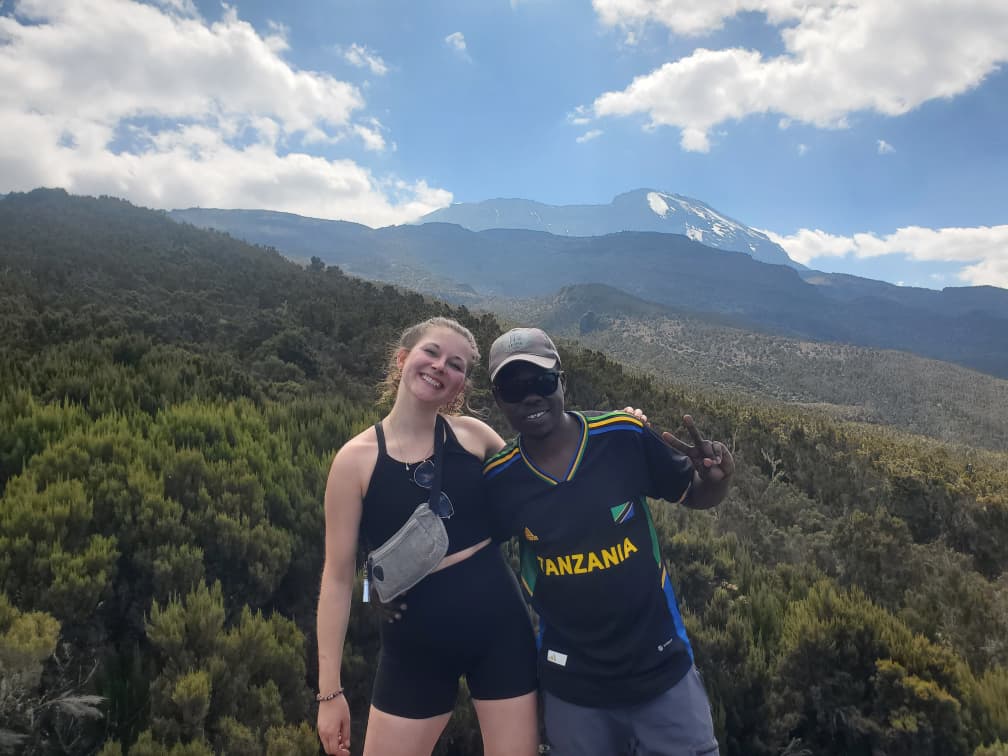
Your safety on the mountain is paramount. A good operator prioritizes this above everything. The guide is your most important safety tool. They are trained to watch for signs of altitude sickness. They will check your pulse and oxygen levels daily. They also control the pace. They always remind you to go “pole pole” (slowly, slowly). A proper safety plan includes emergency procedures. This means having a portable stretcher and reliable communication equipment. A satellite phone is a good example. There must also be a clear plan for getting a sick climber down quickly. Your own role is to listen to your body. Be honest with your guide. Drink plenty of water and eat well, even if you are not hungry. Communicate any headache or nausea immediately. Safety is a partnership.
The company you choose defines your experience. An ethical operator treats their team well. Ask them about their porter policy. Porters should have proper clothing and good food. They must get a fair wage and have weight limits on what they carry. This is about basic human respect. Look for operators certified by recognized mountaineering associations. Read recent reviews from past clients too. Talk to the company directly. Ask them specific questions. For example, “What is your guide-to-client ratio?” Also ask, “What is your safety protocol for altitude sickness?” and “Can you explain your porter welfare policy?” Their answers will tell you a lot. A good operator is transparent and proud of their standards. They understand that a successful climb needs a happy, healthy team. This includes the client, the guide, and the porter at the back.

Close up on running shoes Fitness women training and jogging
You do not need to be an Olympic athlete. However, you must be fit for endurance. The summit day is a 12 to 16-hour effort. It happens in extreme cold and thin air. The best training is walking. Go for long hikes on weekends. Wear the boots you plan to use on the mountain. Find hills or stairs to climb. This builds the specific muscles you will need. Carrying a daypack on your training hikes adds helpful resistance. Also, work on your cardiovascular fitness. Running, cycling, or swimming several times a week will build your heart and lung strength. Consistency is key. Start training months in advance, not weeks. The fitter you are, the more you can enjoy the beauty around you. You will not be fighting your own body. It makes every step easier.
Packing the right gear is about comfort and safety. The mountain has many climates. You will experience warm rain, cool winds, and freezing cold. Layering is the secret. Start with moisture-wicking base layers. Add insulating middle layers like a fleece. Your outer layer must be a waterproof and windproof jacket and pants. For summit night, a heavy, high-quality down jacket is essential. Do not forget thermal gloves, a warm hat, and a balaclava. Good, broken-in hiking boots are your most important item. Bring a headlamp with extra batteries for summit night. A sleeping bag rated for very low temperatures will keep you rested. Sunglasses and strong sunscreen are critical too. The sun is intense at high altitude. Most operators provide a detailed packing list. Use it.
Each day has a gentle rhythm. You wake up with the sun. The porter brings warm washing water to your tent. You pack your duffel bag and enjoy a hearty breakfast in the dining tent. Then you start walking. The pace is slow. You will walk for four to seven hours. You will take a break for a packed lunch. The afternoons are for resting at the new camp. You can drink tea and talk with your group. Dinner is another social, nourishing meal. The guides will do a health check. Then, as the temperature drops, you retreat to your warm sleeping bag. The days are physically demanding but mentally simple. Your job is to walk, eat, drink, and rest. This routine prepares you for the final challenge. You repeat it over many days.
Summit night begins around midnight. You dress in all your warm layers. You drink some tea and try to eat a little. Then, with headlamps lighting the path, you start the steepest part of the climb. It is dark, cold, and silent except for the sound of breathing. This is the greatest mental and physical test. You must break the climb into small goals. Just aim for the next rock or the next switchback. The guides will encourage you every step. As the sun begins to rise, you reach Stella Point on the crater rim. A wave of emotion often hits here. From there, it is a slower, flatter walk around the crater. You then reach the true summit, Uhuru Peak. Standing at the highest point in Africa is amazing. You watch the sunrise over the continent. This makes every difficult step worthwhile.
The journey is not over at the summit. You must descend a long way to a lower camp. This is surprisingly hard on your legs and knees. Trekking poles are a huge help. The descent is fast. The landscape changes quickly as you return to thicker air. You will feel your energy and appetite return. The final day is a walk through the rainforest to the park gate. Here, you say goodbye to your incredible crew. There will be singing, dancing, and tipping to thank them for their hard work. The ride back to your hotel feels strange. A hot shower, a soft bed, and a cold drink will never have felt so good. You will carry the memory of the mountain with you always. You will also remember the people you met.