
Understanding the Lemosho route cost is about more than just a price. It is about understanding value. Your Kilimanjaro adventure is not a simple walk. Instead, it is a careful, step-by-step climb to the roof of Africa. The right team makes all the difference. Your safety, comfort, and success depend on the people you choose. This guide will help you see what goes into a good price. We will talk about safety and the porters who carry your camp. We will also discuss choosing a company that cares. We want you to feel calm, prepared, and confident. Let’s begin this journey together.
When you see a price for climbing Kilimanjaro, you might think it is just for the walk. But that price is for a complete support system. You are paying for expert guides. They watch your health every day. You are also paying for a cook. He makes hot, nutritious meals at 4,000 meters. Then you pay for the porters. They carry the tents, the food, and the kitchen. Park fees are another part of the cost. These fees protect the mountain. A very low cost often means a company is cutting corners. Maybe the guides are not well-trained. Or maybe the porters do not have good shoes. A fair price means everyone on your team is safe and treated well. This is the foundation of a successful climb.
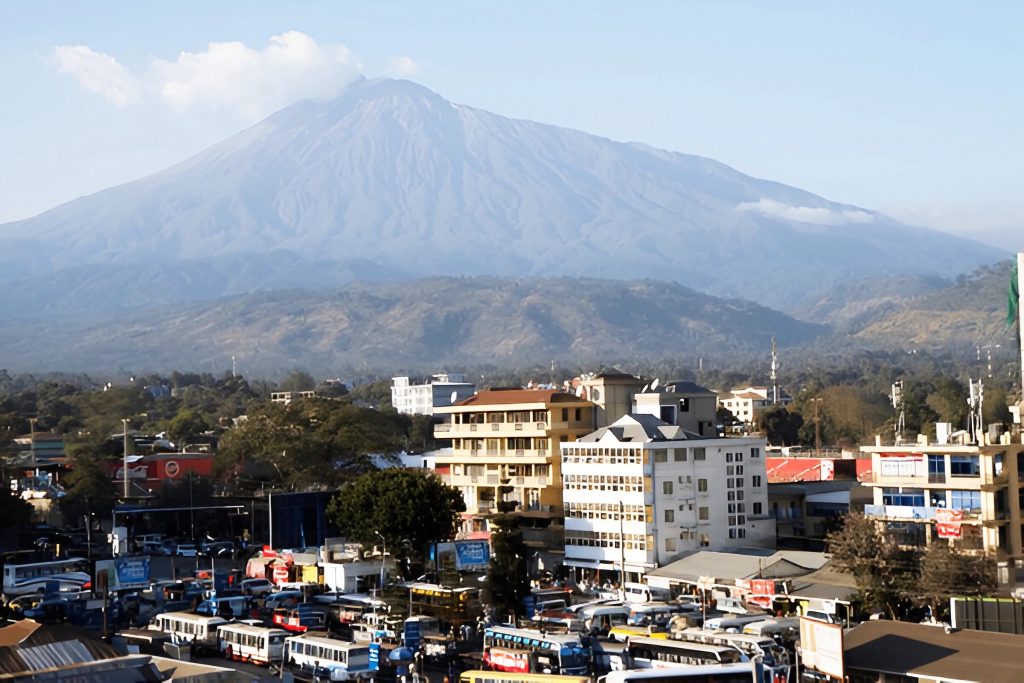
Many climbers start their trip in a town called Moshi. But there is another wonderful option: Arusha. Think of Arusha as a more relaxed gate to your adventure. It is a bit bigger and has a calm feeling. For your logistics, Arusha can be excellent. It has good access to airports. There are also nice places to rest before your climb. It feels less rushed. Starting here allows you to meet your guide in a peaceful setting. You can check your gear without hurry. You can ask all your last-minute questions. Choosing Arusha means you begin your big challenge feeling calm. It sets a positive tone for everything that comes next.

Your safety is the most important thing. A good operator makes this their top job. Look for guides with special wilderness medical training. They can handle problems like altitude sickness. Every morning and evening, your guide will check your health. They will ask how you slept. Then they will check your heart rate and your blood oxygen. This careful watch helps them see problems early. The Lemosho route is a longer journey. This helps your body get used to the height. We call this acclimatization. A good 8-day Lemosho climb has a very high success rate. This is because it gives your body the time it needs. Always ask a company about their success rates. A clear answer shows they track what matters.
The porters are the heroes of Kilimanjaro. They make your climb possible. An ethical company treats them with great respect. The best way to know is to look for a KPAP member. KPAP is the Kilimanjaro Porters Assistance Project. This means they follow strict rules. Porters get fair pay. They also get proper gear like jackets and boots. They carry a fair weight, not too much. They sleep in good tents. Plus, they eat the same quality food as the climbers. When you choose a company that cares for its team, you do two good things. First, you support the local community. Second, you get a happier team supporting your dream. Their smiles will lift you up on tough days.
Let’s look at where your money goes. A good price for an 8-day Lemosho climb is usually between $2,500 and $3,000. This is a fair range for quality and safety. The single biggest cost is the Kilimanjaro National Park fee. This is a fixed cost that goes to the government. Then there are camping fees. Next, you pay for your crew. This includes guides, porters, and a cook. Their wages, food, and transport are included. Your price also covers all your meals and drinking water on the mountain. It includes the tents you sleep in and the mess tent where you eat. Finally, it covers your transport from Arusha to the mountain and back. A transparent company will explain this breakdown easily.
Packing the right things is crucial for your comfort and safety. Do not worry, because you do not need to buy everything. You can rent many items. The key is layers. You will experience hot sun, cold wind, and possibly rain. Start with moisture-wicking base layers. Then add warm fleece or soft jacket layers. Your most important item is a high-quality down jacket for the summit night. You also need a strong, waterproof rain jacket and pants. For your feet, take broken-in hiking boots and warm summit socks. A warm sleeping bag is essential. Do not forget a good headlamp and sunglasses. Also remember gloves and a warm hat. A detailed list from your operator will cover every small thing. This includes sunscreen and lip balm.
If your budget allows, a private climb changes the experience. You are not in a group with other people. The itinerary moves at your pace, not the group’s pace. If you need a slower day, you take it. If you want to spend more time at a beautiful view, you can. This flexibility can greatly help your body adjust to the altitude. Some premium packages offer an extra acclimatization day. This means adding one more night at a certain height before going higher. It is one of the best ways to increase your summit chance. While it costs more, the value is very high. You get more comfort, personal attention, and a better chance of success.
Before you choose a company, read what past climbers say. But read carefully. Look for stories that talk about the guides’ knowledge and care. Also look for comments about how the porters were treated. Did the climbers feel safe? Was the food good? How did the company handle problems? A long list of five-star reviews that all sound the same might not be helpful. However, a few detailed stories can be very revealing. A company with a strong reputation will have specific reviews. They might mention a guide’s name or talk about the feeling in camp. They may describe little acts of kindness that made the trip special. This is the true test of their quality.
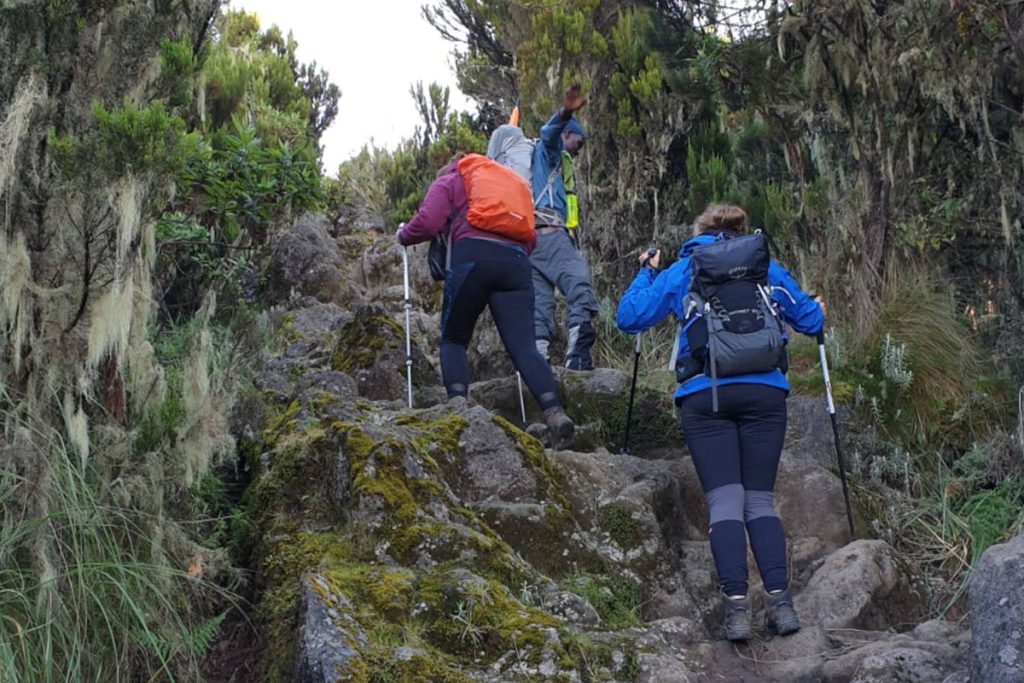
Altitude sickness can affect anyone. The rules to prevent it are simple but important. First, choose a longer route like the 8-day Lemosho. This gives your body time. Second, remember the mantra “pole pole” (pronounced po-lay po-lay). It means “slowly slowly” in Swahili. Walk slower than you think you need to. Third, drink more water than you think you should. Stay very hydrated. Fourth, listen to your body. Tell your guide about any headache or nausea immediately. Fifth, follow the climber’s rule: “Climb high, sleep low.” This means you may hike to a higher point during the day. But you come back down to a lower altitude to sleep. Your guides will plan your days around this smart rule.
Now you have the information. So how do you choose? Talk to a few different companies. See how they answer your questions. Do they explain costs clearly? Do they talk about porter welfare without you asking? Will they send you a detailed packing list? Do they share their safety protocols? The right company will make you feel informed, not rushed. They will build trust. They will help you see that you are not just buying a trip. You are investing in a life-changing experience. A team will support you every step of the way. When you find that feeling of trust, you will know. You have found the right partner for your Kilimanjaro adventure.