
How to Save Money on Kilimanjaro is top-of-mind if you want to stand on the Roof of Africa, but you also have a budget. The prices you see online range wildly, from suspiciously low to eye-wateringly high. The real challenge isn’t just finding a cheap climb—it’s finding one that doesn’t compromise your safety, your summit chances, or the welfare of the crew making your dream possible.
As a local operator, I see this tension every day. Saving money on Kilimanjaro is absolutely doable, but it requires smart, informed choices. It’s about knowing where you can trim costs and where you absolutely shouldn’t. Let’s talk about how to do it right.
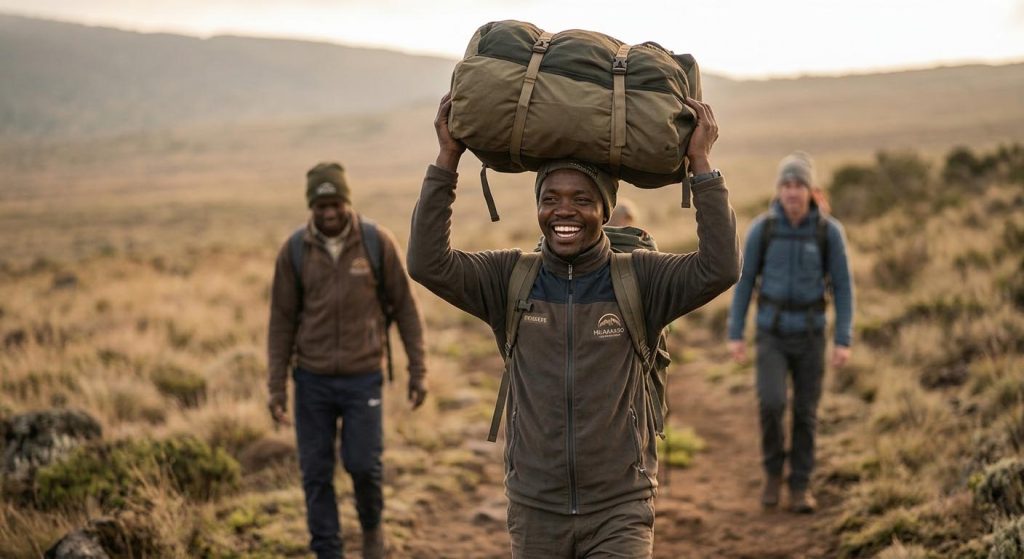
When a price seems too good to be true, it often is. A legitimate budget climb isn’t about skipping essentials; it’s about efficient operation without hidden extras. The baseline for any operator, regardless of price, must cover the non-negotiable costs: park fees, crew wages, food, and tents.
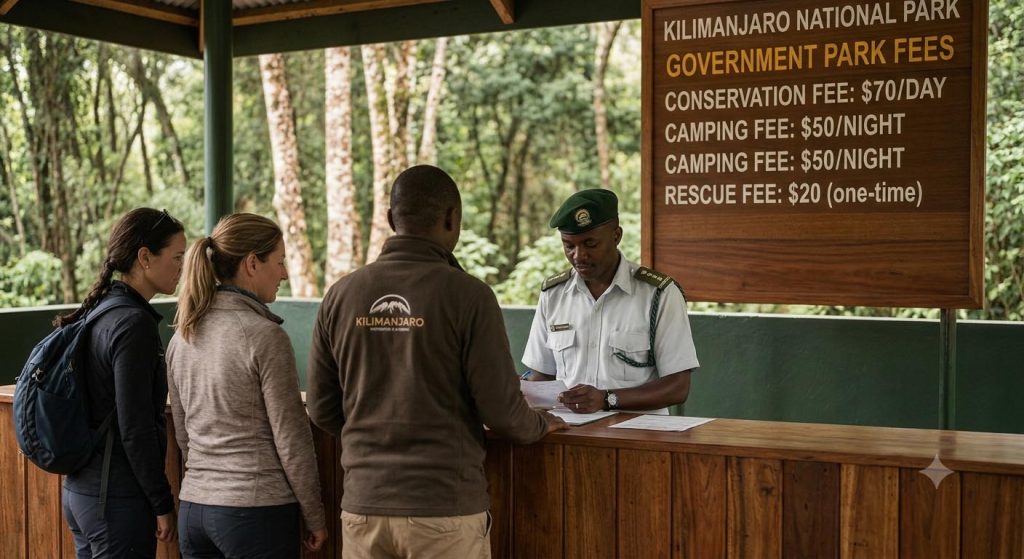
Park fees are fixed by the government and make up a huge portion of your cost—often over 60%. A reputable operator builds these in transparently. They also pay their staff fair, livable wages. This is where the KPAP (Kilimanjaro Porters Assistance Project) partnership is a key marker of legitimacy; it’s an independent audit ensuring porters are treated and paid ethically.
A shockingly low quoted price often means costs are shifted to you later. You might arrive to find camping gear rentals, airport transfers, or even meals in town are extra. A trustworthy operator provides a clear, itemized list of inclusions and exclusions upfront. The true cost comparison happens after you add everything back in.
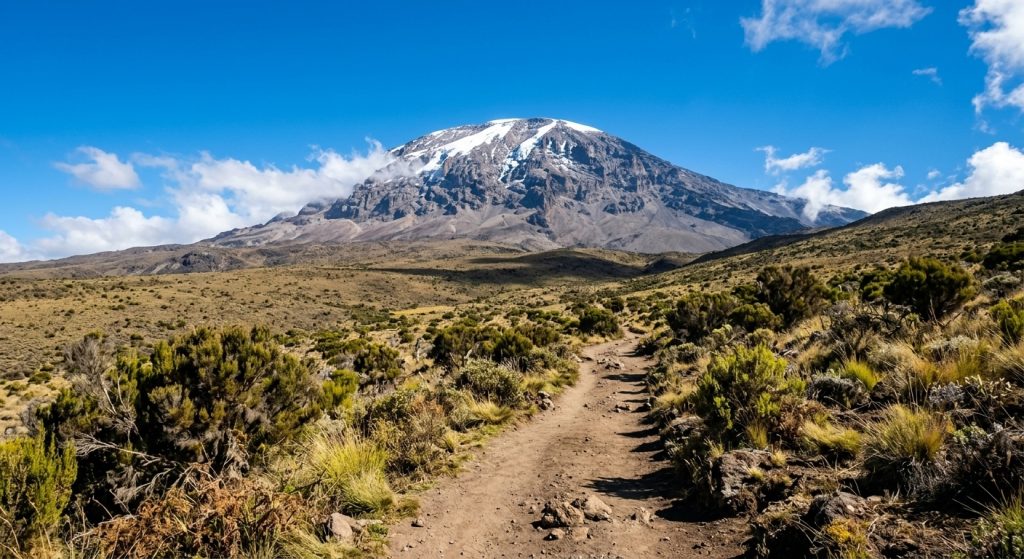
Many searches point to the Marangu route as the cheapest way up Kilimanjaro. This is technically true, and for one main reason: you sleep in shared dormitory huts instead of tents. This avoids the cost of renting camping equipment and the porters needed to carry it.
But there’s a significant trade-off. Marangu is often called the “Coca-Cola” route, but it’s also known for a lower summit success rate. The shorter itinerary (typically 5 days) doesn’t allow enough time for proper acclimatization. You save money, but you gamble with your body’s ability to adapt to the altitude.
If your real goal is to summit, the “cheapest” route can become the most expensive if you fail and need to try again. Routes like Machame (6-7 days) or Rongai (6-7 days) cost more but offer better acclimatization profiles, dramatically increasing your odds. For a budget-conscious climber, this is the most important value calculation: investment versus likelihood of success.
Your travel dates are one of the biggest levers you have for saving money. Kilimanjaro has distinct seasons, and operator prices reflect demand. The high seasons (June-October and December-February) see peak prices and fuller trails.
The “shoulder” or low seasons—the months of March to early June and November—are where you find significant savings. Operators often discount their rates by 10-20% during these periods to attract climbers. The weather is less predictable, with a higher chance of rain, but the trails are quieter and the landscapes lush.
Climbing in the low season requires a different mindset. You’ll need better waterproof gear and mental preparation for mud and rain at lower elevations. But the trade-off is real savings and a more solitary experience. For the flexible traveler, this is a prime strategy for how to save money on Kilimanjaro without sacrificing service quality.
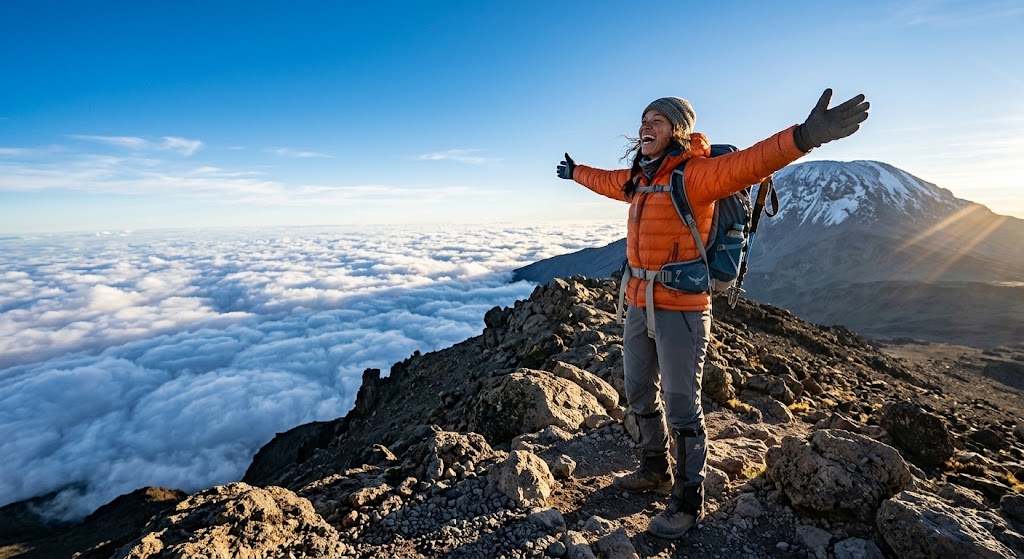
This is the single most effective way to reduce your per-person cost. Operators price climbs based on sharing fixed costs like guides, park fees, and transport across a group. Joining an open-group departure spreads these costs widely, making it far more affordable than a private climb.
Many budget-focused operators run scheduled group climbs monthly. You’ll join other international travelers, forming a team for the week. The dynamic is part of the adventure, and the savings are substantial—often hundreds of dollars compared to a private tour. If you are looking for budget Kilimanjaro tips, joining a group is one of the most recommended strategies.
True “solo” climbs, without guides or support, are not permitted on Kilimanjaro for safety reasons. If you book as a single traveler, you will either join a group or pay a single-supplement fee to cover the fixed costs of a private crew. The former is the clear budget choice.
Tell us what you have in mind and we’ll build you a free, no-pressure itinerary with honest pricing — planned by a local team that runs these trips every day.
The package price from your operator is just one part of your total trip cost. First-time climbers often get a shock when they add up the other necessities. A realistic budget must account for international flights to Tanzania, visas, travel insurance, gear rentals, and tips for your crew.
Tips are a critical, expected part of the crew’s income. Budgeting $250-$350 for tips is standard for a week-long climb. Gear rental (sleeping bag, trekking poles, duffel) can add another $100-$200 if you don’t own it. Leaving these out of your planning is a sure way to blow your budget on the ground. For those seeking budget Kilimanjaro tips, planning for all these extra costs is essential to avoid surprises.
Travel insurance with emergency medical evacuation coverage is non-negotiable. Treatment for altitude sickness and evacuation from the mountain is extremely expensive. A policy that covers high-altitude trekking up to 6,000 meters is essential. This is a cost that protects your life and your finances.
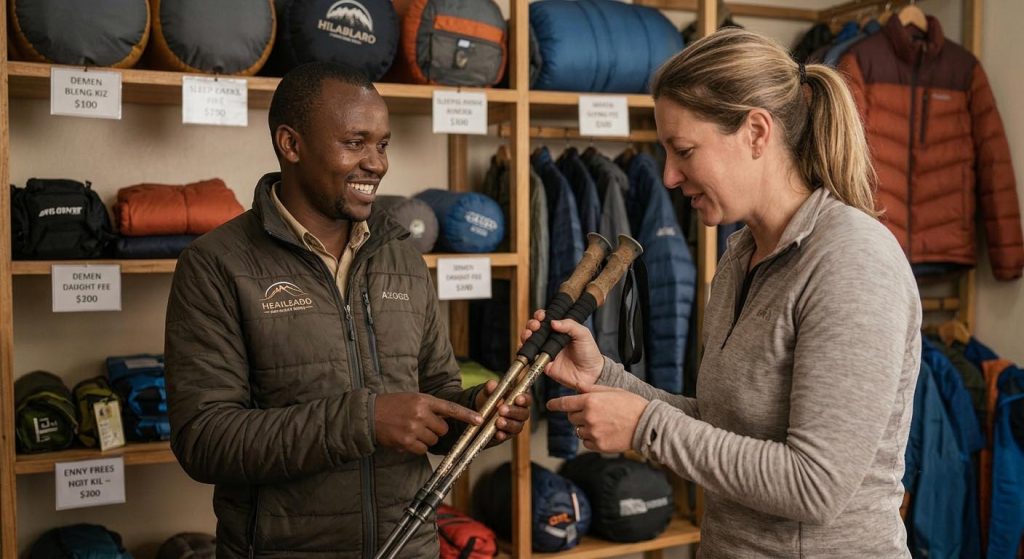
You don’t need to buy thousands of dollars worth of technical gear for this one climb. Almost everything can be rented affordably in Moshi or Arusha. Local operators offer rental packages for items like cold-weather sleeping bags (-10°C to -20°C rating), insulated sleeping pads, heavy-duty waterproof pants and jackets, and trekking poles.
This is a major area for savings. Invest in the personal items that affect your comfort most: quality, broken-in hiking boots, moisture-wicking base layers, and good socks. Rent the bulky, specialized items you’ll likely only use once.
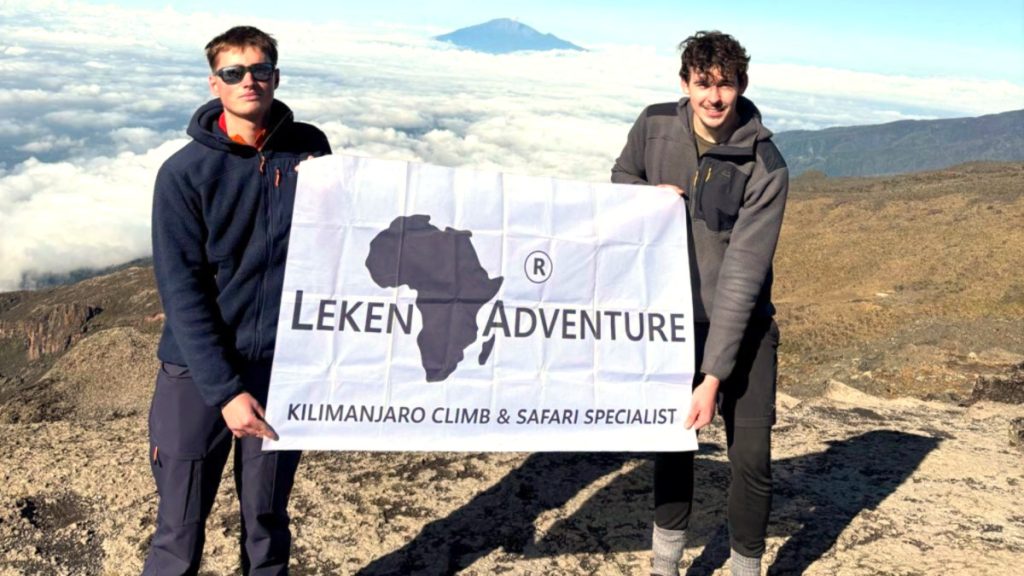
The operator is your most important choice for a safe, successful, and value-for-money climb. Beyond comparing prices, you need to vet their legitimacy. A genuine budget operator will be transparent and proud of their standards.
Ask direct questions: Are you a KPAP partner? Can you provide a detailed cost breakdown? What is your guide-to-client ratio? What is your summit success rate for the route I’m considering? Their answers will tell you more than any glossy brochure. A KPAP affiliation is a strong signal of ethical treatment, which is a cornerstone of a legitimate operation.
For safety and support, a ratio of one guide for every two or three clients is ideal. Some ultra-budget operators stretch this thin to cut costs, which can impact the attention you receive, especially if someone in your group struggles with altitude. This is a corner you don’t want cut.
While Marangu is often the cheapest, it’s not the only budget-friendly option. Comparing the key routes helps you find the best value for your priorities. If you’re weighing your decisions and need more budget Kilimanjaro tips, checking the details for each route ensures you get the experience you want at the best price.
Marangu (5-6 days): The classic budget choice. Hut accommodation, shorter duration. Lower summit success rates due to poor acclimatization profile. Best for those prioritizing lowest cost who understand the risk.
Machame (6-7 days): The “Whiskey” route. Costs more than Marangu but offers far better acclimatization, leading to higher success rates. Camping-based. Arguably the best value for the serious budget climber aiming to summit.
Rongai (6-7 days): A gentler, more remote trail starting from the north. Similar pricing to Machame. Better for those who want a quieter experience and a slightly drier microclimate.
Small costs add up quickly and can strain your cash on the ground. Plan for them so there are no surprises. You’ll need $50-$100 for meals and drinks in Moshi/Arusha before and after the climb, as these are rarely included.
Budget for bottled water on your arrival day and any snacks you might want beyond the provided meals. Don’t forget local SIM card data, souvenirs, and a well-deserved tip for your hotel staff. Having a buffer of $200 in local currency (Tanzanian Shillings) covers these incidentals comfortably.
What is the cheapest month to climb Kilimanjaro?
The rainy season months of April, May, and November typically offer the lowest prices, with operators discounting rates by 10-20%. The trade-off is a higher likelihood of rain and mud on the trail.
Can I climb Kilimanjaro for $1500?
A local budget operator might offer a basic 6-day group climb package for around this price. However, your total trip cost will be higher once you add international flights, visas, insurance, gear rental, and mandatory tips for the crew.
Is the Marangu route the best for saving money?
It has the lowest package price due to hut accommodation. However, its shorter itinerary leads to a lower summit success rate. For many, a slightly more expensive route with better acclimatization offers better overall value.
How much should I budget for tips?
Plan for $250 to $350 total for your entire crew (guides, cooks, porters) on a standard 7-day climb. This is a critical part of their income and is a standard expectation.
What does KPAP mean, and why is it important?
KPAP (Kilimanjaro Porters Assistance Project) monitors and advocates for fair treatment and wages for porters. Choosing a KPAP-partner operator ensures the team supporting you is treated ethically, which is a key sign of a legitimate company.
Is it safe to climb with a low-cost operator?
Safety depends on the operator’s standards, not just their price. Vet them carefully: ask about guide certifications, client-to-guide ratios, emergency oxygen, and evacuation procedures. A legitimate budget operator will have clear answers.
Should I buy or rent my gear?
Rent the bulky, specialized items like sleeping bags, heavy jackets, and trekking poles in Tanzania. Invest in and bring your own quality hiking boots, base layers, and socks for comfort and hygiene.
What’s not included in a typical budget climb package?
Common exclusions are: international flights, Tanzania visa ($50 for most nationals), travel insurance, gear rental, tips, meals in town, and personal spending money. Always ask for a clear list.
How does joining a group save money?
Fixed costs like park fees, guide salaries, and transport are shared across the group. Joining an open-group departure spreads these costs, giving you a much lower per-person price than a private climb.
What is the single biggest cost of the climb?
Kilimanjaro National Park fees. These government-mandated charges (conservation, camping, rescue) often make up 60% or more of your tour operator’s package price, which is why prices have a certain floor.
In conclusion, learning how to save money on Kilimanjaro requires research, understanding key trade-offs, and careful planning using strategies such as joining group climbs, traveling off-season, and budgeting for all expected and unexpected costs. With these steps and the right budget Kilimanjaro tips, you can experience Africa’s greatest mountain adventure without overspending or risking your safety.