
Choosing a Kilimanjaro trekking company is the most important decision you will make before climbing Africa’s highest mountain. The mountain is the same whoever you book with, but your guides, your route, your food, your safety checks and the care your crew shows you decide whether you reach Uhuru Peak at 5,895 metres or turn back early.
Leken Adventure is a Tanzania-based, locally registered Kilimanjaro trekking company built around one goal: getting you safely to the summit and back with an experience you will talk about for the rest of your life. This guide explains what to look for in a trekking company, which routes we operate, what a climb costs, and how we look after you from the day you enquire to the day you receive your summit certificate.
Kilimanjaro is a non-technical climb. You do not need ropes, harnesses or mountaineering experience. What you do need is time to acclimatise, a steady pace, good nutrition and guides who can read how your body is coping with altitude. Those things come from the company, not the mountain.
A good Kilimanjaro trekking company will:
Tanzanian regulations are clear that you cannot climb Kilimanjaro independently. All trekkers must go with a registered operator and licensed guides, so choosing the right company is part of the journey, not an extra.
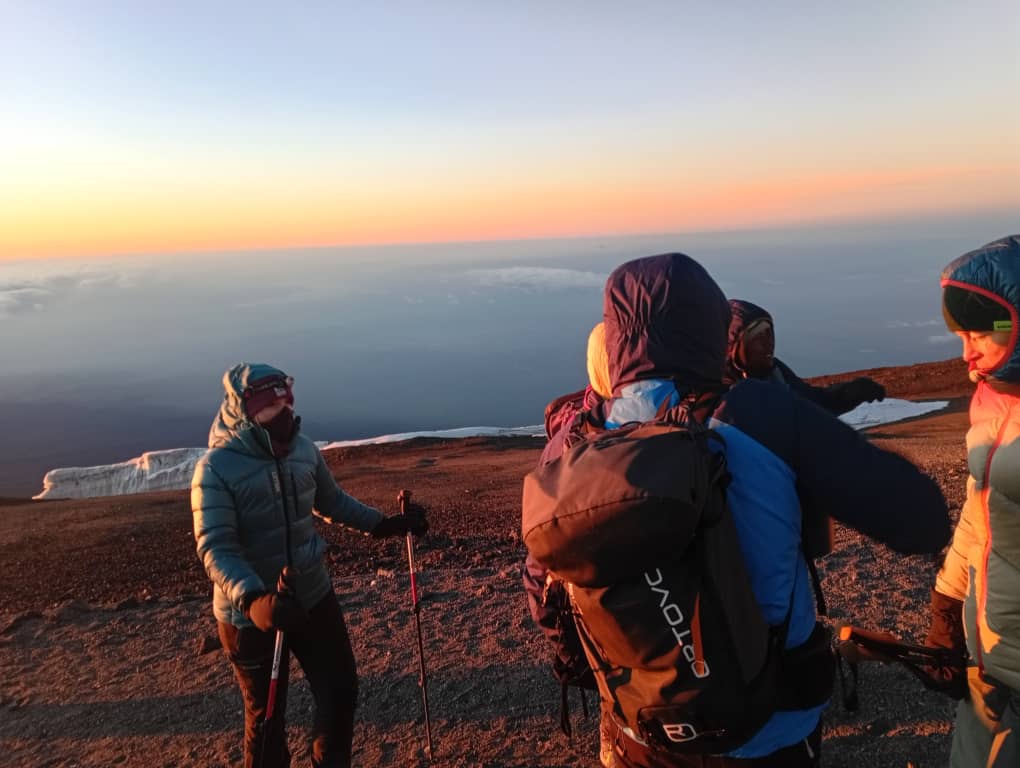
Leken Adventure is a Kilimanjaro climbing specialist based in Kaloleni, Arusha, the gateway town to northern Tanzania’s mountains and national parks. We are passionate about creating travel experiences that bring you closer to Tanzania’s landscapes, culture and wildlife, and Mount Kilimanjaro is where we do our best work.
Whether you are a seasoned hiker or doing your first multi-day trek, our team plans the climb around you: your fitness, your dates, your group size and your budget. Every itinerary can be adjusted for small or large groups.
Our clients keep telling us the same things. On Tripadvisor and on our own site, climbers from around the world praise the knowledge and care of our guides, the quality of the food on the mountain, and how quickly our office responds before and after the trip. One group, delayed by a broken boot sole on day two, summited together after our camp chef repaired it on the spot. That is the kind of teamwork that gets people to the top.
There are six main routes up Kilimanjaro. The best one depends on your fitness, your timeframe and how much scenery and solitude you want. Here is how we operate each of them.
The Machame Route, nicknamed the “Whiskey Route”, is the most popular on the mountain for good reason. It crosses rainforest, moorland, alpine desert and the Barranco Wall, with dramatic scenery throughout. The 7-day version is the one we recommend most, because the extra day gives your body valuable acclimatisation time and noticeably improves your chances of summiting.
Lemosho is a longer, quieter and highly scenic route that begins on the western side of the mountain. Its gradual profile makes it excellent for acclimatisation, and it is our top suggestion if you want the best odds of reaching the summit and don’t mind a longer trek.
The Marangu Route, the “Coca-Cola Route”, is the only one with hut accommodation instead of tents, which appeals to climbers who prefer a bed to a sleeping bag on the ground. It is less scenic and the ascent is quick, so we usually recommend the 6-day option over the 5-day one for better acclimatisation.
Rongai approaches from the north, near the Kenyan border. It is less crowded, has a gradual ascent and sits on the drier side of the mountain, which makes it a good pick if you are travelling in the rainy season.
Umbwe is steep, direct and demanding, and is best left to experienced, very fit hikers who understand altitude. It is rewarding but unforgiving, so we only recommend it after a conversation about your experience.
Shira is scenic but begins at a high altitude, which makes early acclimatisation harder. Ask us if you are considering it and we will talk you through the options.
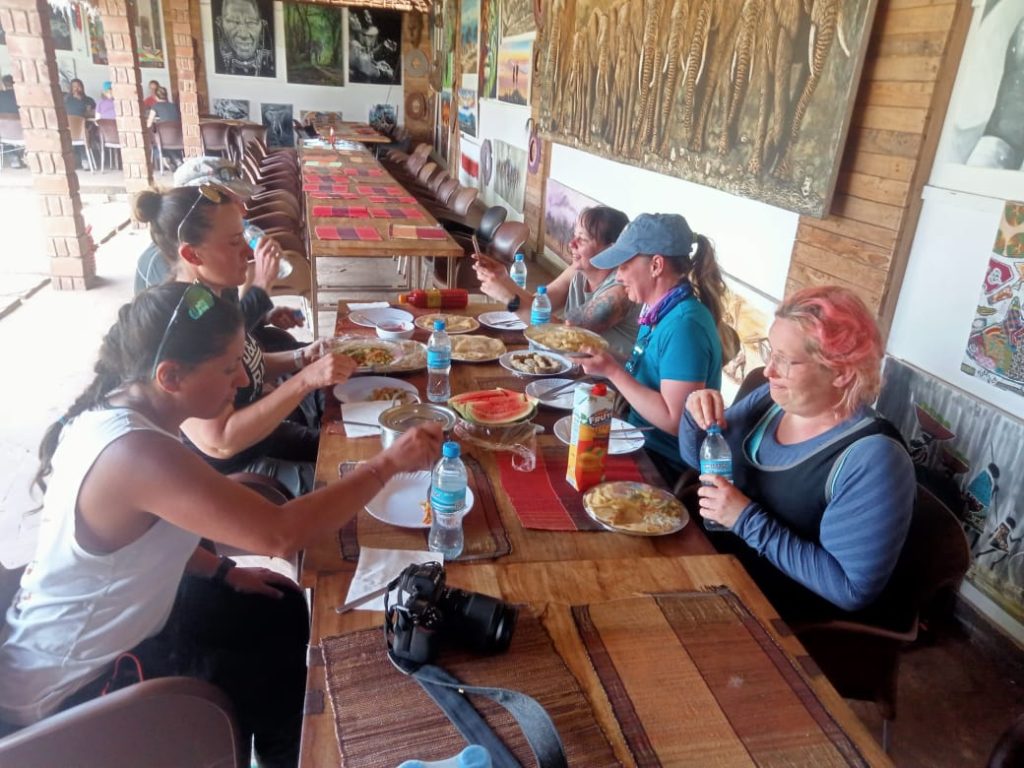
Many of our guests climb first and then celebrate on safari in Tarangire, the Serengeti or the Ngorongoro Crater. Our combined package is a smooth way to do both.
All prices are per person “from” prices and vary with group size, season and the services you choose. Contact us for an exact quote.
Most climbers spend between 5 and 9 days on the mountain. The rule is simple: the more days you take, the more time your body has to adjust to the thin air, and the higher your chances of success. If you can spare the time, choose 7 days or longer. Shorter itineraries are cheaper, but they ask more from your body and leave less room for a bad day.
A guided Kilimanjaro climb typically costs between $1,500 and $5,000 per person, depending on the route, the number of days, the group size and the level of service. Our packages start from $1,220.
Be careful with very cheap offers. Park fees, camping fees, rescue fees and government taxes are a fixed cost for every operator. If a price looks far lower than the rest, something is usually being cut, whether that is crew wages, food quality, equipment or safety checks.
A good Kilimanjaro price should include:
Tips for your crew are normally paid separately. We will give you clear tipping guidelines before you arrive so there are no surprises.
Kilimanjaro can be climbed all year round, but the two main dry seasons offer the clearest skies and best trail conditions:
The long rains arrive around April and May, and the short rains in November. Climbing in these months is possible, especially on the Rongai route, but expect wetter trails and more clouds. Talk to us about your dates and we will recommend the route that suits the season.
A Kilimanjaro climb takes you through five ecological zones in a single week: farmland, tropical rainforest, heath and moorland, alpine desert and finally the frozen arctic summit. Each day has its own character.
On the way up we follow the golden rule of altitude: pole pole, Swahili for “slowly, slowly”. A slow pace saves energy and gives your body time to adapt. Summit night begins around midnight, when you climb in the dark and cold towards the crater rim. You reach Stella Point and then Uhuru Peak just as the sun rises over the African plains, which is why so many of our guests describe it as the most emotional moment of their lives.
Safety is the reason to choose a professional Kilimanjaro trekking company. Our guides are trained to watch for the early signs of altitude sickness, such as headaches, nausea, loss of appetite and unusual fatigue, and to act early. Each day includes a health check, and the pace is set to the slowest member of the group rather than the fastest.
We also advise you to:
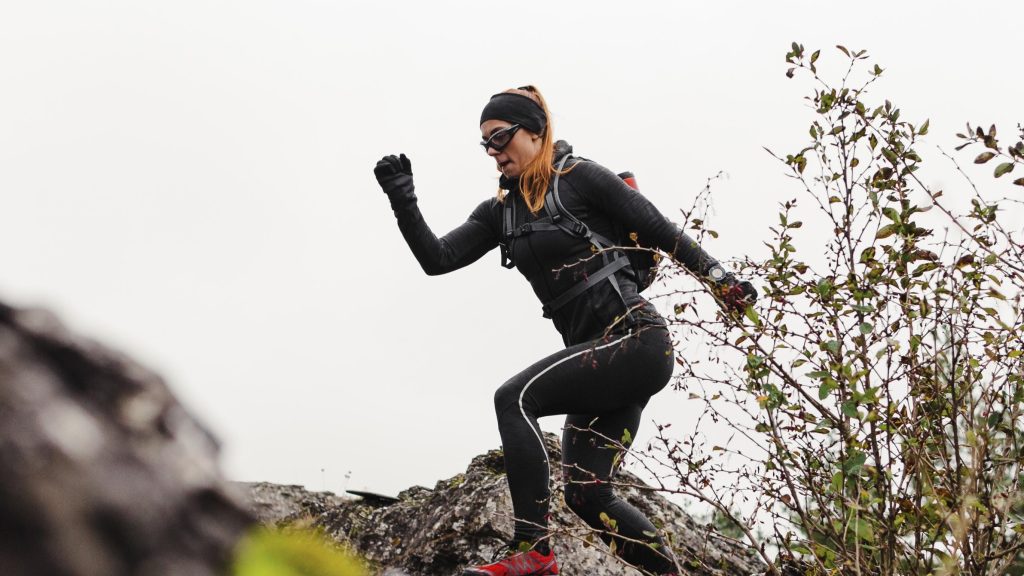
You do not have to be an athlete, but you should arrive in good condition. For 8 to 12 weeks before your trip:
Your packing list should be simple and well tested:
If you do not want to carry all your own gear, ask us about rental options for the heavier items.
We are not the flashiest or most expensive Kilimanjaro trekking company, and we don’t pretend to be. We are a dependable local team that treats every climber as a guest and every summit as a shared success.
Mount Kilimanjaro is in northern Tanzania, East Africa, close to the border with Kenya. At 5,895 metres it is the highest mountain in Africa and the tallest free-standing mountain in the world.
No. Kilimanjaro is a trek, not a technical climb. The challenge comes from altitude and long days of walking.
No. Tanzanian regulations require all climbers to be accompanied by licensed guides and porters, and to go through a registered operator.
Yes. A climbing permit is required, and it is included in our guided packages.
Most first-time climbers do best on the 7-day Machame or the 7 to 8-day Lemosho, because the extra days improve acclimatisation. Marangu is also popular with people who prefer huts.
January to March and June to October are the driest and most reliable months.
Yes. Many guests add a 2 to 4-day safari to Tarangire, the Serengeti or Ngorongoro after their climb.
If you are ready to stand on the roof of Africa, we would love to help you plan it. Tell us your dates, group size and fitness level, and we will recommend the route and itinerary that gives you the best chance of success.
Request a free proposal: www.lekenadventure.com/contact-us
WhatsApp: +255 753 775849
Email: info@lekenadventure.com
Office: Kaloleni, P.O. Box 10938, Arusha 23103, Tanzania
See all our Kilimanjaro trekking tours or learn more about Mount Kilimanjaro National Park.