
Choosing the best route Kilimanjaro Machame is a great decision. It is a path full of beauty and challenge. It also offers a very good chance of success. This guide is for you if you dream of standing on top of Africa. We will walk you through everything, step by step. We want you to feel ready, calm, and excited. This is your story to write. So let’s begin.
You might hear people call this the “Whiskey Route.” This name is not about drinking. It is about strength and character. On Kilimanjaro, there is an easier path called the “Coca-Cola Route.” That one is like a soft drink. The Machame route is harder and more rewarding, like a strong whiskey. It asks more from you, but it gives more back.
The nickname tells you this is a serious adventure. It is for people who want a deep experience. The trail is longer, and the scenery changes every day. You walk through thick forests and open meadows. You also cross rocky lands. It feels like a true journey. This name reminds you of something important. The best things in life often require a bit more effort.
Let’s imagine your walk. The Machame route is about 61 kilometers long. Most people take six or seven days to finish it. This longer time is your friend. It helps your body adjust to the high air.
On the first day, you start at the Machame Gate. You walk up through a beautiful, green rainforest. It is cool and shaded, and you might see monkeys. The second day, you leave the forest. You then enter a land of shrubs and smaller plants. The views start to open up.
On day three, you climb higher, but then you come down a bit to sleep. This “climb high, sleep low” trick is key for your body. Day four brings you to a high, rocky place called the Barranco Wall. You scramble up it. It is fun and not too hard.
Day five is quieter. You walk to the final camp before the summit. Day six is summit day. You wake very early and walk to the top in the cold dark. Then you come all the way down to a lower camp. On day seven, you walk out through the Mweka Gate. Every day has its own feeling. So every day brings you closer to your goal.
The Machame route has one of the highest success rates. But why is that? It is all about time and smart design. This route is longer than the shortest paths. So it gives your body more days to get used to the height.
The air gets thinner as you go up. Your body needs to learn how to work with less oxygen. The Machame route’s plan includes extra days for this learning. Also, it follows the smart rule of “climb high, sleep low.” You walk up to a higher point during the day. Then you come back down to sleep at a lower camp.
This exercise teaches your body how to handle height. It is like practice. By summit day, your body is more prepared. More preparation means a better chance of success. This is why many people choose this path. It truly is a smart choice for the best route Kilimanjaro Machame.
There are seven main routes up Kilimanjaro. Knowing a little about them helps you see why Machame is a favorite. The Marangu route is the shortest and easiest. It uses huts for sleeping. But its success rate is lower because it is too fast.
The Lemosho route is very beautiful and also has a high success rate. However, it is a bit longer at the start. The Rongai route is quiet and comes from the north. The Northern Circuit is the longest and most remote. It also has the highest success rate.
The Umbwe route is the steepest and hardest. The Shira route starts very high. Among all these, Machame sits in a sweet spot. It is not the longest, but it is long enough. It is not the easiest, but not the hardest either.
It is very scenic. It is also popular, so you feel part of a community on the trail. This balance works well for many first-time climbers. So it offers a great mix of challenge and support.
Yes, Machame is a very good choice for beginners. But you must understand what “beginner” means here. You do not need to be an expert climber. There is no need for ropes or special climbing skills. The path is a walk, a trek.
However, you need to be ready for a long, uphill walk over many days. If you are new to high mountains, this route gives you the best tools. Its extra days help you adjust, and its varied scenery keeps your spirit high.
The challenge is real, but it is a fair challenge. As a beginner, your job is to get your body ready before you come. Walk a lot. Get your legs and heart strong. Then, on the mountain, trust the route’s design.
Listen to your guides and go slow. The Machame route will guide you up, step by step. Many people’s first mountain climb is on this path, and they reach the top.
The Machame route is popular. This means you will see other people on the trail. Some paths are very quiet, so you might walk alone for hours. On Machame, you will feel a sense of shared purpose.
You will pass other groups in the morning. You will also camp near others at night. This is not a bad thing. For many, it adds energy. You see others working toward the same dream.
You can exchange smiles and words of encouragement. It feels safe. If you want a very private, wilderness experience, you might look at the Northern Circuit or Rongai. But if you enjoy a friendly atmosphere, the community feeling here is nice.
The crowds are not like a city crowd. They are small groups spread out over a big mountain. So you still have plenty of time for your own thoughts and the sound of your own footsteps.

Safety is the most important thing on Kilimanjaro. The Machame route helps with safety through its design. But you must also follow the mountain’s rules. Your guide team will check your health every day.
They will measure your oxygen levels and ask how you feel. You must tell them everything. Do not hide any headache or nausea. These checks are for your protection.
The rule “climb high, sleep low” is a safety rule. It prepares your body. Another rule is “pole pole.” This means “slowly slowly” in Swahili. You must walk slowly, even if you feel strong.
Walking slowly lets your heart and lungs keep up. Drinking lots of water is another key rule. Also, eat well even when you don’t feel hungry. Dress warmly and rest often. The Machame route is safe when you listen to these rules and to your guides.
Getting your body ready is your work before you arrive. The Machame route is a long walk. So you need strong legs, a strong heart, and strong lungs. Start months before your trip. Walk every day.
Walk on hills if you can. Carry a small backpack on your walks to feel the weight. Do not run if you are not a runner. Long, steady walks are better. Try to walk for three or four hours at a time. This builds the stamina you need.
Also, practice walking on different grounds. Try soil, rocks, and a bit of mud. Your feet need to be ready. Strength is not about being fast. It is about being able to keep going, hour after hour and day after day.
When you are on the mountain, your mind will be tested too. Being physically ready gives your mind peace. Then you can focus on the beauty around you, and not on your pain.
Your gear is your shield against the cold and wet. For the Machame route, you need good layers. Start with a strong, comfortable backpack. You need a very warm sleeping bag for the cold nights. You also need a sleeping mat.
For clothes, think layers. First, a base layer that keeps you dry. Then, a middle layer that keeps you warm, like a fleece. Finally, a top layer that blocks wind and rain. You need two types of pants—light for walking and heavy for camping.
You need strong, broken-in hiking boots. Also, pack many socks. Don’t forget gloves, a warm hat, and a sun hat. A headlamp is key for the dark summit walk. Bring water bottles and a small daypack for your daily things.
Your tour operator will give you a list. Follow it carefully. Do not forget small things like sunscreen, lip balm, and wet wipes. Every item has a job. Good gear makes your journey comfortable and safe.

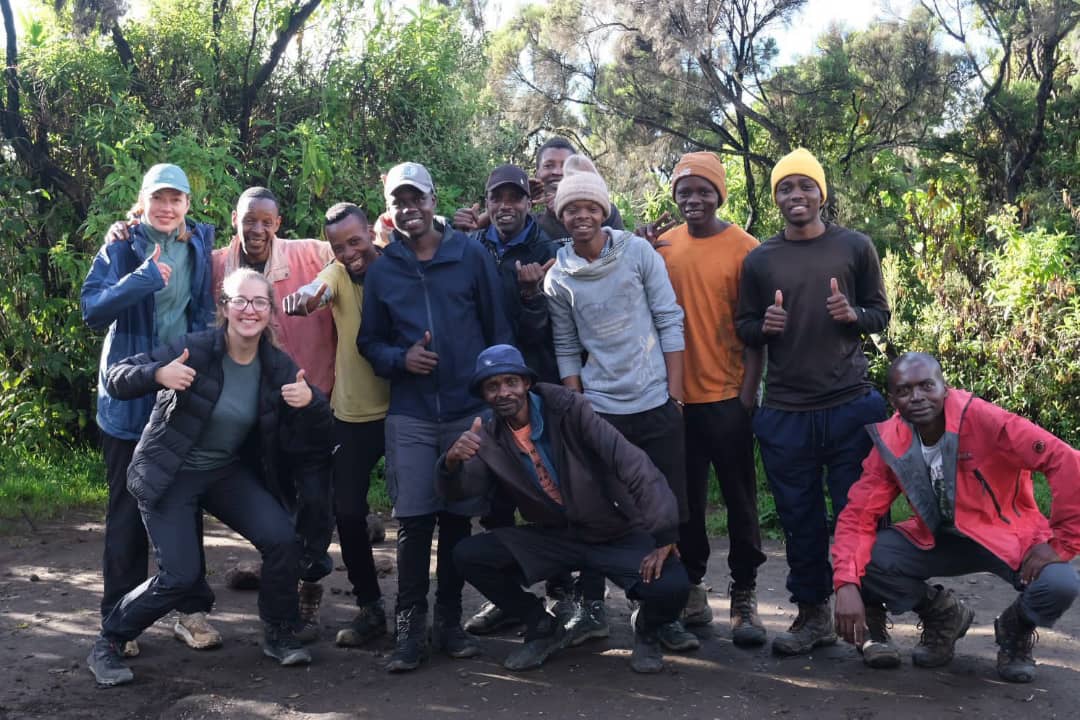
You do not climb Kilimanjaro alone. You climb with a team. Your team is your guides, your porters, and the company that organizes everything. Choosing a good operator is the first big step.
Look for a company that cares about safety. They should also care about fair treatment of their staff and about you. Good guides are trained in mountain safety and first aid. They know the path like their own home, and they will watch you every day.
Porters are the strong people who carry the camp gear and the food. Sometimes they carry your bag too. They make your walk possible. A good operator pays them well and gives them good food. They also carry their respect.
When you pick your operator, ask about how they treat their team. A happy, well-treated team will give you a happy, safe climb. They are your partners on this adventure. So choosing the right team is crucial for your success on the best route Kilimanjaro Machame.
No, it is not the hardest. The Umbwe route is the steepest and hardest. Machame is challenging but fair. It is often called a “moderate” challenge. It requires good fitness and willpower, but not expert skills.
Yes, a 6-day Machame trek is common. But a 7-day trek gives you one extra day for your body to adjust. The 7-day plan has a higher success rate. So if you have the time, choose 7 days.
Yes. The Machame route uses tent camps. You will sleep in a good tent provided by your operator. The tents are warm and set up by your porters at each camp.
The Barranco Wall is a rock scramble. It is not a cliff. You use your hands and feet to climb up a rocky path. It is fun and exciting, not scary. Your guides will help you every step.
The best times are the dry seasons. These are January to mid-March, and June to October. These months have less rain and clearer skies. So the mountain is more pleasant to walk on.
It is very cold. Temperatures can be below freezing. Sometimes it is -10 degrees Celsius or colder. You must have very warm gear. This includes a heavy jacket, thick gloves, a warm hat, and good layers.
No. Porters will carry your main bag from camp to camp. It will have your camp gear. You only carry a small daypack. This holds your water, snacks, and daily needs.
Your operator’s cook will prepare meals. You will get breakfast, lunch, and dinner. Food is usually hearty. You might have porridge, soups, pasta, rice, vegetables, meats, and fruits. They make sure you have energy.
Altitude sickness can happen on any high mountain. Because Machame has more days for adjustment, the risk is lower. But you must still go slow, drink water, and listen to your body.
Yes, many people over 50 climb Machame successfully. Age is not the main factor. Fitness and health are. If you are fit and your doctor says you are healthy, you can do it.