
The dream to climb Kilimanjaro Lemosho route is a beautiful one. It is full of incredible scenery and a deep personal challenge. This guide walks you through it, step by simple step. We focus on safety, preparation, and what it truly feels like. You will walk through five worlds in one week. The goal is not just to reach the top. You should also enjoy the journey there and back. Feel strong, informed, and ready for the adventure of a lifetime.

Think of the different paths up Kilimanjaro like different roads. They all lead to the same amazing destination. Some roads are steep and direct. Others are longer but more gentle. The Lemosho route is famously the longer, gentler road. It gives your body the precious gift of time. This time allows you to get used to the high altitude. This is the single most important factor for success and safety. The route starts on the remote western side of the mountain. So, it is less crowded at the beginning. You get quiet, beautiful forests to yourself. The walk is gradual. It spreads the climb over seven or eight days. This “slow and steady” plan boosts success rates. You are not racing. You are adapting. For your first time, choosing a route that prioritizes acclimatize is wise. It is also the kindest decision you can make.
Many fit hikers are surprised when they struggle on Kilimanjaro. The mountain does not test your strength like a sprint. Instead, it tests your patience and your body’s chemistry. The air gets thinner with every step. At the summit, there is only about half the oxygen available compared to sea level. Your body needs days to adjust to this. Rushing causes altitude sickness. Symptoms include headaches, nausea, and extreme fatigue. This is why short, five-day trips have much lower success rates. The Lemosho route typically takes seven or eight days. It uses a proven method: “walk high, sleep low.” You hike to a higher elevation during the day. Then you descend to a lower one to sleep. This gentle push and pull trains your body. It asks your body to get used to less oxygen slowly and safely. The challenge is not technical climbing. It is intelligent pacing.
Let’s walk through a classic eight-day Lemosho trek. Day 1 begins in a lush, green rainforest. You might hear monkeys and feel the moist air. It’s a gentle introduction. Day 2 and 3 bring you above the trees into the moorland. This landscape has giant heathers and strange plants. The views open up. You also start to feel the altitude. Day 4 is a key acclimatization day. You take a hike up to a high point. Then you come back down to sleep. This lets your body adapt. Days 5 and 6 move into the alpine desert. It feels like another planet. It is rocky, cold, and starkly beautiful. You approach base camp. Finally, Day 7 is summit night. You start walking around midnight. Headlamps light the path. You aim to reach the summit at sunrise. It is a long, cold, and unforgettable push. Day 8 is your celebration walk. You go back down through the landscapes you’ve conquered.

You do not need to be an athlete. But you do need to be a durable walker. The best training is simply walking. Aim for weekend hikes of 4-6 hours with a small backpack. Find hills or stairs. Walking uphill is the best preparation. The goal is to get your legs, lungs, and mind comfortable with moving for long periods. Think endurance, not speed. A typical day on the mountain involves 5-7 hours of walking. You will walk at a very slow, steady pace. Also, spend time in your hiking boots. Blisters from new boots can be a major problem. Wear them everywhere before your trip. This breaks them in perfectly. Finally, general cardio fitness helps. Cycling, swimming, or jogging a few times a week builds heart and lung strength. That strength supports you on those high-altitude slopes.
The right gear is your best friend on the mountain. Temperatures swing from warm in the rainforest to far below freezing on summit night. The key is layers. You will need a moisture-wicking base layer. Then, add a warm insulating layer like a fleece or down jacket. Finally, use a waterproof and windproof outer shell. Do not forget a very warm hat. Also, pack thermal gloves and a good sleeping bag. The bag should be rated for extreme cold. A comfortable, well-fitted backpack is crucial. Your gear list will also include a headlamp for summit night. Add high-quality sunglasses and a water bottle or hydration system. Trekking poles are important too. They are not just for experts. They save your knees on the downhill. They also provide stability on rocky paths. Preparing your gear carefully builds confidence. It is a practical step.

You never climb Kilimanjaro alone. Your success and safety depend on a team. This team includes experienced local guides and strong porters. This is non-negotiable. It is also a beautiful part of the experience. Guides know the mountain’s moods. They monitor your health daily. They also set the life-saving “pole pole” pace. This means slowly, slowly. Porters carry the camp, your main bag, and the supplies. Treating this team with respect and fairness is critical. So, choose a company that follows ethical practices. They should pay fair wages. They should limit the weight porters carry. Also, they must provide proper equipment, food, and shelter. A happy, healthy team is a safe and motivated team. Their expertise turns a daunting challenge into a manageable journey. You will feel supported.
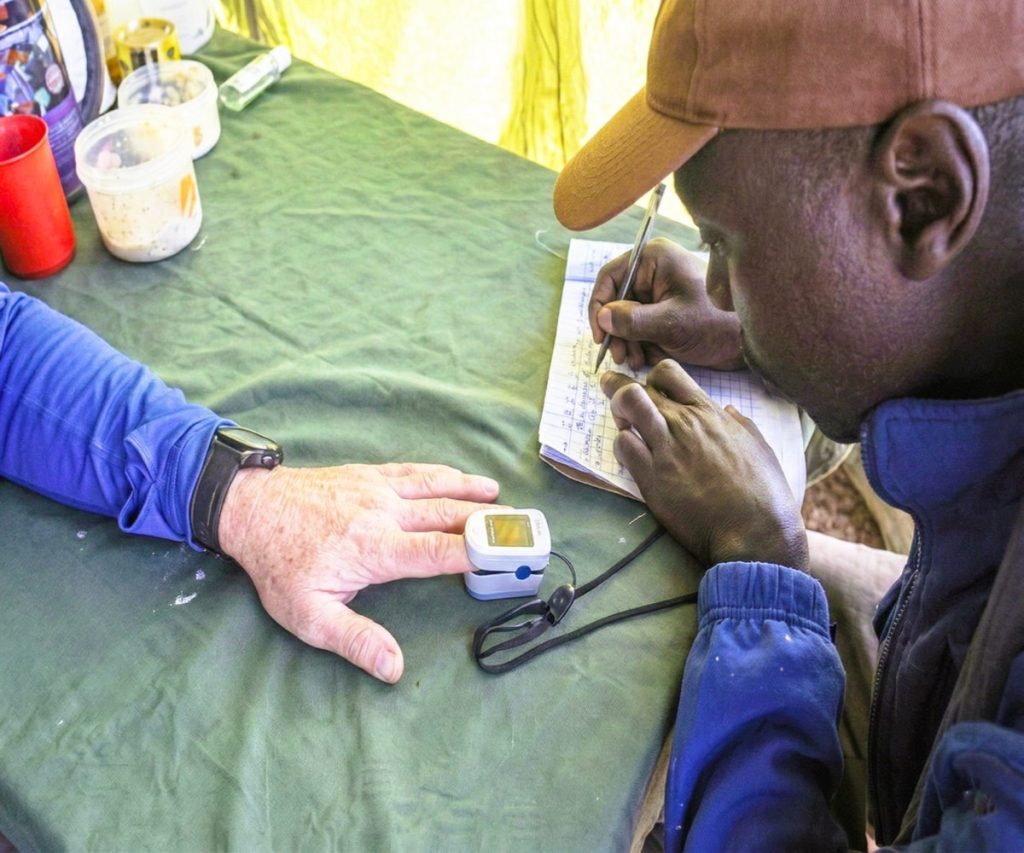
Responsible operators have clear safety systems. Each morning and evening, your guide will check your oxygen levels and heart rate. They use a small device called a pulse oximeter. They will ask how you are feeling. Be honest. This is how they catch early signs of altitude sickness. The team will carry a first-aid kit. They also carry a portable oxygen cylinder for emergencies. The most important safety protocol, however, is the route plan itself. The extra days on the Lemosho route are your primary safety net. Before you go, visit your doctor for a check-up. Discuss your high-altitude plans with them. Make sure you have good travel insurance. It should cover emergency evacuation from altitude. Knowing these systems are in place lets you focus. You can just enjoy the walk.
Kilimanjaro has two main dry seasons. These are the best times to climb Kilimanjaro Lemosho route. They are from late December through early March, and from July through September. During these months, you have the highest chance of clear skies. You will also see less rain and more stable trails. The December-March period is often a bit warmer. The July-September period can be cooler. It is also very popular. There are also “shoulder seasons” just before and after the rains. Examples are June and October. These can be good. But they come with a higher risk of rain or snow. The worst times are during the long rains. That is April and May. Also avoid the short rains in November. Then trails can be muddy and slippery. Views are often covered by clouds. Picking a dry season window improves your overall experience greatly.

Your adventure starts in the city of Arusha. This is the gateway to Kilimanjaro. Most climbers fly here. Then they spend a night. They meet their guide for a final briefing. They also check their rented gear. The next morning, a vehicle drives you to the Lemosho gate. This journey takes a few hours. This is where the walk begins. After your climb, you return to Arusha. You can enjoy a celebration meal. You will receive a certificate. Then you get a long, well-earned rest. When booking your climb, understand what is included. A good package covers transport from and to Arusha. It includes park fees. Also, it covers all meals on the mountain. Tent accommodation and the guide/porter team are included too. You will need to budget for flights and visas. Also budget for tips for your crew and personal expenses in town.
It helps to know why Lemosho is often recommended over others. The Marangu route is sometimes called the “Coca-Cola” route. It is shorter, often 5-6 days. It uses huts instead of tents. Its shorter timeline means less time to acclimatize. This leads to lower success rates. The Machame route is the “Whiskey” route. It is very scenic but steeper. It can also be more crowded. It’s often done in 6-7 days. The Rongai route approaches from the north. It is drier but has a less varied landscape. Lemosho combines the best elements. It has a long, gentle acclimatization profile. Also, it offers incredible scenery from start to finish. It provides relative quietness at the start. When comparing, always prioritize the number of days on the mountain. More days almost always means a safer climb. It also means a more enjoyable and successful climb.