
You’ve decided to climb Kilimanjaro. Now you’re looking at the options, and that price tag can be a shock. You see quotes for private climbs and wonder if it’s the only way.
There’s a better path: Group Kilimanjaro Trekking. It’s how most everyday travelers reach the summit, sharing the journey and the cost. This isn’t a compromise; for many, it’s the smarter, richer experience.
Let’s talk about what that really looks like—the real costs, the camaraderie, the logistics you don’t see in the glossy brochures. I run these trips on the ground, and here’s what you need to know.
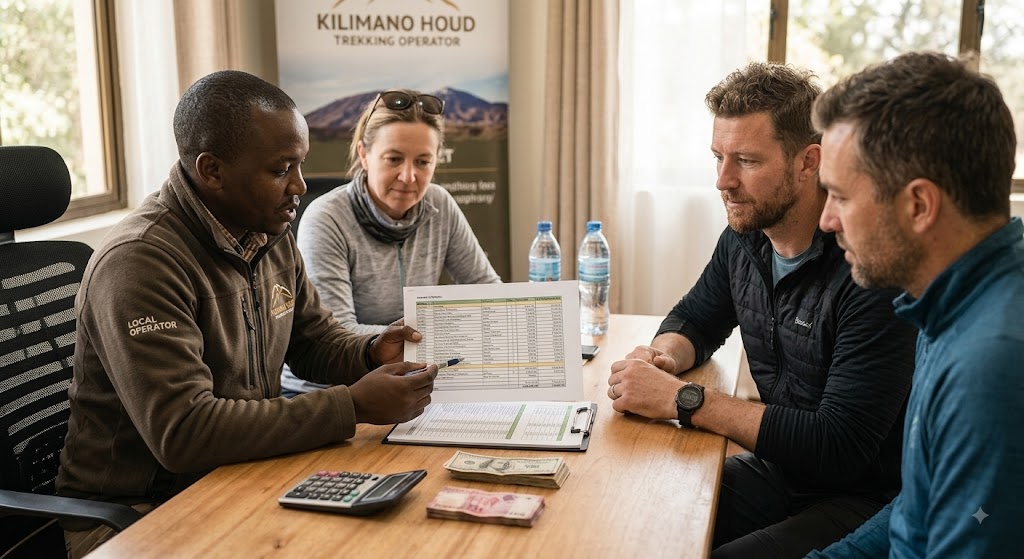
Private climbs are often quoted from $4,500 per person. Group climbs typically start between $2,500 and $3,500. That’s a significant difference.
This lower price spreads the fixed costs—permits, guide salaries, mess tent, portable toilet rentals—across the group. You get the same essential service: expert guides, porters, park fees, meals, and camping gear.
The key is understanding what’s included. A reputable operator’s price covers park fees (over $1,100 for 7 days), meals, water, guide and porter salaries, tents, and airport transfers. What’s not? Your flights, travel insurance, tips for the crew (budget $250-$350), and personal gear rental.
Choosing a longer route, like 8 days instead of 6, adds cost for extra park fees and food. But it dramatically increases your acclimatization and summit chance. That extra investment is often worth every penny.
Group departures have set dates, usually aligned with the best dry seasons. You book a spot, and the logistics are handled. It’s straightforward, cost-effective, and built for success.
You might picture a massive, impersonal crowd. That’s not the reality. Scheduled group climbs typically have 4 to 12 climbers, forming a tight-knit team.
You walk at your own pace within the group’s “pole pole” (slowly, slowly) rhythm. The head guide sets the pace at the front, with an assistant guide at the back ensuring no one is left behind. The group dynamic provides built-in motivation.
Your personal gear is carried by porters, who move ahead to set up camp. You arrive to find your tent pitched and the mess tent ready for tea and snacks. The shared evenings, swapping stories over dinner, become a core part of the memory.
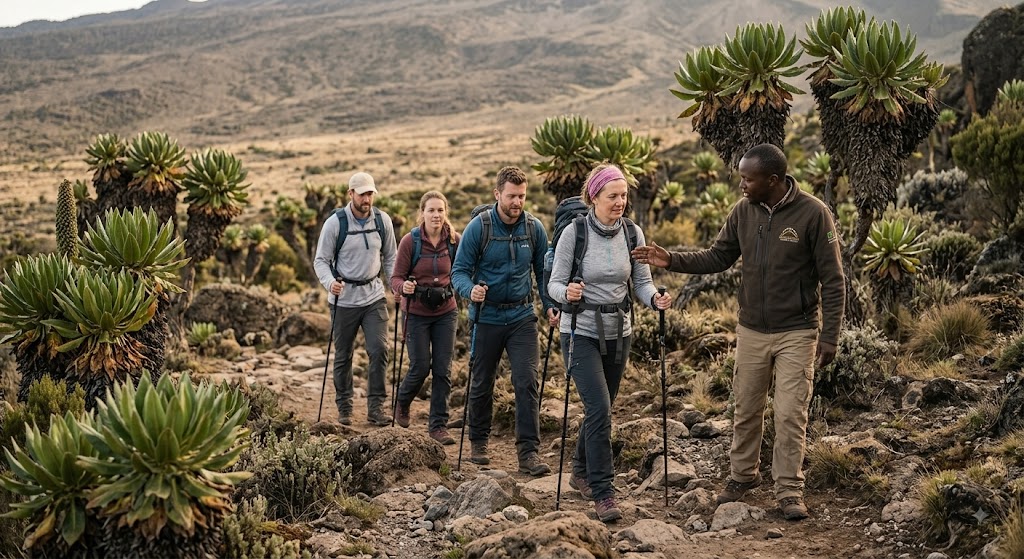
Operators match specific routes to their group departures. The most common for groups are the 7-day Machame and 8-day Lemosho routes.
Machame is popular for good reason: it’s scenic and offers solid acclimatization over 7 days. Lemosho, starting from the remote western side, is longer (8 days), more gradual, and considered one of the best for summit success.
The critical factor isn’t just scenery; it’s the acclimatization profile. Routes with more days and a “climb high, sleep low” pattern give your body time to adjust. This is where group itineraries are carefully designed—they’re not just about walking, they’re about smart, safe climbing.
Group climbs attract solo travelers, couples, and friends. Most are first-time climbers, not expert mountaineers. You’ll be with people from all over the world, united by a common goal.
This format is perfect if you’re traveling alone but don’t want the cost of a private trek. It’s also great for couples or friends who want a social experience beyond their own circle. The shared struggle and triumph forge quick, lasting bonds.
If you need absolute flexibility in your daily schedule or have very specific personal requirements, a private climb may be better. But for most, the group energy is a benefit, not a drawback.
Summit success rates vary widely by operator and route duration. Some reputable companies publish average group success rates of 95%+ on their longer routes. This high figure comes from experience, good acclimatization itineraries, and vigilant guides.
Being in a group enhances safety. Guides can monitor multiple climbers, comparing symptoms of altitude sickness. If one person needs to descend, the assistant guide can accompany them while the main group continues. You’re never alone.
The crew’s experience is paramount. Look for operators employing certified Wilderness First Responder guides and using pulse oximeters for daily health checks. This is non-negotiable, whether you’re in a group or private.
Tell us what you have in mind and we’ll build you a free, no-pressure itinerary with honest pricing — planned by a local team that runs these trips every day.
The best dry seasons for climbing are January to mid-March and June to October. These windows offer the clearest skies and driest trails. Group departures are most frequent during these periods.
The short dry season (January-March) can be quieter. The long dry season (June-October) is the most popular and busiest on the mountain. Group climbs during this time are vibrant and full of energy.
What about the rainy seasons? Some operators offer discounted group climbs in April-May or November. It’s a trade-off: lower prices and fewer crowds against the likelihood of rain, mud, and cloud-covered views. It’s a real consideration for the budget-conscious.
Beyond logistics, you worry about the human side. Will I hold the group back? What if I don’t get along with others? These fears are normal.
Guides are masters at managing different paces. The culture on the mountain is one of mutual support. You’ll be surprised how quickly strangers become teammates, cheering each other on.
The shared purpose overshadows minor differences. You’re all there for the same incredible reason. That common ground is powerful.
Days start early with tea brought to your tent. After breakfast, the group sets out together. You walk for 4-7 hours, with a long lunch break. The afternoon walk is shorter.
You arrive at camp, rest, have dinner, and discuss the next day’s plan. It’s a simple, healthy rhythm focused on the single goal of acclimatizing and moving upward safely.
Beyond cost, the core difference is control. A private climb lets you choose your exact dates, set your own pace, and customize the route. It’s your personal expedition.
A group climb offers a structured, socially rich experience at a known, lower cost. You trade some flexibility for camaraderie and value. For many climbers, especially first-timers, this structure is a relief, not a limitation.
Think about your priorities. Is absolute privacy and schedule control worth the significant extra cost? Or would you rather share the journey and put those savings towards a longer safari or extra nights in Zanzibar?
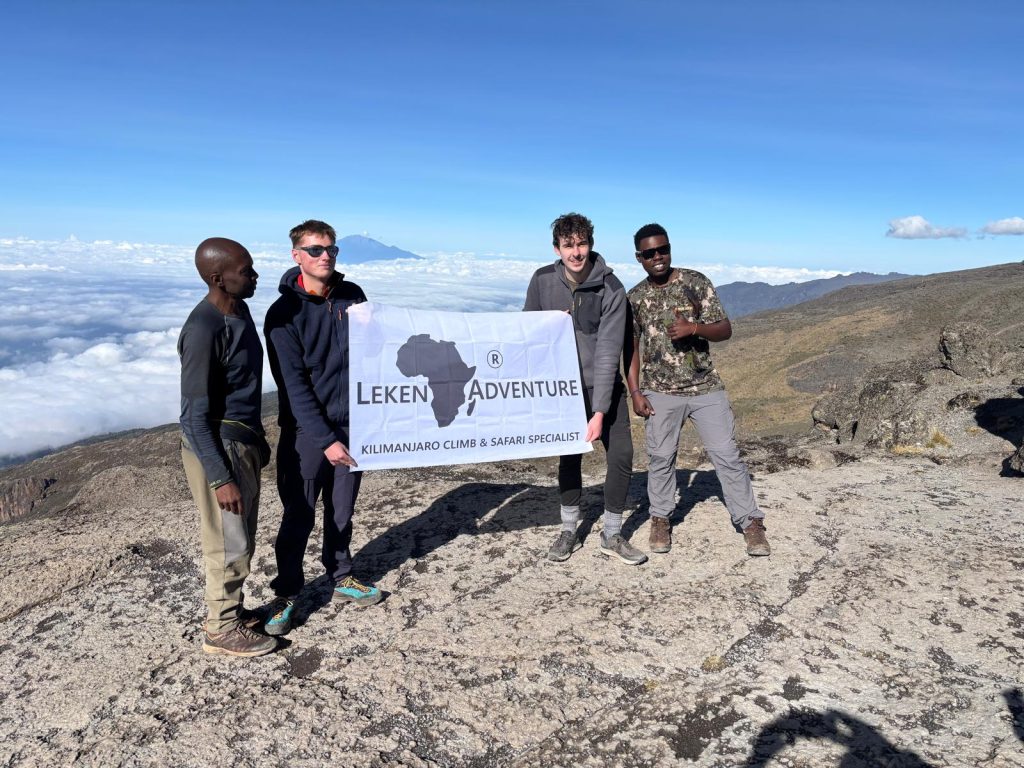
Not all group climbs are equal. The price difference between operators often reflects crew treatment, safety investment, and gear quality.
Look for companies that transparently discuss porter welfare—fair wages, proper gear, weight limits. This is an ethical imperative and a sign of overall operational quality.
Ask direct questions: What is your guide-to-client ratio? What medical training do your guides have? What is your summit success rate on the route you’re offering me? Their answers will tell you everything.
Physical preparation is the same for group or private climbs. You need good cardiovascular fitness—able to hike for 6-7 hours with a daypack. Incorporate hill walking and stairs into your training.
Packing is critical. Operators provide a gear list. Key items are a quality sleeping bag rated to -10°C, layered clothing for warm days and freezing nights, and broken-in, waterproof hiking boots. Many items can be rented in Moshi, but your boots should be yours.
Mentally, prepare for a journey, not a race. Embrace the slow pace. Be open to the experience and the people you’ll meet. That mindset is your most important piece of gear.
“`