
Deciding if the Lemosho route is best for Kilimanjaro is a key choice for your adventure. This path offers a beautiful and gradual journey to the roof of Africa. It is known for quiet trails and stunning views. It also offers an excellent chance of success. This guide will help you understand what makes Lemosho special. We will talk about the walk itself and the practical steps. We will also discuss how to pick a team that cares for your safety. They should care for the local porters too. Our goal is to give you clear and calm information. Then you can feel confident and ready.
The Lemosho route starts on the quiet western side of Kilimanjaro. Unlike busier paths, your first days are in a lush, green rainforest. You might see monkeys in the trees. The trail is often wide and gentle. This peaceful beginning is a gift. It lets your body slowly get used to the altitude. You can do this without the crowds. The route then opens up to wide, rolling moorlands. You will see giant plants called senecios. The views are vast and open. Because it is a longer route, you have more time. You have more time to see the mountain. You also have more time for your body to adapt to the thin air. This feeling of space and calm is why many people love it. So, when you ask “is Lemosho route best for Kilimanjaro?”, consider this unique journey. It feels less like a crowded race. It feels more like a true mountain adventure.

Knowing what each day feels like helps you prepare your mind. A typical Lemosho climb takes eight or nine days. The first two days are in the rainforest. You will find soft ground and humid air. You will also hear the sound of birds. Day three and four bring you above the trees. You walk on rocky trails and grassy plains. The air gets cooler and thinner. You will walk for four to six hours each day. You must go slowly and steadily. This is called “pole pole” (pronounced po-lay po-lay). It means “slowly slowly” in Swahili. It is the secret rhythm of the mountain. The path then joins the more popular Machame route for the final climb. But those first, quiet days on Lemosho give you a strong foundation. You build fitness and acclimatization that others might not have.

Your biggest challenge will not be fitness. It will be altitude. Kilimanjaro’s summit is 19,341 feet, or 5,895 meters. At that height, the air has much less oxygen. Your body needs time to adjust. This process is called acclimatization. The Lemosho route is excellent for this because it is long. A seven, eight, or nine-day itinerary is best. It gives you extra days to “climb high, sleep low.” This means you may hike to a higher point during the day. Then you descend to a lower camp to sleep. This gentle process helps your body build red blood cells safely. Rushing up the mountain in five or six days is risky. It greatly increases your chance of altitude sickness. Choosing Lemosho with a longer schedule is wise. You listen to your body and give it the time it needs.
Your safety on the mountain depends on your team. This is the most critical part of your planning. You must ask questions. A good operator will have guides trained in Wilderness First Responder (WFR) medicine. This is advanced first aid for remote places. They should check your health twice a day. They will monitor your pulse and oxygen levels. Ask about their emergency plan. Do they carry emergency oxygen? How do they get a sick climber down the mountain quickly? A professional company uses careful monitoring. They also use clear communication. They should explain all of this to you before you book. Do not choose a company just because it is the cheapest. Your safety is worth the investment. Pick a team that is prepared for anything.
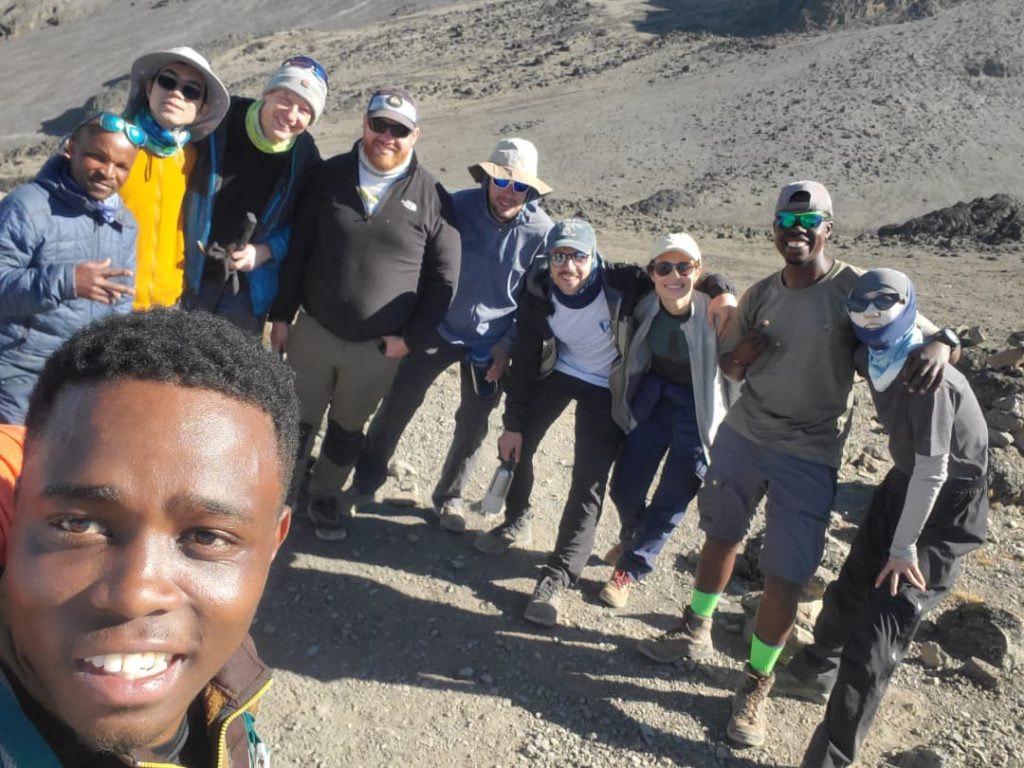
The porters are the heroes of Kilimanjaro. They carry the camp, the food, and the supplies. This makes your climb possible. A good company treats them with great respect. Look for an operator that partners with the Kilimanjaro Porters Assistance Project (KPAP). This group checks that porters get fair wages. They also check for proper gear like boots and jackets. They ensure the loads are not too heavy. Ethical operators also provide porters with their own tents. They give them good meals and safe transportation. When you choose a company that cares for its team, you support the local community. You also choose a happier and more experienced crew. Their positive spirit will lift you up on tough days. This is a non-negotiable part of a good climb.
Many of the best guiding companies are based locally. They are in towns like Moshi or Arusha. These are the experts who know the mountain best. Arusha, in particular, is a welcoming and convenient basecamp. Look for a licensed Tanzanian company. Read recent reviews from other climbers. A trustworthy operator will be transparent. They will clearly tell you what is included in the price. This covers park fees, tents, food, and porter wages. For a high-quality and ethical climb, a fair price range is typically between $2,200 and $3,000 or more. This covers the longer itinerary and quality gear. It also covers fair porter salaries and safety systems. Be wary of prices that seem too good to be true. They often mean corners are being cut.
Packing the right gear is not about having the most expensive items. It is about having the right items to stay warm, dry, and comfortable. You will need a very warm sleeping bag. It should be rated for -10°C or lower. You also need sturdy and broken-in hiking boots. A quality four-season tent is important too. Your clothing should be layered. Think moisture-wicking base layers first. Then add warm fleece or down layers. Finally, use a waterproof and windproof outer shell. Do not forget a warm hat, gloves, and sunglasses. Your operator should provide a detailed packing list. A good list will also remind you of smaller things. You need a headlamp with extra batteries. Also pack a water purification method and high-energy snacks. Being well-prepared with your personal gear makes every day more enjoyable.

You do not need to be a marathon runner to climb Kilimanjaro. You need to be stubborn and have good stamina. The best preparation is walking. Start months before your trip. Go for long walks, ideally on hills or stairs. Wear the boots and daypack you will use on the mountain. Build up to walking 4-6 hours on a weekend. This trains your legs, your feet, and your mind. It prepares you for the daily routine of the climb. Cardiovascular exercise like cycling or swimming is also helpful. The goal is to build a base of endurance. Then the daily hikes will feel manageable. This allows you to save your energy. You can focus on the challenge of the altitude. Being physically prepared brings a deep sense of confidence to the trail.
Summit night is the final test. It usually begins around midnight. You will be woken up and have a hot drink. Then you start walking in the dark with your headlamp. The air is very cold and very thin. You will move extremely slowly. Take one small step after another. This is the hardest part, both physically and mentally. The Lemosho route’s long acclimatization helps you here. Your body is as ready as it can be. You will focus on your breathing. You will focus on the circle of light from your lamp. As the sun rises, you will see incredible views. Finally, you will reach Uhuru Peak, the highest point in Africa. The feeling is impossible to describe. It is a mix of exhaustion, joy, and overwhelming pride. Every slow and quiet step on the Lemosho trail leads you to this moment. So, when considering if the Lemosho route is best for Kilimanjaro, think of this achievement.
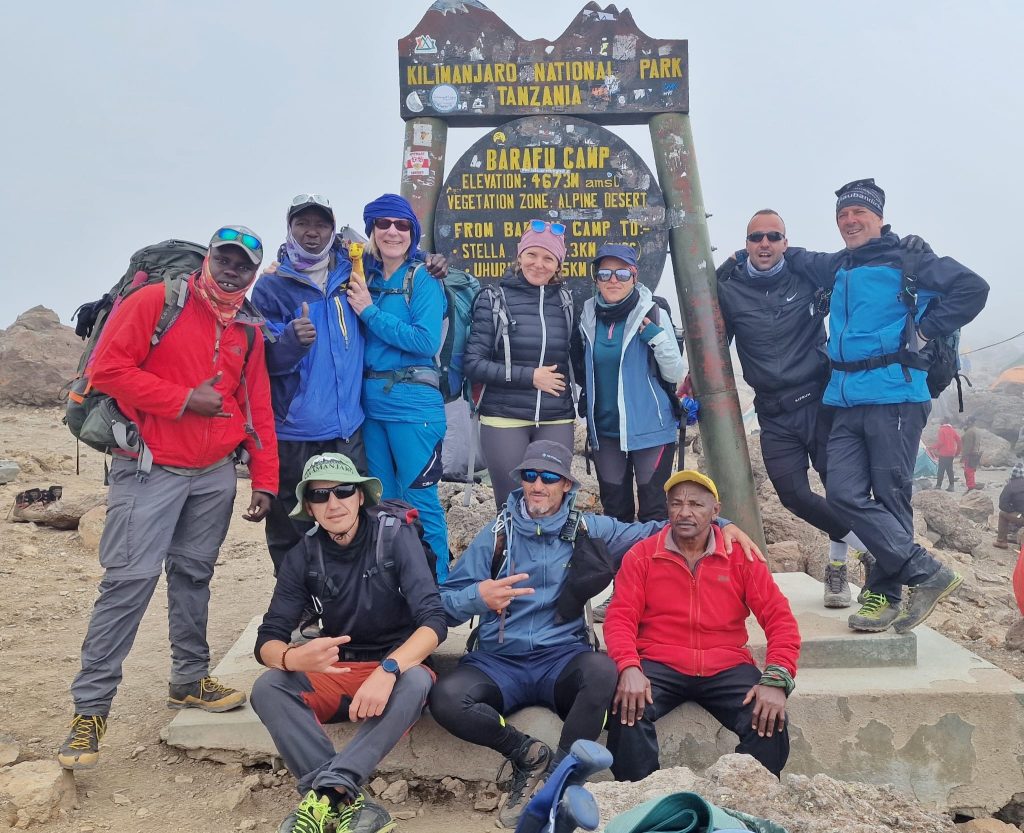
Reaching the summit is only halfway. You must then descend all the way back to the park gate. This can be tough on your knees. It also requires concentration. But there is also a feeling of lightness and celebration. You will have a final meal with your crew. You will thank your guides and porters. Then you will receive your summit certificate. When you return home, the mountain stays with you. You will have learned about your own strength and patience. You will have seen breathtaking beauty. And you will have supported a local team. They worked hard for your success. Choosing the Lemosho route with a caring operator is more than a vacation. It is a deep and respectful adventure. It changes you in the best ways.
“`