Kilimanjaro Oxygen Levels Explained

Air contains 21% oxygen everywhere – from beaches to mountaintops. But at 5,895 meters (19,341 feet), each breath delivers fewer oxygen molecules to your body.
Why? Air pressure drops as you climb, like pressing down on a sponge. At the summit, oxygen feels like 10% of sea-level effectiveness. Imagine sipping air through a tiny straw.
Oxygen levels by elevation:
- Sea level: 100% oxygen availability
- 9,000 feet (2,700m): 75%
- 15,000 feet (4,500m): 50%
- Summit (19,341ft): 49-50%
Your body needs days to adjust to these changes. Rushing up too fast? That’s when headaches or nausea strike.
Uhuru Peak: What Your Lungs Actually Feel
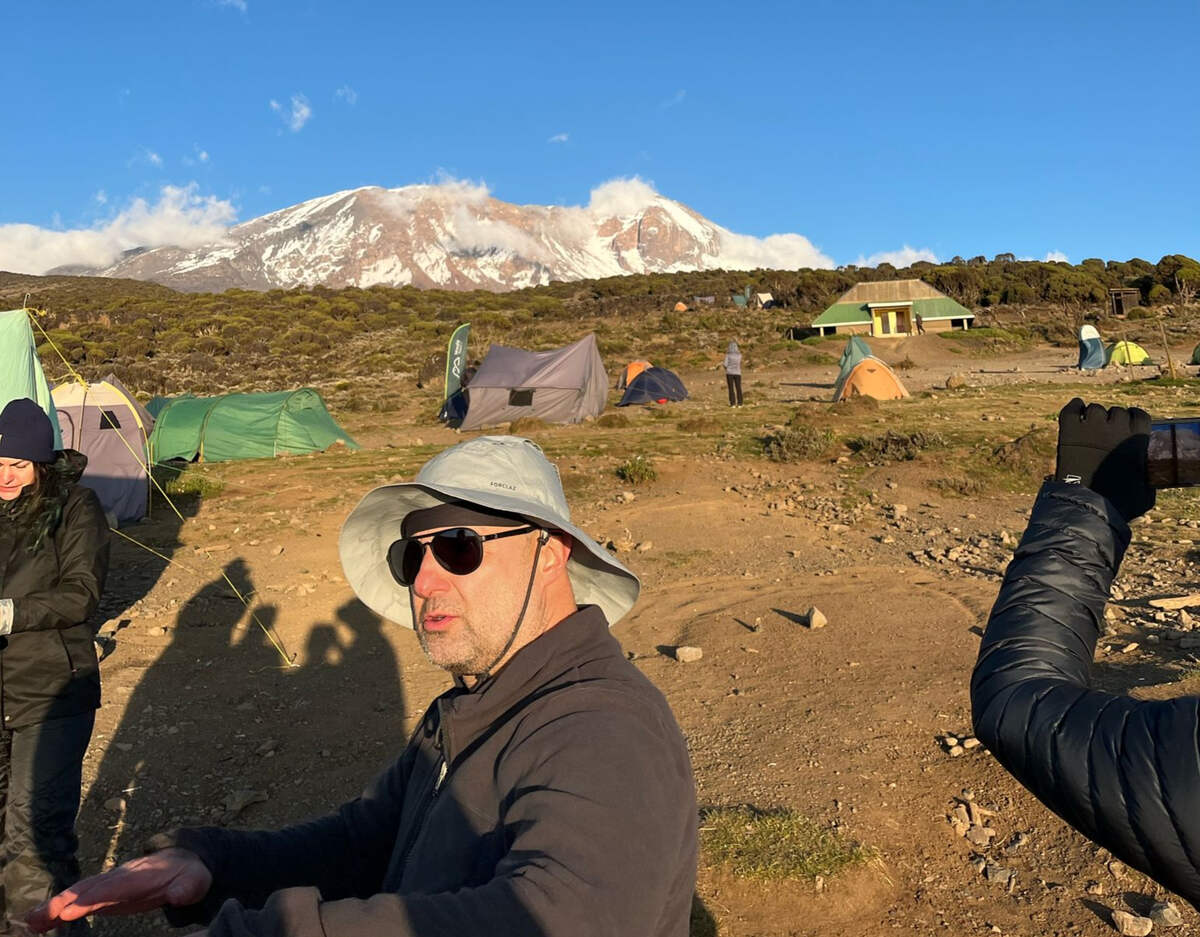
The top of Africa sits nearly 6km above sea level. Everest Base Camp (5,364m) feels similar – but Kilimanjaro goes higher. At Uhuru Peak, every breath supplies half the oxygen molecules you’d get at home. It’s like breathing through a thick scarf while jogging.
Why no bottled oxygen? Guides want you to acclimatize naturally. Using tanks masks your body’s warning signs. It’s like taking painkillers for a sprained ankle – you might walk on it until it breaks. Save emergency oxygen for true crises (guides carry it).
Altitude Sickness: Know the Signs
Most climbers experience mild symptoms – headaches, tiredness, and loss of appetite. Serious cases (HAPE/HACE) can involve coughing pink foam or confusion. Guides check your pulse oximeter daily. If readings drop below 80%, they’ll ask you to descend. It’s not failure – it’s staying safe.
Prevention tips:
- Walk slowly (“pole pole” in Swahili)
- Sleep lower than your highest daytime climb
- Drink 4-5 liters of water daily
- Avoid alcohol and sleeping pills
Smart Acclimatization: Routes That Work
Choose routes that give your body time. The 7-day Machame route has a 90% success rate. Shorter 5-day trips? Only 60%. Your best allies are gradual climbs and extra rest days. Feeling a cold? Reschedule – blocked noses and high elevations don’t mix.
Guides structure hikes using “climb high, sleep low.” You might hike to 4,500m one afternoon, then return to sleep at 3,800m. This gentle up-and-down trains your blood cells to carry oxygen better.
Myths vs. Reality
Myth: “Young fit people don’t get sick.”
Truth: Fitness helps, but altitude affects everyone differently. A marathon runner might struggle more than a casual hiker.
Myth: “Diamox pills prevent all sickness.”
Truth: Medication helps some, but can’t replace proper pacing. Always consult your doctor first.
In a nutshell…
Kilimanjaro’s air is thin but manageable. Listen to your body, choose a route with enough days, and trust experienced guides. Want stress-free planning? Our team helps craft safe, successful climbs.
FAQs
- Q: What is the oxygen level at Uhuru Peak?
- A: About 49-50% of sea-level oxygen availability due to low air pressure.
- Q: Do you need oxygen tanks?
- A: No – they’re only for emergencies. Proper acclimatization works better.
- Q: How to check if I’m adjusting well?
- A: Guides use pulse oximeters. Below 80% blood oxygen? Time to descend.
- Q: Can I climb with a cold?
- A: No – even mild congestion becomes risky above 10,000 feet.
- Q: Is Kilimanjaro’s air like Everest Base Camp?
- A: Similar, but Kilimanjaro’s summit is 500m higher than EBC.
- Q: What are HAPE and HACE?
- A: Life-threatening altitude illnesses causing fluid in lungs (HAPE) or brain swelling (HACE). Immediate descent is the treatment.
- Q: How long to acclimatize?
- A: 7-8 day routes work best. Your body makes more red blood cells over time.
- Q: Why do I feel fine one day and awful the next?
- A: Altitude affects people unpredictably. Rest days help your body catch up.
- Q: Can kids climb Kilimanjaro?
- A: Minimum age is 10, but teens handle altitude better. Consult doctors first.
- Q: What’s “pole pole”?
- A: Swahili for “slowly slowly.” Guides repeat this to keep your pace safe.