
If you dream of standing on the roof of Africa, this Kilimanjaro Lemosho route guide is your first step. The journey is long and the air gets thin. Each day will test your spirit. But with the right path and preparation, reaching the summit is a story you will tell forever. This guide does not sell you a dream. It prepares you for the real, beautiful, and challenging adventure ahead. We will walk you through every practical detail. You will learn about choosing your days and packing your socks. Our goal is simple. We want to replace your nerves with quiet confidence. We will take one clear, honest step at a time.

Choosing your route is your first big decision. For a first-time trekker, the Lemosho route stands out. Think of it as the scenic, kinder path. It starts on the quiet western side of the mountain. You drive through farmlands and forest to a gate few people see. This means your first days are peaceful. You have time and space to settle into the trek’s rhythm without crowds. More importantly, Lemosho has a high success rate. Why? It follows the “climb high, sleep low” rule beautifully. Most climbers take eight days. Those extra days are not a luxury. They are your best tool for success. They let your body slowly get used to the high altitude. You walk a little higher each day. Then you come back down to sleep at a more comfortable level. This gentle process is the secret. It helps you avoid sickness and arrive at summit night feeling strong.
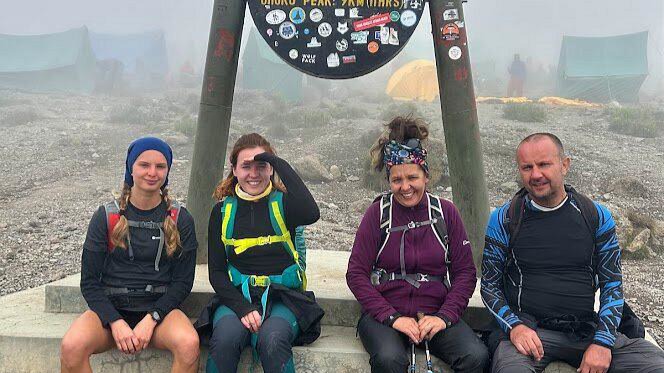
Knowing what each day brings takes away the fear of the unknown. Here is what your eight-day journey will look like. Day 1 starts at the Lemosho Gate. You walk through a dense, green rainforest. You might see monkeys in the trees. The air is thick and humid. You arrive at Mti Mkubwa (Big Tree) camp feeling excited.
Days 2 and 3 leave the forest behind. You enter the stunning Shira Plateau. The landscape opens into wide heath and moorland. You see giant groundsels. They look like plants from another planet. You cross the plateau and sleep at Shira 1 and Shira 2 camps. The views of Kibo peak start to appear.
Day 4 is a key day. You climb to Lava Tower at 4,600 meters for lunch. Then you descend to Barranco Camp. This “climb high, sleep low” day is crucial for your body.
Days 5 and 6 bring the Barranco Wall. It looks scary but is a fun scramble. You then trek through Karanga Valley to Barafu Camp. This is your base for the summit.
Day 7 is summit night. You wake at midnight. You walk slowly with just your headlamp for light. You reach Uhuru Peak at sunrise. The feeling is unbelievable. Then you descend all the way to Mweka Camp.
Day 8 is a final walk through the rainforest to the gate. There you receive your certificate. This completes your Lemosho route guide experience.
You do not need to be an Olympic athlete. But you do need to be a determined walker. The best training for Kilimanjaro is walking. Start months before. Go for long walks on weekends. Find hills or stairs and climb them. Also, carry a daypack with weight in it. Your goal is to build stamina, not speed. The mantra on the mountain is “pole pole” (slowly, slowly).
Get your legs and lungs used to working. They should work for 5 to 7 hours a day, several days in a row. Also, spend time in your hiking boots. You must break them in completely to avoid blisters. Do some strength training for your core and legs. Squats and lunges are perfect.
Remember, mental strength is just as important. Prepare your mind for uncomfortable moments. Think about cold nights and the mental battle of summit night. Visualize yourself taking one more step, and then another.
Packing the right gear is a safety issue, not just a comfort one. The mountain has many climates. You will experience warm sun, cold wind, rain, and freezing summit temperatures. You need layers. Start with a moisture-wicking base layer. This keeps sweat away from your skin. Then add insulating layers like a fleece or down jacket. Your final layer is a waterproof and windproof shell. Do not wear cotton because it gets wet and stays wet.
For your legs, bring convertible hiking pants and thermal leggings. Your feet need two types of socks. Use thin liner socks and thick wool hiking socks. A warm hat, gloves, and a neck gaiter are non-negotiable. Your sleeping bag must be rated for at least -10°C. A headlamp with extra batteries is vital for summit night.
Other essentials include high-factor sunscreen and lip balm. You also need sunglasses, trekking poles, a large water bottle, and a small personal first-aid kit. Your tour operator provides tents and meals. But every item on this personal list matters for your safety and comfort.
This is the most important chapter. Altitude sickness, or Acute Mountain Sickness (AMS), is a real risk. It happens when your body cannot get enough oxygen from the thin air. It is not a sign of weakness. It can happen to anyone.
Know the symptoms. Look for a throbbing headache, dizziness, and loss of appetite. Also watch for nausea and extreme tiredness. The golden rule for prevention is “pole pole.” Walk slowly and drink lots of water. Aim for 4-5 liters a day. Also, eat even when you are not hungry. Listen to your guides because they are experts.
The Lemosho route’s longer itinerary is your best medicine. It allows for proper acclimatization. If you feel symptoms, tell your guide immediately. Do not hide it. The cure for mild AMS is to stop climbing, rest, and drink water. For serious cases, the only cure is to go down. A good guide will monitor you closely and make the safe call. Your job is to be honest about how you feel.

You are not climbing this mountain alone. You are supported by a team of local experts. Your guide is your leader, teacher, and protector. They know every rock on the mountain. They will set the “pole pole” pace and check your health twice a day. They also share stories that bring the mountain to life.
Behind them is a full support team. This includes assistant guides, a cook, and porters. These are the true heroes. The porters carry the camp, the food, and the supplies. They wake before you and have camp ready when you arrive. The cook prepares hot, nourishing meals to keep your energy high.
Treat this team with immense respect. Learn a few words of Swahili like “asante” (thank you). Their expertise and hard work are the backbone of your journey. Your success is their success.
Timing is everything. You want clear skies, dry trails, and the best chance for a safe summit. Kilimanjaro has two main dry seasons. These are the best times to climb.
The long dry season is from late June to October. The skies are usually clear and the days are cooler. The paths are dry. This is the most popular time. The short dry season is from late December to early March. This period also offers good weather. But it can be colder at the summit.
Avoid the rainy seasons. The long rains are from April to May. The short rains are in November. During these months, trails can be muddy and slippery. Clouds often block the views. Rain can make the experience much more challenging. It is possible to climb then. But for a first-time trekker, the dry seasons are highly recommended.

A Kilimanjaro climb is a significant investment. It is crucial to understand what you are paying for. The cost covers much more than a tour. It includes high park fees for conservation. It pays for the salaries, food, and equipment for your crew. It covers all your meals, camping gear, and transport.
A safe, reputable operator using the 8-day Lemosho itinerary will have a corresponding cost. Be very cautious of prices that seem too low. A very low price often means the company is cutting corners. They might not pay fair wages or use old equipment. This is not an area to find the cheapest deal.
Your budget should also include flights and travel insurance. The insurance must cover high-altitude trekking. Also plan for tips for your crew and hotel nights before and after. Include personal gear rental if needed. Plan wisely for a safe and ethical experience.
Eating and drinking are not optional. They are part of your job. At high altitude, your body works harder and burns more calories. Yet your appetite may disappear. You must fight this.
The cook prepares hearty, carbohydrate-rich food. You will eat porridge, pasta, rice, and potatoes. There will also be soups and fresh produce when possible. Even if you are not hungry, eat at every meal. Also snack constantly on trail mix and energy bars.
Hydration is even more critical. Drink 4 to 5 liters of water every single day. Dehydration makes altitude sickness more likely. It also saps your energy. Use your water bottle constantly. Sip small amounts all day long. Your guide will remind you to drink. Add electrolyte tablets to your water. They replace salts lost through sweating. Think of food as your fuel and water as your engine oil. Without them, your body cannot perform this incredible task.
The summit is the goal, but it is only the halfway point. You must still get down safely. The descent from Uhuru Peak to Barafu Camp is steep. It is tough on your knees, so trekking poles are a lifesaver. You will be tired, but focus is key. After a short rest, you continue down to a much lower camp. Your body will feel the relief of thicker oxygen almost immediately.
The next day, you walk to the gate. You receive your certificate and say goodbye to your crew. The emotions will hit you. You will feel pride, joy, exhaustion, and even a little sadness. The journey is over.
In the days that follow, rest. Your body needs time to recover. Sore muscles are normal. You may also feel a surprising sense of emptiness after such a big goal. This is common. Start thinking about your next adventure and look back at your photos. You did it. You climbed a mountain. That strength stays with you long after you leave Tanzania.