
Thinking about Kilimanjaro trekking on the Machame route is the start of a great adventure. This guide is for you, the first-time adventurer. It walks you through every step, from your first idea to standing on the roof of Africa. We will talk about what to pack, how to get ready, and what each day feels like. We will also cover how to choose the right team to support you. This journey is as much about your mind as it is about your body. It is about preparation, patience, and learning to walk slowly. So, let’s begin with a calm heart and a clear plan.

The Machame route is often called the “Whiskey” route. People say this because it is more challenging than some others, but also more rewarding. For a first-time climber, this might sound scary. But here is the truth: that extra challenge is your friend. The route takes a little longer, usually six or seven days. This is its biggest gift to you.
More days on the mountain means more time for your body to get used to the high altitude. This process is called acclimatization. It is the most important key to reaching the top. Think of it as “walk high, sleep low.” You climb to a higher point during the day, then come back down a bit to sleep. This gentle routine teaches your body to work with less oxygen.
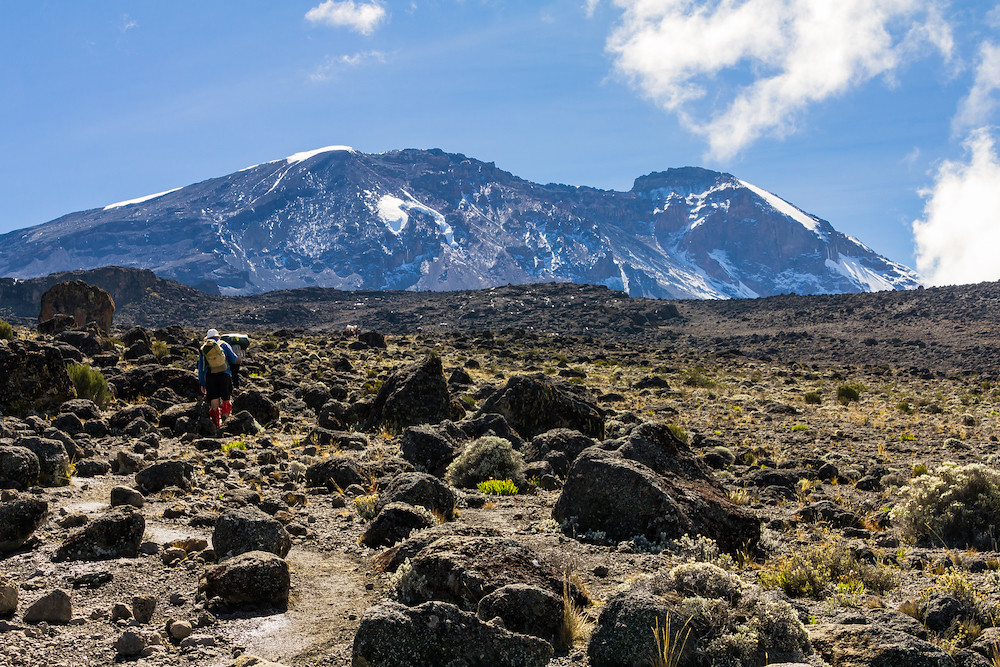
The Machame route is built for this. It has beautiful, varied scenery that keeps your spirit high. You will see everything from rainforest to rocky slopes. While it requires good fitness, its design greatly increases your chance of a safe and successful summit.
When you see a price for a Kilimanjaro trek, it is vital to understand what is inside. A very low price often means corners are being cut. This usually hurts the welfare of the crew and the quality of your safety. So, a responsible price is an investment in your experience and in the people who make it possible.
Your fee should cover all park entry permits, which are mandatory. It should also cover all your food and clean water on the mountain. This food is prepared by a skilled cook. Your fee must also cover the wages and fair treatment of your guide, assistant guides, cook, and porters. It includes camping fees, tent rentals, and a shared mess tent for meals.
Good operators also include emergency oxygen and a basic first-aid kit. They will have a plan to get you off the mountain quickly if you get sick. Always ask what is included. Transparent pricing shows a company that values both you and its team.
Getting ready for Kilimanjaro is a project that takes months, not days. It starts with your fitness. You do not need to be an athlete, but you need strong legs and good stamina. The best training is walking, especially uphill walking with a daypack.
Find hills or stairs and use them. Go for long walks on weekends. Building this endurance is slow and steady, just like the climb itself. Next is gear. You will need warm layers, a good four-season sleeping bag, a sturdy headlamp, and broken-in hiking boots.
Do not wait until the last week to wear your boots. They should be your oldest friends by the time you land. The final piece is your mindset. This is a long, slow journey. You will be tired and the weather can change. Your success depends on a positive, patient attitude. So, listen to your guide, drink water constantly, and focus on putting one foot in front of the other.
Created with GIMP
Your adventure starts in Arusha, the bustling town at the foot of the mountain. This is where you will meet your team. A good operator will arrange for you to be picked up from the airport and taken to your hotel. Then, the next day, you will have a crucial pre-climb briefing.
This meeting is where everything becomes real. Your head guide will check all your gear to make sure you have what you need. They will explain the daily routine and what to expect with altitude. They will also stress the importance of honest communication. You will meet your fellow climbers here, too.
This is the time to ask every single question on your mind. No question is too small. They will also do a quick health check. This process is not just administrative. It builds the first bonds of trust between you and your guiding team. So, it sets a calm and professional tone for the days ahead.
Let’s walk through the typical six-day journey. Day one is a warm, muddy walk through lush rainforest to Machame Camp. You will hear monkeys and feel the excitement. Day two takes you out of the trees and onto the Shira Plateau. Here, you get huge views that show you how high you’ve come.
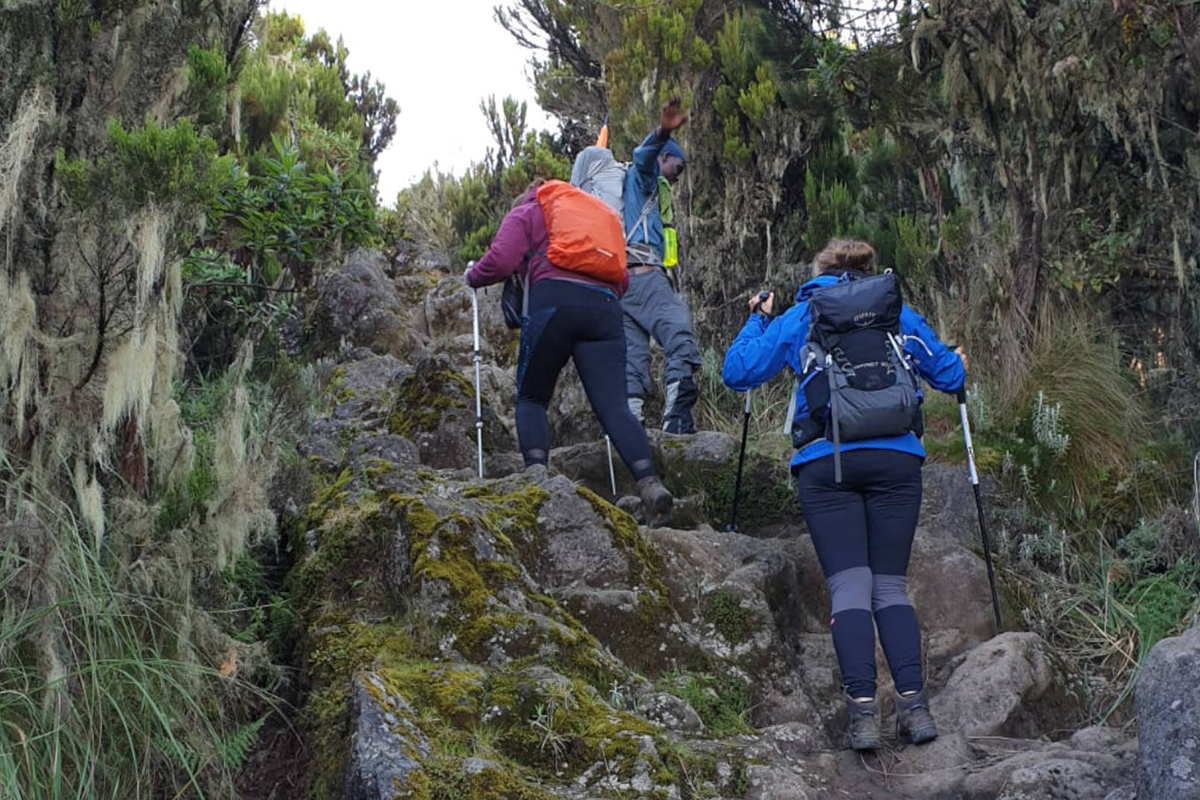
Day three is a key acclimatization day. You climb to a high point at Lava Tower then descend to sleep at Barranco Camp. This day is where your body starts to adapt. Day four has the famous Barranco Wall. It is a scramble that looks intimidating but is fun with your guide’s help. You then reach Karanga Camp, feeling strong.
Day five is a short hike to Barafu Camp, your high camp. You rest all afternoon, trying to sleep before the summit night. Day six starts at midnight. You climb for 6-8 hours in the dark, with just your headlamp. You reach Stella Point at sunrise, then go on to Uhuru Peak. You will feel every emotion.
After celebrating, you have a long descent back to camp. You then go further down the next day. Each day has its own challenge and beauty. This is the real experience of Kilimanjaro trekking on the Machame route.
The people who support your climb are the true heroes of Kilimanjaro. Your guide is your leader, teacher, and guardian. They set the pace—a slow, steady pace called “pole pole” (pronounced po-lay po-lay). Trust this pace completely. They also monitor your health every day, watching for signs of altitude sickness.
Your cook works magic in a small tent to prepare hot, nourishing meals. These meals keep your energy up. The porters are the backbone. They wake up before you, pack the camp, carry it to the next site, and set it up. They do this with incredible strength and cheer.
A good trekking company treats this team with deep respect. This means paying fair wages, providing proper gear and food, and limiting the weight they carry. Your climb is a partnership with these amazing individuals.

Altitude sickness is a real risk, and every climber must respect it. It happens because your body gets less oxygen as you go higher. The symptoms can be a headache, feeling very tired, loss of appetite, nausea, or dizziness. The most important thing you can do is tell your guide immediately if you feel unwell. They are trained to handle this.
Do not try to hide it or be tough. Prevention is your best strategy. This is why the Machame route’s longer timeline is so valuable. So, go slowly. Drink at least 3-4 liters of water every single day. Eat good food even if you are not hungry, because your body needs the fuel. Also, get good rest.
Your guide will check your oxygen levels and heart rate regularly. If your body is not adapting, the only cure is to go down. A good guide will make this call to keep you safe. This is a sign of their professionalism, not failure.
Packing the right things makes your climb safer and more comfortable. Start with a large duffel bag for the porters to carry. Most operators provide this. Also, take a smaller daypack for you to carry every day. In your daypack, you always want water, snacks, sunscreen, lip balm, a rain jacket, a warm hat, gloves, and your camera.
For clothing, think layers. You will start cool, get warm while walking, and be very cold at night. So, a moisture-wicking base layer, a warm fleece or down jacket, and a waterproof outer shell are essential. Do not forget a warm beanie, thermal gloves, and thick socks.
Your sleeping bag should be rated for at least -10°C. Other must-haves are a strong headlamp with extra batteries and trekking poles, because they save your knees. Also, pack high-SPF sunscreen and comfortable camp shoes. Remember, quality over fashion. Every item has a job to do.
Your choice of company shapes your entire experience. So, look for one that is open and proud about how they treat their staff. Ask them direct questions. For example, ask what the weight limit is for each porter to carry. Also, ask what kind of food and tents they provide for the crew.
Find out their guide-to-climber ratio. A good ratio is one guide for every two or three climbers. Ask if they pay their team fair wages, and if they can show you. Also, ask about their emergency procedures and evacuation plans.
Read reviews from past climbers, too. Pay attention to comments about the crew’s morale and treatment. A company that values its team will also value your safety and experience. This ethical choice ensures your adventure supports the local community that makes it possible.
Reaching Uhuru Peak is a moment you will never forget, but your journey is not over. You still have to get down safely. The descent from the summit back to Barafu Camp can be tough on your knees. So, it requires focus. Trekking poles are a big help here.
After a short rest, you continue down to a much lower camp to sleep. The final day is a long walk out through the rainforest to the park gate. There, you receive your summit certificate. Then, there will be a final celebration with your entire crew. You will enjoy singing, dancing, and giving thanks. This tipping ceremony is a heartfelt tradition.
Back in Arusha, you will enjoy a hot shower and a real bed. Your body will be tired, but your spirit will be full. Give yourself time to rest before traveling home. The memories, the friendships, and the sense of accomplishment will stay with you forever.
It is challenging but very doable for a prepared first-timer. The difficulty comes from the altitude, not technical climbing. The longer schedule gives your body the time it needs to adapt. So, this actually makes it a safer and more successful choice than shorter, “easier” routes.
Without a doubt, they are well-broken-in waterproof hiking boots. Blisters can end a climb. Your boots should be comfortable, supportive, and already molded to your feet from many training walks. So, never wear brand-new boots on the mountain.
Ask them directly. Good companies are happy to answer. Ask about porter weight limits, which should be around 20kg max. Also, ask what gear they provide for them and if they pay fair wages. Look for companies that are recognized by responsible tourism partnerships.
Your guide is trained for this. They will monitor you daily. For mild symptoms, they will slow down and ensure you drink more water. They may also give you a simple headache pill. If symptoms are serious, the only cure is to descend. Your guide will make this call to protect your health.
Showers are not available on camping routes like Machame. You will use wet wipes and water in a bowl to wash. For charging, some operators provide a solar charging bank in the mess tent, but it’s limited. So, bring multiple power banks and keep devices on airplane mode to save battery.
You will be surprised by the quality. Cooks prepare hot, hearty meals like soups, stews, pasta, rice, and vegetables. They even bring fresh fruit. They understand you need good nutrition. Breakfast might be porridge or pancakes. There will always be plenty of hot drinks like tea and coffee.
Yes, especially at the high camps like Barafu. Temperatures can drop well below freezing. This is why a warm sleeping bag and good layers are non-negotiable. You will likely wear most of your clothes to bed on summit night.
Tipping is a standard and important part of the culture. Operators will give you a guideline, which is usually a total amount per group. This is then divided among the crew. Bring this in clean, newer US dollars or Tanzanian shillings. The final celebration and tipping is a joyful and meaningful moment.
Not very heavy. Your porters carry the main camp. You only carry a daypack with water, snacks, and layers. This is usually 5-8 kg. So, train by walking for hours with a light daypack. Focus on building leg strength and stamina through hiking, stair-climbing, and long walks.
At most camps, there are basic outdoor toilet huts. These are a hole in the ground with a structure around it. They are rustic but functional. Bring your own toilet paper and hand sanitizer. Some operators offer private portable toilet tents for an extra fee. These provide more comfort and privacy.