
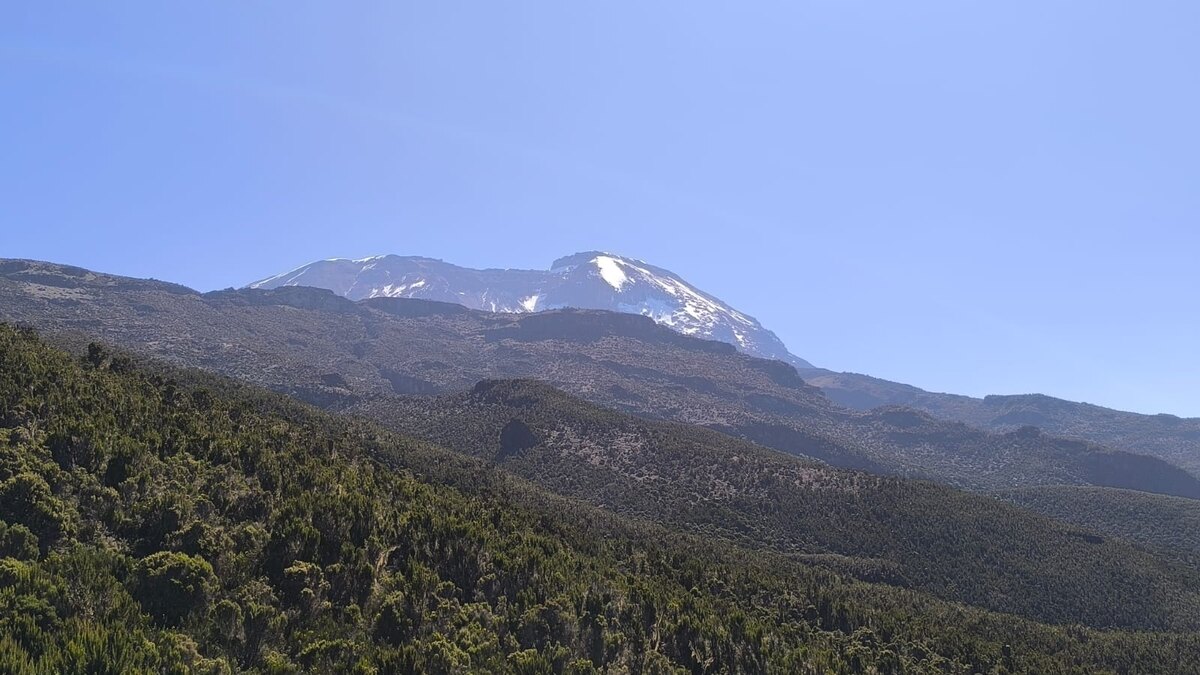
What Makes Kilimanjaro Special?
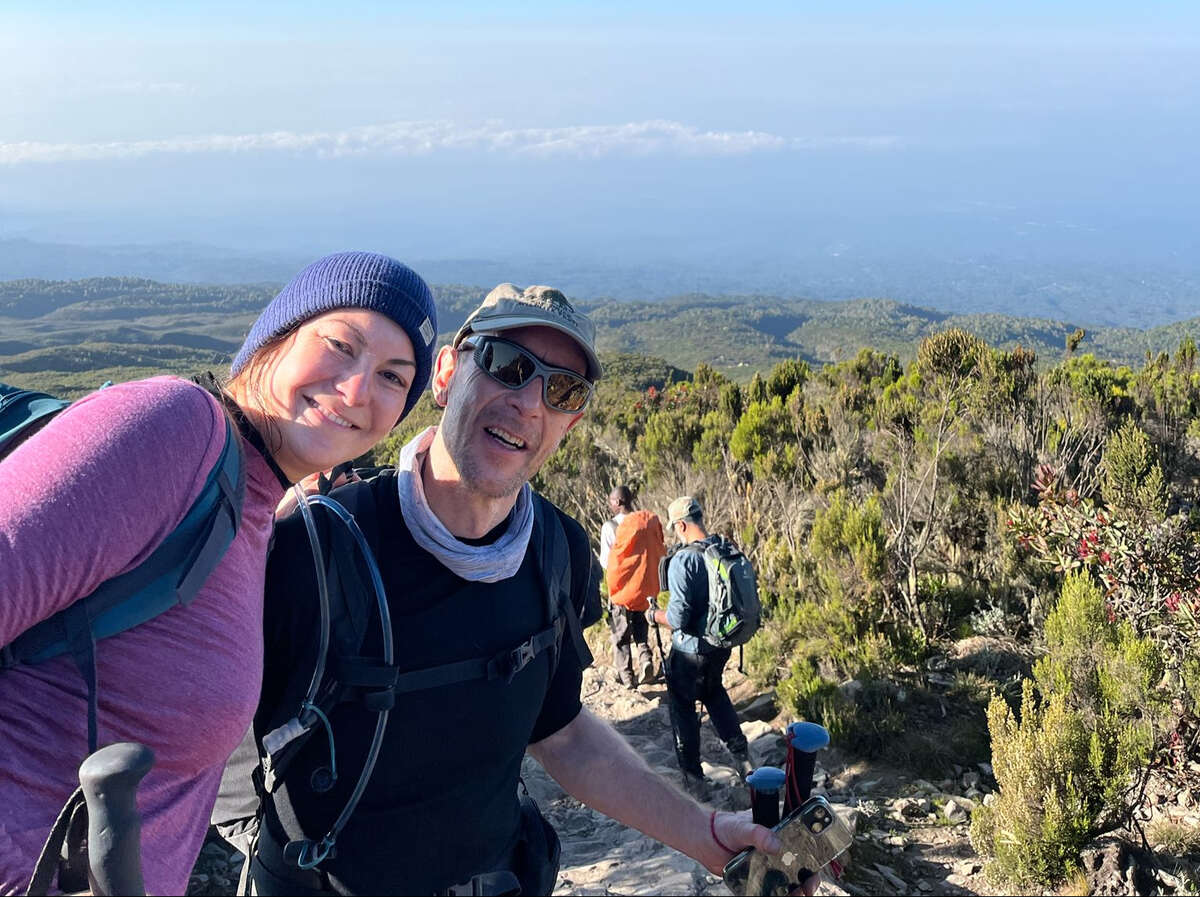
Kilimanjaro is the highest peak in Africa. It’s unique because you can climb to the top without needing to be a mountaineer. The paths lead you through forests, fields, and finally to a snowy summit. One big challenge is the altitude; your body has to get used to less oxygen. But, if you’re ready for a tough climb in a short time, it’s a thrilling adventure. Many climbers opt for the Marangu Route or the Machame Route to experience the peak.
Everest Base Camp’s Allure
Everest Base Camp (EBC) is a famous trek that takes you through beautiful mountain villages in Nepal. Unlike Kilimanjaro, this journey is more about long walks each day, resembling a hike over many days. The altitude rises slowly, helping your body adjust along the way. If you enjoy gradual challenges and immersing yourself in different cultures, EBC could be the perfect choice for you.
How Hard Is Each Climb?
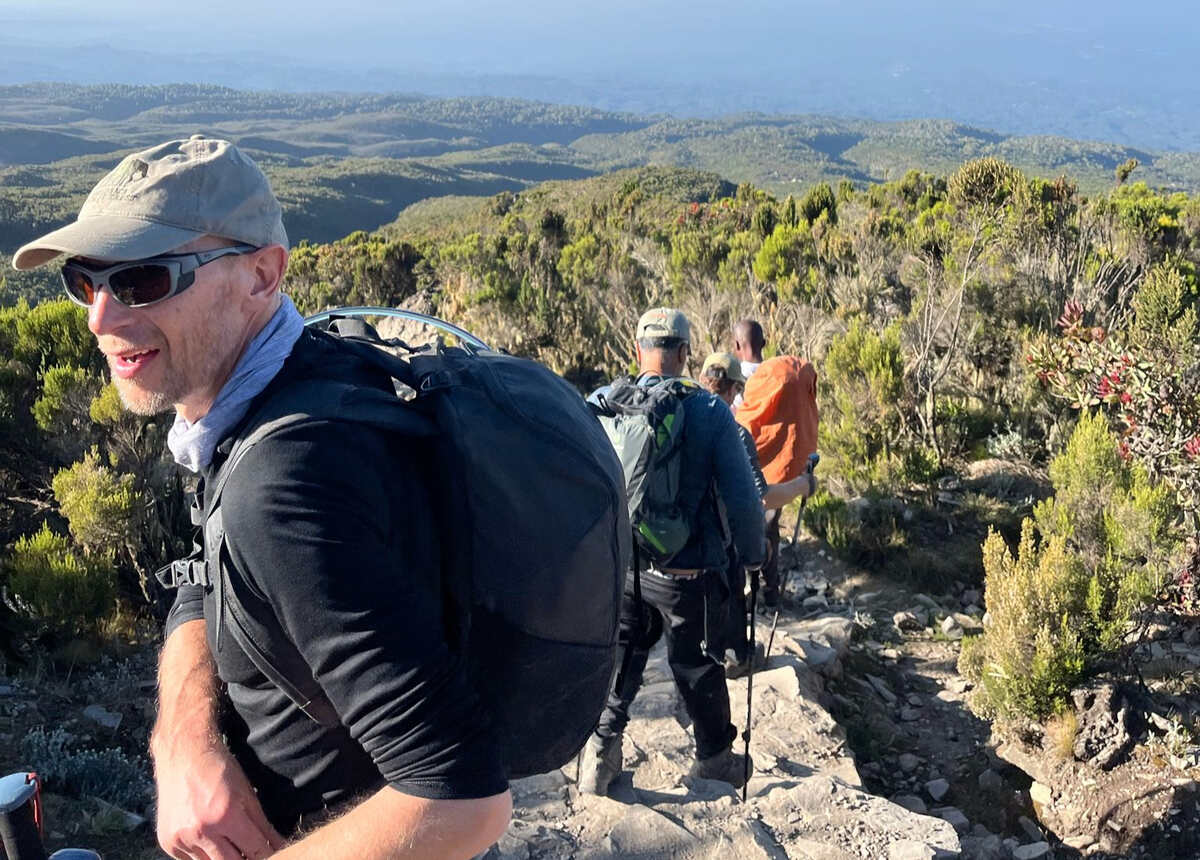
Both treks are tough in their own way. Kilimanjaro pushes you with a steep ascent, especially on summit night when you climb in the dark. EBC tests your endurance with longer hiking days. Think of Kilimanjaro as a fast, intense sprint, and EBC as a long, steady marathon. Each requires good stamina and mental toughness. For a deeper understanding, check out our guide on Kilimanjaro climbing.
Getting Ready for the Trek
Training is essential, whether you choose Kilimanjaro or EBC. For Kilimanjaro, practice short, steep climbs. For EBC, focus on long, flat hikes. Both treks require you to be fit and healthy. Regular walks, running, and even stair climbing can help prepare your body for the adventure ahead. If you’re a beginner, see our beginner’s guide for more tips.
When to Go?
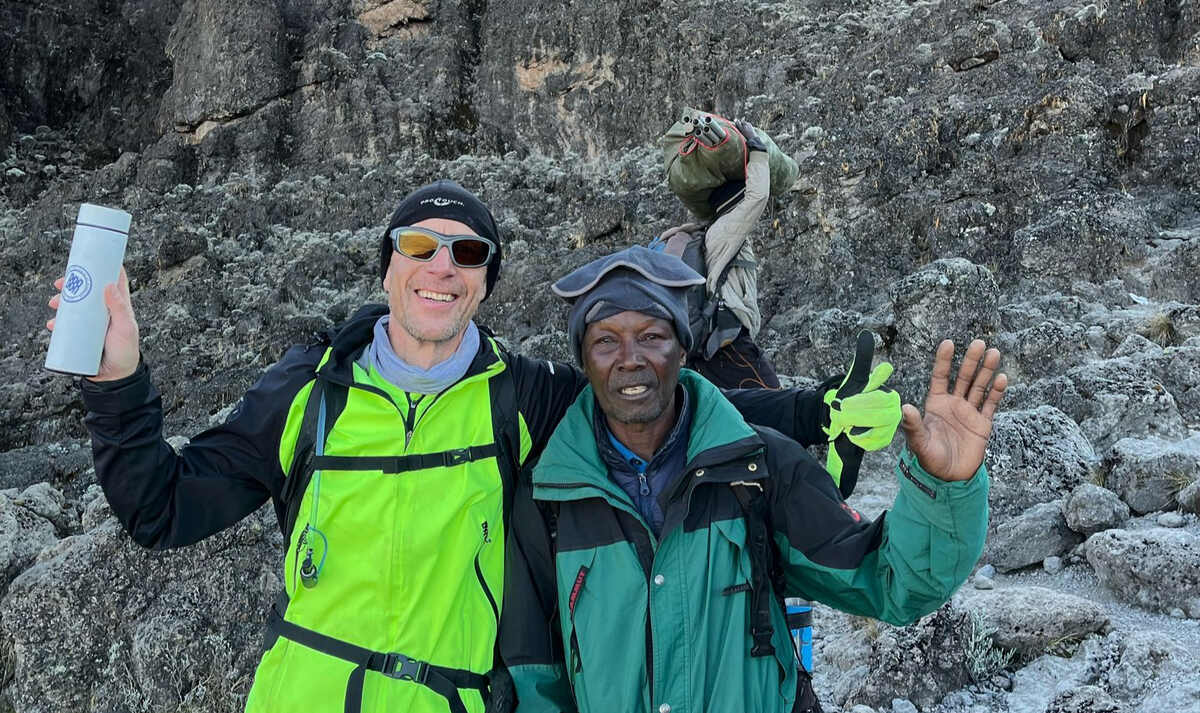
Timing is important. Kilimanjaro is best climbed in January, February, or from June to October, as these dry months mean fewer rainy days to worry about. EBC is ideal from March to May and September to November, when the weather is clearer, offering breathtaking views around Everest. Make sure to review our best times to climb Kilimanjaro.
Let’s Talk Cost
Budgeting often plays a crucial role in planning. Kilimanjaro can cost between £1,200–£2,000, while EBC may range from £1,500–£2,500. These prices cover guides, permits, and some gear. It’s wise to plan and save up to truly enjoy the experience without any financial stress. For more on costs, check out our tours and safaris overview.
In the Nutshell…
Choosing between Kilimanjaro and Everest Base Camp depends on your personal preferences and fitness levels. Kilimanjaro offers a quick, intense adventure, while EBC provides a longer journey filled with cultural experiences. Ready to start your adventure? Feel free to contact us for more assistance!
FAQs
- Q: Is Kilimanjaro or Everest Base Camp harder for beginners?
- A: Kilimanjaro is more challenging because of the rapid ascent to higher altitudes.
- Q: Which trek causes more altitude sickness?
- A: Kilimanjaro, due to the quicker elevation gain.
- Q: How do the success rates compare?
- A: About 40% succeed on Kilimanjaro, while around 90% succeed at EBC.
- Q: Which trek is better for someone with only 1 week of vacation?
- A: Kilimanjaro, as it can be completed in less time.
- Q: I’ve done Kilimanjaro—how will Everest Base Camp compare?
- A: It may feel easier on a daily basis but takes more time overall.
- Q: Which trek is better for knee/joint problems?
- A: EBC might be easier on your joints due to its gradual hikes.
- Q: Can I do both treks in the same year?
- A: Yes, but be sure to allow 4–6 weeks to recover in between.
- Q: Which trek is more expensive?
- A: Everest Base Camp generally costs more.
- Q: What’s the hardest part of each trek?
- A: For Kilimanjaro, it’s summit night; for EBC, it’s the lengthy journey.
- Q: Which trek is better for scenery and culture?
- A: EBC offers rich cultures and stunning views; Kilimanjaro features a unique African ecosystem.