
If you dream of standing on Africa’s highest point, choosing the right path is your first big decision. Our clear Lemosho route tips will guide you to a safe and successful journey. It will also be a breathtaking one. This climb is not a race against the mountain. It is a patient and gentle walk with it. The Lemosho Route is widely considered the most beautiful and strategic path up Kilimanjaro. It offers you space, incredible scenery, and vital time for your body to adjust to the altitude. This guide is for the first-time climber who wants to understand every step. We will walk you through all the details. We start from the lush forest and go all the way to the arctic summit night. Our goal is to give you the calm and practical knowledge you need to plan with full confidence.
Imagine starting your climb in a quiet, green rainforest. Colobus monkeys watch from the trees above. This is the Lemosho start. The route begins on the mountain’s western side, far from busier trails. This solitude is a real gift. It lets you settle into the trek’s rhythm without any distraction. But the true Lemosho advantage is not just beauty. It is the smart design. The route is longer, usually taking seven or eight days. This extra time is your secret weapon. It allows for perfect “walk high, sleep low” acclimatization. You climb higher during the day but sleep lower at a more comfortable altitude. This gentle process is the biggest factor for a safe summit. When you compare routes, Lemosho consistently has one of the highest success rates. It is often cited between 90-95% for trips of 7 days or more. So it is a path built for success, not just for speed.

Climbing Kilimanjaro is not a technical rock climb. You do not need special ropes or skills. The real challenge, which you must respect deeply, is the altitude. The summit is 5,895 meters high. It has about half the oxygen you breathe at sea level. Your body needs several days to adapt to this big change. Rushing this process leads to altitude sickness. This condition affects over half of all climbers on shorter routes. Symptoms can include headaches, nausea, and dizziness. That is why the Lemosho route’s longer schedule is so critical. Taking seven or eight days gives your body the time it desperately needs. It needs to build new red blood cells and adjust. The route’s natural contours help with this, too. You will have specific acclimatization hikes where you climb higher and then come back down to camp. Think of it as training your body in small, manageable steps. So listening to your guide and to your own body is key. Going “pole pole” (slowly, slowly) is the most important rule of the mountain.
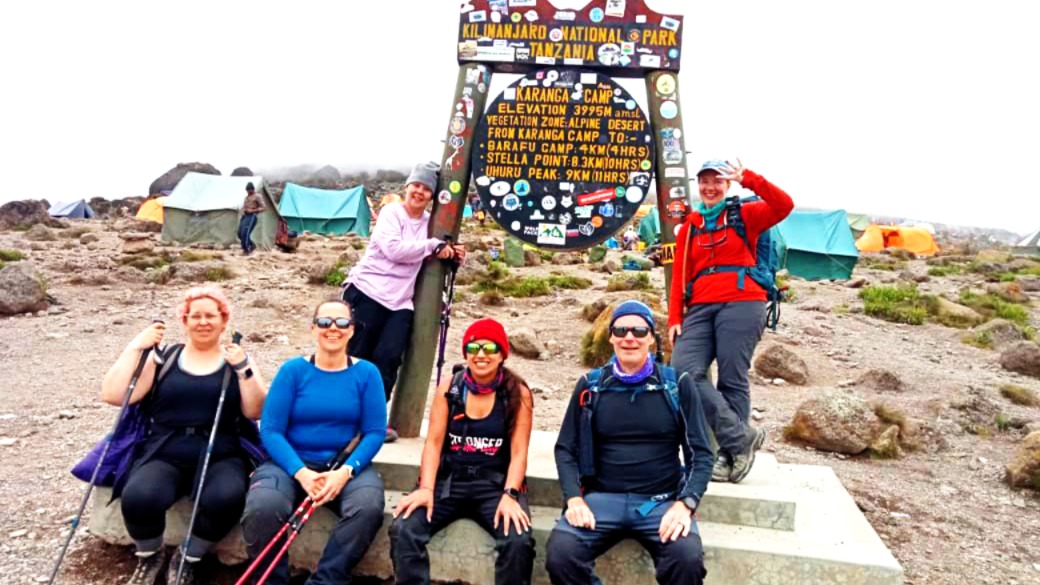
Knowing what each day holds removes uncertainty. It also builds a calm focus. A standard 8-day Lemosho trek follows a clear and thoughtful pattern. Day 1 is a gentle walk through a magical rainforest to your first camp. Then, days 2 and 3 take you out of the forest and onto the stunning Shira Plateau. You will see giant heathers and wide views here. You will feel the air get cooler and thinner. Day 4 is a key acclimatization day. You climb to the Lava Tower at about 4,600 meters for lunch. After that, you descend to sleep at Barranco Camp (3,900 meters). This “climb high, sleep low” practice is invaluable. Day 5 brings the fun challenge of the Barranco Wall. It is a hands-on scramble that looks intimidating but is very achievable. Then, days 6 and 7 are spent moving to high camps, Karanga and then Barafu. This prepares you for the summit push. Each day’s walk is manageable, usually 4 to 7 hours, with plenty of breaks. So the schedule is about steady progress, not exhaustion.

Summit night is an experience you will remember forever. It begins around midnight at Barafu Camp (4,673 meters). You will wake up and put on every layer of clothing you have. Then you start walking by headlamp in the freezing cold dark. This is the mental and physical peak of the climb. Over about 6-7 hours, you will ascend nearly 1,200 vertical meters. You go up steep, zig-zagging trails of loose gravel in extreme cold and low oxygen. It is a true test of your will. The key is to follow your guide’s slow and relentless pace. Do not look up at the seemingly endless line of headlamps above you. Just focus on your next step. The reward comes as the sky begins to lighten. You will reach Stella Point on the crater rim at dawn. You are then greeted by a sunrise over the clouds that defies description. A final hour’s walk along the crater rim brings you to Uhuru Peak, the true summit. The feeling of standing there at 5,895 meters, after such a journey, is pure triumph.
Being well-equipped is a pillar of safety and comfort. Your tour operator will provide a detailed list. But understanding the “why” behind each item is crucial. Your clothing system should be like an onion. You need many layers you can add or remove. Start with moisture-wicking base layers. Then add insulating mid-layers like a fleece. Finish with a high-quality, waterproof and windproof outer shell jacket and pants. For summit night, a heavy-duty expedition down jacket is absolutely non-negotiable. Your feet are your most important asset. Break in sturdy and waterproof hiking boots long before the trip. Also bring warm and moisture-wicking socks. Other critical items include a sleeping bag rated for -15°C or lower. Also pack a warm hat and gloves, plus spare gloves. You need a headlamp with extra batteries for summit night. Do not forget high-factor sunscreen and lip balm. Bring sunglasses with full UV protection. Trekking poles will save your knees on descents. Pack everything in a large duffel bag for the porters. Also use a smaller daypack for your daily essentials.
You do not need to be an Olympic athlete. However, you must be physically prepared. The best training for hiking is hiking itself. In the months before your climb, focus on building cardiovascular endurance and leg strength. Go for long walks or hikes on weekends. Ideally, use hilly or mountainous terrain. Wear the boots and daypack you plan to use. Aim to comfortably walk for 5-7 hours with small breaks. During the week, supplement with stair climbing, cycling, or jogging. This builds your lung capacity. Strength training is also important. Focus on your legs with squats and lunges. Also work on your core. The goal is not speed, but stamina. You want a body that can handle consecutive days of sustained activity. It must do this without breaking down. Mental preparation is just as key. Practice embracing discomfort during your training hikes. Also maintain a positive and steady mindset. On the mountain, your mind will carry you as far as your legs.
Kilimanjaro has its own climate. Picking the right season greatly affects your experience. The mountain has two main dry seasons. These are considered the best times to climb. The long dry season runs from late June to October. These months offer clear skies and fantastic views. Conditions are generally stable, but it can be very cold at night. This is also the most popular time. So while Lemosho is less crowded, you may see other groups. The short dry season is from late December to early March. This period is warmer and can be beautifully clear. However, short rains are possible. There are two rainy seasons to generally avoid. The long rains are from April to early June. They bring heavy rain and mud. The short rains happen in November and are more unpredictable. Also remember that weather on a high mountain is never guaranteed. So always be prepared for rain, wind, and cold at any time of year. Following these Lemosho route tips about timing can make your trip much better.

Your climb is made possible by an incredible team. This includes guides, cooks, and porters. Ethical treatment of this team is a fundamental part of responsible trekking. Porters carry heavy loads up the same mountain you climb. They carry camp equipment, food, and sometimes your duffel bag. They often do this in simpler gear. So choosing an ethical operator is one of your most important decisions. Look for companies committed to fair wages and proper equipment. They should provide shoes and jackets for porters. Also check for reasonable weight limits. Look for operators certified by organizations promoting ethical porter treatment. These companies provide porters with adequate food, shelter, and insurance. You can also do your part. Tip your team fairly and generously at the trek’s end. Tipping is a customary and vital part of their income. A climb that respects the people who make it possible is a more meaningful journey for everyone.
Your adventure starts in the vibrant town of Arusha. This is the gateway to Kilimanjaro. You will typically spend a night here before and after your climb. This time is for briefings, gear checks, and rest. A good operator will handle all transfers between Arusha and the Lemosho gate. The drive takes several hours. Upon arrival at the Londorossi Gate, you will register with the park authorities. Then you meet your full crew. The porters will expertly pack all the communal gear. This is the exciting moment your trek truly begins. After the climb, you will descend to the Mweka Gate. There you receive your summit certificate. Then you return to Arusha for a celebration dinner, a hot shower, and well-deserved rest. Ensure your travel plans include a buffer day after the climb. Do this before any international flights because weather or fatigue can delay descents. Let your operator manage these details. Then you can focus entirely on the mountain.
This is the most critical choice outside of choosing the route itself. Your operator is responsible for your safety, success, and overall experience. So do thorough research. Look for companies with a long history of operation and excellent safety records. Read past client reviews carefully. Pay close attention to comments about guide expertise, food quality, and equipment. Also ask direct questions. What is their guide-to-client ratio? What are their specific safety and emergency protocols? Do they carry oxygen and a portable stretcher? How do they ensure porter welfare? What is included in the price? This covers park fees, transfers, tents, food, and water. A reputable operator will be transparent and detailed. They will be happy to answer all your questions. They should emphasize acclimatization, safety, and ethical practices over low cost. Investing in a high-quality operator is investing in your own safety and the success of your dream.
“`