
You have made a big decision. You are going to climb Mount Kilimanjaro. You hear many stories and see many pictures. It looks amazing but also a little scary. You hear about the Machame route difficulty and wonder if you can do it. This feeling is normal for every first-time adventurer. The good news is this: with the right understanding and calm preparation, the Machame route can be your path to the top. This guide is here to walk with you. We will talk about what the word ‘difficult’ really means on this mountain. We will prepare you, not just in your bag, but in your mind. You can do this. Let’s begin.

When people talk about Machame route difficulty, they are not talking about climbing a rock wall with ropes. It is not that kind of technical climbing. The difficulty here comes from three main things. First, is the altitude. Your body must get used to having less oxygen. This takes time and a good plan. Second, is the distance. You will walk for many hours over many days. Your legs and heart must be ready. Third, is the mental part. You will be tired, cold, and maybe a little uncomfortable. Keeping your spirit strong is a big part of the journey. Think of it as a long, slow walk up a very tall hill. The challenge is in the length and the height, not in tricky climbing moves. When you understand this, the task feels clearer.
Let’s walk through the typical six or seven-day journey. Day one starts in the lush rainforest. It is warm, humid, and green. You walk on a good path. It is a steady climb but not steep. Day two takes you out of the forest into the heather zone. The views open up. The path becomes rockier. You might feel the altitude a little here.
Day three is about ‘climbing high, sleeping low.’ You go up to a higher point for the view, then come back down to sleep. This helps your body adjust. Day four can feel long. You cross a wide, rocky valley that feels like another world. It is stark and beautiful.
Day five is short but important. You go to your high camp, ready for summit night. Day six is the biggest day. You start walking very late at night to reach the summit at sunrise. Then you have a very long walk all the way down. Each day has its own feeling and its own small challenge. Knowing what each day brings helps you prepare your mind.
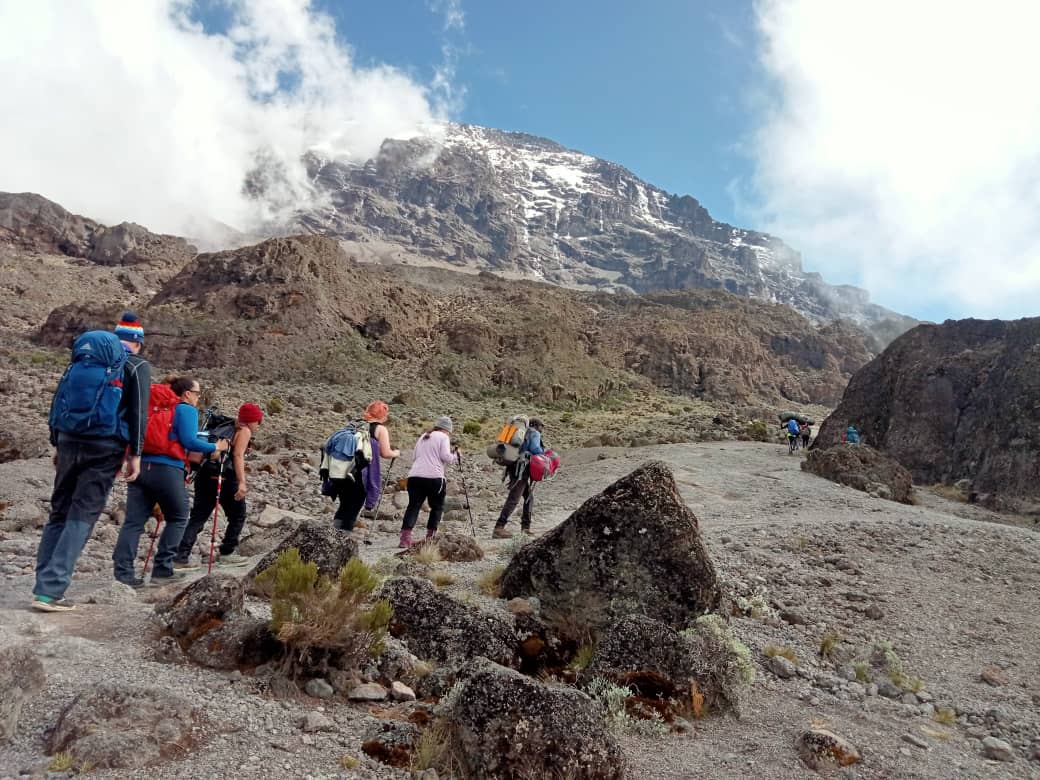
You will see many tour options. Some offer the Machame route in six days, others in seven. You should always choose the seven-day option for your first time. This is the single best way to manage the Machame route difficulty. That one extra day is not just more walking. It is a special day designed for ‘acclimatization.’
This is a big word that simply means letting your body get used to the height. On this extra day, you will climb up to a higher place, then come back down to sleep at a lower camp. This process tells your body to make more red blood cells to carry oxygen. It is like a training day for your blood. By doing this, you greatly reduce your chance of getting sick from the altitude. Think of that extra day as your secret weapon for feeling stronger and reaching the top.
You will read many lists about boots and jackets. But your first and most important piece of gear is your own body. Getting fit for Kilimanjaro is not about becoming a super athlete. It is about building endurance – the ability to keep going.
Start three to four months before your trip. The best training is simply walking. Walk on hills if you can. Carry a daypack with some weight in it. Go for long walks on the weekend. The goal is to get your legs, lungs, and heart comfortable with hours of steady activity.
You do not need to run fast. You need to walk long. Consistency is your friend. A one-hour walk every day is better than one huge hike once a month. This fitness base will make every step on the mountain easier. It will also help your mind stay positive.

The hardest part of the Machame route difficulty is often in your head, especially on summit night. You will start walking around midnight. It is dark and very cold. You are tired from the week of walking. You take one slow step, then another. Your mind will have thoughts like, “Why am I doing this?” or “I want to stop.” This is normal.
Prepare for this moment before you even go. Decide now that you will not quit. Tell yourself that discomfort is temporary, but the memory is forever. Break the big task into small pieces. Do not think about the six-hour climb. Think about getting to the next rock, or the next bend in the path.
Listen to your guide’s encouragement. Look up at the stars. Remember why you came. Your mind is a powerful tool. Train it to be your biggest supporter, not your critic.
You will hear this phrase from your guides: “Pole pole.” It means “slowly, slowly” in Swahili. This is the golden rule for managing the Machame route difficulty. It feels strange at first. You will want to walk at your normal pace. But you must go slower than you think is necessary.
This slow pace serves one main purpose. It lets your heart rate stay low. When your heart beats fast, you use more oxygen. At high altitude, oxygen is precious. By moving slowly, you conserve your energy and oxygen for the long journey.
Let the experienced guides set the pace. Do not try to pass people or keep up with the fastest walker. The tortoise wins this race. Embrace the slow walk. It is your best strategy.
Let’s talk about summit night with honesty, so nothing surprises you. You will go to bed early but probably not sleep much. You will wake up around 11 PM. You will put on every single layer of clothing you have. You will drink some tea, eat a small snack, and start walking in the dark with your headlamp.
The air is thin and cold. The path is steep and zig-zags up the mountain. You will take a few steps, then pause to breathe. This is called the “rest step.” It is normal. You might feel a headache or lose your appetite. This is where your training and your “pole pole” pace pay off.
As you climb, you will see a line of headlamps above and below you, like stars on the mountain. When you reach the crater rim at Stella Point, you know you are almost there. The final walk to Uhuru Peak is along a gentle slope. The sunrise over Africa will give you the energy for the last steps. It is hard, but millions of people before you have done it. You can too.

You are not climbing alone. The Machame route difficulty is shared with a team of incredible local experts. Your guide is your leader, your teacher, and your guardian. They watch your health, your pace, and your spirit. Listen to them. Ask them questions.
The porters are the heroes who carry the camp, the food, and the bags. They allow you to carry only a small daypack. This is a huge advantage. Their strength and smiles are a constant inspiration. Treat this team with great respect and gratitude.
They are not just staff. They are your partners in this adventure. Knowing you have this professional support behind you takes a huge weight off your shoulders. This helps both literally and mentally.
You will be tired. Your legs will ache. You might get a small headache. This is normal. Part of managing the Machame route difficulty is knowing the difference between normal feelings and danger signs. Normal is muscle tiredness, mild loss of appetite, feeling out of breath with effort, and trouble sleeping.
Warning signs are a severe headache that pain medicine does not help, vomiting, losing your balance, confusion, or a cough that will not stop. Your guides are trained to spot these signs. You must also listen to your own body.
Be honest with your guide if you feel unwell. Do not hide symptoms because you want to reach the top. Your health is the most important thing. The mountain will always be there for another try.
Reaching the top is a massive moment. You will feel joy, relief, and pride. But your journey is only half done. The Machame route difficulty includes a very long walk down. You must descend almost all the way from the summit in one day. This is tough on your knees and your tired body. Good trekking poles are essential here.
Go slowly and carefully. When you finally get back to camp, you will be exhausted. The next day, you walk out to the gate. Your body will feel different. Your mind will feel different. You will have achieved something huge.
In the weeks after, you might feel a little sad that the adventure is over. This is normal. Start thinking about what you learned about yourself on the mountain. How can you bring that strong, patient person back into your daily life? The climb does not end at the summit. It changes you for all the days after.
Yes, it is one of the best routes for a first-time climber. It has a high success rate because its schedule helps your body adjust to the altitude. It is a walk-up route, so no special climbing skills are needed.
For most people, summit day (and night) is the hardest physically and mentally. The long walk from high camp to the summit and then all the way down is the biggest challenge. The Barranco Wall on day four looks scary but is easier than it seems.
It changes each day. Some days are shorter, around 4-5 hours of walking. Longer days, like the trek to Karanga camp or summit day, can be 10-15 hours of walking. The guides manage the pace to make it manageable.
Yes, altitude sickness is a real risk. That is why choosing a longer trek (7 days instead of 6) is so important. It gives your body more time to adjust. Going slowly, drinking lots of water, and listening to your guide are the best ways to prevent it.
It is okay. Your safety is the number one priority. The guides are trained to help you descend safely if you become unwell. Reaching the summit is a great goal, but coming home healthy is the most important goal.
Summit night is very cold, often well below freezing. During the day, at lower camps, it can be warm and sunny. You need gear for all temperatures, from hot sun to freezing cold.
No. Porters carry the heavy camp gear, your duffel bag, and the food. You only carry a small daypack with water, snacks, and clothes you need for that day’s walk.
The cook will prepare hot, nourishing meals. You will get breakfast, a packed lunch, and dinner. Typical food includes porridge, soups, pasta, rice, vegetables, and meats. It is good, energy-giving food.
At camp, there are toilet tents. During the day’s walk, you will find private spots behind rocks. You must follow the rules to keep the mountain clean. Your guide will explain everything.
It can feel intimidating, but it is not a scary experience in a dangerous way. You are with expert guides. The feeling is more of a big, personal challenge. The views, the team, and the sense of achievement replace any fear with wonder.
“`