
You dream of standing on the roof of Africa. Your first big question is often about the Machame route success rate. It is natural to want to know your chances. Many websites will tell you it is high. That is true. But that simple answer misses many details. It is like looking at a mountain from far away.
This guide is your friendly map. We will walk through what success really means on this popular trail. We will see the factors you control. We will also see the ones you must prepare for. This is not just about statistics. It is about giving you quiet confidence. That confidence comes from understanding the journey, step by gentle step.
You hear the phrase often. But what does it truly measure? A success rate is the percentage of climbers who start a route and reach Uhuru Peak. For Machame, this number is often reported as high. But that number is a general picture.
Think of it like a weather forecast for a large area. It tells you it might rain, but not if you will get wet where you stand. Your personal success depends on more than a wide number. It depends on your health, your pace, your gear, and your team.
A good operator with experienced guides can have a much higher success rate. They manage the climb well. They watch your health closely. They also help you with the right pace. So, when you see a high Machame route success rate, see it as a sign of a good path. Then, focus on building your own personal success story.
Machame is nicknamed the “Whiskey Route.” This name suggests it is stronger and more challenging than the easier “Coca-Cola Route” (Marangu). The name fits. Machame is a beautiful and demanding path.
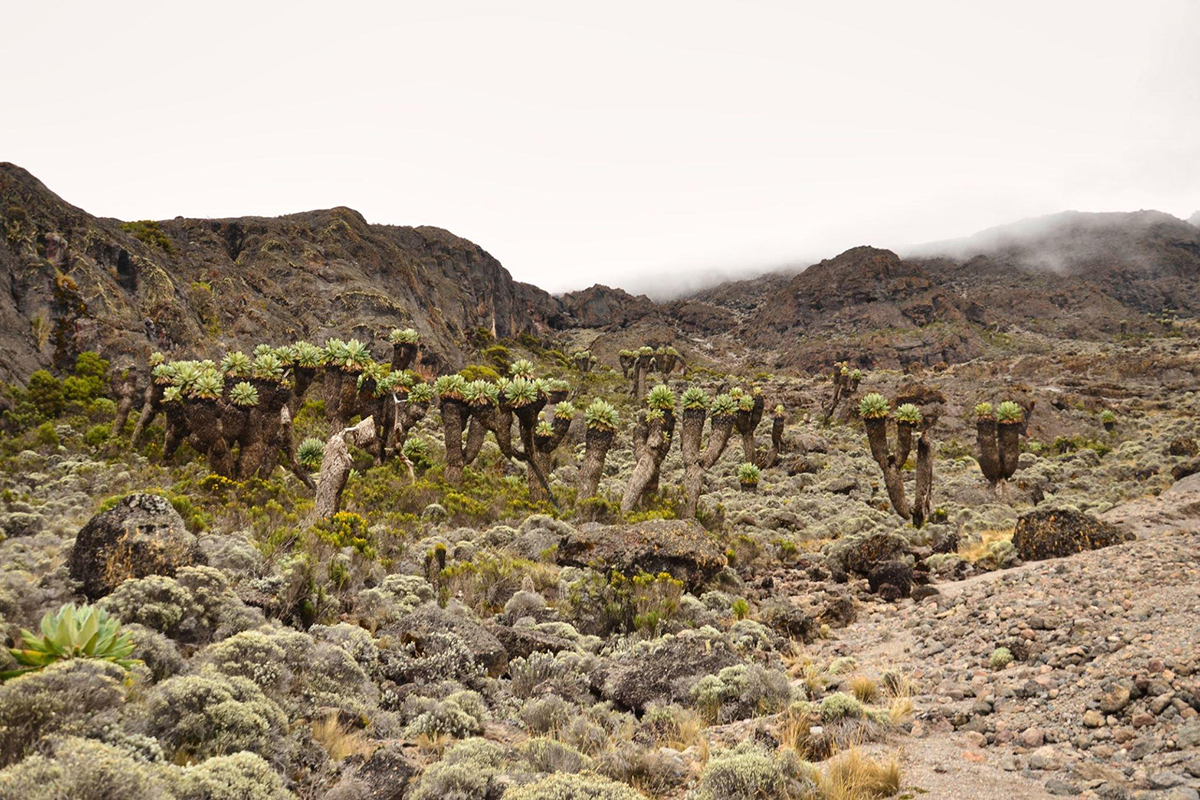
It typically takes six or seven days. The longer seven-day option is much better for your body. This route starts on the mountain’s southern side. You begin in a lush, green rainforest. The air is thick and damp. You will hear birds and see moss-covered trees.
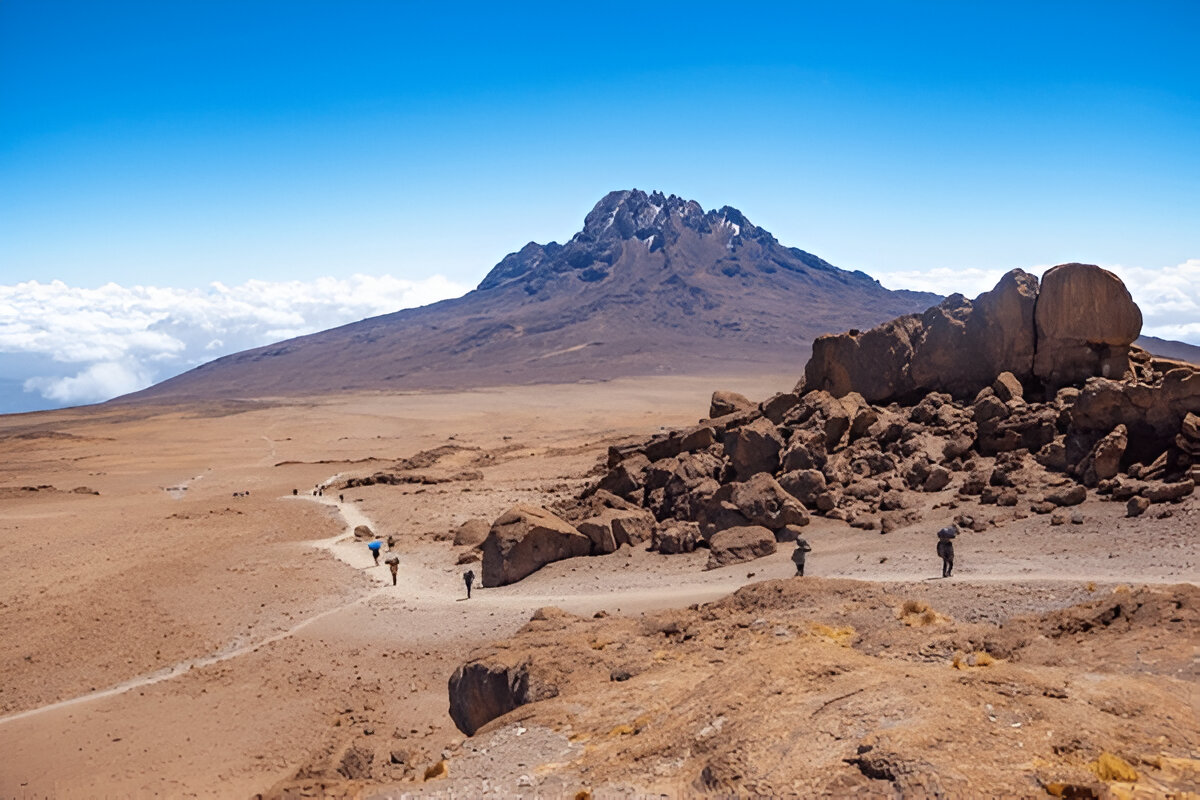
Each day, the world changes around you. You leave the forest for heather and moorland. Then you enter a rocky alpine desert. Finally, you face the arctic summit zone. The path is scenic and varied. It is also steeper than some other routes in the early days.
This steepness helps with acclimatization. It pushes you a little higher during the day before you sleep at a lower camp. This “climb high, sleep low” pattern is a key reason for its good success rate.
Kilimanjaro has seven main paths to the top. Understanding Machame means seeing where it fits among the others. The table below gives you a clear, side-by-side view. This fills a big gap in most information online. It compares duration, scenery, difficulty, and the estimated success rate.
| Route Name | Typical Duration | Scenery & Experience | Key Feature for Success | Estimated Success Rate |
|---|---|---|---|---|
| Machame (Whiskey) | 6-7 days | Very scenic, varied landscapes, popular & social. | Good “climb high, sleep low” profile. Steeper start. | High (especially on 7-day climbs) |
| Lemosho | 7-8 days | Most scenic, starts remote, excellent wildlife chance. | Best overall acclimatization, less crowded start. | Very High |
| Marangu (Coca-Cola) | 5-6 days | Only route with hut accommodation, less scenic variation. | Shorter, less time to acclimatize, often crowded. | Lower (~42% on shorter itineraries) |
| Rongai | 6-7 days | Approaches from the north, drier, more remote feel. | Gentler initial slopes, good for rainy season. | Medium to High |
| Northern Circuit | 8-9 days | Longest route, extremely remote, full mountain tour. | Best possible acclimatization, very quiet. | Highest |
| Umbwe | 6 days | Most direct, very steep & challenging, for experienced. | Fast, steep ascent—hard on the body. | Low (due to difficulty & short schedule) |
| Shira | 6-7 days | Starts high on Shira Plateau, less forest time. | High starting point can be tough on day one. | Medium |
Use this table as your starting point for choosing your adventure.
On Kilimanjaro, the mountain itself is not the hardest part. The biggest challenge is the altitude. The air gets thinner as you go higher. Your body needs time to adjust to having less oxygen. This process is called acclimatization.If you go too fast, you can get sick. This is why the length of your climb is the number one thing you control for success. A 7-day Machame climb has a much higher success rate than a 6-day one. Why? It gives your body an extra full day to adapt.Routes like Lemosho and the Northern Circuit have the highest success rates. They are longer—8 or 9 days. They are designed for your body to win. When you see a high Machame route success rate, know it is built on those extra 24 hours. Choosing more days is choosing a smarter, safer, and more enjoyable climb.
The success rate is not just about the dirt path you walk on. It is about the human path created by your team. A professional, ethical operator makes all the difference. They are not just selling you a trip. They are responsible for your safety and your experience.How do they boost your personal success rate? First, they provide expert guides. These guides watch you closely every day. They check your oxygen levels and your heart rate. They also ask how you feel. They set the correct “pole pole” (slowly slowly) pace.Second, they organize a full support crew. This includes cooks and porters. Good food and plenty of water keep your energy high. A well-cared-for crew is a happy, motivated crew that cares for you.Always ask an operator about their own company’s success rate and safety protocols. This tells you more than any general number on a website.
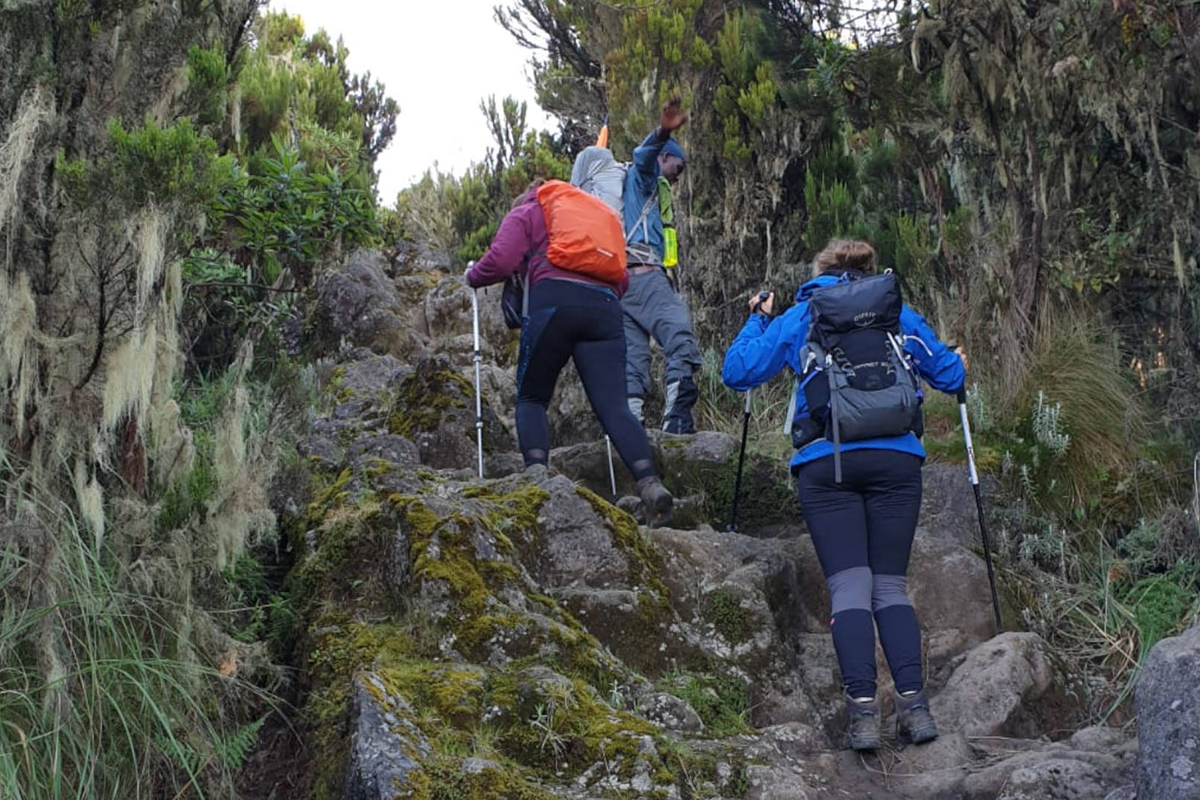
A Realistic Look at Difficulty and PreparationMachame is challenging but doable for a determined beginner. The difficulty comes from three things. These are the altitude, the length of walking days, and the summit night. You will walk for 5 to 7 hours most days. Sometimes the trails are steep and rocky.Summit night is the hardest part. You start climbing around midnight, in the dark and cold. You climb for 6-8 hours to reach the crater rim. It is a mental and physical test. To prepare, you must train. Do not just go to the gym.You need to get your legs and lungs ready for long days with a backpack. Hike on hills or mountains if you can. Walk for hours on weekends. Stair climbing is also excellent. Cardiovascular fitness is key. Try running, cycling, or swimming.Also, prepare your mind. Read stories and watch videos. Understand that you will be tired. The challenge is real, but so is the feeling of achievement when you push through.
 Your gear is your protection against the mountain’s changing moods. Kilimanjaro has five climate zones. You will experience them all. This means you need the right clothing system. The rule is layers.You need a moisture-wicking base layer. Then, add warm mid-layers like fleece. Finally, you need a waterproof and windproof outer shell. Your most important item is a good pair of broken-in hiking boots. Blisters can ruin a climb.Also critical is a warm sleeping bag. It should be rated for -10°C or lower. You need a headlamp for summit night and trekking poles to save your knees.For health, talk to your doctor about the climb. Discuss altitude sickness medication. Good operators do medical checks, but you must be honest about how you feel. Hydration is your daily job. Drink 3-4 liters of water every single day. Eating well gives your body fuel to adapt, even when you are not hungry.
When to Go:How Seasons and Crowds Affect Your ExperienceThe time of year you choose shapes your climb. There are two dry seasons. These are January to mid-March, and June to October. These are the most popular and busy times. The skies are clearer and the trails are drier. Machame can be quite crowded during these peaks.The “long rains” are from late March to May. This is wet, muddy, and less ideal. The “short rains” are in November. They are lighter but still unpredictable.Crowds matter because they affect the feeling of wilderness. They can also mean busier campsites. If you want a quieter experience on a popular route like Machame, look at the edges of the dry seasons. Consider late January or late September.The Rongai route is often recommended for the rainy seasons. It is on the drier north side. Remember, a less crowded climb can feel more peaceful. It lets you connect with the mountain.
 Now you have the pieces. You see that the high Machame route success rate comes from its good design. This is especially true on a 7-day itinerary. You know it is popular for a reason. It is beautiful and effective. But you also see the alternatives.Lemosho offers perhaps better acclimatization and scenery. The Northern Circuit offers the highest chance of all, if you have the time and budget. Your decision is personal. Ask yourself some questions. How many days can I take? Always choose more days. Do I want a social experience or a remote one? What is my budget? Longer climbs cost more. How do I feel about steep trails?Talk to several operators. Tell them your hopes and concerns. A good one will listen and advise, not just sell. Your choice of route and operator is the first big step of your journey. Make it with confidence and calm purpose.
Exact published percentages are rare. However, reliable operators often report success rates of 85-90% for the 7-day Machame itinerary. The 6-day itinerary is lower, likely around 70-75%. The extra day for acclimatization makes a very big difference.
Yes, it is a classic choice for first-time climbers who are physically fit and well-prepared. It is challenging but designed well for acclimatization. Choosing the 7-day option and training seriously beforehand gives a beginner an excellent chance.
The main reason is that Marangu is often done in only 5 days. This is too fast for most people’s bodies to adjust to the altitude. It also follows a more direct ascent profile. This offers less “climb high, sleep low” opportunity compared to Machame or Lemosho.
Choose a longer itinerary. Adding just one more day to your climb is the most effective decision you can make. It gives your body the precious time it needs to get used to the high altitude. This is the biggest challenge on the mountain.
Focus on building endurance for long days. Go on progressively longer hikes (4-6 hours) with a backpack on hills or stairs. Include cardio like running or cycling 3-4 times a week. Leg strength and mental stamina are just as important as general fitness.
Yes, it is a profound challenge. You are climbing in darkness, cold, and thin air after days of trekking. It is a mental test as much as a physical one. However, with good pacing, proper layers, and a positive mindset, thousands of people overcome it every year.
Extremely important. A good operator ensures safety. They provide expert guides who monitor your health. They also set the correct pace and have a well-supported crew. They directly influence your safety, comfort, and personal success rate. Always ask about their safety record and success statistics.
The driest and most popular times are June-October and January-March. For slightly fewer people, try late January or late September. The rainy seasons (April-May, November) are wet and muddy. This makes the trails more slippery and views often clouded.
Absolutely. Age is less important than fitness, health, and proper acclimatization. Many climbers in their 50s, 60s, and even 70s reach the summit each year. They do this by choosing a longer route, training well, and listening to their bodies and guides.
Your safety is the top priority. Professional guides are trained to recognize altitude sickness. If you become ill, they will slow you down. If necessary, they will help you descend. Reaching the summit is a goal, but returning home healthy is the success that matters most.