
You might hear the Machame route called the “Whiskey Route.” This is an old, friendly nickname. It compares to the easier Marangu route, called the “Coca-Cola Route.” The name does not mean it is hard or risky. Instead, it means the path is more scenic and engaging. It asks you to walk a bit more and see a bit more. You slowly let your body adjust to the height. Think of it as a longer, more beautiful walk to the top. It is not a sprint. This gentle, extended journey has a high success rate. It is often around 85% for seven-day climbs. So, the extra time is your greatest friend on the mountain.
Your climb begins not on the mountain, but in the town where you prepare. Many websites talk about Arusha. However, the true heart of Kilimanjaro climbing is Moshi. It is closer to the mountain gates. Operators based here have a direct connection to the trails. They also know the porters and the daily weather well. This lets them control quality on the ground. When you research, look for a licensed company. Check the national parks authority. Also, look for guides trained in wilderness first response. This means they can handle medical situations. A good sign is a high guide-to-climber ratio. This is especially important on summit day. Sometimes it means one guide for just you. This attention turns a good climb into a great one.

You will see many numbers about success. The overall average for all climbers is about 66%. But the Machame route story changes beautifully. A six-day schedule has about a 70% success rate. However, a seven-day schedule jumps to about 85%. Why? The answer is acclimatization. Your body needs time to get used to the thin air. The seven-day itinerary follows a “climb high, sleep low” pattern. You walk up to a higher point during the day. Then you descend to sleep at a slightly lower camp. This gentle training is the secret. So, investing in a longer itinerary is your best decision. It helps your safety and your chance to stand on the summit.
Let’s walk through a typical seven-day plan. Then you will know what to expect. Day one starts in the lush rainforest. It is a green world full of sounds. Day two moves into the moorland. You will see strange plants and open skies. Day three climbs higher to the Shira Plateau. This is a wide, rocky place with amazing views. This day often includes an extra “acclimatization walk.” Then you return to camp. Day four crosses a great valley. Then you climb up to the Barranco Wall. This is a fun scramble, not a technical climb. Day five is another important acclimatization day. You walk high to Karanga Valley and then back down. Day six moves to Barafu Camp. This is your last stop before the summit. Day seven starts very early. You walk slowly in the dark to the top. Then you see the sunrise from Africa’s highest point. Finally, you descend a long way to your final camp. Each day builds your strength and adaptation.
Prices can be confusing. For a high-quality, seven to nine-day climb, expect to invest between $2,200 and $3,000. This is with a reputable operator based in Moshi. The fee covers your park permits. It also covers all your meals on the mountain. Your camping equipment is included too. Also covered are the wages and food for your guides and porters. Transport to and from the gate is part of the package. The higher end of this range usually includes better safety measures. You get more guides and guaranteed ethical practices. This is not an extra cost. It is an investment in your well-being. It also supports the team that helps you. Knowing what is included helps you compare offers fairly.
Your climb is supported by a team of porters. These are strong, local men. They carry the camp, your food, and shared equipment. How they are treated reflects the operator you choose. So, look for an operator that is a KPAP member. This means the Kilimanjaro Porters Assistance Project. They follow strict rules for fair wages and proper load limits. Porters usually carry no more than 20kg. They also get good food, proper sleeping gear, and insurance. Some operators also have a sustainability certification. Choosing such a company supports fair work and community respect. Then your summit feels good for everyone involved.
The mountain does not require you to be an athlete. It requires you to be a steady walker. Your best preparation is walking. Do this on gentle hills with a small day-pack. Build the time you walk slowly over months before your climb. Cardiovascular health is key. Also, have an honest talk with your doctor. Discuss the altitude and your personal health history. Some conditions can be managed with care and planning. Being prepared means you arrive confident. You will be ready to enjoy the journey, not just endure it.
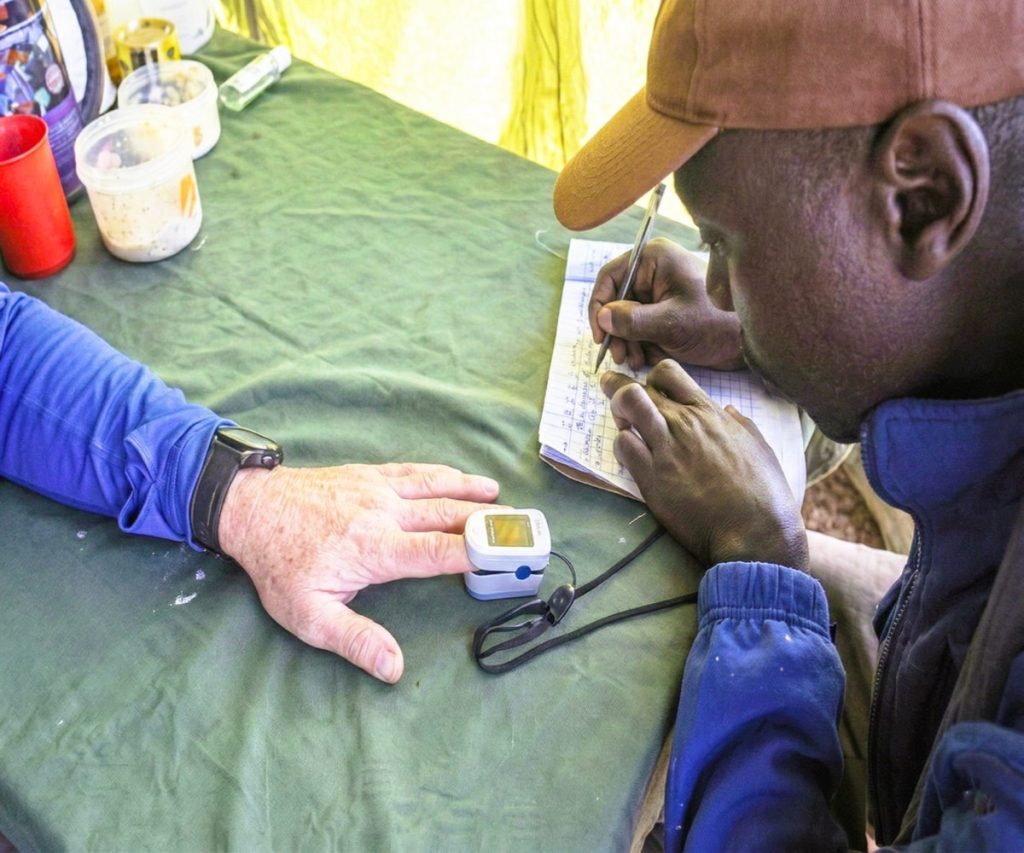
Altitude Mountain Sickness (AMS) is a reality for many climbers. Studies show about 77% experience some mild symptoms. Your guides are trained to watch for this. They will check your pulse and oxygen levels daily. The key is to go slow and drink lots of water. Also, tell your guide immediately if you feel a headache or nausea. Dizziness is another sign. The “climb high, sleep low” pattern reduces this risk. In rare cases of serious illness, a clear evacuation plan exists. Operators with trained guides can stabilize a situation. They can coordinate a rapid descent. Often, this is the best medicine. Knowing these protocols exist should give you peace of mind.
Packing lists can be long. So, think in layers. You need comfortable clothes for warm days. You also need insulating layers for cold camps. Finally, pack a very warm summit outfit for the final cold night. A good, broken-in pair of hiking boots is your most important item. You also need a warm sleeping bag. It should be rated for below-freezing temperatures. A headlamp is essential for summit night. Also, pack a day-pack for your water and snacks. Your operator provides the tent, sleeping mat, and all meals. Do not pack your fears. Pack only what you need. A lighter pack on the mountain makes every step easier.
When you have gathered information, use this simple checklist. It helps make your final choice. First, is the operator licensed by the parks authority? Second, are their guides certified in wilderness first response? Third, is the company a member of the porters welfare project? Fourth, does the Machame route itinerary have seven or more days? Fifth, what is the guide-to-client ratio on summit day? Sixth, can they share stories from past climbers? Seventh, are they based in Moshi? Answering these questions leads you to a great team. They will prioritize your safety and success. They also respect the mountain’s people. These practical Machame route tips build confidence.
“`