
Thinking about a Marangu route itinerary is an exciting first step. Known as the “Coca-Cola” route, Marangu offers a unique, hut-based experience. This guide walks you through a realistic, day-by-day journey. We go beyond just distances and camps. We talk about what you will truly feel, see, and experience each day. Our goal is to give you clear and practical information. This will help you prepare your body and pack your bag. It also builds your confidence for an unforgettable journey to the roof of Africa.

Marangu is often called the “tourist route.” This does not mean it is easy. It means it is the most established path. It is famous for its comfortable sleeping huts. The huts offer shelter from the weather. You sleep in bunk beds with mattresses. This is a luxury not found on other routes. The path itself is more direct and less steep than others. This makes it a logical choice for a simpler trek. However, this directness is also its main challenge. It provides less time for your body to get used to the high altitude. So, choosing a 6-day Marangu itinerary is a critical decision. It is better than the faster 5-day option. The extra day gives you vital time to acclimatize.

Your climb starts long before you reach the mountain gate. It starts in Arusha. This bustling city is more than just a place to land. It is your operational basecamp. A good tour operator will use your time here wisely. You should expect a thorough pre-climb briefing with your lead guide. This meeting is where you ask all your last-minute questions. A professional team will also check your gear here. They make sure you have the right clothing and equipment. Many operators can help you rent any missing items. This day in Arusha is for rest and preparation. It is also for mental focus. A comfortable hotel and a good meal are your first tools for success.
After a drive from Arusha, you arrive at the Marangu Gate. The air is warm and the mood is energetic. Here, you meet your full crew. This includes guides, cooks, and porters. After registration, your walk begins. The first day is a gentle, steady climb through lush rainforest. The path is well-defined and soft underfoot. You walk for about 4 to 5 hours. This covers 8 kilometers. The air is thick and humid. You might hear colobus monkeys in the trees above. You could also see colorful birds. This day is not physically hard. Its purpose is to let you find your walking rhythm. You also bond with your team and start the journey. You spend the night at Mandara Hut. It is a collection of cozy A-frame huts nestled in the forest.
You leave the rainforest behind today. The trees get shorter and the landscape opens wide. You are now entering the moorland zone. The views become spectacular. You can see the plains of Tanzania far below. The terrain is more rugged. There are rocky paths and strange, giant plants. These are called senecios and lobelias. This day is longer and more challenging. It involves about 6 to 8 hours of hiking over 12 kilometers. As you climb higher, you might start to feel the altitude. A slight headache or shortness of breath is normal. The key is to go slowly. Your guide will remind you: “Pole, pole” (slowly, slowly). Reaching Horombo Hut is a big achievement. You are now at 3,720 meters. You sleep here for two nights. This is the secret to better acclimatization.
This is your most important day. You do not pack up and leave. Instead, you take a day hike to a higher altitude. Then you return to sleep at Horombo. This “climb high, sleep low” strategy is the gold standard for acclimatization. A typical hike goes towards the Mawenzi peak. This is Kilimanjaro’s second summit. You might climb another 300-400 meters higher. This process gently pushes your body to adapt to thinner air. Then, you return to the lower elevation of Horombo to sleep. This allows your body to recover. It also helps build more red blood cells. This extra day dramatically increases your summit chances. Use this day to rest and hydrate. Also, mentally prepare for the bigger challenges ahead.
The landscape turns to alpine desert. It is stark, beautiful, and harsh. You leave the last green plants behind. The path is mostly rocky and exposed. The air is noticeably thinner. This hike is about 5 to 7 hours long. It covers 10 kilometers. You climb to 4,700 meters at Kibo Hut. This is your summit base camp. The mood often becomes quiet and focused. Everyone is thinking about the night ahead. When you arrive at Kibo, the routine is strict. Eat a good dinner first. Then, prepare your summit gear. You need your headlamp, warm layers, and water. After that, try to sleep for a few hours. Sleeping can be difficult at this altitude. Do not worry. Resting with your eyes closed is still valuable. You will be woken around midnight. Then you begin your final climb.
This is it. You start walking in the dark. Only your headlamp lights the path. The goal is to reach Gilman’s Point (5,681m) on the crater rim by sunrise. It is a steep, relentless climb on loose volcanic scree. You take one slow step, then another. The cold is intense. The wind can be fierce. This is a mental battle as much as a physical one. Trust your guide and follow their pace. About 5 or 6 hours after starting, you will see the first light. Reaching the rim as the sun rises is a moment you will never forget. From Gilman’s Point, it is another 1-2 hours along the crater rim. Then you reach Uhuru Peak, the highest point at 5,895 meters. After celebrating, you descend all the way back to Horombo Hut. This makes for a very long day. It is often 12-16 hours total. But the feeling of achievement is incredible.
Your final descent is a joyful march. You retrace your steps through the moorland. Then you go back into the beautiful rainforest. Your legs will be tired, but your spirit will be light. You walk for about 5 to 6 hours back to the Marangu Gate. At the gate, you receive your official summit certificate. This is also the moment to say thank you. You should give a tip to your hardworking crew. They have been your support system. Then, a vehicle takes you back to your hotel in Arusha. A hot shower and a soft bed await you. You will have time to reflect on your incredible journey.
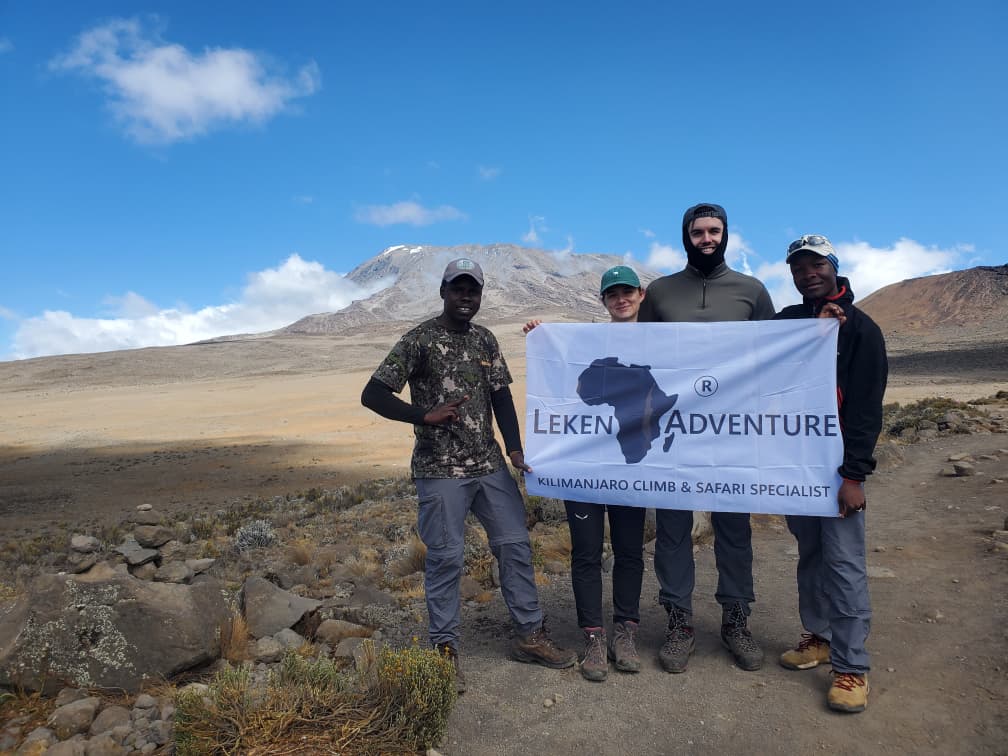
A safe and successful climb depends on two things. First is your preparation. Second is the quality of your support team. A reputable operator prioritizes safety with clear protocols. Guides should be trained in wilderness first aid. They must carry a medical kit and emergency oxygen. They will check your health twice daily. Also, ask about the crew size. There should be enough porters to carry the gear. This is important so no one is overloaded. Ethical treatment of the crew is vital. They should have proper equipment, food, and shelter. A well-supported team is a happy and motivated team. They are dedicated to your success. The overall success rate for the 6-day Marangu route is higher than the 5-day. It is often cited around 70-80% for well-organized climbs. This is precisely because of that extra acclimatization day.
You do not need technical climbing gear. However, you must have the right clothing. You will handle four climate zones. The rule is layering. Start with a moisture-wicking base layer. Add a warm fleece or down jacket for insulation. Your outer layer must be waterproof and windproof. You need a jacket and pants. For your summit night, you will need everything. This includes thermal base layers and multiple insulating layers. You also need a heavy down jacket and thick gloves. A warm hat and a balaclava are essential too. Good, broken-in hiking boots are your most important item. Other essentials include a comfortable daypack. You also need a sleeping bag rated for -10°C. Bring a headlamp with extra batteries and trekking poles. Do not forget a water bottle and high-SPF sunscreen. Also pack lip balm. Your tour operator should provide a detailed list.

How does Marangu compare to other routes? The main difference is the sleeping arrangement. Marangu has huts, but other routes use tents. The Machame (“Whiskey”) Route is more scenic and steep. It has better acclimatization profiles, but you camp in tents. The Lemosho Route is longer and more remote. It is considered one of the most beautiful routes. It also has very high success rates. Marangu is shorter and has huts. It is also less expensive. However, its shorter timeline can mean a lower success rate. This is true if you do not take the 6-day option. Think of it this way. Marangu is a direct and classic path. Routes like Machame and Lemosho are longer and scenic. They are loops that many believe offer a more gradual climb to the top.
It is often called the “easiest” because of the huts and direct path. However, “easiest” on Kilimanjaro is still very challenging. The shorter ascent profile makes altitude sickness a bigger risk. So, do not choose it because you think it will be easy. Choose it for the unique hut experience and classic journey.
The extra day at Horombo Hut for acclimatization is crucial. It gives your body time to adapt to the high altitude. This one day significantly increases your chance of reaching the summit. It also helps you feel strong and safe.
It can be extremely cold. Temperatures are often between -10°C and -20°C with wind chill. This is why proper gear is so important. You need a high-quality down jacket and thermal layers. Good gloves are also a requirement for safety.
Professional guides are trained to spot signs of altitude sickness. They will monitor your health. If necessary, the guide’s decision to descend is final for your safety. A good operator will have emergency procedures. This includes portable oxygen and a plan for rapid descent.
No, but you need to be very fit. The best training is regular, long-distance hiking. Aim for 6-8 hours with a pack. Combine this with cardio like running or cycling. Mental stamina is just as important as physical strength.
Look for a company that is licensed. It should have experienced and certified guides. Ask detailed questions about their safety protocols. Also ask about crew welfare standards. This includes fair wages and proper gear for porters. Check what is included in the price. Then, read past client reviews.
Tipping is a customary and important part of the climb. Your operator will give guidelines. As a rough estimate, budget around 10-15% of your tour cost. This is shared amongst the guide, assistant guide, cook, and porters. It is a thank you for their hard work.
There is no electricity in the huts. You must bring portable power banks or solar chargers. Charge all your devices fully in Arusha before you start the climb.
Food is plentiful and designed to give you energy. Expect meals like porridge and soups. You will also have pasta, rice, vegetables, and meat or fish. Good operators provide fresh and well-cooked meals. Always communicate any dietary needs when you book.
No, it is not guaranteed. However, most people will feel some mild symptoms. These include a headache or loss of appetite. The key to managing it is proper acclimatization. Go slow and drink 3-4 liters of water daily. Also, communicate any symptoms to your guide immediately.