
The Marangu route Kilimanjaro offers a unique path to Africa’s highest peak. It is a journey filled with steady steps, mountain huts, and a special adventure. Many call it the “Coca-Cola” route or the easiest way up. But easy here means a clear, well-trodden path. It is not a simple walk. Your success depends more on your mind and preparation than on raw strength. This guide walks with you quietly. It explains what to expect on the Marangu route Kilimanjaro. It shows how to prepare your body and gear. It also helps you make smart decisions for your climb. This guide is for first-time adventurers. It is calm, practical, and built to give you confidence.

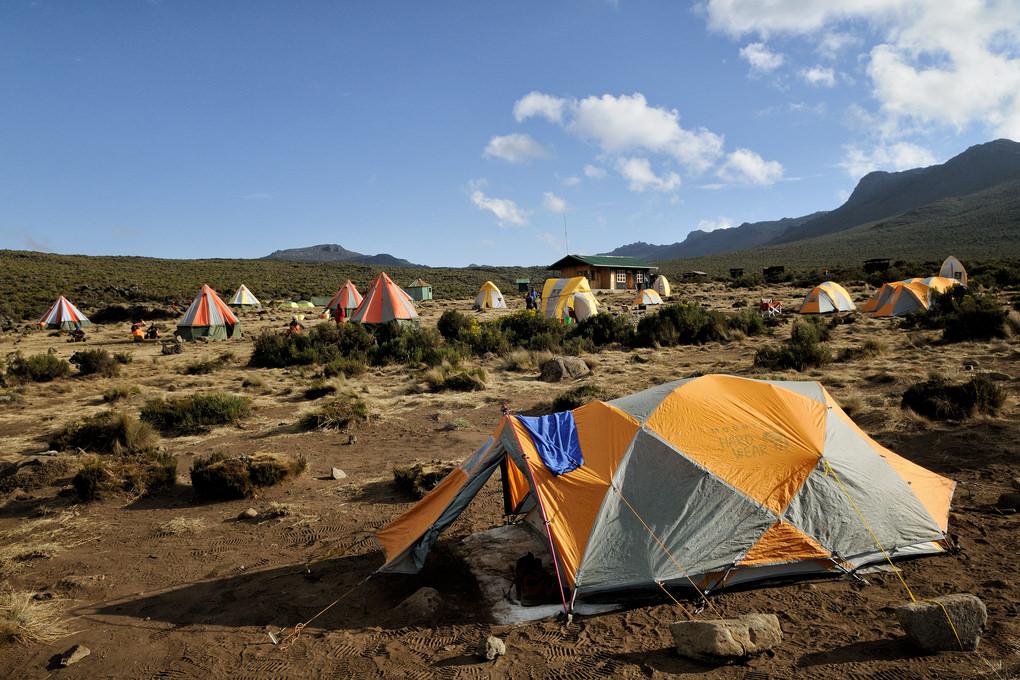
The Marangu route Kilimanjaro is famous for its huts. You do not camp in tents on this path. Instead, you sleep in simple dormitory huts along the way. This changes the experience completely. You have a solid roof and a bunk bed. You also share a room with other climbers. This creates a community feeling. The huts have basic facilities. Sometimes there is a common area, a place to eat, and simple toilets. So you carry less gear. You do not need a personal tent or a heavy sleeping mat. But the huts are not luxury hotels. They are mountain shelters. They are cold at night. They are also very simple. This style is perfect for people who prefer a more structured shelter. It also means your porters and guides have a different job. They manage the hut spaces instead of setting up camp. This is a key part of the Marangu identity.
People say the Marangu route is the easiest Kilimanjaro route. Let’s understand that word. “Easiest” here means the trail is clear and steady. It is a well-defined path. The daily walks are slower and shorter compared to some other routes. You gain height slowly each day. But the total distance is not short. It is over 42 miles out and back. The altitude is the same as on any other route. You will climb to 5,895 meters. The air gets thin. Your body must adjust. The final summit day is a long, tough push for everyone. This happens no matter the route. So, easiest does not mean easy. It means the path is more straightforward. It is good for beginners who want a clear, predictable journey. But you still must prepare your body and mind for the challenge of high altitude.
Most Marangu climbs take five or six days. The extra day is very important for your body to adjust to the altitude. Here is a calm day-by-day picture. Day one: You start at Marangu Gate. You walk through a beautiful, green rainforest. You hear birds and see moss on trees. Then you arrive at Mandara Hut. Day two: You leave the forest and enter the moorland. The plants change. The views open up. You walk to Horombo Hut. Day three: This is a key day. On a five-day climb, you go straight to Kibo Hut. On a six-day climb, you spend a second night at Horombo Hut. This extra day is for acclimatization. You might take a short walk to higher ground. Then you return to sleep lower. This helps your body a lot. Day four (or five): You wake very early at Kibo Hut. You start the summit climb in the dark. You walk slowly to Gilman’s Point and then to Uhuru Peak, the true summit. You see the sunrise from the roof of Africa. Then you descend all the way back to Horombo Hut. Day five (or six): You finish your walk. You return through the moorland and rainforest to Marangu Gate. Each day has its own feeling and challenge.

Acclimatization is how your body gets used to thin air. It is the most important part of your climb. On the Marangu route Kilimanjaro, the standard five-day schedule does not give much time for this. That is why success rates can be lower on the five-day plan. Your body needs time. The six-day plan adds an extra day at Horombo Hut. On that day, you walk higher. You might go towards Zebra Rock or even partway towards Kibo. Then you return to sleep at Horombo. This “climb high, sleep low” method is the best training for your body. It tells your blood to carry more oxygen. Without this, you risk headaches, nausea, and serious altitude sickness. Choosing a six-day Marangu climb is a smart decision. It helps your safety and your chance to reach the summit. Listen to your guides. Walk slowly, always. Drink plenty of water. These simple acts are your best tools.
Success rate means the percentage of climbers who reach the summit. For the Marangu route Kilimanjaro, this number is often lower than for other routes. Why? The main reason is the shorter time. Many people choose the five-day schedule. Their bodies do not have enough days to adjust. A six-day Marangu climb has a much higher success rate. It gives your body the extra day it needs. Your personal success rate also depends on you. Good physical preparation before the climb matters. Walking slowly on the mountain matters. Listening to your guide matters. Drinking water matters. Choosing a good operator that cares about safety matters. Do not let a low overall number scare you. You can increase your own chances. Choose the six-day option. Prepare well. Have a calm, patient attitude on the trail.
Because you sleep in huts, your packing list is a bit different. You do not need a tent or a camp mattress. But you still need a warm sleeping bag. The huts are cold at night. You need good, layered clothing for all weather. This includes warm base layers, a fleece, a waterproof jacket, and a heavy summit jacket. You need a strong daypack for your water, snacks, and camera. You need broken-in hiking boots, several pairs of socks, and a hat for the sun and the cold. You need a headlamp for the early summit walk. You also need personal items like toilet paper, wet wipes, and a small towel. Your main luggage will be carried by porters in a duffel bag. Keep that bag under 15 kilograms. Pack everything in plastic bags inside your duffel. The rain can come suddenly. Your operator should give you a detailed list. Follow it closely.
Safety is the most important thing. A good operator follows strict safety protocols. Your guide will check your health every day. They will ask about your headache, your appetite, and your sleep. They carry a basic oxygen supply for emergencies. They also know the signs of altitude sickness. They will slow down the walk if needed. They might decide to descend if someone is sick. You must listen to them. Your team includes guides, porters, and a cook. These are experienced mountain people. Treat them with respect. They are your support system. You can help your own safety by being honest about your feelings. Do not hide a headache. Drink water constantly. Aim for 3 to 4 liters each day. Walk slowly, even if you feel strong. Rest when you are told to rest. These simple actions keep you safe.
People often compare Marangu to Machame. Machame is called the “Whiskey” route. It is longer, often six or seven days. You camp in tents. The path is more scenic. It has more views. It also has a better natural acclimatization profile. This is because the path goes up and down more before the summit. Machame generally has higher success rates because of this. The Marangu route Kilimanjaro is more direct and uses huts. Which one is for you? If you prefer a more predictable path with shelters, choose Marangu. Also, pick the six-day option for safety. Then Marangu is excellent. If you enjoy camping and want a more varied scenic walk, Machame might suit you. There are other routes too, like Lemosho or Rongai. Each has its character. The “hardest” route is often considered the Umbwe route. It is very steep and direct. Marangu is not the hardest. It is a steady, classic climb.
Your climb is supported by a team. Porters carry your duffel bag, food, and equipment. They work hard. They deserve fair pay, good food, and proper shelter. Ask your operator about their porter treatment policies. Good operators care for their team. The logistics start in Arusha or Moshi town. You will meet your team there. You will check your gear. You will get a briefing. Then you drive to Marangu Gate to start the walk. After the climb, you return to Arusha or Moshi for a celebration dinner and a certificate. The towns are lively. They have places to rest and eat. Planning includes your flights. You also need a night before the climb in town. Perhaps add a rest day after. Allow time for this. The mountain is the highlight. But the entire journey from your home to Arusha to the gate and back is part of your adventure.
Your final decisions set your experience. First, choose time. Select the six-day Marangu climb for a much better chance of success and safety. The extra day is worth everything. Second, choose your operator carefully. Look for one with good safety practices. They should also treat porters fairly and communicate clearly. They should provide a detailed gear list and a full briefing. Third, prepare your body. Walk regularly for months before your climb. Get used to your boots. Do some hills if you can. Fourth, prepare your mind. The climb is a mental journey. You will be tired. You will be cold. You will question yourself on summit night. Your mindset must be calm and patient. Focus on slow steps, deep breaths, and the beauty around you. Trust your team. Celebrate each day’s small victory. This is how you reach the top.
It is often called the easiest because the path is clear and steady. Also, the daily walks are shorter. But “easiest” does not mean easy. The altitude challenge is the same as on any route. You must prepare your body and mind.
No. The Marangu route Kilimanjaro uses dormitory huts for sleeping. You do not need a personal tent or a camping mattress. You will need a warm sleeping bag because the huts can be cold at night.
The 5-day climb is faster. But it gives your body less time to adjust to the altitude. This often leads to a lower success rate. The 6-day climb adds an extra acclimatization day at Horombo Hut. This greatly increases your safety and chance of reaching the summit.
The overall success rate for the Marangu route Kilimanjaro is often lower than other routes. This is mainly because many people choose the shorter 5-day schedule. By choosing the 6-day schedule, preparing well, and walking slowly, you can significantly increase your personal chances of success.
The hardest part is the summit day. You start walking very early in the cold dark from Kibo Hut. You climb steep, loose scree to Gilman’s Point. Then you walk along the crater rim to Uhuru Peak. It is a long, slow push that tests your endurance and mind.
Walk regularly for several months before your trip. Get used to walking for 4 to 6 hours. Do some hill walking if possible. Break in your hiking boots. General fitness and stamina are more important than speed or strength.
The main risk is altitude sickness. This can range from mild headaches to serious conditions. To stay safe, choose a 6-day climb for better acclimatization. Also, drink 3-4 liters of water daily. Walk very slowly. Report any symptoms to your guide immediately.
Marangu is beautiful. It passes through rainforest and moorland. However, routes like Machame and Lemosho are often considered more scenic. They offer more varied landscapes and views from different sides of the mountain.
Look for an operator that emphasizes safety protocols and daily health checks. They should also treat porters fairly and pay them well. Clear communication is key. They should provide a full gear list and a detailed briefing before the climb. You can also review their tours and safaris to see their offerings.
Your guide’s first priority is your safety. If you show signs of serious altitude sickness, they will guide you to descend immediately. It is the only safe treatment. Good operators have protocols for assisted descents. They will support you throughout.