

Introduction
Planning your first big mountain climb can feel like packing for a trip to the moon. What route works best? How cold does it get? Will my legs survive? Let’s start simple. Mount Kilimanjaro stands 5,895 meters tall in Tanzania – the highest free-standing mountain in Africa and a dormant volcano. While no technical climbing skills are needed, the thin air and long summit night test everyone. This guide will explain routes in a friendly way, helping you pick the path that matches your pace.
Kilimanjaro 101: What Every First-Timer Needs to Know
Kilimanjaro isn’t just “a big hill.” It’s three volcanic cones resting under glaciers, with temperatures swinging from beach-warm to freezer-cold. You’ll hike through rainforests, alpine meadows, and rocky moonscapes – all on the same trip! The mountain sits near Tanzania’s border with Kenya, but you don’t need special visas beyond Tanzania’s entry requirements. For a deeper understanding, check this guide to Kilimanjaro’s height.
Picking Your Path: Routes Made Simple
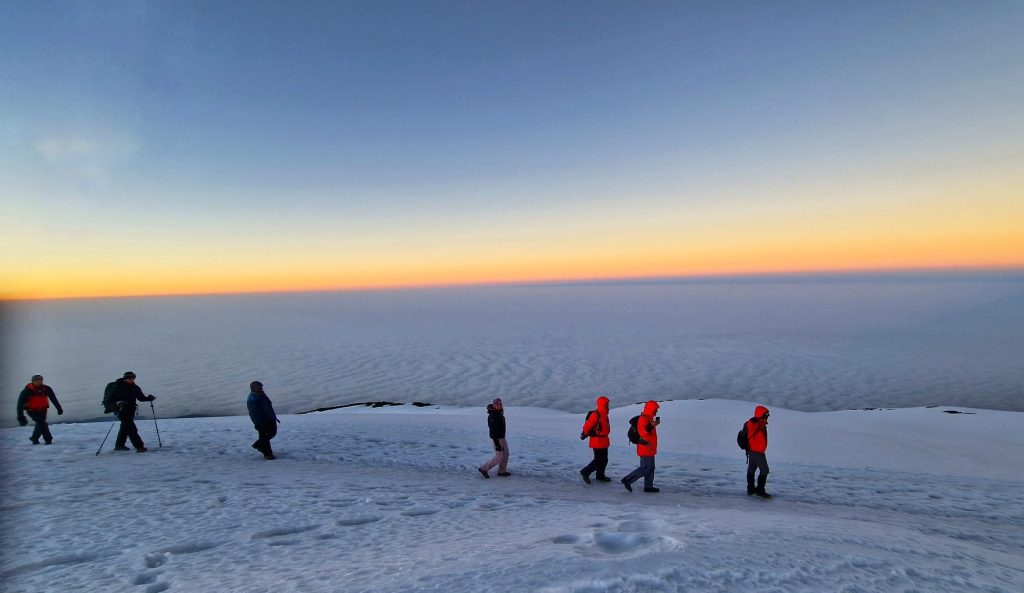
Routes are like ice cream flavors – each has its own texture. The 7-9 day paths (Lemosho, Northern Circuit) act like slow-cooker meals, allowing your body to adjust to altitude gently. Shorter 5-6 day routes (Marangu, Umbwe) rush you upward, which often leads to headaches or failed climbs. Think of it like blowing up a balloon too fast – the risk of popping increases.
Beginner’s Best Friends: Lemosho & Northern Circuit
Lemosho is the patient friend who says “Let’s rest here.” Taking 7-8 days, it winds through quiet forests and gives time to acclimate. Success rates soar above 90% here. The Northern Circuit (8-9 days) is even gentler, looping around the mountain’s less crowded north side. Both may cost more than rushed routes, but they prevent “why did I skip rest days?” regrets.
Middle-Ground Options: Machame & Rongai
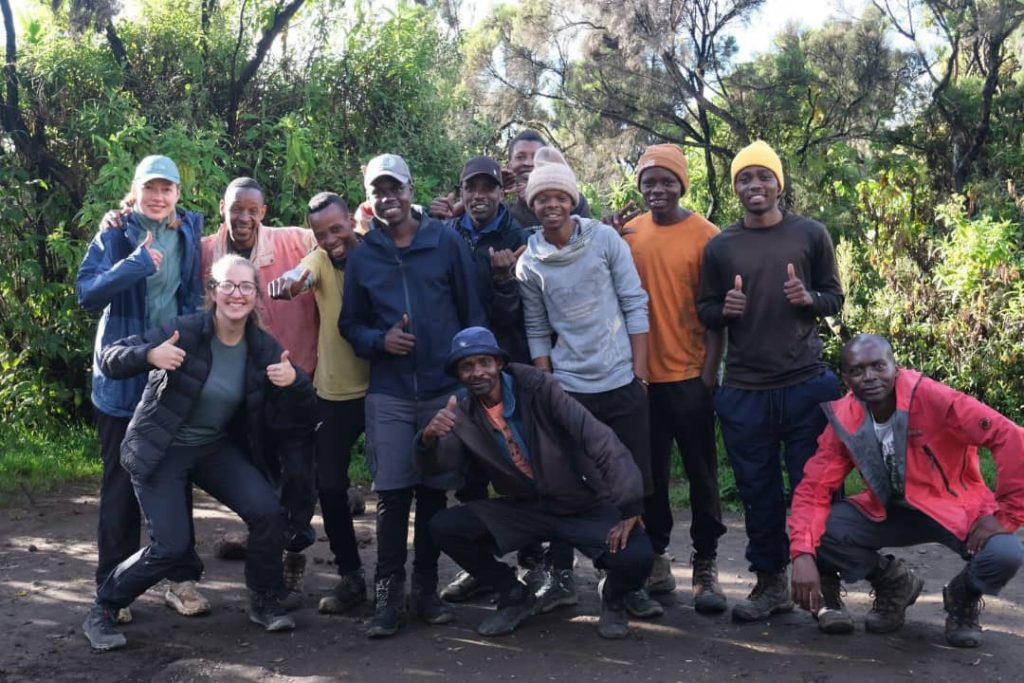
Machame (6-7 days) offers stunning views but feels busier, like a popular hiking trail on a sunny weekend. It’s doable for fit beginners who have trained on stairs daily. Rongai (6-7 days) approaches from the north near Kenya, providing wildlife spotting chances but less rain protection. Both require solid stamina but don’t demand mountain climbing experience.
Routes to Respect: Marangu & Umbwe
Marangu (5-6 days) uses hut shelters instead of tents, tempting those who dislike camping. However, its quick ascent drops success rates below 60%. Umbwe (5-6 days) is the steepest path – imagine climbing ladder-like trails daily. These routes suit experienced hikers who’ve tackled altitude before. Newcomers often struggle here.
In a Nutshell…
Your success on Kilimanjaro starts with two choices: taking enough days (7+ ideal) and listening to your body. Like baking a cake, rushing leads to messy results. Whether you choose Lemosho’s quiet trails or Machame’s famous paths, proper preparation makes the summit possible. When you’re ready, reach out – we’ll help match you with the perfect route and preparation plan.
FAQs
- Q: What are 5 facts about Mount Kilimanjaro?
- A: 1) Africa’s tallest at 5,895m 2) Dormant volcano 3) Stands alone (not part of a range) 4) Has glaciers near the equator 5) Located in Tanzania
- Q: Where is Mount Kilimanjaro?
- A: Northern Tanzania, near Moshi town and Kenya’s border.
- Q: How many days to climb it?
- A: 7-9 days for best success; 5-6 days possible but riskier.
- Q: Easiest route for beginners?
- A: 8-day Lemosho or 9-day Northern Circuit.
- Q: Which route has the highest success rate?
- A: 9-day Northern Circuit (over 95%).
- Q: How hard is summit night?
- A: 12-14 hours hiking in freezing dark – toughest part mentally.
- Q: Did it erupt in 2018?
- A: No eruptions in modern times – last activity was 360,000 years ago.
- Q: Can beginners climb Kilimanjaro?
- A: Yes, with fitness training and a 7+ day route choice.
- Q: What wildlife might I see?
- A: Monkeys and antelopes in forests, rarely seen higher up.
- Q: How to train for the climb?
- A: Stair climbing, 5-mile hikes with a backpack, altitude walks if possible.