
We often call a Kilimanjaro route “scenic.” But what do we really mean? It is more than just a nice picture. It is about the journey itself. A scenic route offers constant change. It keeps your mind curious and your spirit engaged. Think of it as a long story with different chapters. Each day, the landscape around you changes completely. You see giant plants and strange rocks. You see skies that feel close enough to touch. This variety is very important. It helps you forget the tiredness in your legs. It gives you small moments of wonder. These moments push you forward. The Machame route is famous for this. It shows you many faces of the mountain. You do not just climb up. You travel through different worlds. You start in a wet, green jungle. You end in a cold, white world of ice. This constant change is the real gift of a scenic path. It turns a hard climb into a beautiful exploration.

The Machame route has a friendly nickname. People call it the “Whiskey” route. This shows it is a bit more challenging and exciting. But do not let that scare you. “Challenging” here means more interesting, not impossible. It is a trail built for adventure. The path is often steeper in parts. This actually helps your body adjust to the high altitude better. More importantly, it has a strong reputation. It is known as one of the most scenic Kilimanjaro routes for a good reason. The trail winds around the mountain. This gives you views from different angles. You see deep valleys and tall cliffs. You walk along ridges where you can see for miles. This route is perfect for people who want to feel connected to the landscape. It asks for a bit more effort. However, it gives back ten times more in beauty. You will also feel a deep sense of achievement.
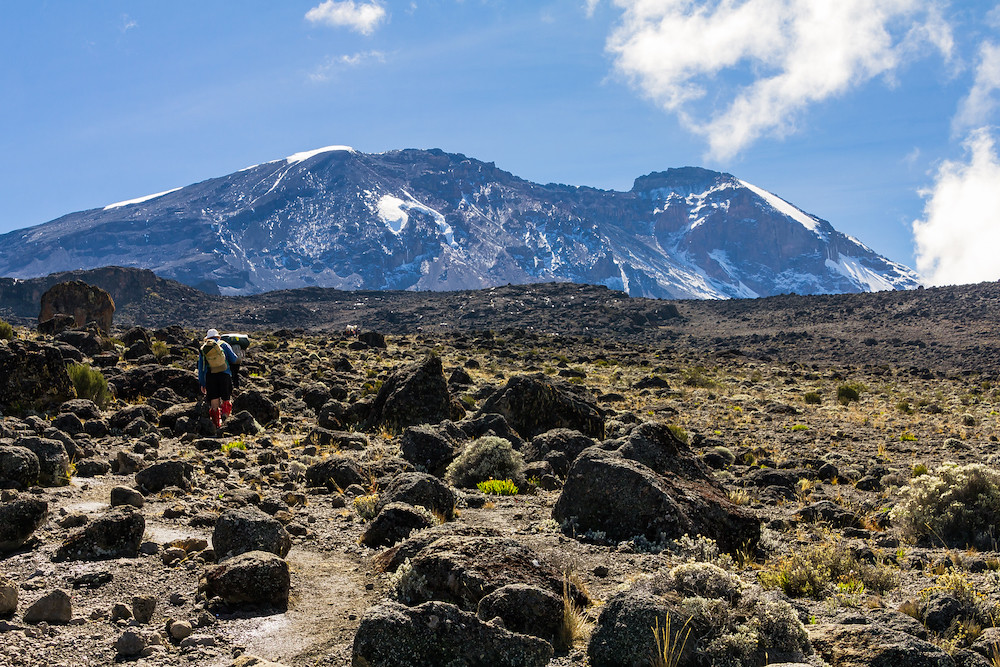
Let us walk through the Machame route day by day. This is the detail many guides miss. Day one starts in the lush rainforest. The air is thick and humid. You hear birds and might see monkeys. It is a gentle introduction. Day two brings you out of the trees. You enter the heath and moorland. The plants get shorter and stranger. Giant groundsels look like trees from a dream. Day three is often a shorter walk. This helps your body adjust. You might walk to the Lava Tower. That is a huge rock formation. Then, you descend to sleep lower. This “climb high, sleep low” method is key for success. Days four and five take you into the alpine desert. It feels like you are on the moon. It is barren, rocky, and incredibly beautiful. Finally, summit day starts at midnight. You walk under a blanket of stars. You reach the peak as the sun rises over Africa. Then, you have two days to descend. You will see the landscapes rush by in reverse.
You will see trips advertised for 6 days or even 5. Our strong advice is to choose a 7-day Machame itinerary. This is not a sales pitch. It is a safety and success strategy. Think of altitude like a new language for your body. It needs time to learn. A 7-day schedule builds in crucial extra time for this adjustment. The numbers speak for themselves. Climbers on 8-day routes have over a 90% success rate. On rushed 5-day routes, that rate can drop to near 50%. The extra day on a 7-day Machame trip is not for resting. It is for strategic “acclimatization” walks. You go a bit higher, then come back down to sleep. This tells your body to prepare for the thin air ahead. Choosing the longer path is the single smartest decision you can make. It respects the mountain. It also gives your dream the best possible chance. You will stand on the roof of Africa.
Your tour operator is your lifeline. This choice is more important than your boots or your backpack. Look beyond the price tag. Then, ask specific questions. First, are they licensed by the national park authority? This is a basic must. Second, where are they based? Operators based in Moshi, close to the mountain, often have better logistics. They also have more local knowledge. Third, ask about the guides. Do they have advanced wilderness medical training? This is a sign of a serious company. Fourth, ask about the guide-to-climber ratio on summit night. The best practice is one guide for every climber during that final push. Finally, ask for their success rate on the 7-day Machame route. A good company will share this with pride. These questions help you find a partner, not just a provider.
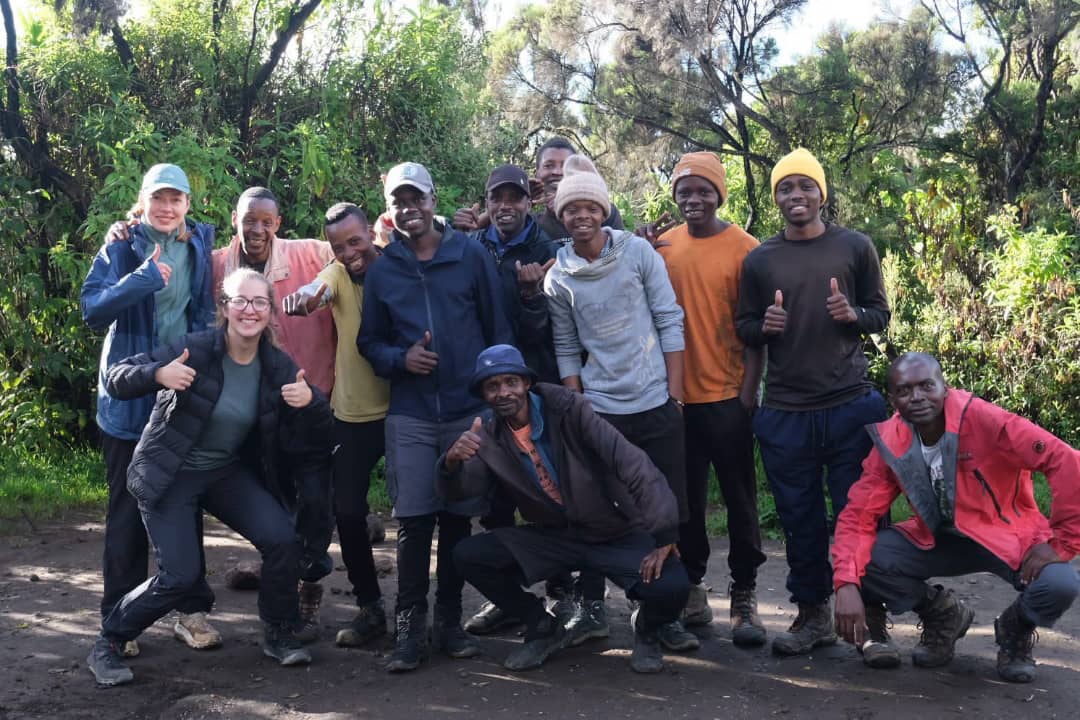
The team that gets you up the mountain is incredible. Porters carry the camp, the food, and the supplies. Their welfare reflects a company’s ethics. The easiest way to identify a good operator is simple. Ask if they partner with the Kilimanjaro Porters Assistance Project. This group sets rules for fair pay and proper clothing. It also sets weight limits for porters. An ethical company will be proud of this partnership. You can also ask more questions. Where do the porters sleep? Do they eat the same food as the climbers? Are they provided with proper shoes and jackets? A good operator treats its team like family. When you choose an ethical company, your climb supports fair local jobs. This makes your summit photo feel even better. You will know everyone on your journey was respected and cared for.
The operator does a lot, but you must prepare too. Start training months before. You do not need to be an athlete. However, you need walking stamina. The best training is walking uphill with a daypack. Do this for several hours at a time. Also, break in your hiking boots on long walks. Gear is crucial too. Your operator will give you a list. Pay special attention to a warm sleeping bag. You also need a good four-season jacket and waterproof layers. Do not forget a headlamp. The mindset is just as important. Prepare for a journey, not a race. Some days will feel hard. Your mantra should be “pole pole” (po-lay po-lay). This means “slowly slowly” in Swahili. This slow, steady pace is the secret to moving well at altitude. Come with an open mind. Be ready to embrace the challenge and the stunning scenery one step at a time.
A proper Kilimanjaro climb has a real cost. A 7-day Machame trip with a reputable operator generally falls within a certain range. This price includes your park fees. These fees are high and go to conservation. It also covers all your food and water on the mountain. You get all camping equipment too. The price includes salaries for your guide, cook, and porters. It also covers transport to and from the mountain. The price difference between operators often comes down to quality. This means the quality of food, tents, sleeping mats, and guide expertise. It also reflects the ethical treatment of the crew. A very cheap price often means corners are being cut. This could affect safety, food, or porter welfare. See your payment as an investment. You are investing in a safe, ethical, and successful experience. It is the cost of reaching the summit with a clear conscience and a healthy body.

Safety is the priority of a great operator. It happens in many small ways. First, your guide will check your health every morning and evening. They will ask simple questions. They may also use a small device to check the oxygen in your blood. This is normal and helpful. Second, the best climbs happen in small groups. This means the guide can watch everyone carefully. Third, the route itself is a safety feature. The Machame route’s design allows your body to adjust safely. This is especially true over 7 days. Fourth, a guide with advanced medical training can handle problems on the trail. Finally, a good guide knows when to encourage you. More importantly, they know when to say it is time to go down. Their goal is not just to get you to the top. It is to get you back down healthy. Your safety is their success.
Reaching the summit is a huge moment. However, the journey is not over. You must still descend carefully. The Machame route uses a different path down. This is easier on your knees. Once you are back at the gate, you will get a summit certificate from the park. It is a wonderful souvenir. In the days after your climb, allow your body to rest. Then, celebrate your amazing achievement. Think about the team that helped you. Many climbers choose to give a personal tip. This goes directly to their guide, assistant guides, cook, and porters as a thank you. This is a custom and is greatly appreciated. You will also have time to relax in Moshi. You could visit a nearby safari park too. Let the experience settle in. You did not just climb a mountain. You learned about your own strength. You witnessed incredible beauty. And you became part of a story much bigger than yourself.
Yes, absolutely. It is one of the most popular routes for first-timers. Its scenic variety keeps you motivated. Also, the 7-day itinerary provides enough time to adjust to the altitude safely. You need a good fitness level. However, you do not need any technical climbing skills.
The extra day is for acclimatization. It allows your body to get used to the thin air. You follow a “climb high, sleep low” schedule. This dramatically increases your summit chances. It also reduces your risk of getting sick from the altitude.
Look for a commitment to safety and ethics. This means asking about their guides’ medical training. Also, ask about their success rate on the 7-day route. Finally, check their partnership with the porters’ welfare organization. A good operator is transparent about these things.
It is the most challenging part of the climb. You start walking around midnight. It is very cold and the air is thin. But your guides will set a very slow pace (“pole pole”). Then, the breathtaking sunrise from near the summit makes every step worth it.
You will experience all four seasons in a week. The rainforest is warm and wet. The moorland can be cool and windy. The alpine desert is cold during the day. It is very cold at night. Summit night is extremely cold. So, good, layered clothing is essential.
No. You only carry a daypack with water, snacks, and extra layers. Porters will carry the rest of your gear. They also carry the tents, food, and cooking equipment. They even set up camp before you arrive each day.
Your guides are trained to spot the signs early. The primary and best treatment is to descend to a lower altitude. That is why the “climb high, sleep low” method is so important. A longer route helps prevent serious illness.
Focus on building walking endurance. Go for long hikes on hilly terrain with a backpack. Stair climbing and cycling are also good for fitness. The goal is to be comfortable walking slowly for many hours over several days.
Yes. Your operator will provide all the drinking water. It is collected from streams. Then, the cook team boils and filters it. You will refill your water bottles from large containers at camp each morning and after each hike.
Moshi is closer to the Kilimanjaro National Park gates than Arusha. This means less time in a vehicle on the first and last day. Many experienced local operators are based there. They offer deep community ties and efficient logistics. You can contact us for more guidance on planning your trip from Moshi.
“`