
Imagine this: the engine is off, and the only sound is the soft morning breeze brushing through the endless golden grass. Your guide points toward the horizon, where a line of dark figures moves with ancient purpose. “The migration,” he says. That feeling—the vast, quiet wonder—is what you’re here for. This is your simple guide to making it real. I’ve been guiding here for years, so I can tell you what a Serengeti safari is really like. You’ll learn about the breathtaking moments, the practical realities, and how to plan it right the first time.
First, let’s get our bearings. When you hear ‘the Serengeti,’ it often means two connected places: Serengeti National Park and the Ngorongoro Conservation Area. Picture them together. The Serengeti is an ocean of savannah, dotted with rocky kopjes and forests. It’s home to the Great Migration—a constant, circular journey of over a million wildebeest and zebra. Just southeast lies the Ngorongoro Crater, a sheer-walled caldera that feels like a lost world. A classic safari pairs these two icons. This journey moves through different chapters of a living story, from endless plains to a breathtaking, contained Eden.
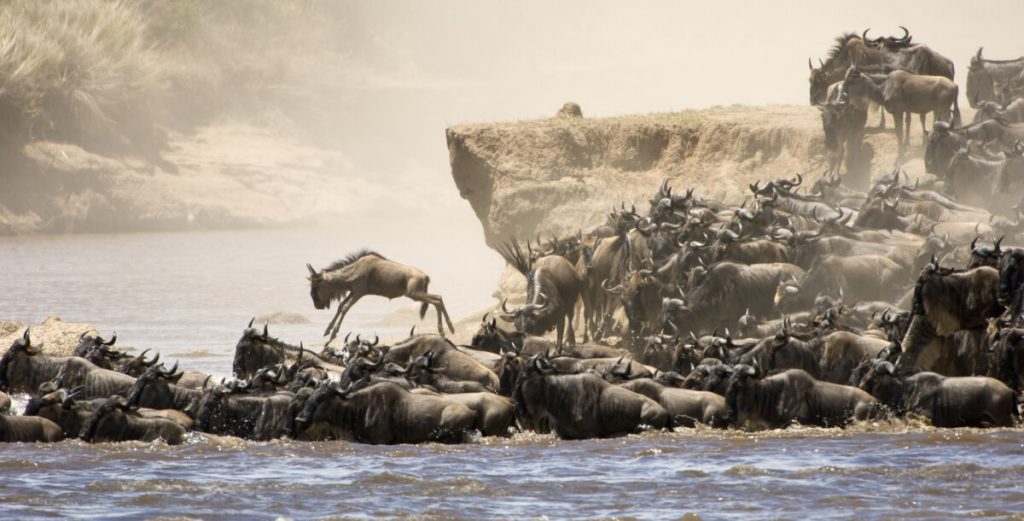
Everyone asks, “When is the best time?” The honest answer is: it depends on the story you want to see. The seasons here are driven by rain, and the migration follows the green grass. In the southern Serengeti, from late December through March, the wildebeest gather for calving season. This is a spectacular, predator-rich time. By late spring, they start moving north. Now, about those famous river crossings. Many sources say the dramatic Mara River crossings happen between July and October in the north. But here’s a guide’s truth: it’s not a scheduled show. The herds move with the weather, so one year’s timing can differ from the next. We build itineraries to place you in the right region, but the river itself decides the day.
Let’s talk about wildlife, honestly. The Serengeti ecosystem is home to the “Big Five”—lion, leopard, elephant, buffalo, and rhino. Some marketing promises “guaranteed” sightings, but I can’t promise you that. Wildlife is wild. A rhino in the Ngorongoro Crater is a rare and special glimpse. A leopard draped over a tree branch is a gift of perfect timing. What I can tell you is that the sheer volume of life is staggering. You will see lions. You will see elephants. You will watch a cheetah scan the plains and feel your heart stop. The migration, when you find it, is a humbling spectacle of sound and motion. A good guide doesn’t guarantee, he interprets. He turns every track and bird call into part of the story.

Your days will have a beautiful, predictable rhythm. You’ll be woken before sunrise with a soft knock and a tray of coffee. We leave at dawn because that’s when the animals are most active. The morning game drive is a cool, golden-hued adventure. We’ll stop for a bush breakfast under an acacia tree. You’ll return to your lodge or camp for lunch and a siesta during the midday heat. In the late afternoon, we head out again. Then we find a perfect spot as the sun begins to dip, park the vehicle, and enjoy a “sundowner” drink. That’s the cadence—active, restful, and deeply immersive. It’s not rushed; it’s paced for discovery.
This is a crucial piece of the puzzle. Your research shows a strong interest in “safari package prices,” and rightly so. The cost of a Serengeti safari is not one number. It’s a wide range shaped by three things: season, accommodation level, and what’s included. In the dry, peak season for wildlife viewing, prices are higher. Accommodation is your biggest variable—from comfortable, permanent tented camps to ultra-luxurious lodges with private plunge pools. A true “package” should include your park entry fees, which are significant. It should also cover full-board accommodation, all game drives in a private 4×4 with a driver-guide, and transfers between parks. What’s often not included are international flights, visas, tips, and premium drinks. Get a detailed breakdown; it’s the only way to compare.
Your safety and health are paramount, and planning ahead brings peace of mind. This region is a malaria zone, so consult your doctor well in advance for prophylaxis. Standard vaccinations are recommended. Also, a yellow fever certificate may be required depending on your travel route. In the vehicle, always listen to your guide and stay seated. Remember, the animals are not tame. On walking excursions, which only happen with an armed ranger, follow instructions precisely. The sun is intense, so pack strong sunscreen, a wide-brimmed hat, and neutral-colored, loose-fitting clothing for comfort. It’s all common sense, but being prepared lets you relax into the wonder.
The magic of the Serengeti exists because of conservation. As a visitor, you play a role. Choose operators who are deeply invested. Look for those who employ local guides, support community projects, and adhere strictly to park rules. This means staying on tracks and keeping a safe distance from animals. Ask how your stay benefits the people who live around these parks. A responsible safari isn’t a lesser experience; it’s a deeper one. It means knowing your park entry fee goes directly to its protection. It means the camp you sleep in treats its staff and environment with respect. This is travel that leaves a positive mark.
Your driver-guide is your window to this world. A great guide is a naturalist, a tracker, and a storyteller. Look for operators who invest in their guides with ongoing training. When evaluating an itinerary, think in nights, not days. To do justice to both the Serengeti and Ngorongoro, I’d suggest a minimum of five nights on safari. This allows for two different areas of the vast Serengeti and a full day descending into the Crater. Many travelers also combine this with a night near Arusha and a day in Tarangire National Park. Tarangire is famous for its massive elephant herds and baobab trees, creating a perfect northern circuit journey.
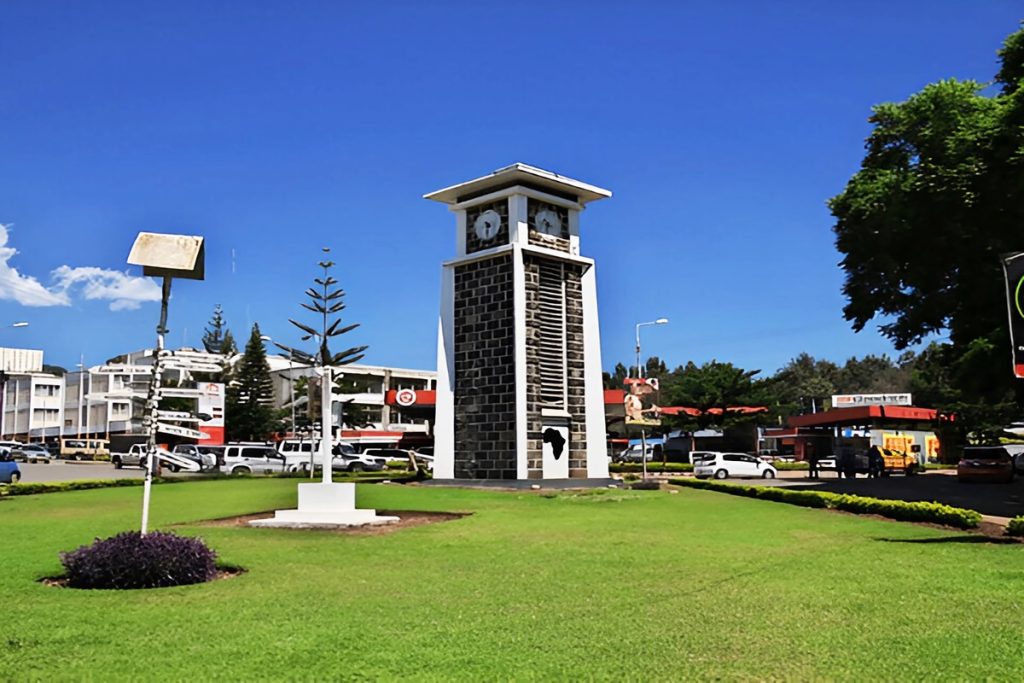
Almost every Serengeti journey begins and ends in Arusha. It’s a bustling, colorful town at the foot of Mount Meru, about an hour’s drive from Kilimanjaro International Airport. You’ll likely spend your first night here to recover from your long flight before the safari begins. It’s your last chance for any forgotten gear. More importantly, it’s where you’ll meet your guide for a full briefing. The real adventure starts the next morning with a drive west. This journey itself is part of the experience, as you pass through Maasai lands and the dramatic Rift Valley escarpment before the plains unfold.
So, where do you start? First, decide on your ideal season and the wildlife spectacle that calls to you. Then, set a realistic budget. Remember, this is an investment in a once-in-a-lifetime experience. Research operators carefully. Look for those with a clear ethos around guiding and responsibility. Ask for detailed, day-by-day itineraries and cost inclusions. Book at least six to twelve months in advance for the best lodges and guides during peak seasons. Finally, pack your sense of wonder, your patience for nature’s schedule, and your readiness for dust, awe, and early mornings. The plains are waiting to write their story on you.
“`