
The 5 Days Wildebeest Serengeti Migration Safari lets you witness the breathtaking Great Wildebeest Migration firsthand. But between the brochures and reality lies a gap: what does a real 5-day safari actually involve, and is five days enough? Let’ s talk honestly about what makes this specific trip length work, where your money goes, and how to set yourself up for a truly unforgettable experience.
As someone who plans these journeys every season, I’ll walk you through the practicalities that travel sites often gloss over. We’ll cover the real costs, the strategic timing for river crossings, and the simple choices that define your trip. This is your guide to making a confident, well-informed decision.

A 5 Days Wildebeest Serengeti Migration Safari isn’t just a marketing slogan; it’s a calculated strategy. Shorter trips don’t give you enough time in the prime Northern Serengeti zones like Kogatende and Lamai, where the famous Mara River crossings happen. You might rush in and miss the gathering.
The research shows that a five-day itinerary can increase your probability of witnessing a dramatic river crossing by around 40% compared to a shorter trip. Why? The herds often gather for 24 to 48 hours before they commit to a crossing. With five days, you have the patience and presence to wait for that moment. You’re not just passing through; you’re strategically positioned.
This timeframe allows for a realistic travel loop. You’ll typically spend your core days deep in the Northern Serengeti, dedicated purely to tracking the migration. It provides a buffer for travel days from Arusha and includes other iconic areas like the Central Serengeti, offering a more complete picture of the ecosystem beyond just the riverbanks.

Let’s talk numbers, because confusion here is the biggest source of traveler anxiety. Prices aren’t arbitrary; they reflect what’s included and the level of comfort you choose. You’ll generally see three clear tiers: Budget, Mid-Range, and Luxury.
Research indicates a broad range, from about $1,390 per person for a budget camping safari to over $2,800 for a high-end lodge or fly-in itinerary. This price is typically per person based on two sharing and includes park fees, full-board meals, game drives in a 4×4, and your guide. It does not cover international flights, travel insurance, or tips.
The difference between a $1,500 and a $3,000 trip isn’t just a nicer bed. At the higher end, you’re paying for permanent lodges or luxury tented camps with more space and amenities, often better-positioned vehicles with guaranteed window seats, and sometimes the option for a hot-air balloon safari (an extra cost). The budget tier involves participation camping or basic public campsites—more adventure, less frills.
Your choice between a road trip and a fly-in safari profoundly changes the experience. A classic road safari from Arusha is a full-day journey into the Serengeti—it’s an immersion, letting you see the changing landscape. A fly-in safari uses a small plane to reach the Northern Serengeti airstrips in about two hours.
The road option is more affordable and part of the adventure. The fly-in option saves a full day of travel each way, giving you more time on the ground with the herds, but at a significantly higher cost. There’s no right answer, only what’s right for your budget and tolerance for long drives on sometimes bumpy roads.
A well-designed 5-day itinerary will maximize your time in the Northern Serengeti corridor. This is non-negotiable for the migration. Be wary of itineraries that spend only one night there. You want at least two, preferably three nights based in or near the Kogatende or Lamai areas to track the wildebeest movements effectively during your 5 Days Tanzania wildebeest safari.
“July for the migration” is common advice, but it’s not precise enough. The herds move on their own schedule, influenced by rain and grass. For a 5-day safari focused on the Mara River crossings, you need to target the Northern Serengeti from late July through August and into September.
This is when the wildebeest and zebra congregate in this region, driven by dry conditions further south. Booking a trip in early July might see the herds still transitioning north, not yet concentrated at the river. Aiming for this later window within the dry season significantly increases your chances of dramatic action.
Think of it as a window, not a switch. The migration is a continuous, fluid movement. A good operator will have guides in contact with each other, radioing herd locations daily. Your five-day window in the right season, with a skilled guide, is your best possible hedge against nature’s unpredictability.
Forget rigid hour-by-hour schedules. A migration safari day is governed by animal activity. You’ll wake early—often before sunrise—for a quick coffee and biscuit before heading out at dawn. This is when predators are active and the light is magical. You’ll spend the morning driving, searching, and watching.
You return to camp or lodge for a hearty brunch and some rest during the midday heat. Late afternoon brings another game drive, as animals become active again until sunset. Evenings are for dinner, reliving the day’s sightings, and listening to the sounds of the Serengeti. It’s immersive, not hectic.
The most extraordinary days are those spent parked near a potential river crossing site. You might wait hours, watching thousands of wildebeest mill about nervously on the bank. The tension builds; then, suddenly, one goes, and a chaotic, thrilling crossing erupts. This waiting game is why you need those multiple days on location.
Tell us what you have in mind and we’ll build you a free, no-pressure itinerary with honest pricing — planned by a local team that runs these trips every day.
Transparency here builds trust. A proper safari package should always include: all national park fees and concession charges, accommodation as specified, all meals from lunch on day one to breakfast on the last day, drinking water, and game drives in a private 4×4 vehicle with a professional guide.
What is almost always excluded? International flights to Tanzania, visas, travel insurance (which is essential), gratuities for your guide and camp staff, alcoholic and premium beverages, and any personal purchases. Also, a hot-air balloon safari is a spectacular but separate add-on, typically costing several hundred dollars per person.
Read the fine print on “park fees.” Some operators bundle them; others list them as an additional daily cost that can add up to $700 or more per person for a 5-day trip. A truly all-inclusive quote should have no mandatory daily surprises. Always ask for a complete, line-item breakdown before booking your 5 Days Tanzania wildebeest safari.

This is a major gap in most brochures. A private vehicle means it’s just you, your travel companions, and your guide. You decide when to leave, how long to stay at a sighting, and when to head back. For a migration safari where patience is key, this control is invaluable.
A shared vehicle (joining a group) is more budget-friendly. However, you compromise on flexibility. The group must agree on schedules, and you might miss a crossing because someone wants to return to camp. For a once-in-a-lifetime trip focused on a specific natural event, the private vehicle is often worth the extra investment for the tailored experience.
Think about your tolerance for compromise. If your dream is to sit by the river for hours waiting, a shared vehicle might not be the right fit. Discuss this directly with your tour operator; a good one will explain the dynamics honestly and help you choose.
Packing wrong can affect your comfort more than you think. The key is layers. Mornings on the Serengeti, especially in open vehicles, can be surprisingly chilly. You’ll shed layers as the day warms up. Neutral-colored clothing (khaki, green, beige) is best—it’s less disruptive to wildlife and shows less dust.
Beyond clothes, your essentials are: a quality pair of binoculars (everyone will want to borrow yours), a high-SPF sunscreen and a wide-brimmed hat, a power bank for charging cameras in the vehicle, and a reusable water bottle. Don’t forget a good zoom lens for your camera; a phone camera won’t do the vast landscapes justice.
A small neck pillow and a light scarf or buff for dust are lifesavers on long game drives. Also, pack some moisturizer and lip balm—the air is dry. Remember, luggage is often limited to soft-sided bags or duffels due to space constraints in the safari vehicle, so pack smart and light when heading out on your 5 Days Wildebeest Serengeti Migration Safari.

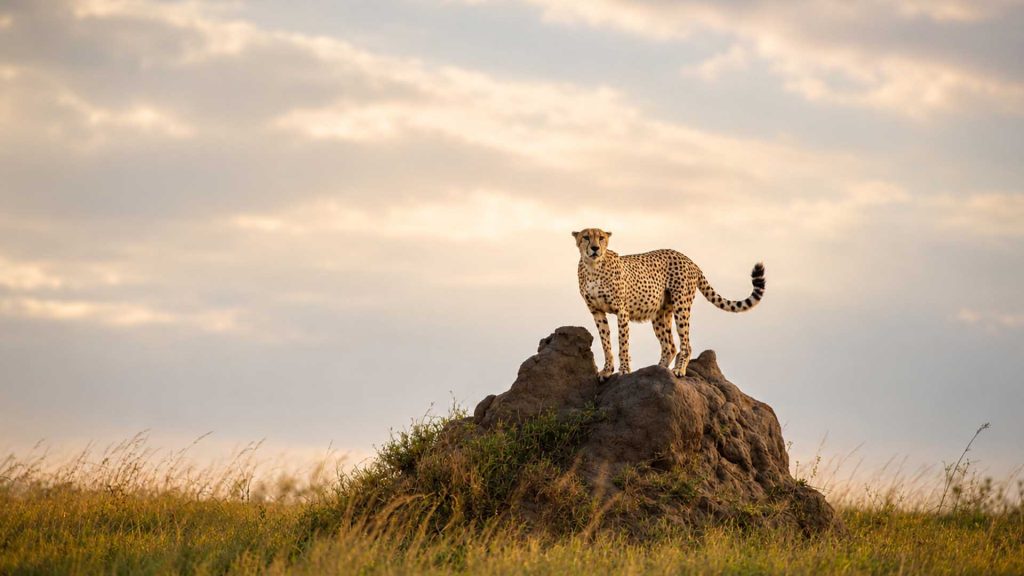
While the river crossing is the headline act, a five-day safari gives you the gift of context. You’ll see the vast herds grazing on the plains, learn about the predators that follow them, and understand the delicate balance of this ecosystem. You might witness a lion hunt on the open savannah or see a cheetah with her cubs.
You’ll also experience the sheer scale and beauty of the Serengeti itself—the endless horizons, the acacia trees silhouetted at sunset, the million stars at night. The migration is the engine, but the Serengeti is the stage. Your trip is about absorbing it all during your 5 Days Tanzania wildebeest safari.
A good guide will connect these dots for you, explaining how the wildebeest grazing patterns affect the grass, which in turn influences the gazelle, and so on. This holistic understanding is what transforms a series of wildlife sightings into a profound travel experience. It’s why you come for five days, not two.
If your absolute dream is to witness the tumultuous, chaotic drama of a river crossing, you need to design your entire trip around it. This means an itinerary that commits maximum nights to the Northern Serengeti, uses a guide renowned for migration tracking, and is timed for the peak probability period (late July-August). The 5 Days Mara river crossing safari itinerary is especially tailored to maximize these odds.
It also means managing expectations. No one can guarantee a crossing; the animals decide. But you can stack the odds heavily in your favor. The extra day or two that a five-day trip provides over a shorter one is your best tool. It allows for the patience required to be in the right place when the herd’s instinct finally pushes them across.
When it happens, it’s unforgettable. The noise, the tension, the crocodiles, the desperate swim. It’s raw nature at its most intense. Designing your 5 Days Mara river crossing safari with this single-minded focus increases your chances immensely, but remember to soak in everything else the Serengeti offers along the way.
“`