
Your decision between the Machame route vs Lemosho route is the biggest one for your Kilimanjaro climb. It shapes your whole experience. It affects the landscape you see and how your body feels each day. This guide walks you through that choice with calm and clear facts. Think of it as a friendly map for your mind before you pack. Both paths lead to the same incredible summit. But the journey is beautifully different. The rhythm of your days will change. The views outside your tent will change. The feeling in your legs will change. Let us explore these two great adventures together. Then you can choose the path that feels right for you.
Imagine two roads leading to a mountain top. One road is more direct. It climbs steadily and is often busy with other travelers. The other takes a longer and wider arc. It starts in a quieter and wilder place. It also gives you more time to walk slowly. This is the simple heart of your choice. The Machame route is often called the “Whiskey Route.” It is beautiful but challenging. It has some steeper climbs that get your heart pumping. The Lemosho route is known as the “premium” or “scenic” path. It starts on the western side where fewer people go. It also offers more days to get used to the altitude. Your decision is not about which is “better.” It is about what kind of walker you are. Do you want a robust and social climb that tests you? Or do you want a gradual and peaceful journey? The right path lets you settle into the mountain’s rhythm.
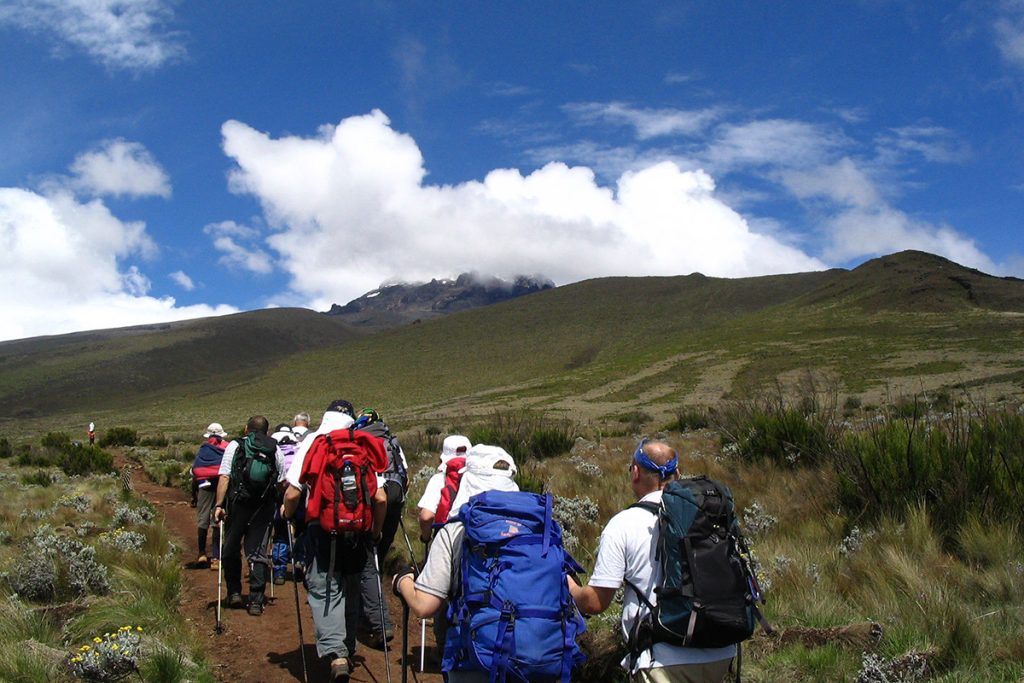
You must see the day-by-day journey to understand the feel of each route. Picture the Machame route as a six or seven-day adventure. The first day is a walk through beautiful rainforest to Machame Camp. Day two takes you up a rocky ridge into the heather zone. The path is clear and often busy. The Lemosho route begins very differently. The first two days are spent crossing the remote Shira Plateau. You might feel like an explorer finding a secret world. You see vast open spaces and unique plants. Both routes eventually meet near the Lava Tower. This is a famous landmark. But Lemosho reaches this point after more days of gentle walking. This map in your mind is key. More days on the mountain before the high points means your body has more time to adjust. It also means less rushing and more time for the views.
This is the most important fact for any climber. Your biggest challenge is not fitness. It is altitude. Your body needs time to get used to having less oxygen. This process is called acclimatization. Think of it like a slow and careful dance with the mountain. The Lemosho route is typically seven or eight days. It is designed for this dance. Its longer trail and special “walk high, sleep low” days help your body adapt safely. Success rates for eight-day Lemosho climbs are consistently over 90%. The Machame route is often done in six days. It moves a bit faster. It is still very successful, especially on a seven-day itinerary. But it asks your body to adapt on a tighter schedule. Choosing more days on either route is the single best thing you can do. It boosts your safety and your chance to stand on the roof of Africa.
How will your legs feel? The Machame route has a reputation for being more demanding on certain days. The climb from Shira Cave to Barranco Camp includes a section called the “Barranco Wall.” It is not technical climbing. But it involves using your hands to scramble over rocks. It is exciting and makes you feel like a real climber. The trail can be steeper and more direct in parts. The Lemosho route is generally more gradual. The slopes are longer but less steep. The trail under your feet on Lemosho is also less crowded and softer. It feels more like a wilderness trek. For a first-time climber worried about steep climbs, Lemosho can feel more forgiving. But both routes require good stamina. The summit night is equally tough on both paths. It is a long and cold walk under the stars.
What will you see from your tent? Both routes offer stunning beauty. But the flavors are different. The Machame route gives you classic and postcard views of Kibo peak. You walk through five distinct climate zones. You go from rainforest to arctic desert. The landscape changes dramatically every day. Because it is popular, you will meet more people at the camps. This creates a fun and social atmosphere. The Lemosho route is famous for its wide-open vistas on the Shira Plateau. The first few days feel incredibly remote and peaceful. You have a higher chance of seeing wildlife from a distance, like buffalo and elephants. The scenery is grand. It makes you feel small in the best way. If your dream includes quiet moments alone with the mountain, Lemosho’s early days deliver that magic.

Your choice of route is only half the decision. The other half is choosing the local team that will guide you. This is about safety and ethics. The best teams are based in Arusha and Moshi. Look for a licensed company that follows the highest standards. The most important thing is their care for people. This means they treat their porters and guides fairly. They provide proper gear, food, and wages. This matters because a happy and healthy team takes better care of you. Also, ask about the guide-to-client ratio. On summit night, a ratio of one guide for every one or two climbers is ideal. This personal attention is your safety net high on the mountain.
A Kilimanjaro climb is an investment in an experience of a lifetime. The price typically includes everything from when you land to when you finish. For a quality and ethical climb on either route, plan for a cost that reflects that care. This covers your park fees and your tent. It also covers all your meals on the mountain. It pays the salaries of your guide, cook, and porters. Finally, it includes transportation from Arusha or Moshi. The Lemosho route is often a little more expensive than Machame. This is because it is a longer route. There are more park fees and more days of wages and food for the crew. Think of the cost as buying time. You get more days for acclimatization. You get more meals cooked for you. You get more steps guided safely. A transparent company will explain this all clearly with no hidden surprises.
The mountain creates its own weather. You will experience warm rain and cold wind. You will also face freezing nights. Your gear is your shield. For either route, you need the same core items. A warm sleeping bag rated for below zero is non-negotiable. A high-quality and waterproof jacket and pants will keep you dry. Layering is your best strategy. Use moisture-wicking base layers. Then add a warm fleece or insulated jacket. Finally, use an outer shell. Good and broken-in hiking boots are your most important piece of gear. Bring warm gloves, a hat, and a headlamp for summit night. Most good local companies provide a detailed packing list. They can also often rent you items like sleeping bags or trekking poles. Packing right is not about the most expensive brands. It is about having reliable and warm and dry layers for every part of the journey.

Safety is more than just a good guide. It is a system. The best operators build multiple layers of protection around you. First, guides should have advanced medical training. This includes Wilderness First Responder (WFR) certification. So they can handle altitude sickness or injuries far from a hospital. Second, they should have clear communication systems like radios. This connects them with their base office and the park rangers. Ask about their emergency evacuation plan. How would they get you off the mountain quickly if needed? Some teams use portable oxygen and carry specialized medical kits. They should also monitor your health daily. They will check your pulse and oxygen levels. This careful watching helps them spot signs of altitude sickness early. You should feel that your team has a plan for everything.
Now, with all this information, how do you choose? Sit quietly and ask yourself these simple questions. How many days can I realistically take? If you have only six days, Machame is your clear choice. If you have eight, you open the door to Lemosho’s advantages. What is my fitness level? If you are very confident in your stamina for steep climbs, Machame is a fantastic adventure. If you prefer longer and gentler slopes, lean towards Lemosho. What is my dream mountain experience? Is it a social journey with new friends at camp? Or is it a quieter and more solitary wilderness feeling? Your answers will point you clearly. Remember, there is no wrong choice. Both paths lead to the same sunrise over Africa. Both will change you. Choose the path that makes you feel excited and confident when you picture yourself walking it.
“`