
Your dream is to stand on the roof of Africa. The Machame route is a beautiful and popular path. It is often called the “Whiskey Route.” Success on this climb is not just about strength. It is about smart acclimatization. This guide will walk you through the process. You will learn how to let your body adjust to the high altitude. This ensures your climb is safe, enjoyable, and successful. Good Machame route acclimatization is the key to your summit day.
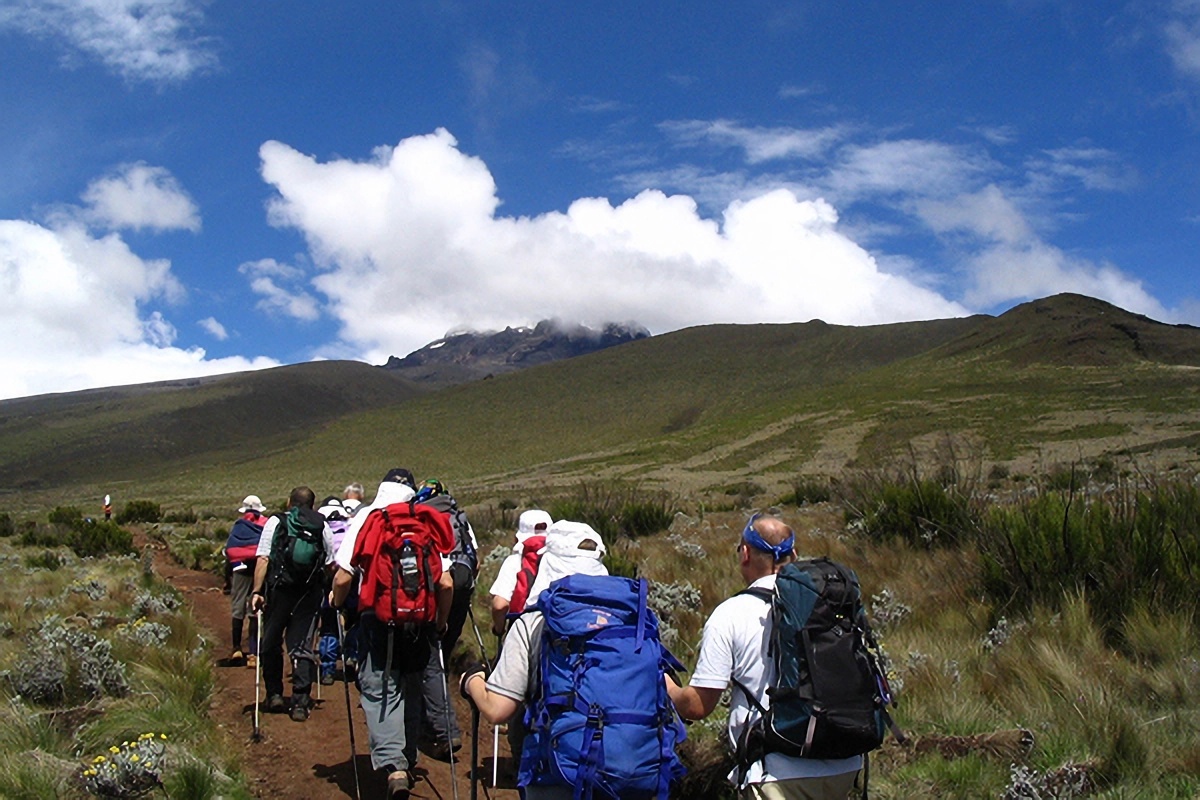
Acclimatization is a simple but vital concept. As you climb higher, the air pressure drops. So, there is less oxygen in each breath you take. Your body needs time to adapt to this thinner air. Then, it starts making small changes. Your breathing becomes deeper. Also, your heart pumps more blood. Your body even makes more red blood cells to carry oxygen. However, this process cannot be rushed. It happens slowly over days. The Machame route is well-designed for this slow adjustment. It has a good profile. You climb high but sleep lower. This is the golden rule of acclimatization. Following “climb high, sleep low” gives your body the hours it needs. It can adapt without stress.
The Machame route is often recommended for first-time climbers. This is for good reason. It is scenic and varied. The path passes through rainforest, moorland, and alpine desert. This keeps your mind engaged. More importantly, its standard itinerary is seven days. This longer duration is the key to proper acclimatization. A shorter, five-day climb has a much lower success rate. It is around 50%. But a seven or eight-day climb on Machame can see success rates over 90%. The extra days are not for walking more distance. Instead, they give your body more time. Each extra day on the mountain is a day your body spends adjusting. This makes you stronger for the final push to the summit.
Your guide is your most important partner on the mountain. A good guide understands acclimatization like a gardener understands growth. They will watch your pace, your breathing, and your energy. Also, they will insist on a slow, steady walk. “Pole pole,” as we say in Swahili, meaning slowly slowly. The ratio of guides to climbers is also crucial. For summit day, a one-to-one ratio is ideal. This means you have a dedicated guide with you every step. They provide personal encouragement and can monitor your health closely. So, choose an operator that provides this level of care. It makes a profound difference for your safety and success.
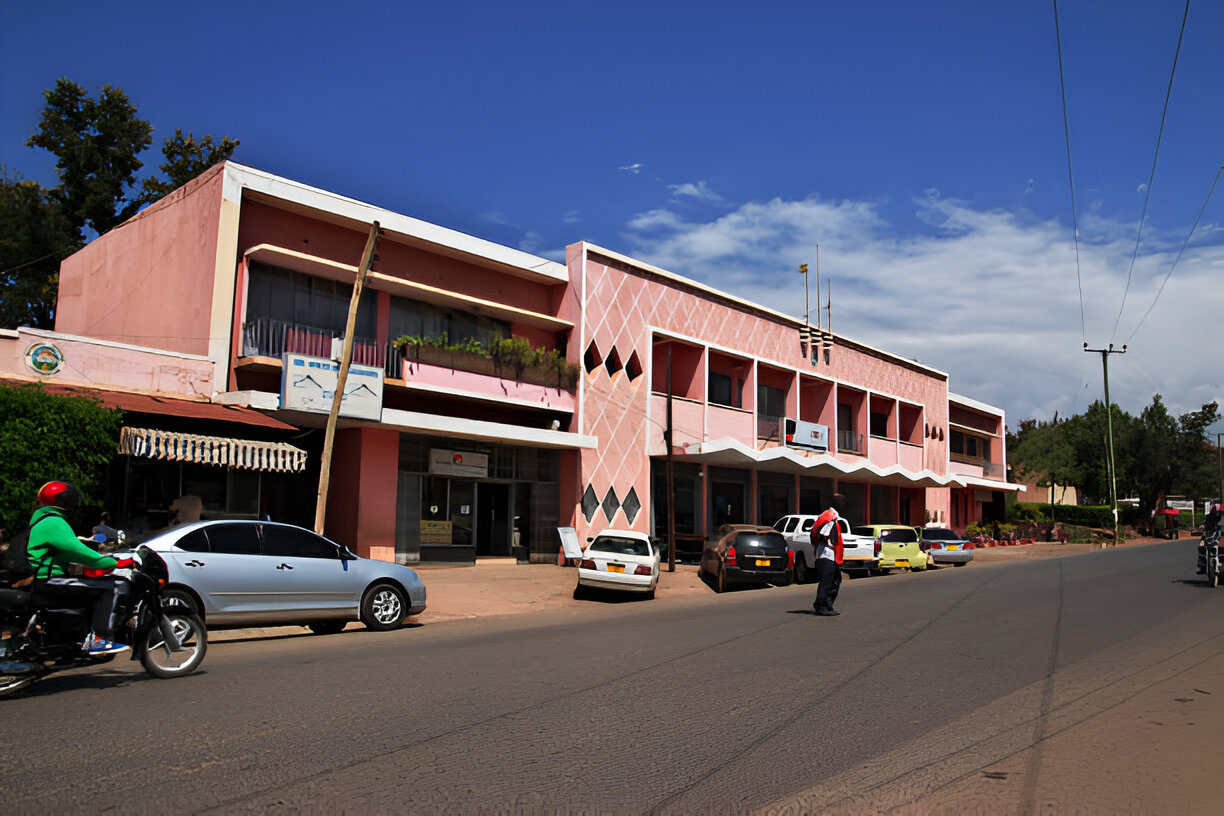
Most information talks about Moshi as the main town for Kilimanjaro climbs. But Arusha is another excellent basecamp. In fact, it is sometimes better. Arusha is a larger city with more infrastructure. It is the gateway to many northern safari circuits. For climbers who want seamless logistics, starting from Arusha can be very efficient. Perhaps you are combining a climb with a safari. Then, the drive to the Machame gate is straightforward. Arusha offers a wide range of international hotels. It also has better medical facilities for last-minute checks. Plus, it has a vibrant, welcoming atmosphere. So, it is a reliable starting point worth considering.
For a first-time climber, investing in a premium package is smart. You are investing in your success and safety. Look for packages that explicitly focus on acclimatization. This means a route of at least seven days. Eight or nine days is even better. A great package includes a private campsite on Mount Meru before the main climb. Spending a night at a high altitude on Meru gives your body an early start. It is a gentle beginning to the adjustment process. The package should also promise high guide-to-client ratios. This is especially important on summit day. It should use modern health monitoring technology too. For example, pulse oximeters check your oxygen levels daily. This data helps your guide make smart decisions about your pace.
A Kilimanjaro climb is a significant investment. The price range for a reputable operator on a seven-day Machame route typically starts from around $2,200 to $3,000. A premium acclimatization-focused package might be closer to $2,557 for a seven-day itinerary. This cost covers much more than just food and transport. It covers highly trained, certified guides. They often have Wilderness First Responder certification. It also covers the salaries and proper equipment for a full support team. Then, it covers park fees and quality camping gear. Plus, it covers emergency medical plans. Importantly, it covers the value of those extra days for acclimatization. So, view the cost as buying time. You are buying the time your body needs to adapt safely.
Physical preparation is important. But do not think you need to be an elite athlete. Instead, focus on building endurance. Long walks, hill hiking, and stair climbing are perfect. The goal is to get your legs and heart used to sustained effort. Mental preparation is equally important. Understand that the climb is a slow marathon, not a sprint. You will have days of bad weather and tired muscles. Perhaps you will have mild headaches from the altitude. A calm, patient mindset will help you. You can listen to your guide and follow the acclimatization plan. Then, you can persevere. Read stories and watch documentaries. Get your mind ready for the adventure.
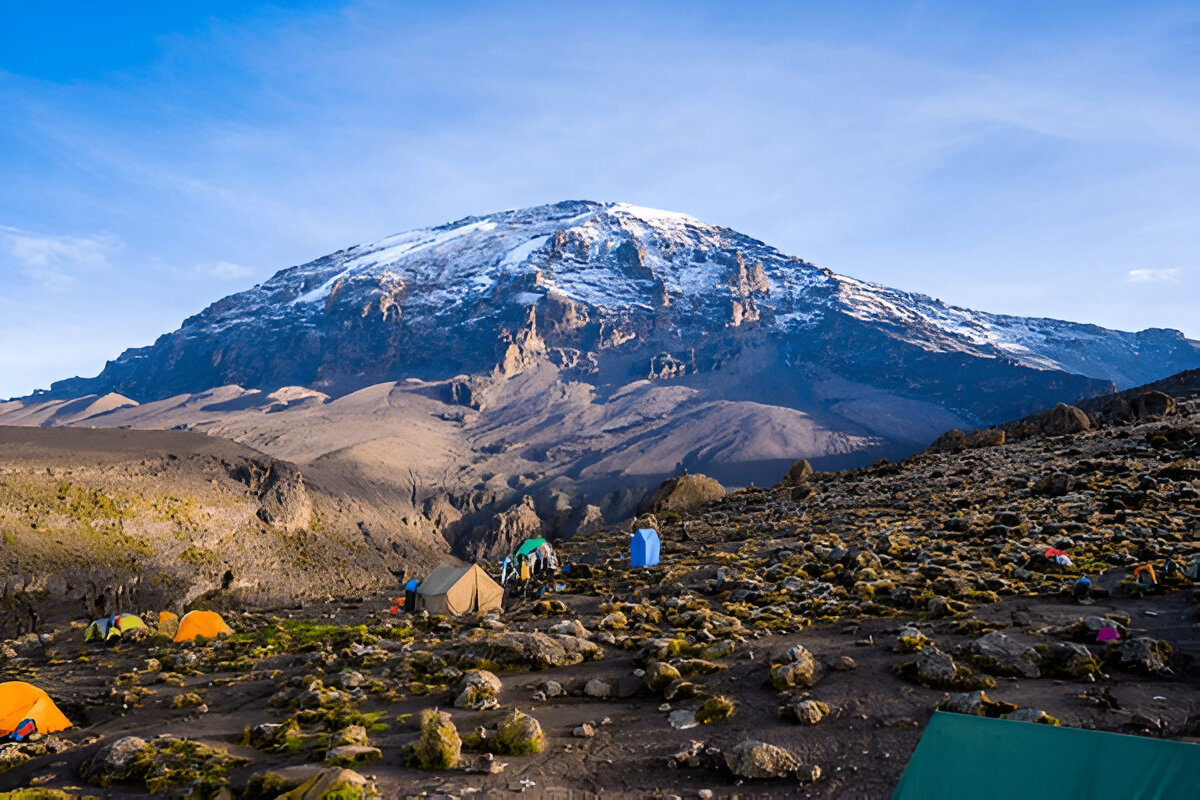
A typical seven-day Machame climb follows a careful rhythm. Day one is a walk through the forest to Machame Camp. Day two climbs to Shira Camp. This gives you a first taste of higher altitude. Day three is a key acclimatization day. You climb high to Lava Tower then descend to sleep at Barranco Camp. This is a perfect “climb high, sleep low” day. Day four tackles the Barranco Wall and rests at Karanga Camp. Day five is a shorter move to Barafu Camp. This is the base camp for the summit. Day six is summit day. It is a very early, slow climb to Uhuru Peak. Then comes a long descent to Mweka Camp. Day seven is the final walk down to the gate. Each day’s design has a clear acclimatization purpose. This careful rhythm supports your Machame route acclimatization.
Most climbers will feel some effects of altitude. Mild symptoms include a slight headache or a bit of nausea. Loss of appetite is also common. This is normal. Your guide will monitor you. Drink plenty of water. Also, eat simple foods even if you do not feel hungry. Then, keep a steady pace. However, serious symptoms are warning signs. These include severe headache, vomiting, confusion, or difficulty breathing. This is why having a trained guide is critical. They will recognize these signs and act immediately. Usually, they will start a quick descent. So, never hide symptoms from your guide. Honesty is your best safety tool. Proper acclimatization is about managing these feelings as your body adjusts.
“`