
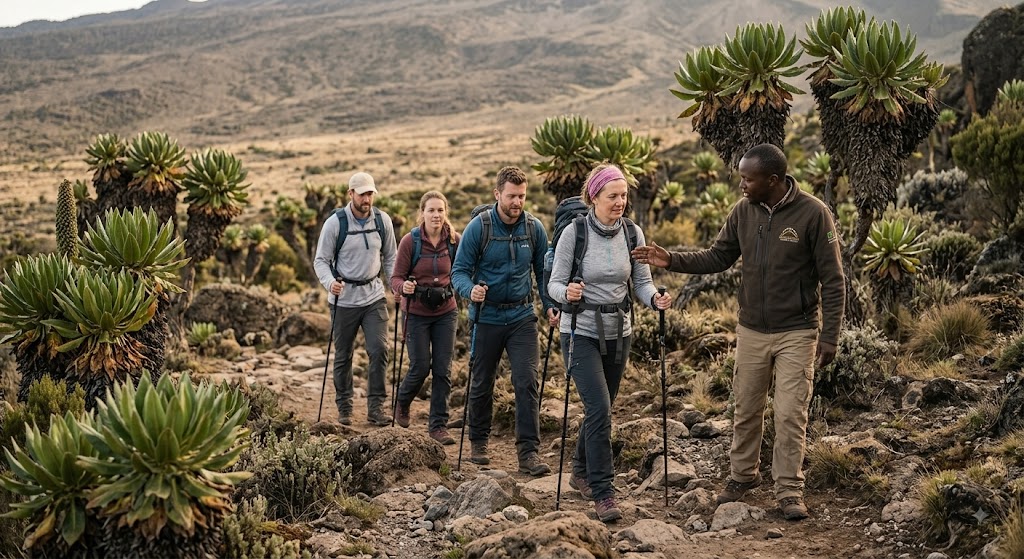
The advertised price of a climb is a package that bundles many fixed and variable costs. Understanding these pieces is key to seeing where “budget” operators cut corners.
The largest chunk of your fee goes directly to Kilimanjaro National Park. These are non-negotiable government fees. For a standard 6-day Marangu climb, park fees, camping fees, and rescue fees can total around $1000-$1200 per person. This cost is largely fixed regardless of which operator you choose.
This is the critical part. After park fees, the operator covers crew wages, food, equipment, and logistics. A reputable budget operator saves money by running efficient, larger group climbs with standard menus and well-maintained communal gear. An unethical one might underpay porters, provide poor food, or use worn-out tents and safety gear.
The very cheapest quotes often mean razor-thin margins that directly impact your crew’s welfare and your own comfort. It’s the first red flag to watch for.
Marangu is consistently the cheapest Kilimanjaro route. This is a fact. But the “why” is crucial for your decision.
Marangu is shorter, typically 5 or 6 days. Fewer days mean lower total park fees and lower costs for food and wages for your crew. It’s also the only route with permanent dormitory-style huts, so there’s no need for tent rentals or porters to carry them. These factors genuinely reduce the base cost.
Here’s the main trade-off. The shorter itinerary means less time for your body to adapt to the altitude. The standard 5-day Marangu itinerary has a significantly lower summit success rate—often cited around 50-60%—compared to routes with longer acclimatization profiles.
Many budget operators sell the 5-day option. If your goal is truly to stand on the summit, the savings might be a false economy if they lead to failure or illness.
If Marangu’s trade-offs concern you, where do you look next? Value isn’t just the lowest number; it’s the best outcome for a fair price.
Often called the “Whiskey” route, Machame is a step up in cost but also in success rates. Its 6 or 7-day itineraries follow a “climb high, sleep low” pattern that aids acclimatization. While it costs more than Marangu due to longer duration and camping logistics, its summit success rate is commonly 80-90% for a 7-day climb. That’s a much better return on your investment and is often considered the best budget Kilimanjaro route for those seeking success at a reasonable price.
Lemosho is a premium route, often one of the most expensive. It’s mentioned here because its 8-day itinerary has one of the highest success rates. For some travelers, “value” means maximizing every chance of summiting, making a longer, pricier route the wiser choice. It’s the opposite of the “cheapest” mindset but a crucial perspective for your goal.
Tell us what you have in mind and we’ll build you a free, no-pressure itinerary with honest pricing — planned by a local team that runs these trips every day.
When you get a quote, what should it include? A transparent breakdown separates honest operators from problematic ones. Keep in mind; even among the cheapest Kilimanjaro routes, transparency is essential.
A standard budget package should clearly include: all park fees and taxes, transfers from Moshi/Arusha to the gate, meals on the mountain, drinking water, basic camping equipment (tents, mess tent, sleeping mats), and wages for guides, cooks, and porters.
It will typically exclude: international flights, visas, travel insurance, tips for the crew, personal gear rental (sleeping bag, trekking poles), hotel stays before/after the climb, and alcoholic drinks. Budget operators may also use larger group sizes to share costs.
Safety and ethics have a cost. A reputable operator pays fair wages, maintains good equipment, and employs trained, certified guides. This is non-negotiable for a responsible climb, even if you select the best budget Kilimanjaro route for your plans.
The Kilimanjaro Porters Assistance Project (KPAP) sets guidelines for fair treatment, proper clothing, and weight limits. Operator partnerships with KPAP indicate a commitment to ethical practices. These operators might not be the absolute cheapest, but they ensure your climb isn’t supported by exploited labor.
A good budget operator will still maintain a safe guide-to-client ratio (e.g., 1 guide for every 2-3 clients) and carry a full first-aid kit and portable oxygen. The cheapest operators might stretch guides too thin or lack proper safety equipment. Ask about these specifics.
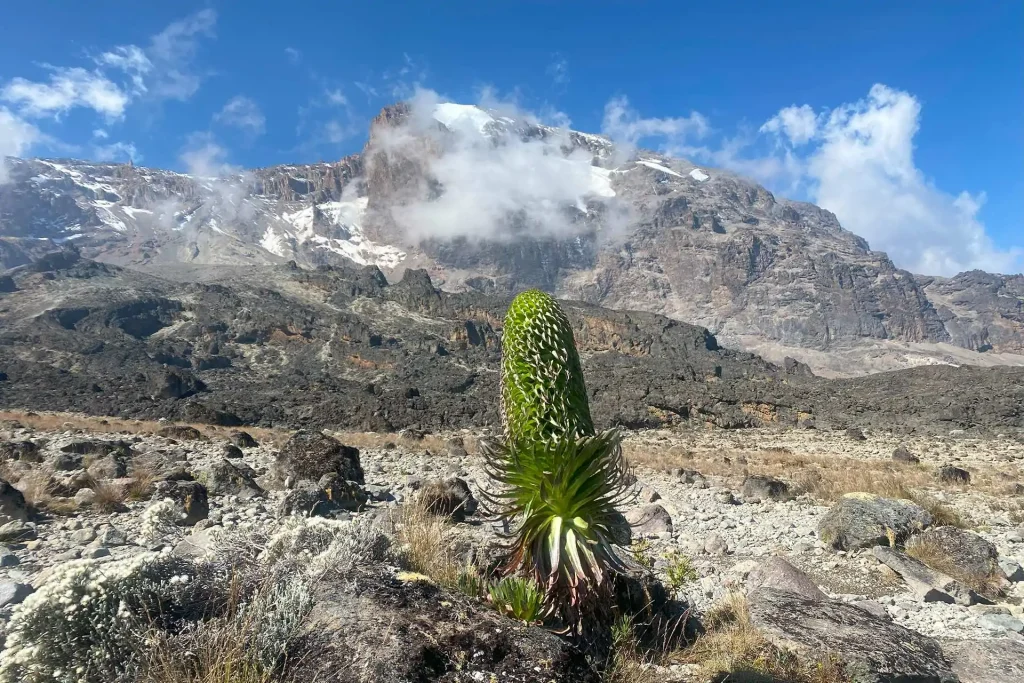
Seasonality affects price. Trekking during the rainy seasons (April to early June and November) can be cheaper. Operators may offer discounts to fill groups.
But this is another trade-off. You’re saving money for a potentially wetter, muddier, and colder experience with less clear views. The shoulder months of January-February and September-October offer a better balance of good weather and stable, if not the lowest, prices.
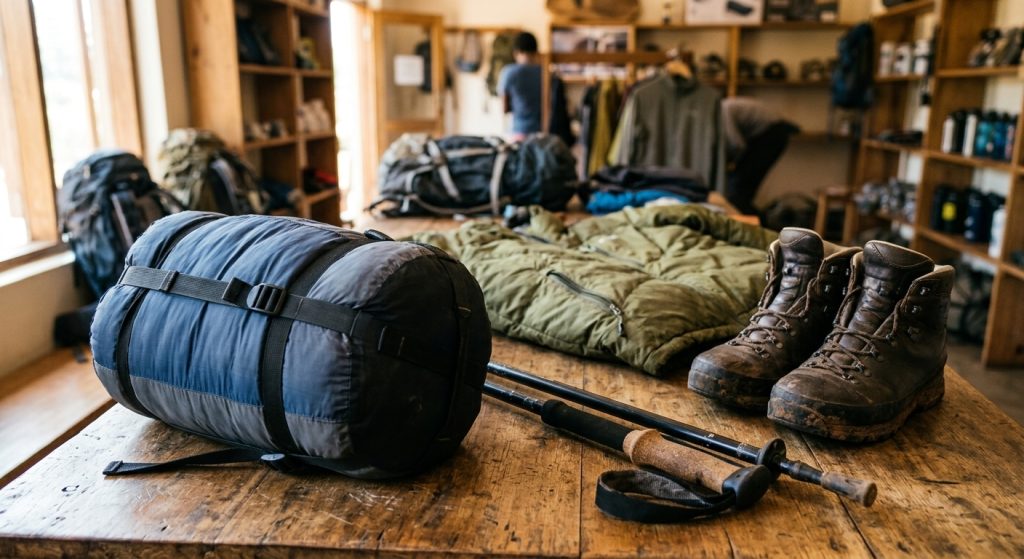
Your budget planning must go beyond the operator’s quote. Personal gear is a major variable.
You can rent high-quality sleeping bags, trekking poles, and duffels in Moshi or Arusha for roughly $50-$100 for the trip. Buying your own is a larger upfront cost. Don’t forget to budget for tips for your crew—a standard guideline is $20-$25 per day for the guide, $15-$20 for the cook, and $10-$15 per day for each porter.
Your international flight lands at Kilimanjaro International Airport (JRO). From there, you need a transfer to Moshi or Arusha, your base town.
Budget packages usually include this transfer. If not, a taxi costs $50-$80. You’ll also need at least one night in a hotel before and after the climb. Budget-friendly local hotels exist, but factor in $30-$80 per night.
Marangu is often marketed as the “easiest” route because of the huts and shorter duration. This is misleading. While technically less strenuous day-to-day, the rapid altitude gain due to the short itinerary makes it physiologically harder for many.
You need excellent cardiovascular fitness for any route. For Marangu, you must be prepared to climb high, fast, with less time to adjust. Good fitness is your best tool for success, especially on a budget climb.
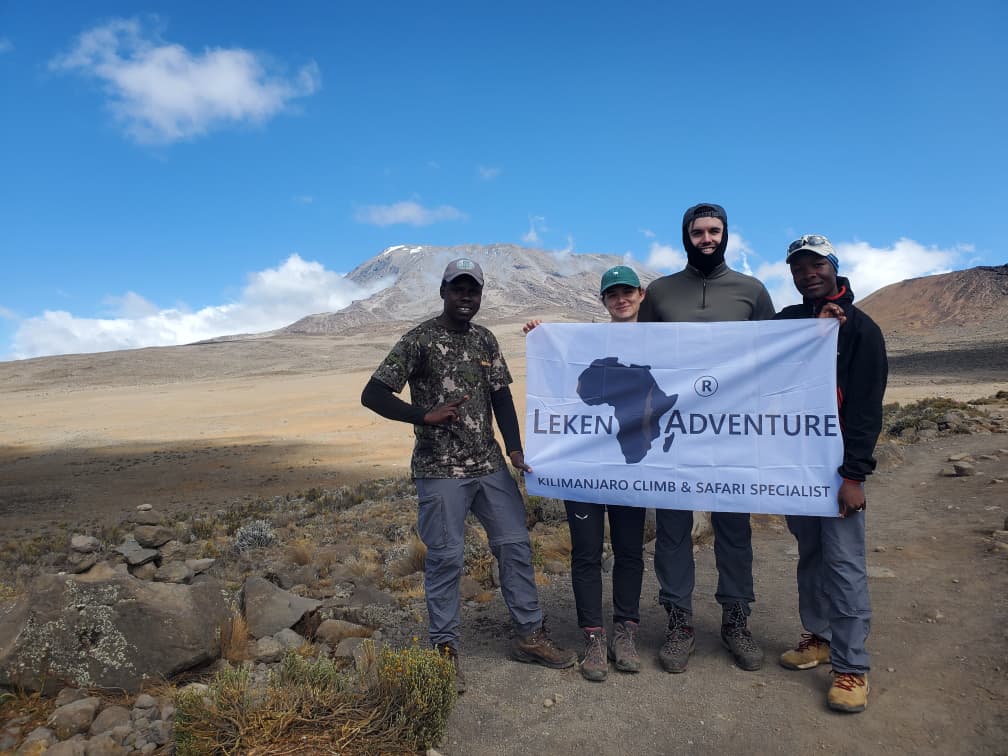 Your final and most important decision. Look for transparency in pricing, clear answers about crew welfare and safety protocols, and positive independent reviews (not just testimonials on their site).Ask direct questions: “What is your guide-to-client ratio?” “Are you a KPAP partner?” “Can you provide a detailed breakdown of what is included?” Their answers will tell you everything about the real value they offer when comparing the cheapest Kilimanjaro routes.
The Marangu Route is consistently the cheapest due to its shorter duration and hut accommodation, which reduces equipment costs. It is often regarded as the best budget Kilimanjaro route by many trekking companies.
Not necessarily. While Marangu is often called the “Coca-Cola” route, its shorter 5-day option has a lower summit success rate due to poor acclimatization. Beginners might find better value in a 6-day Machame climb.
A budget climb with a reputable local operator starts around $2000-$2500 per person for a 6-7 day trek, including park fees, crew, and basic logistics. Prices significantly below this often involve cutting corners on safety or ethics.
Tips for your crew ($250-$400 total), personal gear rental ($50-$150), and pre/post-climb hotel nights ($30-$80/night) are the most common costs not included in the base package.
It can. The cheapest climbs often use the shortest itineraries (like 5-day Marangu), which provide less time to acclimatize. This directly impacts your physiological chances of reaching the summit.
Ask if they are a partner of the Kilimanjaro Porters Assistance Project (KPAP). This is a strong indicator they follow fair wage and treatment guidelines for their crew.
The rainy seasons (April-May and November) often have lower prices, but you trade off for wetter, cloudier conditions. Shoulder seasons offer a better balance of cost and weather.
Yes. Budget operators often use larger groups to share fixed costs. This can make the climb more affordable but less personal. Ensure the guide-to-client ratio remains safe (ideally 1:2 or 1:3), especially if you select one of the cheapest Kilimanjaro routes.
No. It is mandatory by park regulations to climb with a licensed guide. Any operator offering a “guide-free” climb is not legitimate.
Your operator’s reputation for safety and ethics. Saving a few hundred dollars isn’t worth the risk of inadequate guides, poor equipment, or supporting the exploitation of porters. Even when looking for the cheapest Kilimanjaro routes, prioritize a trustworthy provider for the safety of your journey.
“`