

A safari is a daily rhythm set by the sun and the animals. You explore vast wildernesses like the Serengeti in a sturdy 4×4 with a pop-up roof. Your guide navigates dusty tracks, interpreting fresh tracks and distant calls. You’ll stop for a picnic lunch under a lone tree. Evenings bring the sound of a campfire and a sky full of stars. The heart of it is observing wildlife on their terms. You might watch a lioness hunt or a herd of elephants cross a road. But remember, wildlife is wild. We don’t chase or promise sightings—we explore. And in that exploration, the magic happens.
Choosing dates is about matching the season to your experience. The landscape transforms dramatically, and so do animal movements. From June to October, the dry season brings clear skies. Wildlife clusters around water, making them easier to spot. This period also features the famed Great Migration river crossings. However, pinpointing the exact week depends on rainfall, and sources often disagree on precise timing. November brings afternoon ‘short rains’ that green the plains. December to March is lush with calving season in the south, but it can be hot. April and May bring the ‘long rains,’ creating an emerald paradise with fewer visitors. Ultimately, there is no wrong time, only different shades of adventure.

Northern Tanzania’s safari circuit is a tapestry of distinct worlds. Serengeti National Park is the endless plain where the epic Great Migration unfolds. Ngorongoro Conservation Area is a sunken volcanic caldera teeming with life. It’s one of the best places to see the black rhinoceros, though a sighting is a rare gift. Tarangire National Park is defined by massive baobab trees and draws huge elephant herds in the dry season. Lake Manyara National Park is famous for its tree-climbing lions. A classic 7–10 day itinerary weaves these parks together perfectly.
Your day begins before dawn with a soft knock and coffee. You head out at first light when animals are most active. For three or four hours, you explore. Then, you stop for a bush breakfast spread on the vehicle hood. Midday is for rest at camp. The afternoon drive starts as the heat softens and lasts until sunset for a ‘sundowner’ drink. Dinner is served under the stars, with the night alive with sounds. It’s a rhythm that feels both adventurous and deeply peaceful.
Let’s talk openly about budget for your Tanzania safari. Pricing varies widely by season, accommodation level, and operator reputation. A typical 7-day package includes park fees, all meals, water, accommodation, game drives, and guide services. Exclusions are usually international flights, visas, tips, travel insurance, premium drinks, and add-ons like hot air balloon rides. Always ask for a clear breakdown. Transparency here is the mark of a reputable company.
Your safety and health are paramount. Malaria is a reality, so consulting your doctor for prophylaxis is a non-negotiable first step. Always listen to your guide’s instructions—your vehicle is your sanctuary. Packing is an art of practicality. Think in layers: warm fleeces for chilly dawns and light shirts for midday sun. Bring a wide-brimmed hat and sturdy, neutral-colored clothing. Binoculars are your best friend. Also, pack a good camera, extra memory cards, and a power bank. Finally, don’t forget your sense of wonder and a healthy dose of patience.
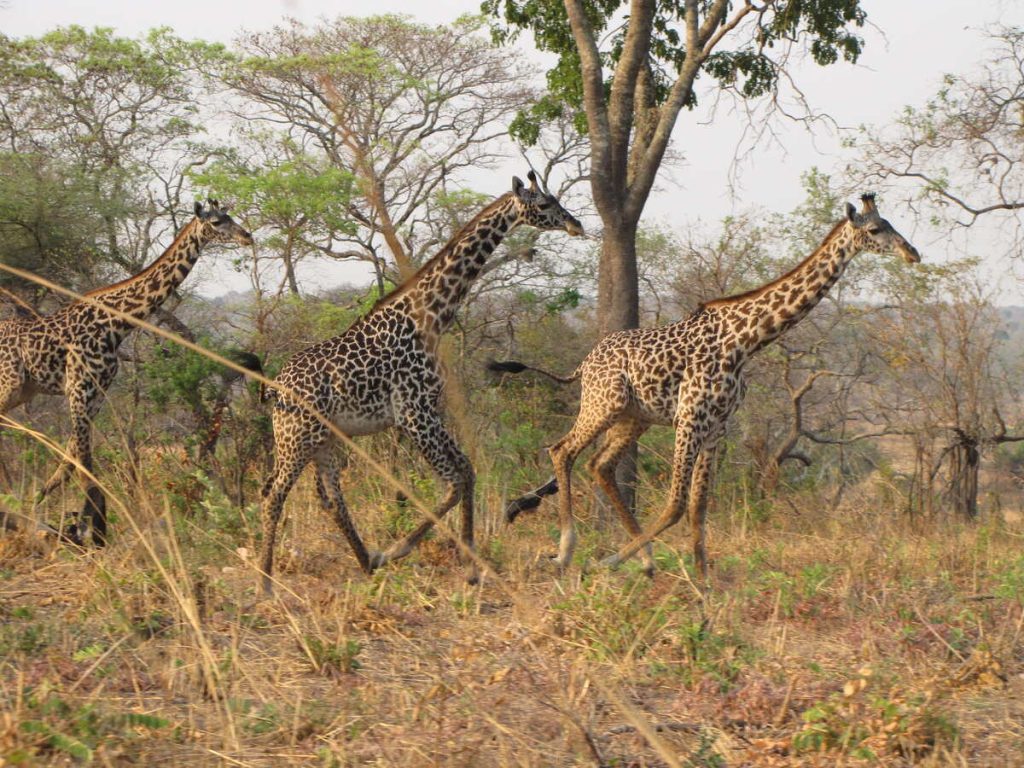
The true magic is knowing your visit helps protect the wilderness. Ethical travel means choosing operators committed to conservation and local communities. Look for companies that invest in community projects and employ local staff with fair wages. They should follow guidelines to minimize environmental impact. Be wary of any that promise “guaranteed” close encounters; respectful viewing means keeping a safe distance. Your choice matters. By supporting responsible operators, you help ensure the lion’s roar echoes for generations.
Your safari company and guide will make or break your experience. Start by looking beyond glossy brochures. Seek out operators with a long-standing presence in Tanzania, as they have deep local networks. Read recent traveler reviews focusing on guide knowledge and vehicle condition. A great operator will listen to your interests and craft a tailored itinerary. They should be transparent about costs and ethical policies. Your guide is not just a driver; they are a naturalist and your window into an ancient world.

Almost every Northern Circuit safari begins and ends in Arusha. It’s the practical heart of your journey. You’ll likely fly into Kilimanjaro International Airport (JRO) or Arusha Airport (ARK). Spending a night here to recover from your flight is highly recommended. The town is a vibrant, bustling place at the foot of Mount Meru. Its real purpose, however, is logistical. It’s where you’ll meet your guide, do a final briefing, and begin the drive towards the parks, where your adventure truly begins.
So, how do you turn this vision into a reservation for your Tanzania safari? First, dream a little. What season calls to you? Which animals do you most hope to see? Then, start researching operators. Reach out to a few who resonate with you. Once you’ve chosen, they’ll handle the complex logistics. You’ll need to arrange flights, secure a visa, and visit a travel clinic. Then, pack your bag, your binoculars, and an open heart. The plains are waiting.
“`