
Finding the best budget Kilimanjaro packages means navigating a sea of prices and promises. You’re excited, but you also want real value—knowing your money buys a safe, ethical, and unforgettable climb, not just the cheapest option. This guide is for the savvy planner who wants the mountain experience without the mountain of debt, told by someone on the ground.
We’ll cut through the noise. You’ll learn what a realistic budget truly covers, how to spot a reputable operator versus a risky cut-rate one, and which routes offer the best balance of cost and experience in the best budget Kilimanjaro packages. Let’s plan a climb that’s affordable, but never at the expense of safety or your summit dream.
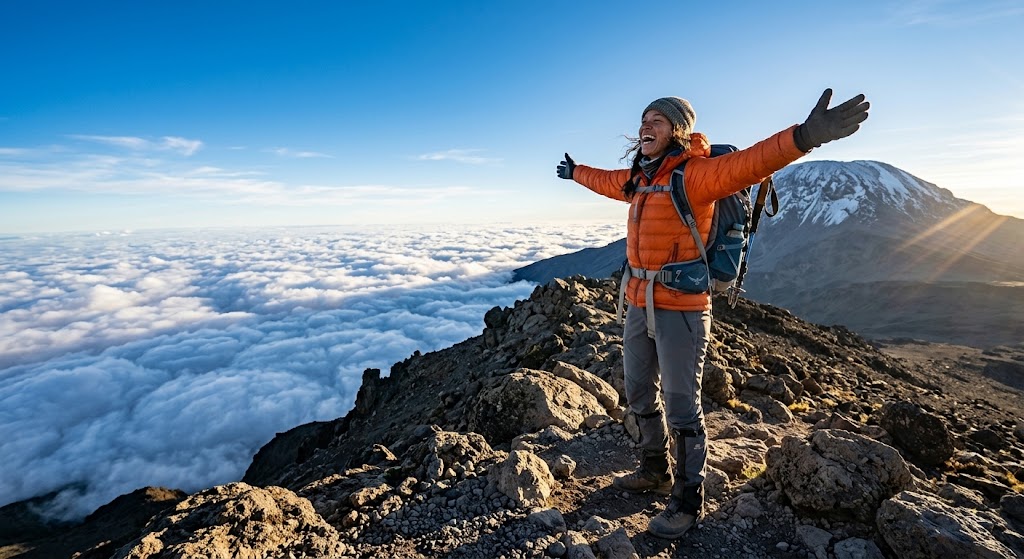
First, let’s define “budget.” In Kilimanjaro terms, it’s not about finding the absolute lowest price. It’s about understanding where your money goes and ensuring nothing critical is missing. A proper package is an all-inclusive ecosystem designed to get you up and down safely.
The core of your cost is the park fee, paid daily to the government. This is non-negotiable and a large chunk of the total. A genuine budget operator includes this, along with transfers, food, tents, and salaries for your guide, cook, and porters.
Where cheaper operators cut corners is in staffing ratios, food quality, or gear maintenance. The biggest gap in online quotes? Tips for your crew. Budget an extra $250–$350 for this, as it’s a vital part of their income and a standard expectation. A truly transparent package will discuss this upfront.
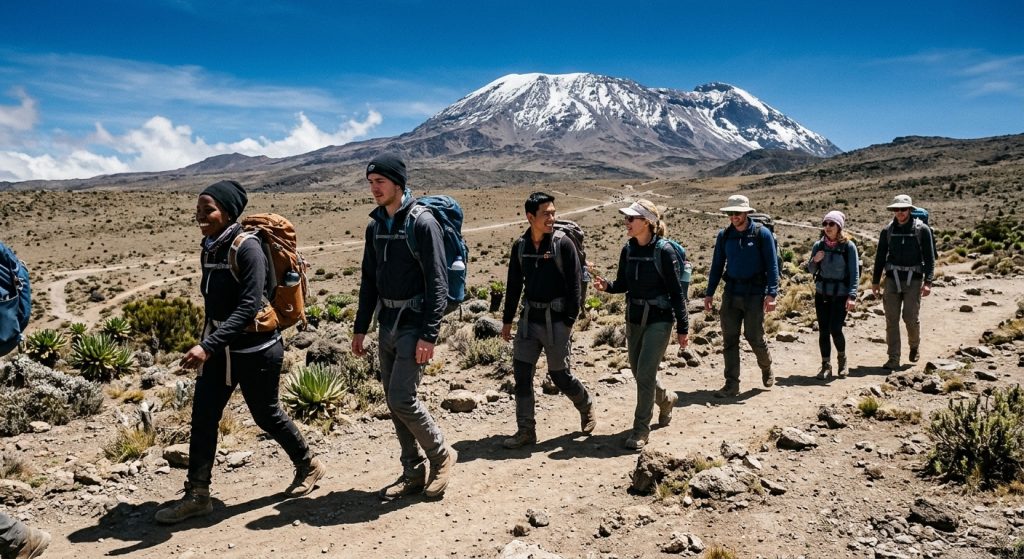
This is the most important distinction. An unsafe cheap package might underpay staff, leading to fatigued guides. It might use old, leaky tents or serve minimal food. It may skip on crucial safety equipment like pulse oximeters or emergency oxygen.
A safe budget operator invests in their team’s fair wages and training. They maintain quality gear and follow recommended porter welfare guidelines. They have solid emergency protocols. You can often identify them by their detailed pre-climb information and willingness to answer all your safety questions about the best budget Kilimanjaro packages.
Don’t just ask for price. Ask: “What is your guide-to-client ratio?” (1:2 or 1:3 is good). “What safety equipment is carried on the mountain?” “How are your porters equipped and paid?” Their answers tell you everything about where your money is really going.
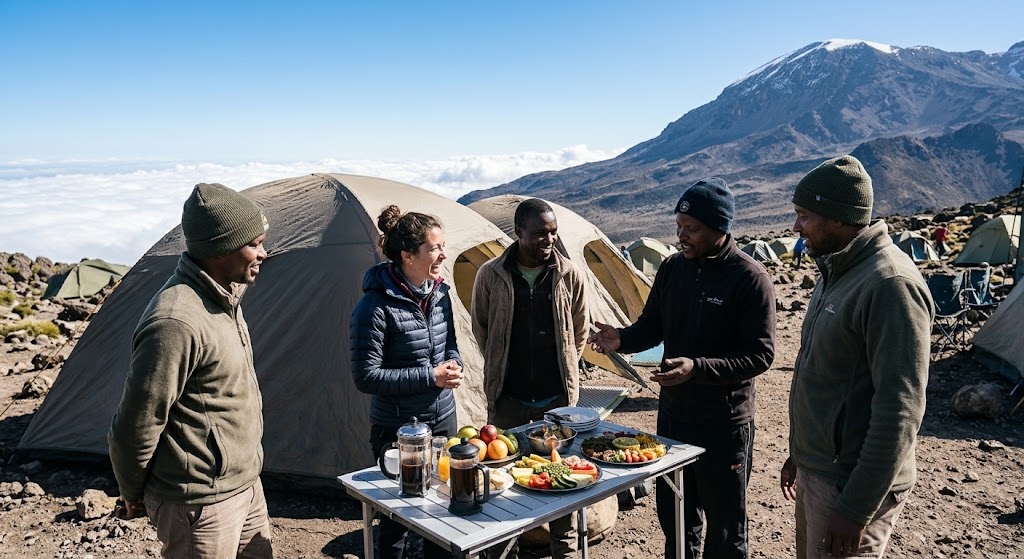
Your route choice is the single biggest factor determining cost and experience. Longer routes cost more (more days, more park fees) but dramatically increase your summit success rate through better acclimatization.
The famous “Coca-Cola” route, Marangu, is often marketed as the budget option because you sleep in huts. For a 5-day itinerary, it can be less expensive. However, its shorter duration and steady ascent profile give it a lower success rate—something to weigh against the savings.
For a much better chance of standing on the roof of Africa, consider the 6-day Machame route or the 7-day Lemosho. They cost more, but the extra days are an investment in your safety and success. Think of it as budget-per-summit-day; a higher success rate often means better value for your total trip investment. Many affordable Kilimanjaro packages include these routes, striking a balance between price and experience.
With hundreds of companies, how do you choose? Look beyond flashy websites. A reputable operator is transparent, communicates clearly, and is registered with the Tanzania Association of Tour Operators (TATO) or Kilimanjaro National Park.
Seek out recent, verifiable reviews on independent platforms. Read what climbers say about the guides’ expertise, the food, and the overall support. A good operator will also have a detailed packing list and a thorough pre-climb briefing—signs they care about your preparation.
A proper package should leave you paying for little more than personal snacks, drinks in town, and tips. The standard inclusions are park fees, camping/hut fees, all meals on the mountain, drinking water, all group camping equipment, airport transfers, and hotel nights before and after the climb.
It should also include the salaries for your full crew: guide(s), cook, and porters. Check if the operator provides a sleeping pad; some budget options require you to bring your own. Also, confirm the quality of the tents—four-season, mountain-ready tents are a must.
Tell us what you have in mind and we’ll build you a free, no-pressure itinerary with honest pricing — planned by a local team that runs these trips every day.
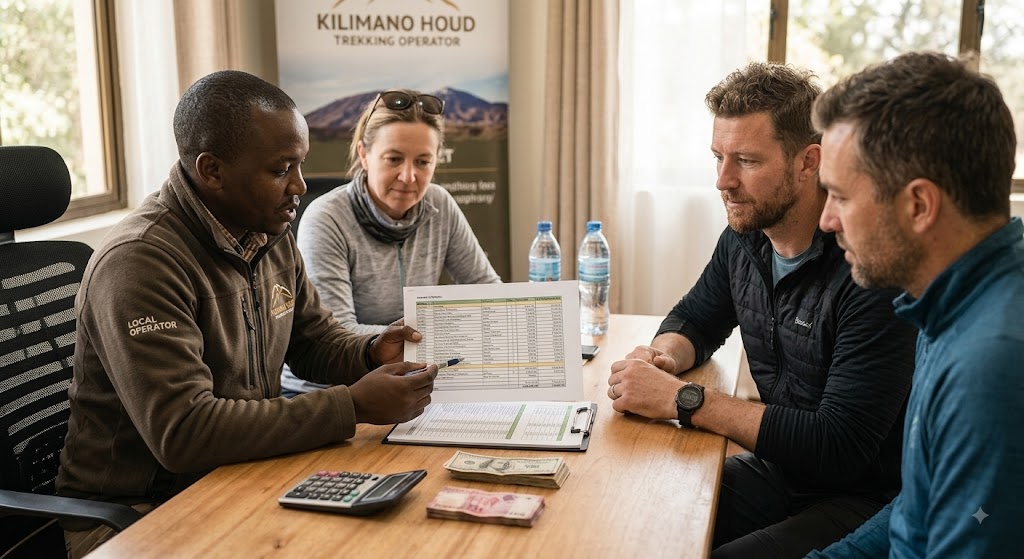
You’ll see prices from around $1,800 to over $4,000 for a standard climb. Very low prices (below $2,000 for a 7-day trek) should raise immediate questions about ethical staffing and safety. A realistic budget for a reputable 7-day climb with a quality operator typically starts from $2,500–$3,000 per person.
This range accounts for fair wages, proper food, and good equipment. Remember, this is a once-in-a-lifetime expedition, not a commodity. The price difference between a budget and a mid-range operator is often the difference between a supported climb and a stressful gamble.
To secure the best value, book your climb several months in advance, especially for the popular dry seasons (June-October and January-March). Last-minute deals exist, but they limit your choice of route and reputable operators.
Your booking process should be clear. A good operator will provide a detailed contract outlining inclusions, cancellation policy, and payment schedule. Be wary of companies asking for large wire transfers to personal accounts; use secure payment methods that offer some buyer protection when booking affordable Kilimanjaro packages.
Factor in international flights to Kilimanjaro International Airport (JRO), travel insurance that covers high-altitude trekking, visas, and any extra nights or safari add-ons. A good budget plan looks at the total trip cost, not just the climb package.
Your physical preparation is a non-negotiable part of the budget. Being fit reduces your risk of injury and illness, making your investment pay off. Start training with cardio and hill walking months in advance for any of the best budget Kilimanjaro packages.
You’ll also need to budget for personal gear: sturdy broken-in boots, a warm sleeping bag rated for -10°C, and layered clothing. Many operators offer rental packages for major items, which can be a significant cost-saver if you don’t plan to climb again.
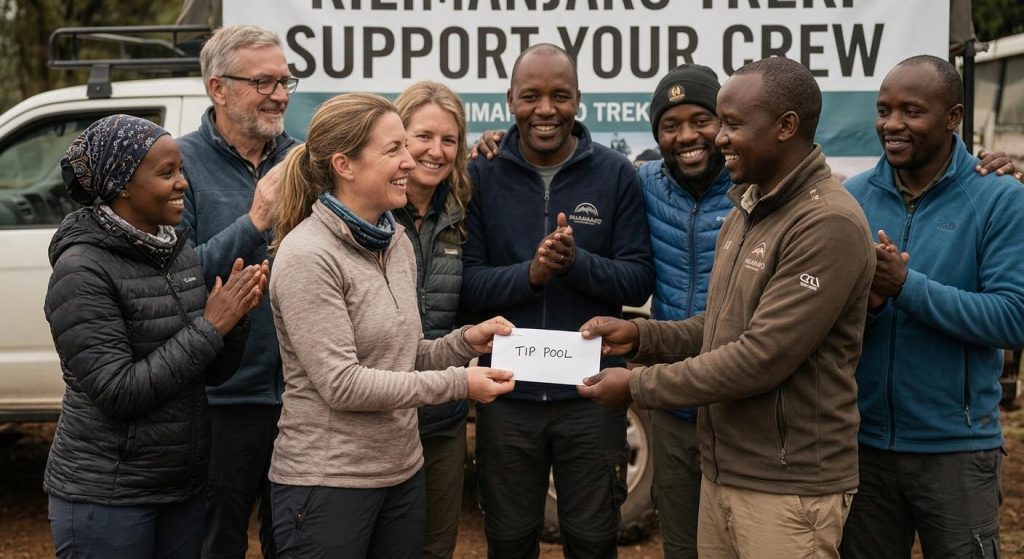
This is a standard and expected part of your climb cost, yet it’s often omitted from initial quotes. Tips are pooled and distributed to your guide, assistant guide(s), cook, and porters. It’s a crucial supplement to their wages.
The general guideline is $20–$25 per day for your lead guide, $15–$20 for assistant guides, $12–$15 for the cook, and $8–$10 per day for each porter. For a typical 7-day climb with a crew of 10-12 people, this totals $250–$350 per climber. Bring this in crisp US dollars.
After comparing routes, prices, and inclusions, trust the communication. The operator who patiently answers your emails, provides clear details, and shows genuine concern for your readiness is likely to provide that same care on the mountain.
Ask for a direct contact with a past client for a reference. A reputable company will gladly connect you. In the end, the best budget package is the one that gives you peace of mind, a skilled team by your side, and the best possible shot at the summit.
The rainy seasons (April-May and November) often have lower park fees and operator rates. However, the trade-off is wet, muddy, and colder conditions, with potentially obscured views. It’s a budget option that requires extra preparation and acceptance of the weather.
The 5-day Marangu route is the shortest and often cheapest option. Due to poor acclimatization, its summit success rate is significantly lower than longer routes. It’s only recommended for those very pressed on time or budget, who understand the higher risk of not summiting.
Budget $250–$350 per climber for a 7-day trek. This covers the guide, assistant guides, cook, and porters. It’s a standard practice and a vital part of the crew’s income. Bring the amount in small, crisp US dollar bills.
Typically excluded are: international flights, Tanzanian visa, travel insurance, personal gear rental, alcoholic drinks, souvenirs, and most importantly, tips for your crew. Always confirm what meals are included in the pre- and post-climb hotel stays.
Check their registration with Tanzanian authorities. Ask specific questions about guide-to-client ratios, emergency oxygen protocols, and porter welfare policies. Read recent independent reviews focusing on safety and staff treatment, not just price. This is especially important when selecting among the best budget Kilimanjaro packages.
No. It is illegal and extremely dangerous to climb Kilimanjaro without a licensed guide. All climbers must be part of a registered tour with a certified guide and support crew. This is a non-negotiable safety and park regulation.
Group climbs (joining others) are the most budget-friendly. Private climbs cost more but offer a tailored pace and itinerary. For solo travelers, some operators offer a “join a group” option which provides the social and cost benefits of a group climb.
Yes. You must have travel insurance that explicitly covers emergency high-altitude medical evacuation (up to 6,000 meters). Standard policies often exclude this. Verify this coverage in writing before you travel; it is a critical part of your safety net.
For the best selection of routes and operators, aim to book 6 to 9 months in advance, especially for peak season. This also gives you ample time for physical training, visa applications, and gathering the proper gear.
Yes, reputable operators provide all drinking water on the mountain. It is typically purified stream water, boiled and filtered by the cook staff. You just need to refill your personal bottles or hydration bladder each day.