
If you’re searching for the best Budget Kilimanjaro Packing List, you’re planning for Kilimanjaro. You’ve seen the staggering gear lists and the eye-watering prices of technical jackets. It’s easy to think you need to spend a fortune to be safe and comfortable. But with smart choices and a focus on function over fashion, you can assemble a kit that works perfectly without breaking the bank. This list is about getting you up the mountain safely, comfortably, and affordably.

The first shock for many travelers is the sheer volume of items recommended. A common mistake is buying a brand-new, top-tier version of everything. This isn’t necessary. The real strategy is to understand which pieces are non-negotiable for safety (like a warm sleeping bag and waterproof layers) and where you can save. Referencing a Kilimanjaro Packing List can help you prioritize effectively.
Invest in key items you’ll use again: a quality headlamp, a durable water bladder, and good hiking boots. For big-ticket items like a heavy-duty down jacket or a -10°C sleeping bag, renting in Moshi or Arusha is a brilliant budget move. This cuts hundreds off your costs and means you get locally-tested, appropriate gear.
Focus your budget on layers that touch your skin (like moisture-wicking base layers) and your feet (socks and boots). Mid-layers and outer shells can often be older, reliable items from your existing wardrobe. Don’t get sold on Gore-Tex for every single piece; a simple, effective waterproof and windproof jacket is often enough for your Kilimanjaro Packing List.
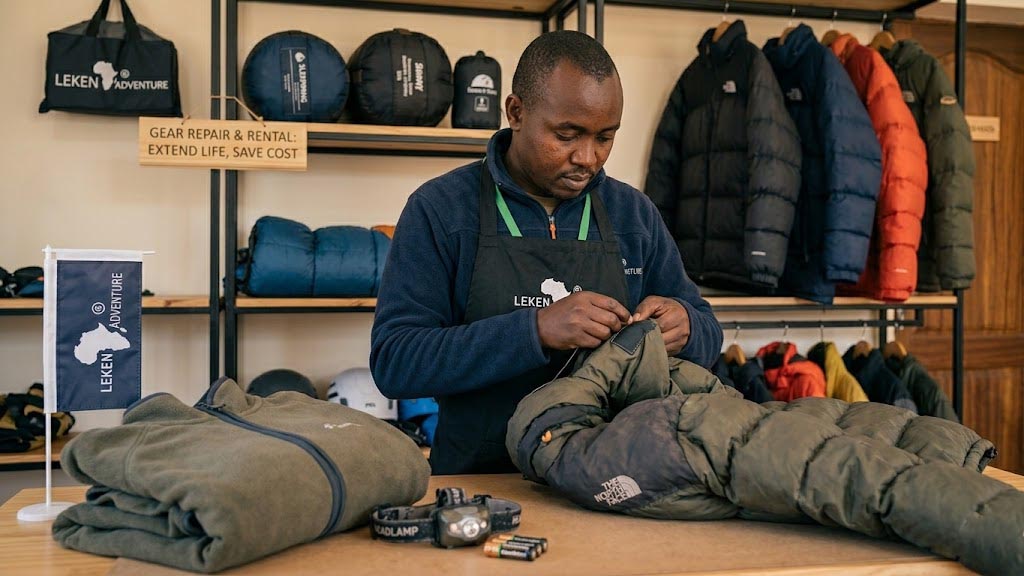
Forget buying a whole new wardrobe. Think in systems. You need moisture management, warmth, and protection from wind and rain. This is about layering pieces you might already own.
Start with a synthetic or wool base layer—avoid cotton, as it stays wet. Your mid-layer is for insulation: a fleece or lightweight down jacket works perfectly. The outer shell is your shield: a waterproof and windproof jacket and trousers are mandatory. For summit night, you’ll wear all of these layers at once.
The secret to staying warm isn’t one thick item; it’s multiple trapped air layers. An affordable combination is a long-sleeve base top, a fleece, a lightweight puffy jacket (which can be rented), and your waterproof shell. This system is versatile, packable, and much cheaper than a single expedition-grade parka.
Your boots are your most important purchase. Don’t skimp here, but you also don’t need the most expensive pair. Look for sturdy, waterproof, broken-in hiking boots with good ankle support. Pair them with a blend of synthetic and wool hiking socks—bring several pairs to rotate.
For sleep, warmth is critical. A sleeping bag rated to at least -10°C (14°F) is essential. Renting this is a fantastic budget option. A sleeping bag liner adds warmth and keeps the bag clean. An inflatable sleeping pad provides crucial insulation from the cold ground; again, this can often be rented with your bag and should be included in your Budget Kilimanjaro Packing List.
Tell us what you have in mind and we’ll build you a free, no-pressure itinerary with honest pricing — planned by a local team that runs these trips every day.
This is where you save serious money. High-cost, single-use items are perfect for renting. In Tanzania, local operators rent gear that is proven on the mountain. The typical rental package includes a heavy down jacket, waterproof trousers, a sleeping bag, and a trekking pole set. These items are commonly highlighted on every Kilimanjaro Packing List for trekkers looking to save.
Renting solves several problems: you avoid a huge upfront cost, you don’t have to lug bulky gear internationally, and you get equipment suited to Kilimanjaro’s specific conditions. Always confirm rental availability and costs with your tour operator when you book your trek.
You should always buy or bring your own personal gear. This includes broken-in hiking boots, all your clothing layers, a headlamp, water treatment systems, and personal hygiene items. Ill-fitting boots or a headlamp with dying batteries are risks you don’t want to take with rented equipment.
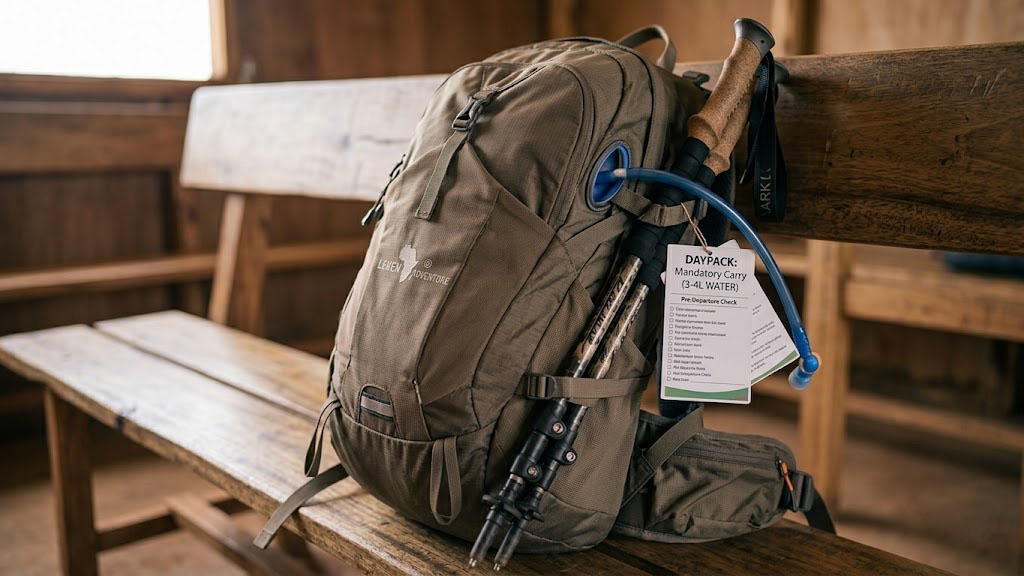
You’ll have two bags: a large duffel (carried by porters, max 15kg/33lbs) and a daypack you carry. Organization is key for comfort and speed. Use stuff sacks or dry bags to compartmentalize your duffel: one for sleepwear, one for daytime clothes, one for summit gear.
Your daypack should hold everything you need for the day’s hike: rain gear, warm layers, 3-4 liters of water, snacks, sunscreen, and your camera. Pack it the night before. Keep summit-night essentials—like your warmest gloves, balaclava, and extra layers—in an easily accessible stuff sack at the top of your duffel, following your Budget Kilimanjaro Packing List strategy.
Packing lists can become bloated with “nice-to-haves.” To save weight, money, and hassle, you can leave these behind: excessive electronics (a phone and power bank is enough), multiple pairs of jeans (heavy and useless when wet), fancy toiletries, and a new book for each day.
You also don’t need a different outfit for every single day. The key is layering and rotation. Two or three sets of base layers and hiking trousers, combined with a change of camp clothes, is sufficient. Porters wash clothes daily at camp, so you can re-wear items. Many experienced hikers’ Kilimanjaro Packing List recommendations echo this minimalist approach.
Every gram counts when porters are carrying it, and when you’re carrying your daypack. Scrutinize each item. Ask: “Is this critical for safety, warmth, hydration, or hygiene?” If not, seriously consider leaving it at the hotel. Your back and your budget will thank you.
Women may need to think about a few specific items. A pee funnel (or “female urination device”) is a game-changer for convenience on the trail. Bring enough sanitary products and zip-lock bags for waste disposal, even if you don’t expect your cycle—altitude can affect timing. Make sure your Budget Kilimanjaro Packing List addresses these needs.
For hair, simple braids or a buff are more practical than dealing with hair washes. When selecting base layers and sports bras, prioritize moisture-wicking materials and comfortable seams that won’t chafe under a pack over days of continuous wear.
While the core list remains the same, your route choice might influence a few items. The longer routes like Lemosho or Northern Circuit have more variable weather; extra sock and glove liners are wise. The Marangu route uses huts instead of tents, so a slightly lighter sleeping bag might be acceptable, but don’t compromise on the warmth rating.
All routes have a brutally cold summit night. No route is “easier” on gear. The key difference is that on wetter routes or during the rainy seasons, the quality and reliability of your waterproof layer becomes even more critical—a budget jacket might not hold up.
Regardless of route, your summit night kit is non-negotiable: four layers on top, three on bottom, two pairs of gloves, a warm hat, balaclava, and a good headlamp. Pack this exact combination in a dedicated bag so you can dress quickly in the dark according to your Kilimanjaro Packing List.

Beyond clothes, these items are vital for safety and comfort. A headlamp with extra batteries is non-negotiable for summit night and camp. Carry two separate water systems (like a bladder and a bottle) in case one fails.
A basic first-aid kit with blister plasters, painkillers, and diarrhoea tablets is smart. High-SPF sunscreen and lip balm are essential—the equatorial sun at altitude is intense. Don’t forget sunglasses with UV protection to prevent snow blindness near the summit; mark these on your Budget Kilimanjaro Packing List.
A week before you fly, lay everything out on your floor. Check it against your list. Try on your full summit layer system to ensure everything fits together comfortably. Weigh your packed duffel to ensure it’s under the porter’s weight limit.
This is also the time to break in your boots fully, test your headlamp, and learn how to use your water filter if you have one. Doing this check early gives you time to rent any missing items or make last-minute purchases without the panic of an overseas gear hunt. Your Budget Kilimanjaro Packing List should be your reference at this stage.
Packing for Kilimanjaro on a budget is about being smart, not cheap. It’s prioritizing safety and core function, then finding affordable ways to achieve it—through rentals, multi-use items, and borrowing. With this Budget Kilimanjaro Packing List, you’re not cutting corners; you’re making savvy, practical choices for a successful climb.
“`