
Mount Kilimanjaro has seven main climbing paths. They are like seven different doors to the same incredible room. Knowing about them helps you see why the Machame route is a special choice.
The Marangu route is sometimes called the “Coca-Cola” route. It has simple huts to sleep in. The Rongai route comes from the north and is often quieter. The Lemosho and Northern Circuit routes are very long and scenic. They give your body lots of time to get used to the height.
The Umbwe route is very steep and short. It is for those seeking a bigger challenge. Then, there is Machame. It is often called the “Whiskey” route. It is popular for good reasons.
It offers stunning views. It also provides a great climb high, sleep low pattern for your body. This leads to a high chance of success when you take enough days. Think of choosing your route as choosing the story you want your climb to tell.
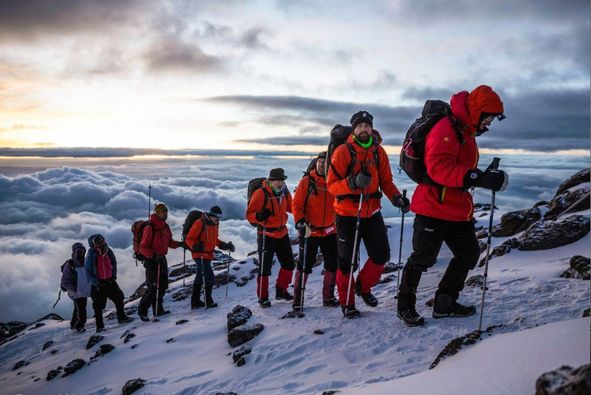
So, why do so many adventurers choose the Machame path? First, it is incredibly beautiful. You walk through thick, green rainforests. They feel like another world. Then, you move into open heathlands with strange plants. Later, you cross a rocky, moon-like landscape. Every day, the view changes.
This beauty is not just a bonus. It helps your mind stay happy while your body works. Second, the route’s shape is smart for your health. The trail often takes you to a higher spot during the day. Then, it brings you back down a bit to sleep.
This “climb high, sleep low” method is the best natural way to help your body adjust. It is why success rates here are high. This path challenges you but also takes very good care of you. That is why the Machame route is a brilliant choice for your Kilimanjaro climb.
This is the single most important thing to understand. Your body needs time. It needs time to get used to having less oxygen. Rushing up the mountain is the main reason people feel sick. Then, they have to turn back.
Let us talk numbers plainly. A climb on the Machame route planned for six days might have a 70% success rate. That is okay. But if you add just one more day, you make it a seven-day climb. That success rate can jump to 85% or even 90%. An eight-day climb can push success over 92%.
The extra day is not about being lazy. It is a strategic rest day for your body to catch up. It is the best investment you can make in your dream. So, when you talk to climbing companies, ask about their seven or eight-day Machame itineraries first.
You do not need to be an Olympic athlete. But you do need to be a good walker. The best training for climbing a mountain is, simply, walking. Think about walking for many hours. Do not think about running fast for a short time.
In the months before your trip, build a habit. Go for long walks in your local park or on hills. Wear the boots you plan to climb in. Also, carry a light backpack to get used to the feeling. The goal is “walking fitness” and strong legs. Stamina is your friend.
Being able to walk comfortably for 5-7 hours with small breaks is a perfect target. Remember, on the mountain, you will walk very, very slowly. It is not a race. It is a steady, gentle rhythm that you and your body will learn.
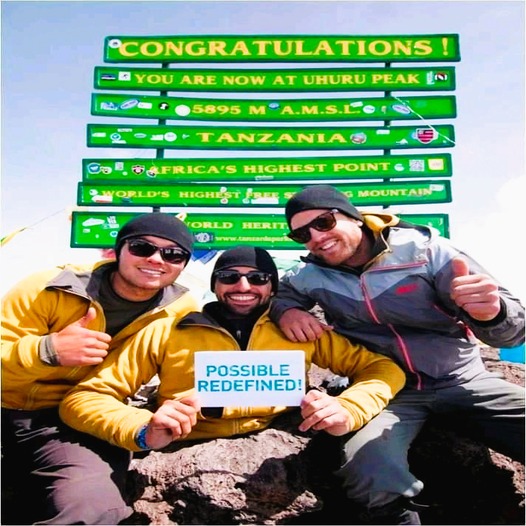
Packing can feel overwhelming. Let us break it down into simple categories. Think of it as dressing for four seasons in one day. You will need a warm, puffy jacket for cold mornings and the summit night. You will also need a waterproof jacket and pants for rain.
You need a solid pair of broken-in hiking boots. Blisters are a climber’s biggest nuisance. For sleeping, a warm sleeping bag rated for very cold temperatures is essential. Then, there are the small things that bring big comfort.
You need a headlamp, sunglasses, and a water bottle. Trekking poles help your knees. You also need many layers of clothing. Do not pack your fears. A good climbing company will provide a detailed list. They often rent items like sleeping bags and poles. So, trust their list.
You will not climb alone. You will be part of a small, moving village. Your guide is your leader, teacher, and safety manager. The cook makes amazing meals to keep your energy high. And the porters are the heroes. They carry the camp, your bag, and the supplies.
How these team members are treated matters deeply. Look for a climbing company that is proud of its ethical standards. Some companies follow a special partnership. This ensures porters get fair pay, proper clothing, good food, and safe sleeping conditions.
When you choose a company that cares for its team, you are not just being kind. You are choosing a safer, happier, and more professional climb. A well-treated team is a motivated team focused on your success.
Your daily rhythm will become a comforting routine. You will wake up early with a warm drink brought to your tent. After a big breakfast, you start walking. The pace is always slow. “Pole pole” in Swahili means slowly, slowly.
You walk for a few hours before a break for lunch. In the afternoon, you walk again to the next camp. The total walking time is usually 4 to 7 hours. Once at camp, your tent is already set up. You can rest, drink tea, and chat with your group.
Dinner is in a cozy dining tent. Then, it is early to bed under a sky full of stars. There is no rush and no noise. It is just the simple, satisfying rhythm of walking, eating, and resting.
This part sounds intimidating. But knowing what to expect takes away the fear. Summit night starts very late, around midnight. You will dress in all your warm layers. You will have a hot drink and a small snack.
Then, with your headlamp lighting a small circle of ground, you start walking. It is dark, cold, and quiet. You walk very, very slowly up a steep, zig-zag path. The only sounds are your breathing and the crunch of gravel. You focus on your guide’s feet ahead of you. Step by step. Breath by breath.
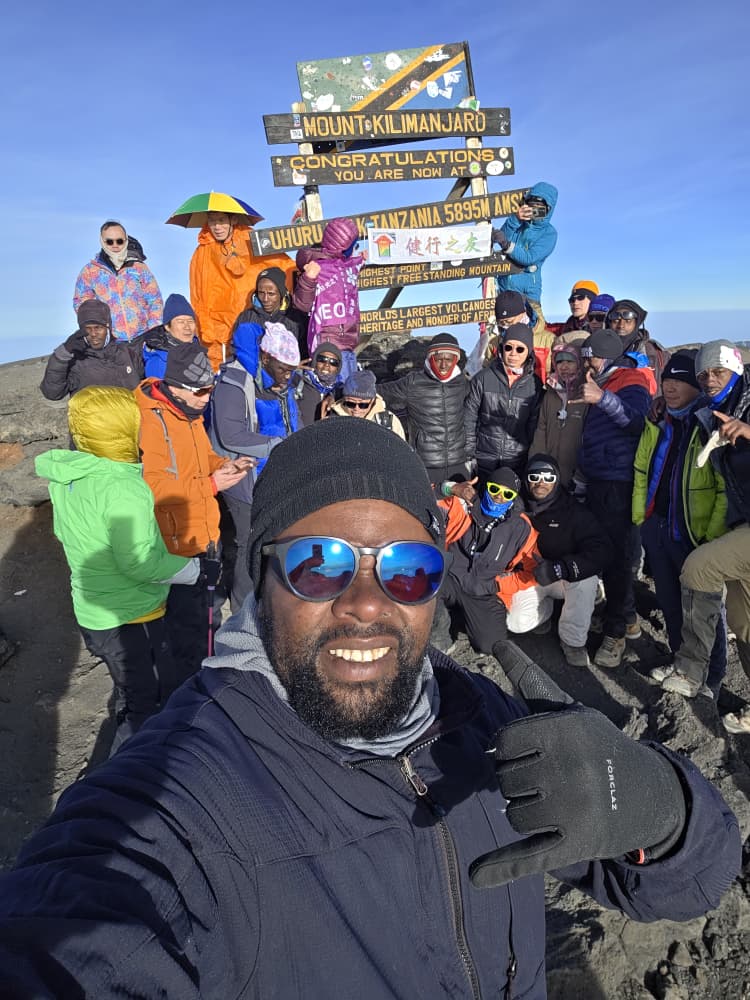
The goal is to reach the summit, Uhuru Peak, around sunrise. Seeing the first light spread across the African plains from the highest point is a moment you will never forget. Then, you celebrate briefly and take pictures. After that, you begin the long, rewarding walk down.
Most climbs begin and end in a bustling, welcoming town called Arusha. It is the gateway to the mountain. This is where you will meet your guide for a full briefing. You will also check all your gear. You can buy last-minute supplies here too.
After your climb, you will return to Arusha for a hot shower. You will also enjoy a celebration dinner and a deep, proud sleep in a real bed. Using a company based in Arusha is very helpful. It means your team is local and knows the mountain deeply. They can also handle logistics smoothly.
Think of Arusha as your peaceful basecamp. It is a place to get ready before the adventure. And it is a place to rest and reflect on your amazing achievement afterwards.
This is your most important decision after choosing your route. You are not just buying a ticket. You are choosing a partner for a life-changing journey. So, ask clear questions. How many days is their standard Machame climb? Look for seven or eight days. What is their guide-to-client ratio? Small groups are safer and more personal.
How do they ensure the health and safety of clients? They should talk about daily health checks, oxygen, and evacuation plans. How do they take care of their porters and guides? Listen for specific commitments on wages, food, and equipment.
Also, read reviews from past climbers. Choose a company that communicates clearly. They should answer all your questions patiently. Most importantly, they should make you feel respected and prepared, not just sold to.