
Many adventurers ask one key question: is Machame route hard Kilimanjaro? The answer is simple but important. Yes, any Kilimanjaro climb is a challenge. However, it is a challenge you can prepare for and overcome. The Machame Route, often called the “Whiskey Route,” is a very popular path. This guide will walk you through everything you need to know. We will talk about the trail itself. We will also cover what to expect each day. Finally, we will discuss how to get ready. Think of this as your friendly map for an unforgettable journey.
People often imagine steep rock walls when they ask about difficulty. Kilimanjaro is not like that. It is a trek, or a long walk. The real challenge comes from the high altitude. The air gets thinner as you climb higher. Your body needs time to adjust. The Machame Route is considered more difficult than some others. This is because it is steeper at the start. That steep start is actually a good thing. It helps your body begin adapting to the altitude sooner. The trail is physically demanding. However, it does not need special climbing skills. Success comes from good preparation. It also comes from a steady pace. Finally, listen to your body and your guides.
Knowing what each day holds builds confidence. A typical Machame Route climb takes six or seven days. We highly recommend seven days for better acclimatization. Day one starts in the lush rainforest. You will hear monkeys and see beautiful flowers. Days two and three move into the heath and moorland zones. The views open up here. You will also start to feel the altitude. You will practice “walk high, sleep low.” This means you climb to a higher point during the day. Then you come back down to sleep. This is a key strategy for success. Summit night begins very late under the stars. It is a long, steady walk to the crater rim at Stella Point. Then you continue on to Uhuru Peak, the highest point in Africa. The final days are a joyful descent. You will walk back through different landscapes to the gate.
This is one of the most important facts for any climber. Overall, about half of all climbers reach the summit. However, this number changes dramatically. It depends on the number of days you take. The single biggest factor for success is acclimatization time. Success rates can be below 50% on shorter trips. But on a seven-day Machame route, rates jump to around 85% or more. Your body needs those extra days. It must produce more red blood cells. It also must get used to the thin air. Choosing a longer itinerary is the best decision you can make. It is not about being slow. It is about being smart. This turns a grueling race into a manageable journey.
Acclimatization is not something you do. It is something that happens inside you. Over 75% of climbers feel some altitude effects. You might get a mild headache or nausea. This is normal. The Machame Route is designed with acclimatization in mind. The path takes you higher during the day. Then it brings you lower to sleep. This gentle push and pull trains your lungs and blood. You must follow two golden rules. First, remember “pole pole” (pronounced polay-polay). This Swahili phrase means “slowly, slowly.” Second, drink plenty of water. Rushing is your enemy. Drinking water is your best friend. Go slowly and stay hydrated. Then your body gets the best chance to adapt naturally.

One magical part of the climb is walking through distinct worlds. You will pass through five ecological zones. It starts with the Cultivation Zone. This is the farms and villages at the mountain’s base. Then you enter the dense, green Rainforest. It is alive with the sounds of birds and wildlife. Above the clouds, you reach the Heather-Moorland. Here you will see strange, giant plants called lobelias and senecios. Next is the Alpine Desert. This is a rocky, moon-like landscape with very little plant life. Finally, you enter the Arctic Summit zone. It has ice fields and rocky scree. Seeing these changes is like walking across a continent in a week. It keeps the journey interesting and beautiful every single day.
You can climb Kilimanjaro year-round. However, some times are better than others. The best weather windows are during the drier months. These are from late December through early March. They are also from late June through October. You have a higher chance of clear skies and less rain in these windows. The paths are also drier and less slippery. The rainy seasons are typically April to May and November. Climbing then is possible. But it means preparing for wetter, colder, and cloudier conditions. Many choose the dry seasons for better views and more comfortable trekking. Think about what you prefer. You might want lusher, quieter trails in the green season. Or you might want reliable, sunny skies in the dry season.
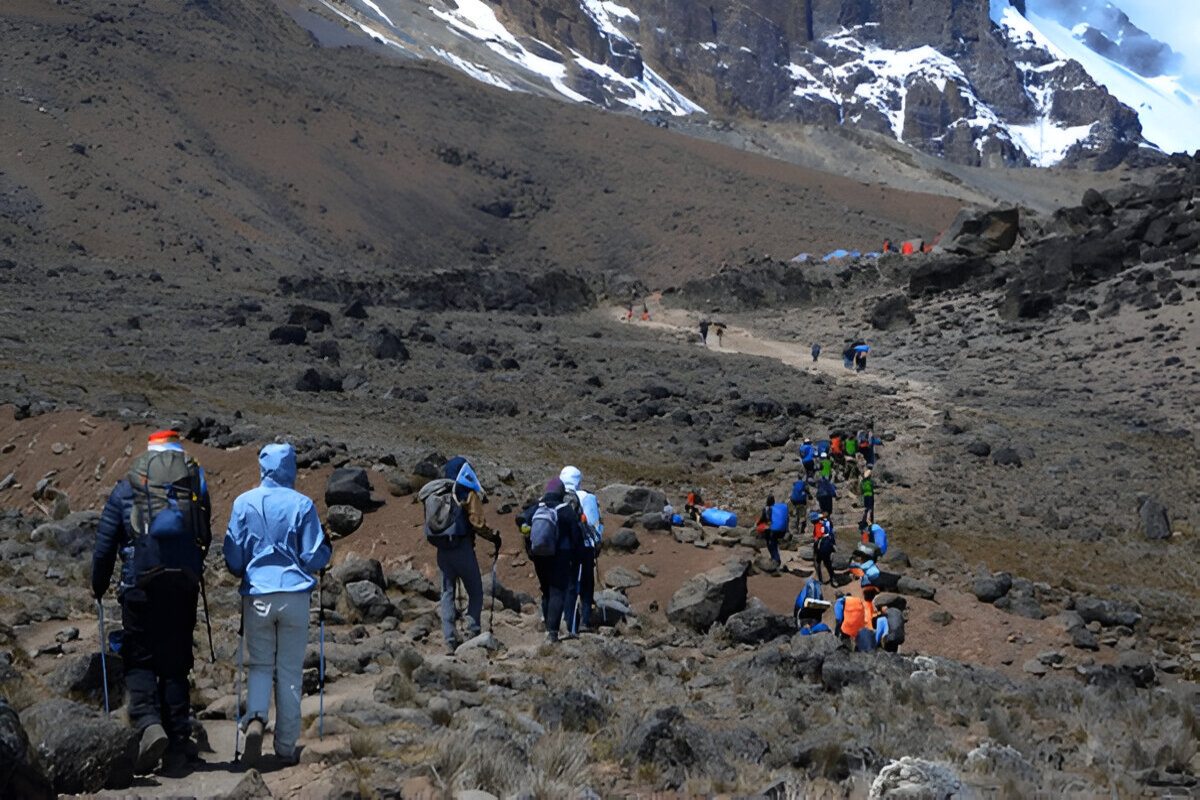
Being ready is about your body and your equipment. Start physical training months before. Focus on building leg strength and cardiovascular endurance. Long walks and hikes on hills are perfect. Stair climbing is also great. You do not need to be an athlete. However, you should be comfortably fit. For gear, think about layers. You will need moisture-wicking base layers. You also need warm insulating layers and a waterproof outer layer. Good, broken-in hiking boots are the most critical item. A warm sleeping bag is essential too. Also, bring a headlamp and trekking poles. A detailed packing list from your guide will be your blueprint. The right preparation turns fear into excitement.
You do not climb Kilimanjaro alone. You climb with a team. This team includes your lead guide and assistant guides. It also has a cook and porters. These professionals are the true heroes of the mountain. They set up camp and prepare meals. They also carry the heavy loads and watch over your safety. Choosing an ethical company is crucial. Look for companies that pay fair wages. They should also provide proper equipment and respect porter welfare. A happy, supported team means a safer experience for you. Your guides will monitor your health daily. Their experience is your greatest safety net. Trust them and listen to them. Also, appreciate them.
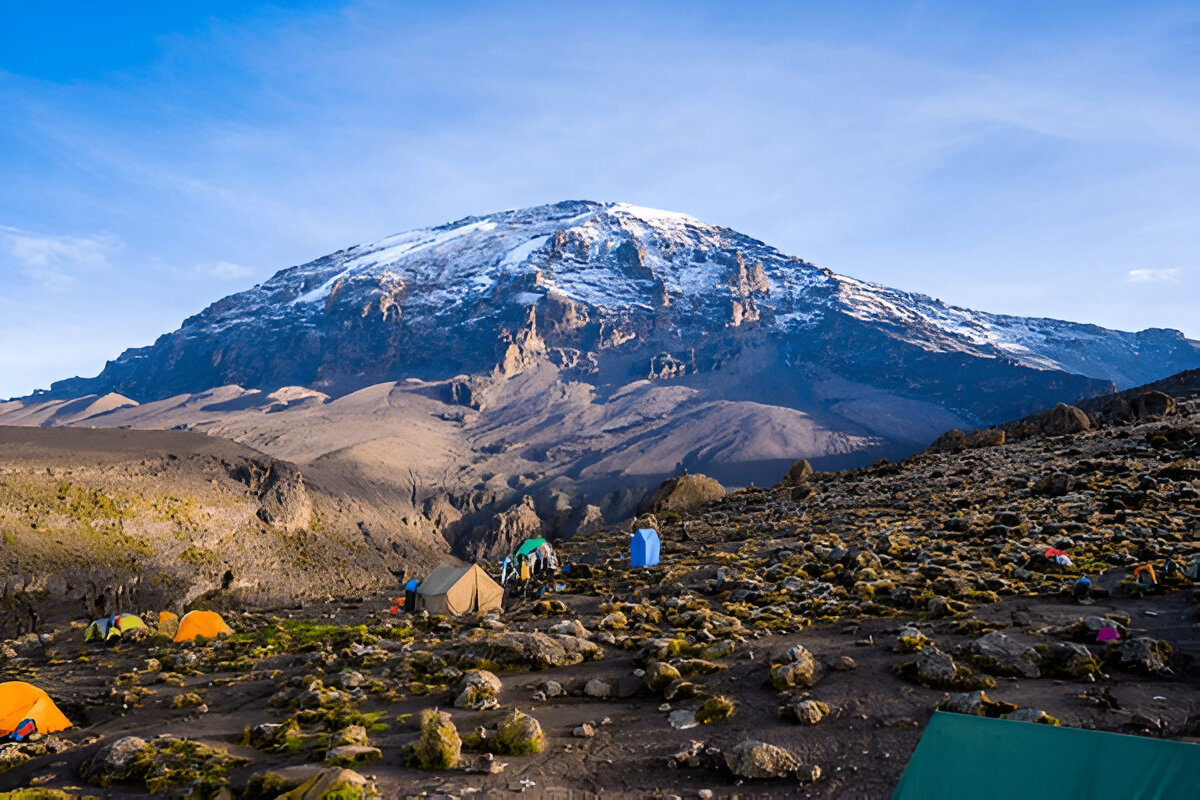
So, is the Machame Route your path? It is perfect for someone who wants a scenic and varied trek. It is physically challenging but not technically difficult. It is great for people who want good acclimatization. It also offers high success rates on a six or seven-day schedule. It might be less ideal if you want the absolute easiest path. It also might not suit you if you seek a remote, solitary experience. Compare it to other routes. The longer Lemosho starts on the remote western side. The Marangu route has hut accommodations. Machame offers a fantastic balance. It has beauty, challenge, and proven success. It is a classic for very good reasons.
Reaching Uhuru Peak is an incredible feeling. You stand on the roof of Africa. You watch the sunrise over the clouds. But the summit is not the only goal. The journey itself is the real treasure. It is the friendships you form with your team. It is also the quiet moments in your tent listening to the wind. And it is the resilience you discover in yourself. Prepare well and choose a responsible company. Also, respect the mountain and its people. Then embrace every step. Your Kilimanjaro climb will be a story you tell forever. This is especially true on the beautiful Machame Route.
“`