
Understanding the Machame route cost Kilimanjaro is about more than just a price tag. It is your first step into planning an incredible adventure. You are looking at a journey from warm forests to an arctic summit. This guide will walk you through everything. We will talk about the real costs, the preparation, and the safety. We will also discuss the quiet moments of wonder. Our goal is to help you make a clear and confident decision. Then you can focus on the path ahead.
The Machame Route is often called the “Whiskey” route. It is known for being beautiful and a bit challenging. It is also very scenic. Unlike some gentler paths, Machame offers steeper climbs. This might sound hard, but it is actually very good for your body. The steeper climbs early on help your body get used to the altitude. You walk through amazing forests on the first day. Then you move into open moorlands with strange plants. Finally, you see the rocky landscape near the top. The route is popular, so you will meet other adventurers. It joins with other paths near the top. Choosing Machame means choosing a classic, well-traveled path. You will get incredible views every single day.
When you see a price, it is a single number. But that number is made of many important parts. Let’s break down what makes up your investment. First, there are park fees. These are paid to the government for conservation. They are a big part of the cost. Then, there are wages for your team. This includes your guide, your cook, and the porters. You are also paying for all your food and clean water on the mountain. The cost includes tents, sleeping mats, and cooking equipment. Transport from and back to your hotel in Arusha is included too. Good companies also include emergency supplies. They have oxygen and a first-aid kit. A fair price ensures everyone on your team is treated well and paid fairly. This is the true value behind your Machame route cost Kilimanjaro.
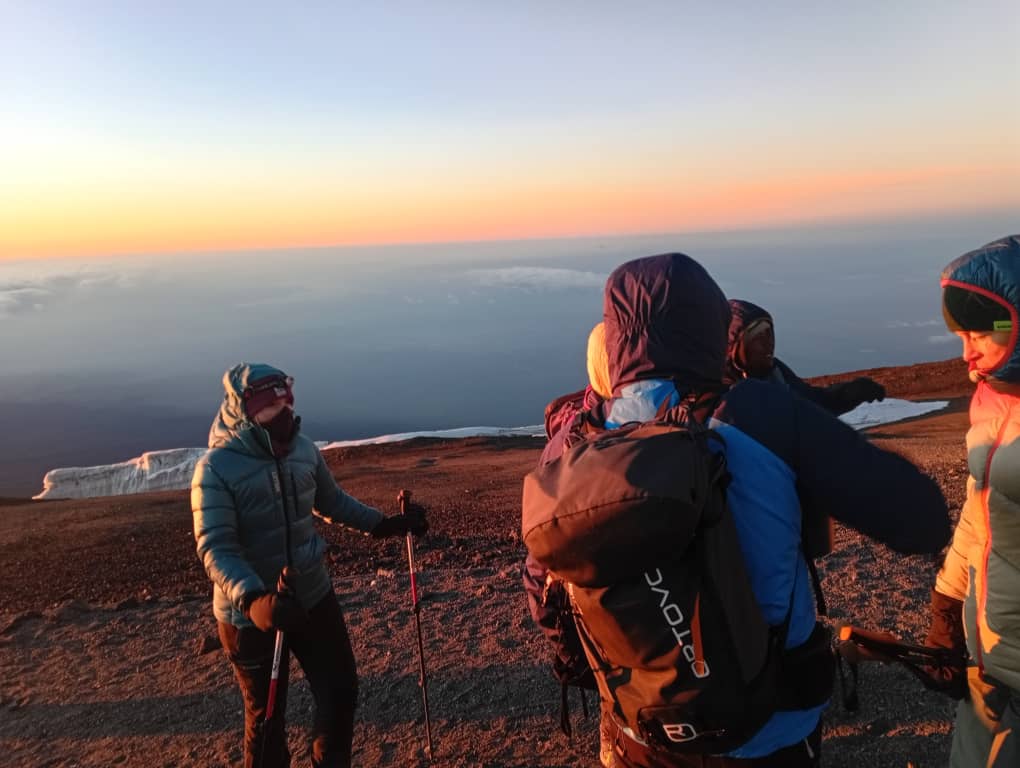
You will see different prices for the same route. How can this be? It often comes down to group size, service level, and ethics. A budget price might be around $1,700 per person. This usually means a larger shared group. The service is good, but it might be more basic. A premium price can be closer to $3,850 for a 7-day trek. This often means a smaller group. Sometimes it is as few as 4 or 5 people. With a smaller group, your guides can give you more personal attention. The food might be more varied. The equipment is often newer. The company likely has very high safety standards. They also treat their staff exceptionally well. Think about what kind of experience you want. Do you want a big social group, or a more personal journey?
Altitude sickness is the biggest reason people do not reach the top. It does not matter how strong you are in the gym. When you go high too fast, your body can struggle. Symptoms include a bad headache and feeling sick. You might also feel very tired and dizzy. The key is to go slowly. This is why a 7-day Machame route has a much higher success rate than a 6-day one. That extra day is not for walking further. It is for letting your body adjust. Good guides are trained to watch you every day. They check your oxygen levels and ask how you feel. They have a simple rule: “climb high, sleep low.” You might walk to a higher point during the day. Then you come back down to sleep. This is the best training for your body.
Your guide is your most important partner on the mountain. They are not just a person who knows the path. They are your teacher, your doctor, and your cheerleader. A professional guide has years of experience. They also have special training in wilderness first aid. They decide the pace you walk—always slow. They watch your face and your steps for signs of tiredness. They are supported by assistant guides and a whole team. This team carries a medical kit and communication radios. Sometimes they carry emergency oxygen. If someone gets sick, the team has a plan. They can get them down the mountain quickly. When you choose a company, you are choosing this team. Their skill and care are a huge part of what keeps you safe.

Packing the right gear is not about having the most expensive stuff. It is about having the right things to stay warm, dry, and comfortable. You will need a very warm sleeping bag. You also need good hiking boots that are already broken in. Do not forget thermal layers and a thick down jacket. Waterproof pants and jacket are essential, as are gloves and a headlamp. Many companies include items like sleeping bags and sleeping mats. Sometimes they even include duffel bags for the porters. You can often rent items like trekking poles or heavy jackets. But your clothes next to your skin should be your own. This means thermal underwear and socks. A good packing list from your tour company will tell you exactly what is provided. It also tells you what you must bring. This prevents you from buying things you do not need.
Your adventure starts in Arusha. This lively city is the basecamp for Kilimanjaro. On the morning of your climb, a vehicle will pick you up from your hotel. The drive to the Machame Gate is beautiful. You will see the countryside change. This drive is also important. It’s a time to relax and ask last-minute questions. You can also meet your guide. Arriving at the gate, there is a process of checking in. They also weigh bags for porter welfare. Then you meet the full team. Starting from Arusha means everything is organized for you. You do not have to worry about transport or park paperwork. You just need to be ready with your daypack. It makes the beginning of your trip smooth and stress-free.
Machame is not the only path up the mountain. Others, like the Lemosho route, start further west. They are often a day longer. Why does this matter? More days on the mountain almost always mean a higher chance of reaching the summit. A 7-day Machame route has a much higher success rate. It is often above 85%. This is better than a 6-day version. The Lemosho route is 7 or 8 days. It is also known for very high success rates. This is because it allows even more time to adjust. Machame is steeper at the start but incredibly scenic. It is a fantastic choice for people who are physically active. They want a challenging but beautiful climb. The best choice is always the route that gives you more time to get used to the altitude.
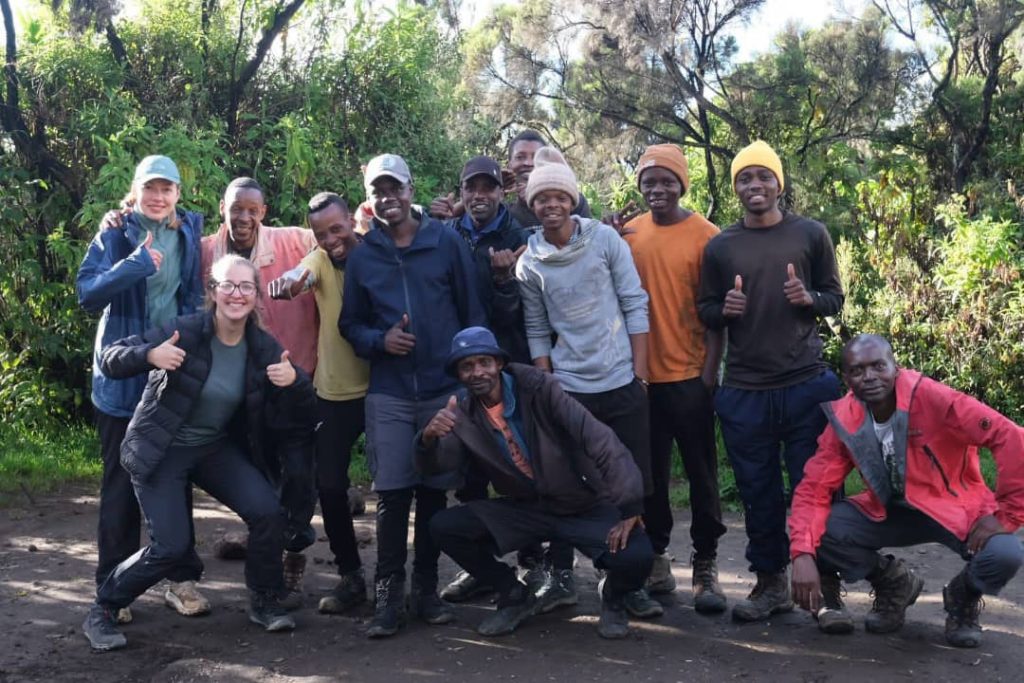
The porters are the heroes of Kilimanjaro. They carry the camp, the food, and the equipment. This lets you focus on walking. An ethical company ensures these men and women are treated with respect. This means fair wages and proper meals. It also means a fair weight limit for what they carry. They should have good sleeping tents and waterproof clothing. When you ask a tour company about their prices, it is okay to ask about how they treat their porters. A company that values its team is a company that values safety and quality. Your investment helps provide good jobs. Knowing your climb supports a fair operation makes the journey even more meaningful.
Before you choose a company, have a conversation. Ask clear questions. How many people will be in my group? What is the guide-to-client ratio? Also, ask what is included in the price. Can I see a detailed list? What is your safety protocol? What medical equipment and training does your team have? What is your policy on porter welfare? How do you handle a climber with altitude sickness? The answers will tell you a lot. A good operator will answer these questions openly and with pride. They want you to feel safe and informed. This conversation is the final step. It helps you understand the true value of your Machame route cost for Kilimanjaro.