
The Machame Route is often called the “Whiskey” route. It is known for being beautiful and challenging in a good way. Unlike some paths, Machame winds across the mountain. This gives you more time to see incredible views. More importantly, it helps your body get used to the high altitude. You will walk for about six or seven days. Each day, you climb higher but then sleep at a slightly lower camp. This “walk high, sleep low” method is a key to success. It is a trekking path, not a technical climb. You do not need ropes or special climbing skills. You need strong legs and a steady pace. You also need a heart ready for adventure. For many, it is the perfect balance. It offers a true challenge and achievable glory.
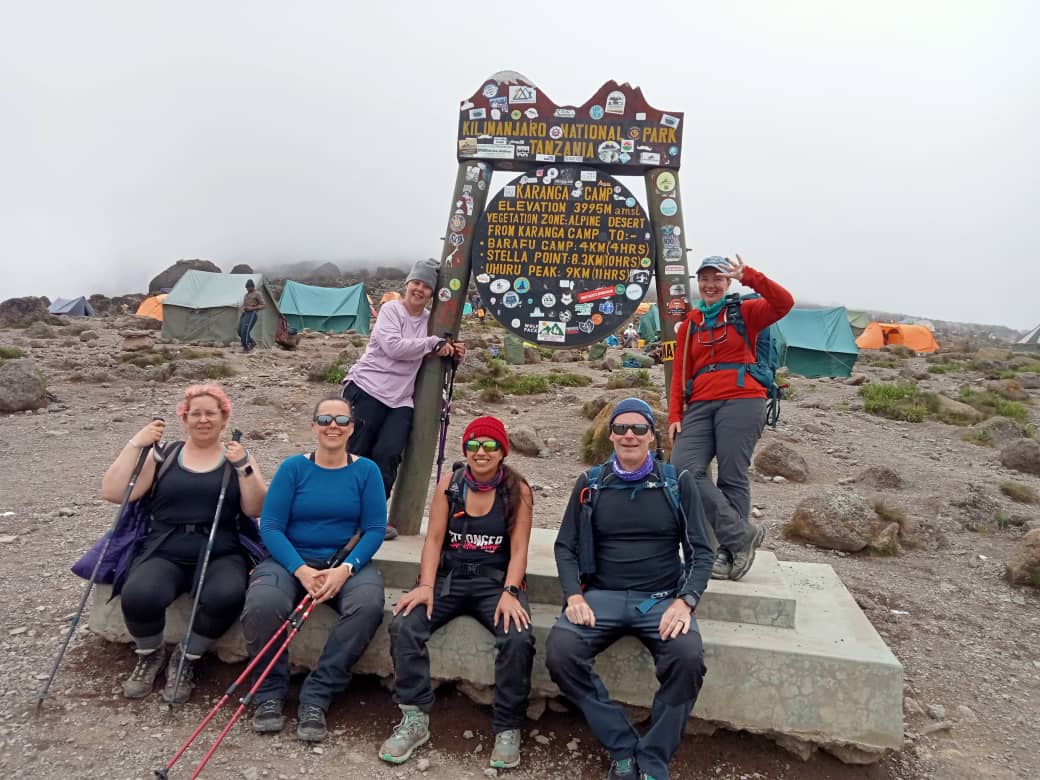
Seeing a price like $1,600 or $3,800 can be confusing. Let’s break it down so it makes sense. Your fee is not just for a guide. It is for a complete support system. This system makes your summit possible. First, there are park fees. The government charges these for conservation and park services. They are a large part of your Kilimanjaro Machame route price. Then, you pay for your team. This includes your guide, assistant guides, a cook, and the vital porters. Their fair wages, food, and proper equipment are essential. The price includes all your meals on the mountain. It also covers safe drinking water, tents, and a mess tent. Transport from your hotel to the gate and back is included too. A good operator also includes medical safety. This means a first-aid kit and an emergency oxygen system. When you compare prices, you compare the quality and size of this support team. You also compare ethics. The lowest price often means a large, strained group. A higher price usually means a smaller group and better food. It also means better-paid staff and more safety backups. You are investing in your safety and your experience.
Why does one trip cost $2,000 and another nearly $4,000? Several clear factors change the price. The number of days is the biggest one. A seven-day Machame trek costs more than a six-day one. This is because of the extra park fees and team wages. But that extra day is your best chance to reach the summit. It is worth it. Group size matters deeply too. A private tour for just you and your friends costs more per person. However, you get to set the pace. The quality of service also changes the price. This includes the type of food, like fresh vs. canned. It also includes the quality of tents and sleeping mats. The guide’s experience level matters too. Lastly, the time of year affects cost. The busiest seasons may have higher prices. These seasons are January-February and July-September. Understanding these factors helps you choose wisely. You can find the right experience for your budget, not just the cheapest option.

You can find Machame itineraries for six or seven days. We strongly recommend the seven-day option. Here is why. Altitude sickness does not care how strong you are. Your body needs time to build new red blood cells. These cells carry oxygen in thin air. The seven-day schedule adds a critical “acclimatization day.” On this day, you take a short hike up to a higher elevation. Then you come back down to sleep at the same camp. This “walk high, sleep low” practice is the golden rule. It helps your body adjust to the altitude. It significantly increases your summit success rate. The six-day route rushes this process. While it is cheaper and faster, it asks much more from your body. Think of the extra day not as an extra cost. Think of it as insurance for your dream. It is a day of rest and beautiful short hikes. It lets your body quietly become a mountain body.
Climbing Kilimanjaro is like walking from the equator to the Arctic. You will pass through five distinct ecological zones. The adventure starts in the Cultivation Zone. You will see farms and small villages. Then you enter the magnificent Montane Rainforest. It is green and misty. It is alive with the sounds of birds and monkeys. Above the clouds, you reach the Heath and Moorland Zone. Here, giant groundsels and lobelia plants look alien. Next is the Alpine Desert. This is a harsh and beautiful landscape of rocks and dust. It offers incredible views. Finally, you reach the Summit Zone. These are the Arctic conditions of ice, snow, and rock at the top of Africa. Each zone has its own weather and plants. Each one has its own feeling. This amazing change is part of what makes the Machame Route so special. You are not just climbing a mountain. You are taking a walk through the world’s climates.
Preparation happens in two places. You prepare at home and in your gear bag. Physically, you need good cardiovascular fitness. The best training is walking uphill. Find local hills or use a treadmill on an incline. Go for long walks with a daypack on weekends. Strength training for your legs and core helps too. But endurance is king. For gear, think “layers.” You will experience hot sun and cold wind. You will face freezing nights. You need a moisture-wicking base layer. You also need a warm fleece or down mid-layer. Finally, you need a waterproof and windproof outer jacket and pants. Do not forget a warm hat and gloves. You need a headlamp for summit night. High-quality, broken-in hiking boots are also essential. A sleeping bag rated for -10°C or colder is a must. Most good operators provide a detailed checklist. Start gathering gear early to test it. The right preparation turns a struggle into a difficult but joyful challenge.
Your safety is the most important thing. A responsible operator makes this their priority. They will have clear safety protocols. This includes daily health checks. Your guide will monitor your pulse and oxygen levels. They follow a careful, slow pace. “Pole pole” (slowly, slowly) is the mantra. They have a clear emergency plan too. This includes stocked first-aid kits and a portable oxygen cylinder. They also have a plan to get you down the mountain quickly if needed. Ethical treatment of the crew is also part of safety. Ask operators about their porter welfare policy. Porters should have proper clothing and food. They need shelter and fair wages. A team that is well-treated is a happy team. They are a strong team focused on your success. Choosing an ethical operator means you support good practices. You also invest in your own well-being.
Your Kilimanjaro adventure begins in one of two towns. You can start in Moshi or Arusha. Moshi is closer to the mountain. You can see its peak from the streets. Arusha is a larger, bustling city. Both are full of hotels for every budget. They also have airports nearby. A good tour operator will handle all logistics from here. They should arrange for you to be picked up from the airport. Then they will take you to your hotel. The night before your climb, you will have a full briefing. You will also have a gear check with your guide. The next morning, they provide transport to the Machame gate. After your climb, they bring you back to your hotel. This seamless support is crucial. It lets you focus on the mountain. You will not need to find a taxi or worry about your bags. These towns are your transition point. They help you move from traveler to climber.
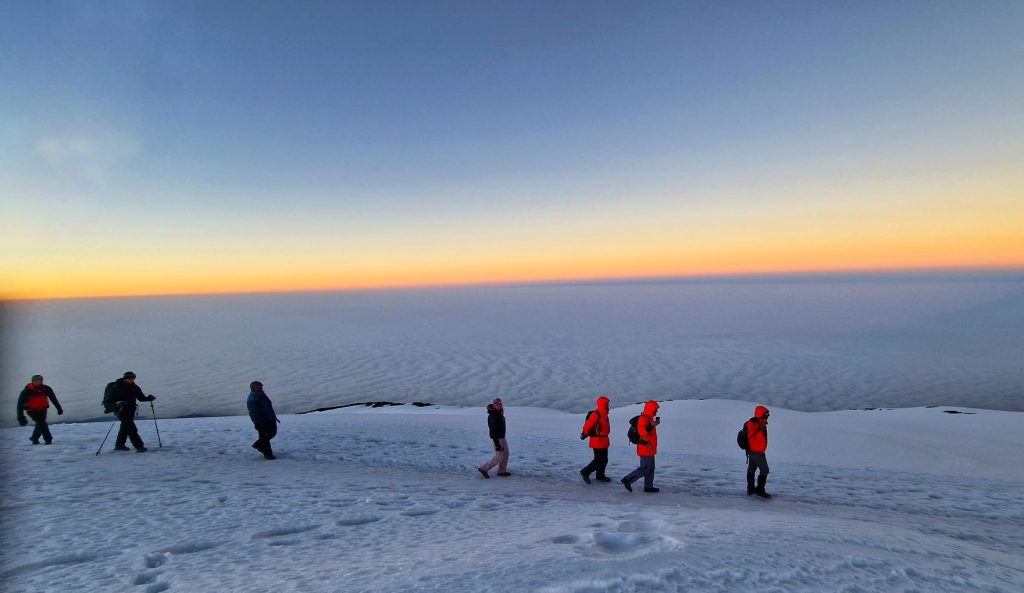
Timing your climb makes a big difference in your experience. Kilimanjaro has two main dry seasons. These are the best times to climb. The first is from late December through February. These months are usually warm and clear. They offer beautiful views. The second season is from July through September. It is the most popular time. It is cooler and very dry. These months offer the clearest skies. There are also two rainy seasons. The long rains are from March to May. The short rains are in November. Climbing in the rain is possible but much harder. Trails are muddy and views are covered in clouds. The cold also feels more intense. The dry seasons provide stable and pleasant conditions. However, they are also the busiest. So booking your climb several months in advance is a very good idea.
Summit night is something you will remember forever. It starts around midnight. You wake up and put on every layer you have. Then you drink some tea. With headlamps lighting the path, you begin the final walk. It is dark and cold. The air is very thin. You take one slow step, then another. You focus on the boots of the person in front of you. The only sound is breathing. As you climb, the sky slowly begins to lighten. If you are lucky, you reach Stella Point on the crater rim at sunrise. That feeling is indescribable. The final walk to Uhuru Peak is filled with emotion. You have done it. You stand on the roof of Africa. The price you paid leads to this moment. Your training and your slow steps lead here too. It is a moment of pure, quiet triumph. That is what you are really investing in.
Yes, but with preparation. It is a tough trek, not a technical climb. If you are in good hiking shape, it is a fantastic first major mountain. You should also choose a 7-day itinerary for proper acclimatization.
The price difference comes from several factors. These include group size and the number of days. They also include the quality of equipment and food. Crew wages and safety measures matter too. A very low Kilimanjaro Machame route price often cuts corners on these vital elements.
It is the hardest physical and mental challenge most people ever face. It is very cold and very dark. The altitude makes every step difficult. But with a good guide and a slow pace, it is absolutely achievable. Determination is key.
No. Park rules require you to be with a licensed guide and a support team. This is for your safety. It also protects the mountain environment.
Your guides are trained to spot the early signs. The primary treatment is immediate descent to a lower altitude. Good operators carry oxygen for emergency use. They also have a clear evacuation plan.
No. Porters will carry the main camp and food. They will also carry your large duffel bag. You only carry a daypack. It should have water, snacks, sunscreen, and layers for the day’s walk.
Tipping is customary. It is also a major part of the crew’s income. Your operator will give you guidelines. It is typically a collective amount for the whole team. You give it in cash on the last day.
Success rates vary by operator and itinerary. For a well-run 7-day Machame climb, rates can be 85% or higher. The 6-day route has a significantly lower success rate. It is often below 70%.
Food should be hearty and energizing. Good operators serve meals like porridge and soups. They also serve pasta, rice, vegetables, and meat or fish. They can accommodate dietary needs if told in advance.
Yes, absolutely. You must have insurance that covers emergency medical evacuation. This coverage must be for high altitude, up to 6,000 meters. Check the policy details carefully before you come.
“`