
Planning to climb Kilimanjaro is a thrilling step. You might feel a mix of excitement and questions. How hard will it be? What is the path really like? This guide is here to help you understand one of the most popular paths, the Machame route. We will look closely at the Machame route altitude profile. This is simply the map of how high you go each day. Knowing this map is your key to planning a safe, enjoyable, and successful climb. It helps you choose the right team to guide you. It also helps you prepare your body and mind. Let’s walk this path together, step by step.
The altitude profile is not just a line on a map. It is the story of your climb. It tells you how many meters you will walk up each day. More importantly, it shows you how your body needs to adjust to the thin air. The air gets thinner as you go higher. Your body needs time to get used to it. This process is called acclimatization. The Machame route is often called the “Whiskey Route.” It is known for being beautiful but also challenging. Its altitude profile is designed for good acclimatization. It follows a smart pattern: you climb high during the day, but you sleep at a lower point. This pattern, “climb high, sleep low,” helps your body adapt safely. Understanding this flow means you can see why a longer trip is safer. You can also see why each camp is placed where it is. This knowledge turns a scary chart into a comforting plan.
Let’s break down the classic seven-day Machame route climb. Day one starts at Machame Gate, around 1,800 meters. You walk through a lush, green rainforest. It is a steady climb to Machame Camp at 2,850 meters. Day two takes you out of the forest and into the heather zone. You climb to Shira Camp at 3,850 meters. The views start to open up here. Day three is a key acclimatization day. You climb higher to Lava Tower, about 4,600 meters, for lunch. Then you descend to sleep at Barranco Camp, 3,900 meters. This is the “climb high, sleep low” pattern in action. Day four has a famous challenge: the Barranco Wall. It looks steep but is a fun scramble. You then cross valleys to Karanga Camp at 3,995 meters. Day five is a shorter climb to Barafu Camp, your base camp at 4,673 meters. You rest here before the summit push. Day six is summit day. You start very early, around midnight, to reach Uhuru Peak, 5,895 meters, for sunrise. Then you descend all the way to Mweka Camp at 3,080 meters. Day seven is your final walk down to Mweka Gate.
The research is very clear. More days on the mountain means a much higher chance of success. On short five-day routes, success rates can be as low as 50%. On a seven-day Machame route, the rate jumps to around 85%. On eight or nine-day versions, it can be over 90%. Why does this happen? It all comes back to the altitude profile. Your body cannot be rushed. Adding an extra day gives your body more time to make red blood cells. It also helps you get used to the oxygen levels. It means you are stronger for summit night. Choosing a longer itinerary is not about being slow. It is about being smart. It is the single most important choice you can make for your safety. It helps you reach your goal of standing on the roof of Africa. Always ask your guiding team about itineraries with the best acclimatization profiles.
A good altitude profile is just a plan. The right team makes the plan work. When you choose a guiding company, their expertise keeps you safe on that profile. Look for teams whose head guides have advanced medical training. Wilderness First Responder (WFR) certification is a great example. This means they can handle health issues from altitude sickness to injuries. Ask about the guide-to-client ratio on summit night. The best practice is a one-to-one ratio. This means you have a dedicated guide by your side for the hardest part of the climb. They watch your pace, your breathing, and your spirit. Also, ensure the company is fully licensed by the national parks authority. This is a basic requirement for legal and safe operations. A great team turns the altitude map from a concept into a safe, supported journey.

Modern climbs can use simple technology to add a layer of safety. Some top guiding teams now carry small devices to monitor clients’ health. These might check the oxygen level in your blood. They might also check your pulse rate each morning and evening. This is not to scare you. It is to give your guide clear information. If your numbers are changing, your guide can see it early. Then they can make smart decisions. They can tell you to slow down, drink more water, or rest longer. This technology works alongside the guide’s experience. It also supports the careful altitude profile. It is a tool that helps ensure the plan is working for your specific body. When you talk to operators, you can ask if they use any health monitoring. It shows they care about data-driven safety.
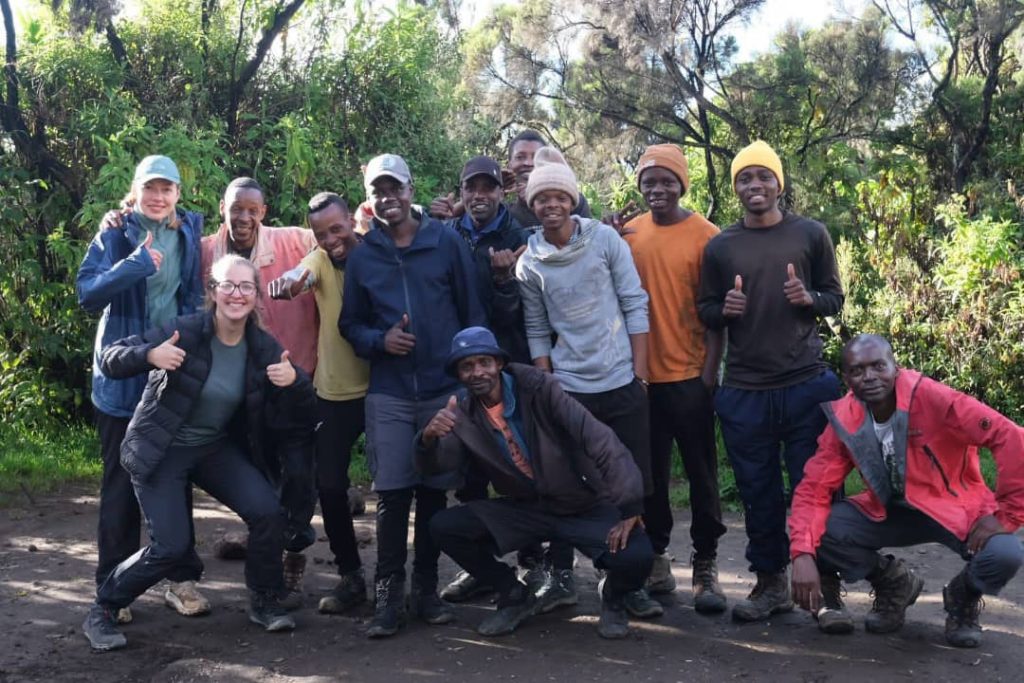
Your climb is made possible by a team of hardworking porters. They carry the camps, the food, and the supplies. Ethical treatment of these team members is a critical sign of a good company. The gold standard is membership with the Kilimanjaro Porters Assistance Project (KPAP). This organization checks that companies pay fair wages. It also ensures they provide proper equipment and carry fair loads. Climbing with a KPAP-approved partner means your adventure supports fair treatment. It also means a happier, more motivated team supporting you. Look for other signs, like Travelife certification for sustainability. You can also ask if the company is locally owned. Your choice of operator should feel good for your heart, not just your climb. A team that cares for its porters will care deeply for its clients too.
The Machame route altitude profile shows you what’s coming. Your job is to prepare your body for it. You do not need to be an athlete. You just need to be consistent. Focus on building endurance. Long walks or hikes, especially on hills, are perfect. Aim to be comfortable walking for 5-7 hours with a small daypack. Strength training for your legs and core is very helpful. But mental preparation is just as important. Look at the profile. Summit day is long and tough. You will be walking in the dark and cold. Practice positive self-talk. Remember why you are doing this. Visualize yourself reaching each camp. Being physically ready builds confidence. Being mentally ready builds resilience. They work together to help you manage each step of the altitude journey.
No matter how good the profile or the guide, you must listen to your body. Altitude sickness can happen to anyone. It is not a sign of weakness. Knowing the signs is a key part of your preparation. Mild symptoms include headache, feeling tired, loss of appetite, or trouble sleeping. These are common. The solution is often to go slower, drink more water, and tell your guide. Serious symptoms need immediate action. These are a severe headache that medicine doesn’t help. Also watch for vomiting, losing balance, confusion, or a cough with fluid. This means you must go down. A good guide will insist on it. The beauty of the Machame profile is that on many days, the route allows for a quick descent to a lower altitude if needed. Your safety is always more important than the summit.
The altitude profile takes you through different climate zones. Your gear must work for all of them. At the rainforest gate, it can be warm and humid. At the summit, it will be far below freezing. Layering is the secret. You need a moisture-wicking base layer, a warm mid-layer like fleece, and a waterproof outer layer. A very warm down jacket is essential for summit night. Good, broken-in hiking boots are your most important item. Other key things are a warm hat, gloves, sunglasses, a headlamp, a sleeping bag rated for cold weather, and a water system. A detailed packing list from your operator is crucial. Packing right means you can focus on the climb, not on being cold or wet. It makes every stage of the altitude journey more comfortable.
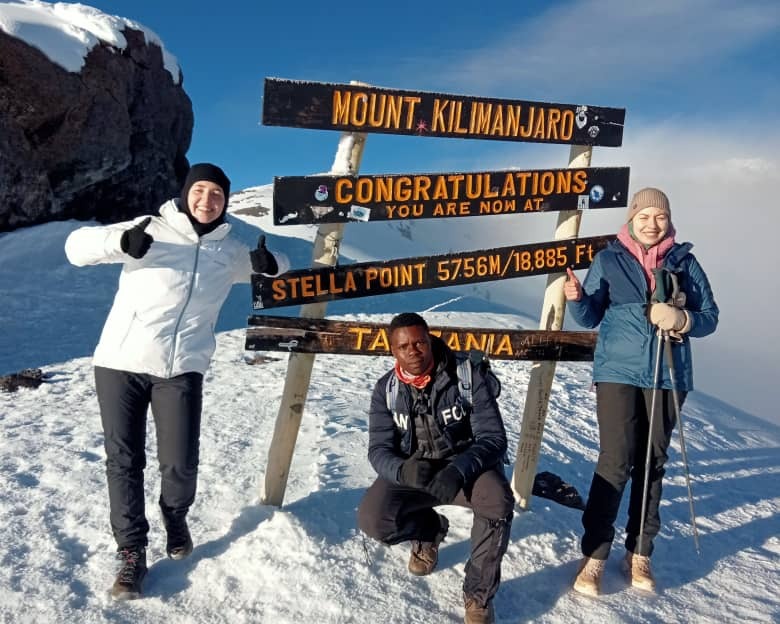
The summit is the goal, but it is only halfway. The descent is a critical part of the altitude profile that many people do not think about. After the high of reaching Uhuru Peak, you must walk all the way down to a much lower camp. This is a long, taxing day on your knees and your energy. The descent is where fatigue can set in. It is also when you need to keep drinking water. Your body continues to recover as you go lower. A good operator plans for this. They ensure you have a hot meal ready at the lower camp. They check on you after the summit. The journey down is part of your success story. Finishing strong and healthy is the final, and most important, step of the entire adventure.
What makes the Machame route altitude profile good for acclimatization?
Its design uses “climb high, sleep low.” On key days, like going to Lava Tower then down to Barranco Camp, you hike to a higher altitude but return to sleep lower. This stresses your body in a good way during the day. Then it lets your body recover and adapt at night. This builds your tolerance safely.
Is the seven-day Machame route significantly better than the six-day?
Yes, it is. The extra day, usually added at Karanga Camp, provides a full additional day for your body to adjust to the altitude. This dramatically increases your summit success chances. It also reduces your risk of altitude sickness. The six-day version rushes the important acclimatization process.
How do I know if a guiding company treats its porters ethically?
Ask directly if they are a partner of the Kilimanjaro Porters Assistance Project (KPAP). This is the most reliable sign. You can also ask about porter wages, load limits, and sleeping arrangements. A reputable company will be proud to share their ethical practices with you.
What should I do if I get a headache during the climb?
First, do not panic. A mild headache is very common. Tell your guide immediately. Drink more water because dehydration often makes it worse. Go slow. Your guide may also recommend a simple pain reliever. They will monitor you. If the headache becomes severe and won’t go away, it is a sign to descend.
Why is the summit climb done at night?
There are two main reasons. First, the scree (loose gravel) is frozen solid. This makes the walking surface more stable. Second, it allows you to reach the summit for sunrise, which is a breathtaking experience. Then you can descend before the afternoon clouds and potential weather changes arrive.
Can I climb Kilimanjaro with no prior hiking experience?
Yes, but you must train. The climb is a long trek, not a technical climb. However, you need good fitness. Start walking regularly months before. Build up to long weekend hikes with a pack. The challenge is endurance and altitude, not technical rock climbing skills.
What is the single most important piece of gear?
Without a doubt, comfortable, well-broken-in waterproof hiking boots are key. Blisters or foot pain can ruin your climb. Everything else can often be managed, but your feet carry you every step. Invest in good boots and wear them extensively before you arrive.
How cold does it get on summit night?
It can feel extremely cold. Temperatures are often between -10 to -20 degrees Celsius with wind chill. This is why a high-quality, cold-weather sleeping bag is non-negotiable. You also need a thick down jacket, warm gloves, and a hat. Being cold saps your energy and morale quickly.
What happens in a medical emergency on the mountain?
A professional operator will have a clear emergency action plan. With a WFR-certified guide, they can provide initial care. They will use a radio or satellite phone to call for an evacuation team from the park. The park has a specialized mountain rescue service to bring patients down quickly.
Is altitude sickness preventable?
You cannot guarantee prevention, but you can greatly reduce the risk. The keys are simple. First, choose a longer route for better acclimatization. Second, go slowly—“pole pole” as they say in Swahili. Third, drink 3-4 liters of water daily. Also, listen to your guide and your body. Finally, do not hide symptoms from your team.
“`