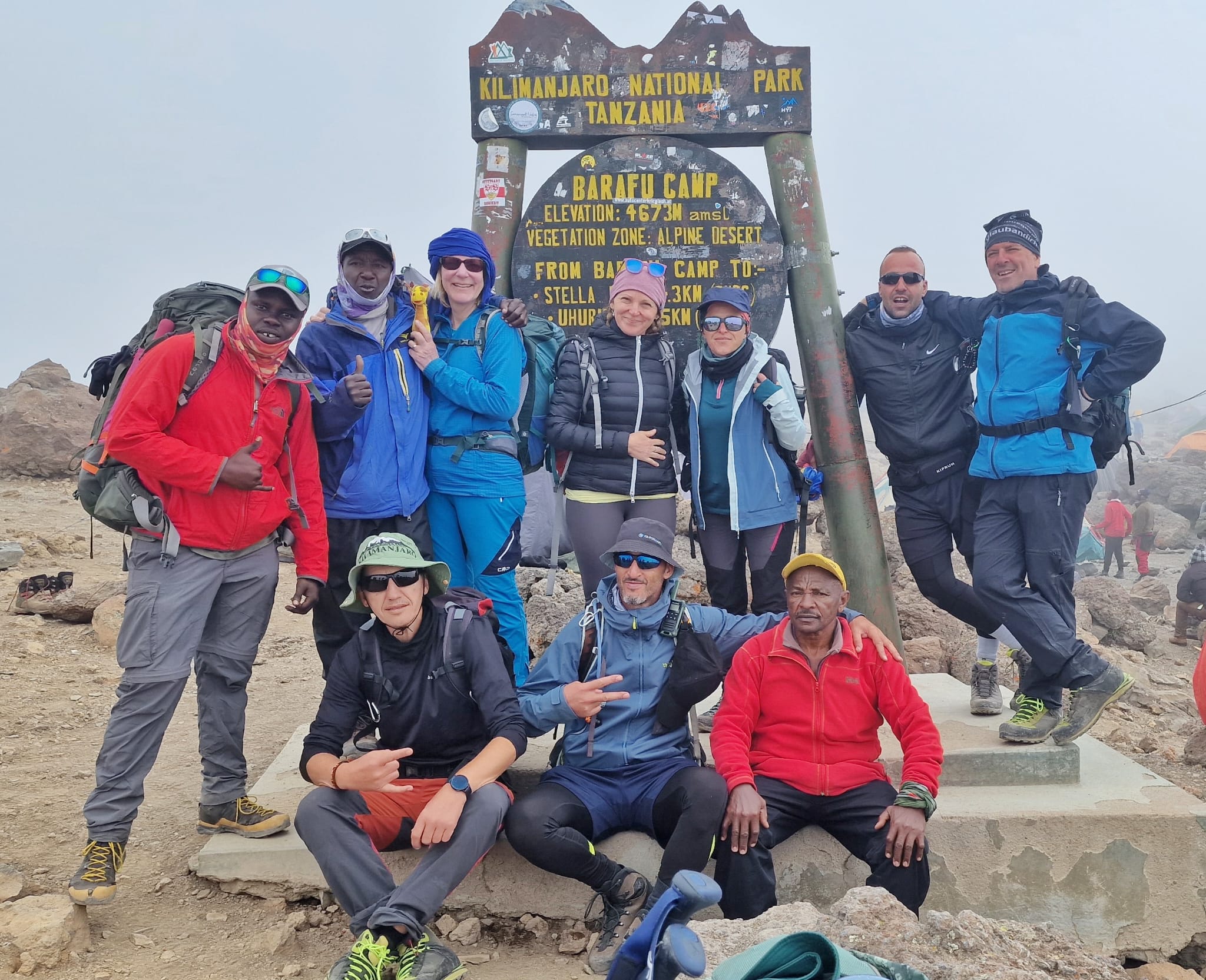
Kilimanjaro’s Climate Basics
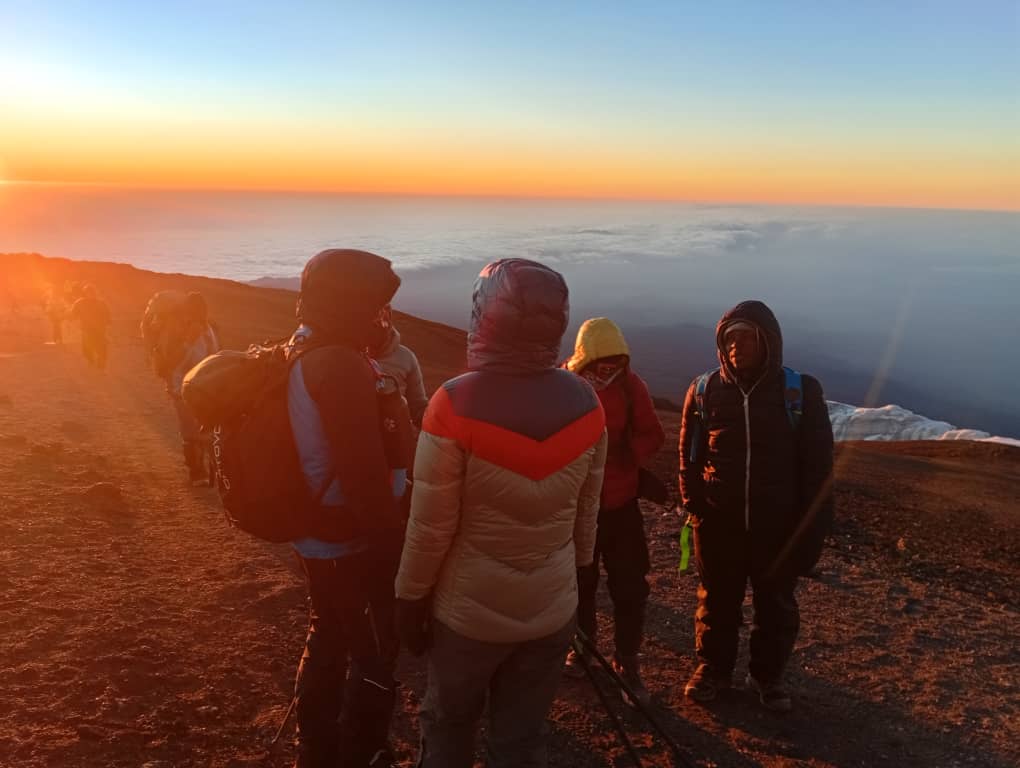
Mount Kilimanjaro doesn’t have the typical seasons like summer or winter. Instead, it experiences dry and wet periods. The dry season is a climber’s best friend, offering clear skies and minimal rain. People generally choose to climb during these months from June to October and from January to March. These months are when the weather is most welcoming for trekkers.Temperatures on Kilimanjaro change as you ascend. At the base of the mountain, it feels warm, around 70 to 80 degrees Fahrenheit. But at the summit, it’s extremely cold, dropping below freezing and sometimes reaching as low as -20 degrees Fahrenheit. Brr! You need to prepare for both warm and very cold weather, all during the same trip.
The mountain has five different climate zones. You start off in bushlands, then walk through rainforests, alpine deserts, and finally reach the arctic zone at the top. Each zone feels different, and it’s important to know where you’ll experience rain or snow. The rain mainly falls between March and May, making trails slippery and hard to navigate. Knowing what to expect in each zone helps you pack the right gear and maintain your spirits throughout the journey. For those looking to climb, consider checking out Why Choose Us for tips on how to prepare.
Weather by Month & Season
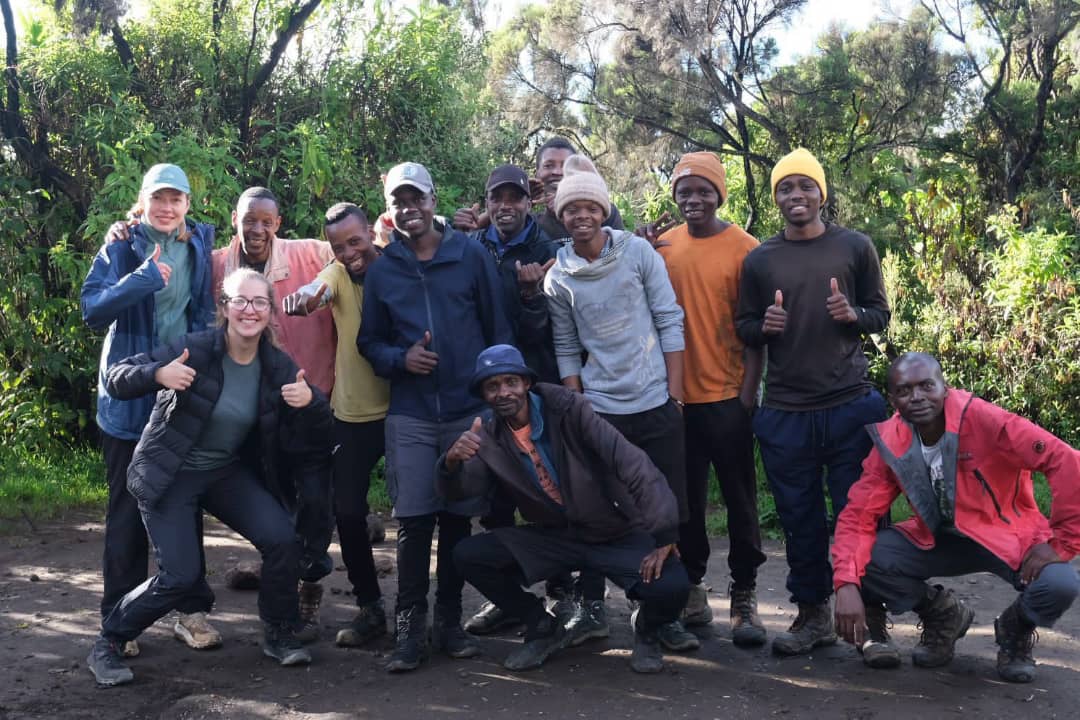
Let’s talk about the weather you can expect month by month while planning your climb. From December to February, it’s usually warm and dry, with clear views. It is a great time to climb if you appreciate warmer weather, but there might be some snowfall at the top. From March to May, it’s best to avoid climbing, as it’s very rainy. Rain makes trails muddy and slippery, making for a less than ideal adventure.
June to August brings cold but dry weather. It’s the busiest time on the mountain because of the clear views. September and October are excellent for climbing. The weather is just right, and you won’t encounter huge crowds. November is another month to avoid due to rain making a return. Understanding this month-by-month breakdown helps you pick the best time to visit, depending on your preferences. If you enjoy a quieter experience, aim for the shoulder months like October. It’s the perfect balance of good weather and fewer people, letting you enjoy the tranquil beauty of the mountain to yourself. For more detailed insights, check out our Best Time to Climb Kilimanjaro.
Best & Worst Times to Climb
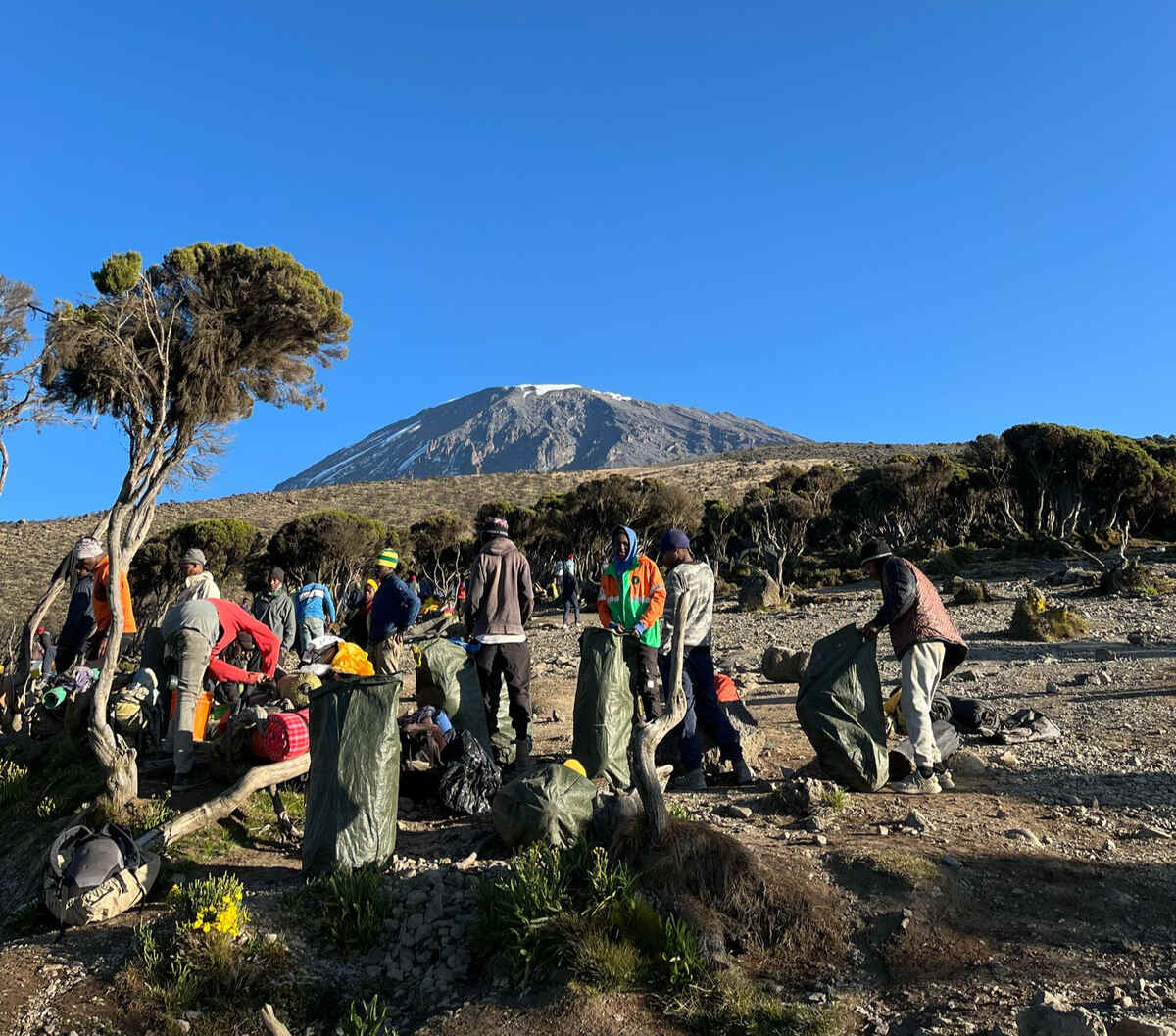
So when is the best time to climb Kilimanjaro? Many climbers prefer the dry months from June to October, as the skies are clear and there’s less rain. During these months, you’re more likely to reach the top successfully because the conditions are just right for hiking. For those considering their options, our simple guide can help you weigh your choices.
On the flip side, you should avoid climbing from March to May and in November. These months bring heavy rainfall that can make trails dangerous. Nobody enjoys getting drenched while trying to climb a massive mountain, right? Choosing when to climb also depends on your preference for crowds. If you don’t mind being with many fellow hikers, go during peak dry months. But if you prefer a quieter climb, October is perfect. It’s all about finding a balance between good weather, avoiding too many people, and choosing a safe time to explore.
Snow, Humidity & Special Conditions
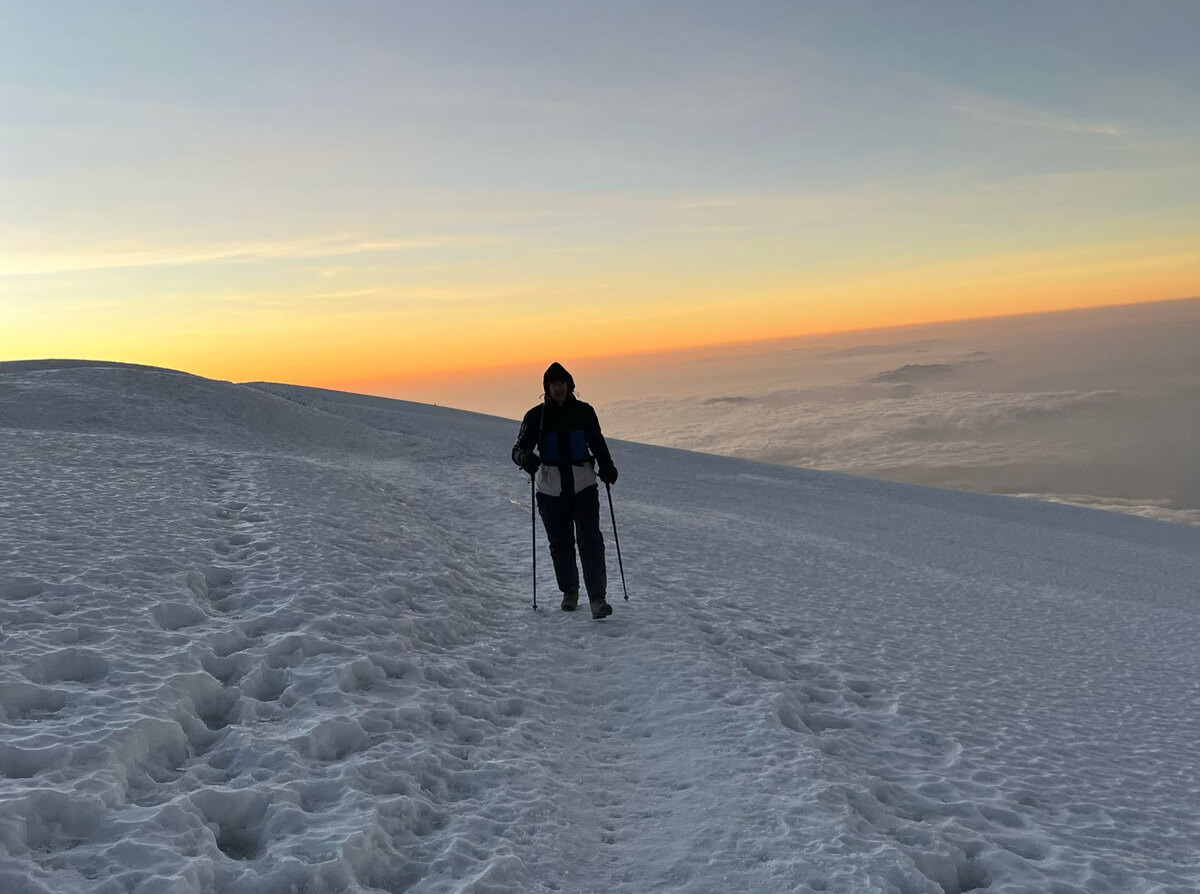
Snowfall on Kilimanjaro typically peaks from November to March. While this can make the peak look magical, it also means you need to prepare for the cold. The higher you climb, the frostier it gets. Make sure you’ve packed warm clothes to keep you comfortable. If you’re looking to learn more about Kilimanjaro’s altitude and snow conditions, check our guide on altitude sickness.
Humidity varies by month too. February, for instance, can feel quite humid. But as you climb higher, it becomes drier. In October, the humidity is manageable, making it a nice time for those who dislike sticky weather. It’s essential to prepare your gear according to these conditions. Warm clothing, a waterproof jacket, and sturdy shoes are must-haves. Knowing when snow is likely helps you decide whether you want to brave the cold for fantastic snow views or stick to warmer, clearer months for your climb.
How to Plan Your Climb Successfully
Planning a successful climb starts with understanding the weather. Pick the right month based on what you enjoy, whether it’s large groups, quieter trails, warm temperatures, or snowy scenes. Always remember to pack for both warm and cold conditions. This mountain is full of surprises! For more detailed preparations, refer to our beginner’s guide.
Check with weather-aware operators who can guide you about the best times, routes, and safety tips. They’ll help you have a fun and safe climb without the stress. Think of them as your friendly guides who know the mountain like the back of their hand.
Before you set off, take a good look at the weather forecast and gear up accordingly. If the idea of chilly winds and snow doesn’t bother you, and you’re well-prepared, your climb will be one to remember. Now’s the time to plan and turn your dream of conquering Kilimanjaro into a reality.
In a nutshell…
Mount Kilimanjaro is an incredible adventure waiting for you. The best times to climb are generally between January to March or June to October. Keep an eye on the weather, pack for everything from sunshine to snow, and choose a good operator to guide your trip. Need help planning your climb? Contact us for a safe and enjoyable adventure!
FAQs
- Q: What is the best month to climb Kilimanjaro?
- A: June to October usually offers the best conditions with dry and clear weather.
- Q: When should you avoid climbing Kilimanjaro?
- A: Avoid climbing from March to May and November; these months tend to be rainy and wet.
- Q: What is the weather like on Kilimanjaro in February?
- A: February generally has warm and dry weather, though it can be humid.
- Q: Mount Kilimanjaro weather by month: October details?
- A: October is a great time to climb with good weather and fewer crowds. Humidity is easy to handle.
- Q: How cold is the summit of Kilimanjaro?
- A: At the summit, temperatures can drop below freezing, sometimes as low as -20°F.
- Q: When is there snow on Kilimanjaro summit?
- A: Snow is most common from November to March.
- Q: Kilimanjaro weather in October: Good for climbing?
- A: Yes, October is an excellent time to climb with pleasant weather and fewer people.
- Q: What is Kilimanjaro humidity like by month?
- A: February tends to be more humid, while October has more comfortable levels of humidity.
- Q: Best dry season months on Kilimanjaro?
- A: June through October are great dry months for climbing.
- Q: Kilimanjaro temperatures by altitude zone?
- A: Temperatures start warm at the base and get colder as you ascend to the summit.