
Your Ngorongoro safari guide begins not with a roar, but with a hush. Imagine an early morning, with crisp air. As you drive toward the crater rim, a blanket of cloud parts below you. Suddenly, you look down into the world’s largest inactive volcanic caldera. It is a near-perfect bowl of green and gold savannah dotted with acacia trees and glinting soda lakes. This place feels like a lost world, a self-contained Eden. It is absolutely breathtaking. Then, if you listen, you hear a distant rumble. It is a Land Cruiser engine on the track below, a reminder that this is a shared experience. Here, wild things rule and human schedules are merely suggestions. That is the magic and reality of Ngorongoro. So, planning for it means embracing both. This guide helps you step into that scene with eyes wide open and a heart ready for wonder.
Ngorongoro is not a detour. It is the anchor. Think of Tanzania’s Northern Safari Circuit as a grand, wildlife-rich loop. Ngorongoro Crater sits right in its center, both geographically and in your itinerary. Most journeys begin in Arusha, the bustling gateway city. There you will meet your guide and start the drive west. The landscape transforms quickly. Shops and traffic give way to coffee plantations, then to lush, misty highlands. You are climbing now, and the air thins and cools. Your first destination is often the crater rim itself. You do not descend on arrival day. Instead, you spend a night up high to acclimatize to the altitude. This builds anticipation for the dawn descent. These logistics are part of the ceremony. A safari here is a slow unfurling. It connects you to the Serengeti plains to the west and Lake Manyara to the east. Ngorongoro is the profound, concentrated core of it all.
The crater changes with the seasons, and your experience changes with it. There is no single “perfect” time, only the right time for you. The dry season runs roughly from June through October. Grasslands thin and water sources shrink, so animals congregate predictably around permanent marshes and Lake Magadi. This makes wildlife easier to spot. Skies are clear and days are warm, but the crater floor is busy. This popularity means you will share the views with other vehicles. The green season, from November through May, brings life in a different way. The crater explodes in wildflowers under dramatic skies. Newborn animals dot the landscape, and the wildebeest calving nearby can mean a temporary surge of predators. However, thicker vegetation can make spotting cats a game of patience. Rains are typically heaviest from March to May and can turn tracks muddy. Each season offers a different story. Your choice depends on whether you prioritize photographic light, lush scenery, or specific wildlife behaviors.
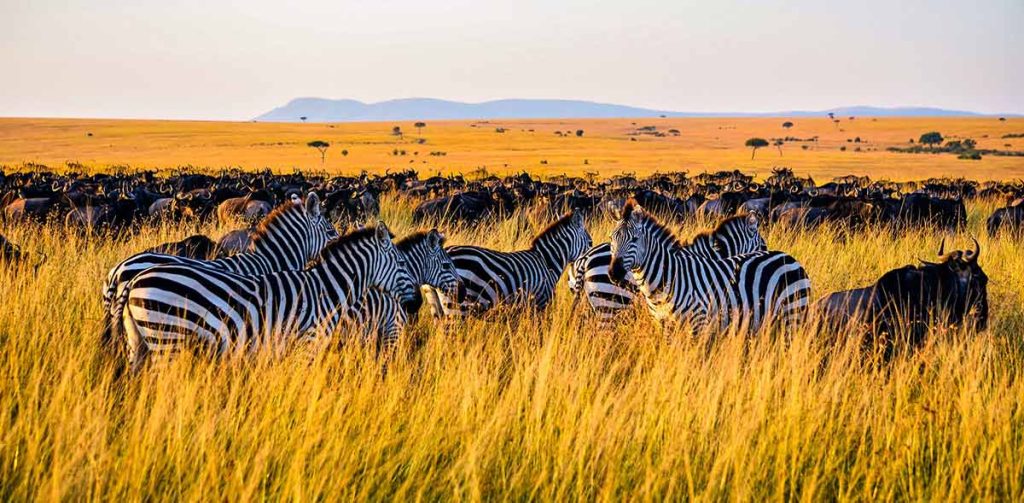
Step into the crater, and you step into one of the densest concentrations of mammals on Earth. This is not a zoo, so there are no guarantees. However, the odds are spectacularly in your favor. You are almost certain to see vast herds of zebra and wildebeest. You will likely watch families of elephants dust-bathing and see clusters of Cape buffalo. You can also spot hippos yawning in the ponds. The crater is one of the best places in Africa to see the critically endangered black rhino. Spotting one is a rare and special privilege, never a promise. Lions here are famous for their large black manes and are often seen lounging or hunting. But remember, “often” is not “always.” You might spend a morning searching for a leopard without success. That is the wild. The magic is in the search itself—the scan of the grasslands and the quiet awe of simply being there.
Your day begins in the dark. You will wake at your lodge on the rim for a quick coffee, then bundle into your vehicle at first light. The descent into the crater is a steep, switchbacked adventure. Forested walls give way to open plains, and then you are in it. For the next six to eight hours, your world is the vehicle, your guide, and the horizon. You will stop for a scenic breakfast by the hippo pool, always watching your surroundings. Your guide will interpret tracks, bird calls, and animal behavior. There will be long stretches of driving, the hum of the engine, and dust on the wind. Then, a radio crackles and you stop suddenly—a lion pride on a kill, perhaps. Lunch is a welcome respite. You must be out of the crater by a strict evening hour to protect the ecosystem. You will ascend at sunset, tired and dusty, full of stories to share over a sundowner.
Let’s talk plainly about money, because confusion can overshadow the joy of planning. A Ngorongoro safari cost is not one number. It is a layered cake. At the base are the non-negotiable park fees. These are a per-person, per-day charge to enter the Ngorongoro Conservation Area, plus a hefty vehicle fee. Your conservation fees directly protect this place. On top of that, you pay for your accommodation. Options range from simple public campsites to opulent lodges on the crater rim. Then there is your vehicle and guide. A skilled driver-guide in a modified 4×4 is your key to everything. Many travelers book this as part of a packaged tour. What is often excluded? Tips for your guide, premium drinks, travel insurance, and international flights. A clear operator will break this all down. The price reflects not just a bed and a ride, but access to a world heritage site.
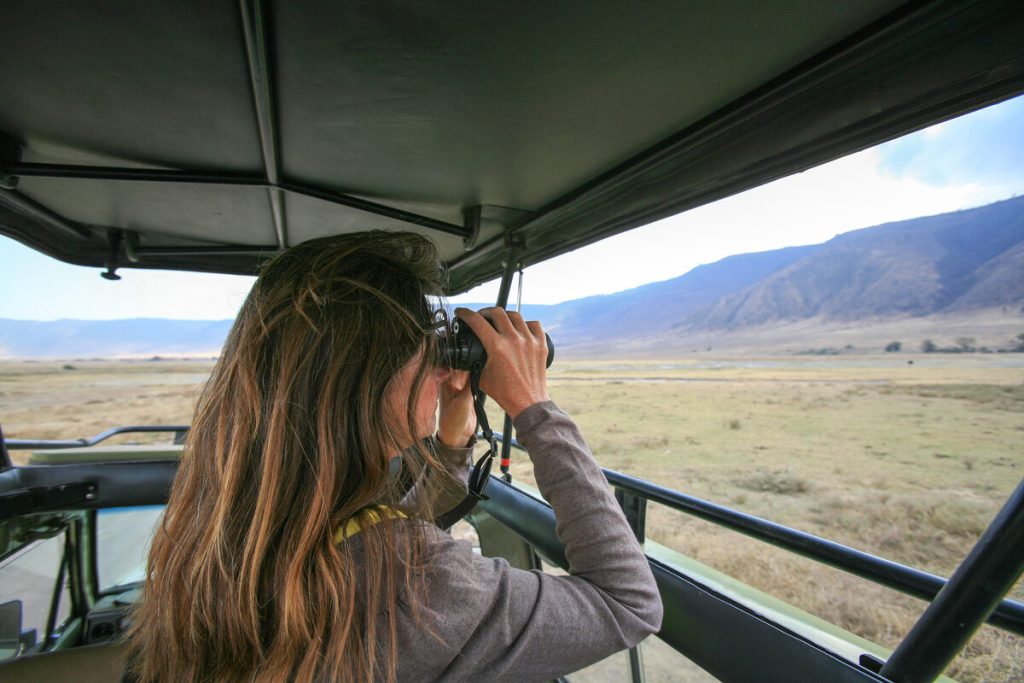
Being prepared lets you forget about preparation and just be present. Health-wise, this region is a malaria zone. So, consult your doctor well in advance for prophylaxis. The crater rim sits over 2,200 meters (7,200 feet). While not extreme, the altitude can cause mild shortness of breath or headaches. Stay hydrated. Your vehicle will be your safe space. Always listen to your guide and never stand up or get out unless they say it is safe. The sun is fierce, so high-SPF sunscreen, a wide-brimmed hat, and sunglasses are non-negotiable. Pack layers because mornings on the rim are cold, the crater floor can be warm, and evenings cool down again. Neutral-colored clothing like khaki, green, or brown is best. Also, binoculars are worth their weight in gold. And your camera? Bring extra memory cards and batteries because you will use them. This is not about fear, but about wise steps that ensure your only concern is the wildlife.
To visit Ngorongoro is to be a guest in a fragile, living masterpiece. Ethical travel here is a practice, not a slogan. It starts with choosing a reputable operator. Look for one that employs certified local guides and maintains its vehicles to minimize environmental impact. They should also follow all park rules, like staying on tracks and never crowding animals. Your conservation fees directly fund protection efforts. In the crater, your guide will carry out all waste, so leave nothing behind. Respect the animals by allowing your guide to manage viewing distances. A stressed animal is a spectacle robbed of its dignity. You can also consider supporting community-based tourism initiatives around the NCA. The goal is to take only photographs and leave the lightest possible footprint. This ensures the lion you watch today will rule over a territory your grandchildren might one day visit.
For the crater itself, a minimum of one full day inside is essential. Most itineraries allocate two nights on the rim: one for arrival and one for recovery after your game drive. However, Ngorongoro is rarely a standalone trip. It is the powerful centerpiece of a broader Northern Circuit journey. A classic itinerary might start with a day in Arusha National Park or Lake Manyara. Then, you would spend two nights at Ngorongoro before flowing west into the endless plains of the Serengeti. This progression has a rhythm—from intimate forests to the concentrated drama of the crater, and finally to the epic freedom of the Serengeti. Talk with your operator about your preferred pace. Do you want to move lodges daily or have a few deeper bases? Your time is precious, so the right itinerary makes every hour count.
The final step is turning excitement into action. Start by researching and contacting a few reputable safari operators. Look for those with a strong conservation ethos. Then, secure your international flights into Kilimanjaro (JRO). Check your passport validity and visa requirements for Tanzania. Next, visit a travel health clinic for vaccinations and malaria advice. Remember, travel insurance that covers medical evacuation is not optional. Book your safari, paying careful attention to what is and is not included. Then, start packing your essentials: binoculars, camera gear, a headlamp, and neutral-colored clothing. Also pack a warm layer and a sense of wonder. Finally, let go of the need to control everything. You have planned well, so now you are ready to be swept up in the experience. Your adventure is waiting.
“`