
Deciding between a Private vs Group Kilimanjaro Trek is one of the first real choices you’ll make in planning. Most websites list the obvious pros and cons, but they often miss the on-the-ground realities that determine if your climb is a triumph or a test of patience.
As a ground operator who runs these trips, I see the gaps in those guides. They talk about cost, but not the hidden value. They mention flexibility, but not what that actually feels like on the mountain. Let’s get into the real differences, so you can match the climb to your personality, your budget, and your dream.
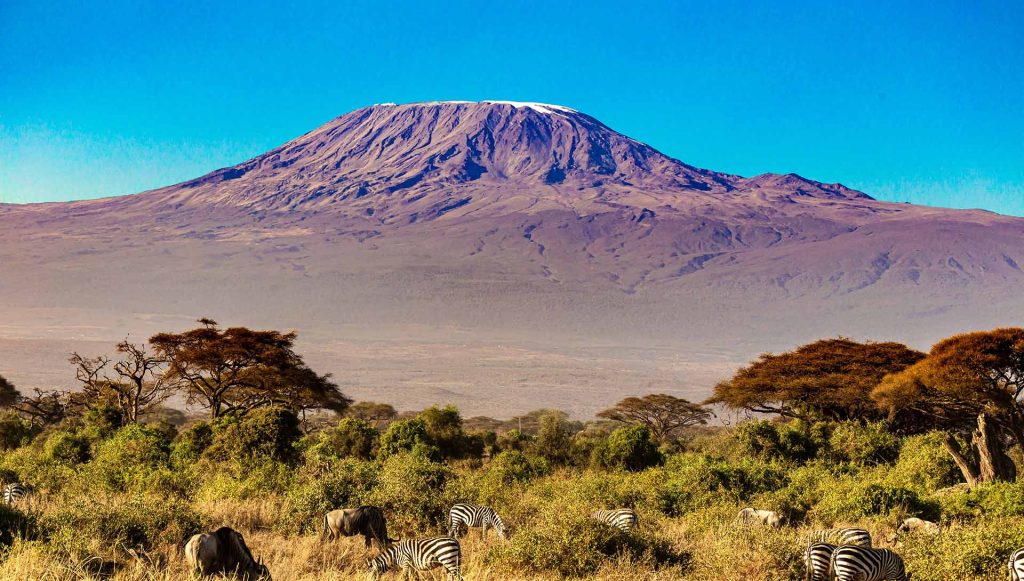
Imagine your day on the mountain. In a group trek, your wake-up time, meal times, and hiking pace are set by the guide to suit the group’s middle ground. You move as one unit. This creates a powerful, shared rhythm and built-in camaraderie.
A private trek flips this script. Your day revolves entirely around you. Feel strong and want to push ahead to camp? You can. Need an extra 30 minutes at lunch to rest a blister? No problem. The mountain schedule is yours to shape, which can be a massive advantage for acclimatization and comfort.
This daily control in a private climb directly impacts practical things. You choose when to take photos, how long to linger at a viewpoint, and even which tent site you prefer within the camp. In a group, these small decisions are communal, which is fine if you enjoy the social energy.
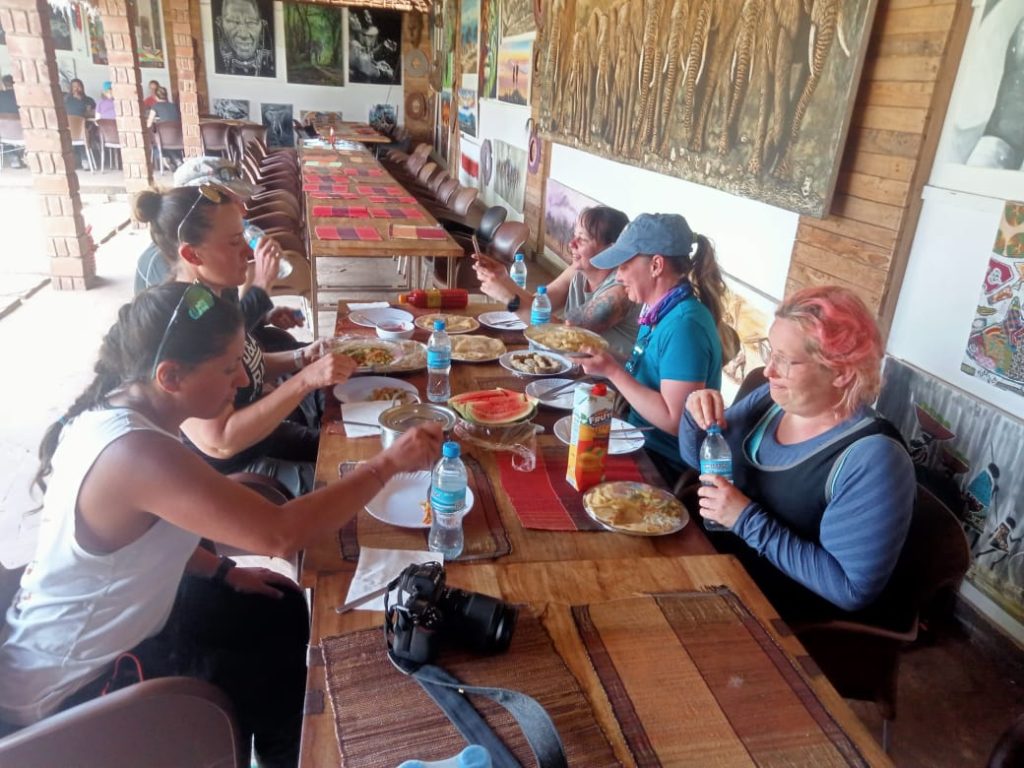
This is the biggest draw, and the numbers are real. A spot on a scheduled group departure is typically 20-30% less expensive than organizing a private climb for just yourself or a couple. This is because fixed costs like permits, guide salaries, and campsite fees are shared.
But you must understand what “group” means. It’s not a random assembly; operators create these by advertising set departure dates. Groups usually range from 4 to 12 people. You’re joining strangers who have all signed up for the same date and route.
The lower price is clear, but it’s a fixed product. You get the advertised date, route, and itinerary. There is little room for customization. For a solo traveler or a couple on a firm budget who can align with a set schedule, this is the most financially sensible path to the summit.
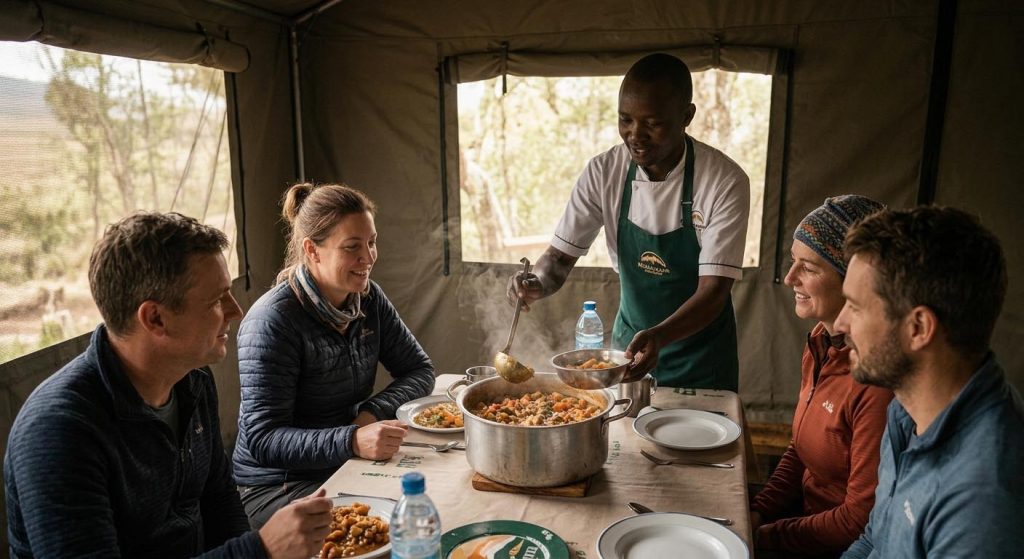
Yes, it costs more. But calling it “expensive” misses the point. You are paying for a bespoke expedition. The cost covers the same full crew—guides, porters, cook—dedicated solely to your party, whether that’s one person or six.
This creates a different value equation. The guide-to-client ratio is often 1:1 or 1:2, compared to a group ratio of maybe 1:4 or more. This means more personalized health monitoring, immediate pace adjustment, and focused encouragement. For many, this tailored support is the difference that justifies the investment.
The premium buys control: of your date, your route, your daily pace, and your team’s attention. It transforms the climb from a participatory tour into a personal journey. The question isn’t just about cost, but what you need to feel safe, supported, and successful.
If you are outgoing, draw energy from others, and aren’t overly particular about daily routines, a group climb can be fantastic. The shared struggle up the mountain often forges fast friendships. The encouragement from fellow trekkers on summit night is genuinely powerful.
It’s also ideal for solo travelers who want company and to avoid the single-supplement fee of a private climb. You need a degree of flexibility, as you’ll compromise on pace and stops. If you’re easygoing and budget-conscious, the group format is likely your best match.
Some situations make a private trek not just a luxury, but a necessity. If you are a couple on a honeymoon, a family with younger members, or have specific fitness concerns, the group structure rarely fits.
A private climb allows for intimate moments and a pace that keeps your party together safely. It’s also critical if your dates are fixed and don’t align with group departures, or if you have your heart set on a specific, less-traveled route that isn’t offered on a group calendar.
Tell us what you have in mind and we’ll build you a free, no-pressure itinerary with honest pricing — planned by a local team that runs these trips every day.
This is a major gap in most guides. You don’t just show up and get placed with 10 people. Reputable operators advertise specific “Guaranteed Departure” dates for each route. You book a spot on that date, and the group forms as others book.
Groups can be wonderfully international. They are also final; you cannot change the route or date once booked without significant penalty. It’s crucial to ask about the minimum group size to guarantee the departure, so you know your trip won’t be cancelled.
On the mountain, the crew is sized for the confirmed group. The lead guide manages the group’s pace, often putting the slowest hiker in front to set a sustainable, “pole pole” speed. This is great for acclimatization but can frustrate naturally faster walkers.
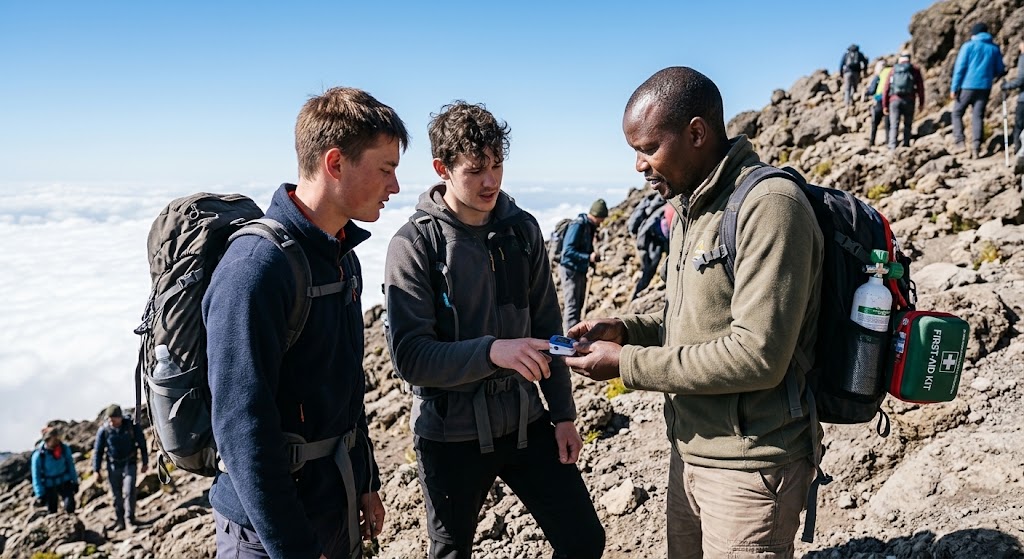
All licensed climbs must meet park safety standards. The real difference lies in the margin for individualized care. On a private trek, your guide’s primary focus is your small party’s vital signs and morale. They can act instantly if you show signs of altitude sickness.
In a group, the guide must divide attention. While still vigilant, their response to an individual issue might be slightly slower as they manage the whole team. For climbers with any anxiety about altitude or who want maximized oversight, the private model offers tangible peace of mind.
The route choice is intertwined with this decision. Popular routes like Marangu and Machame have frequent group departures. If you want a more remote, longer route like Northern Circuit or Rongai, finding a scheduled group can be harder, often pushing you toward a private booking.
Furthermore, a private climb lets you customize a route slightly—adding an extra acclimatization day on Lemosho, for instance. This level of itinerary tailoring is impossible on a fixed group trek, which sticks to a set, optimized schedule.
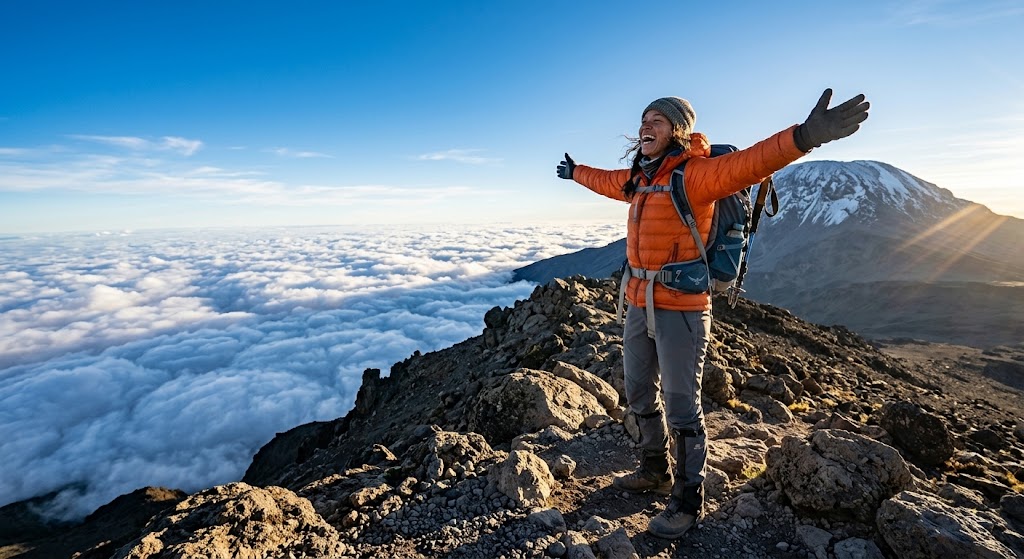
This is a key decision point. A solo traveler on a group climb gets instant community and the lowest possible cost. A solo private climb is a profound, custom journey, but you bear the full cost of the dedicated crew, making it a premium investment.
For couples, a private trek is often the default recommendation. It allows for romance, private tents, and a pace you set together. Two people on a group climb can work, but you’ll be blending your couple dynamic into the larger group’s flow for the entire journey.
Think beyond the climb itself. Are you combining it with a safari? A private climb allows perfect date synchronization for a seamless trip. With a group climb, your safari dates must fit around the fixed climb schedule, which can limit flexibility.
Also, consider the “off-mountain” time. In a group, you’ll share transport and pre-climb briefings. On a private trek, all that logistics time is yours alone, which can mean less waiting and a more efficient trip from airport to trailhead.
“`