
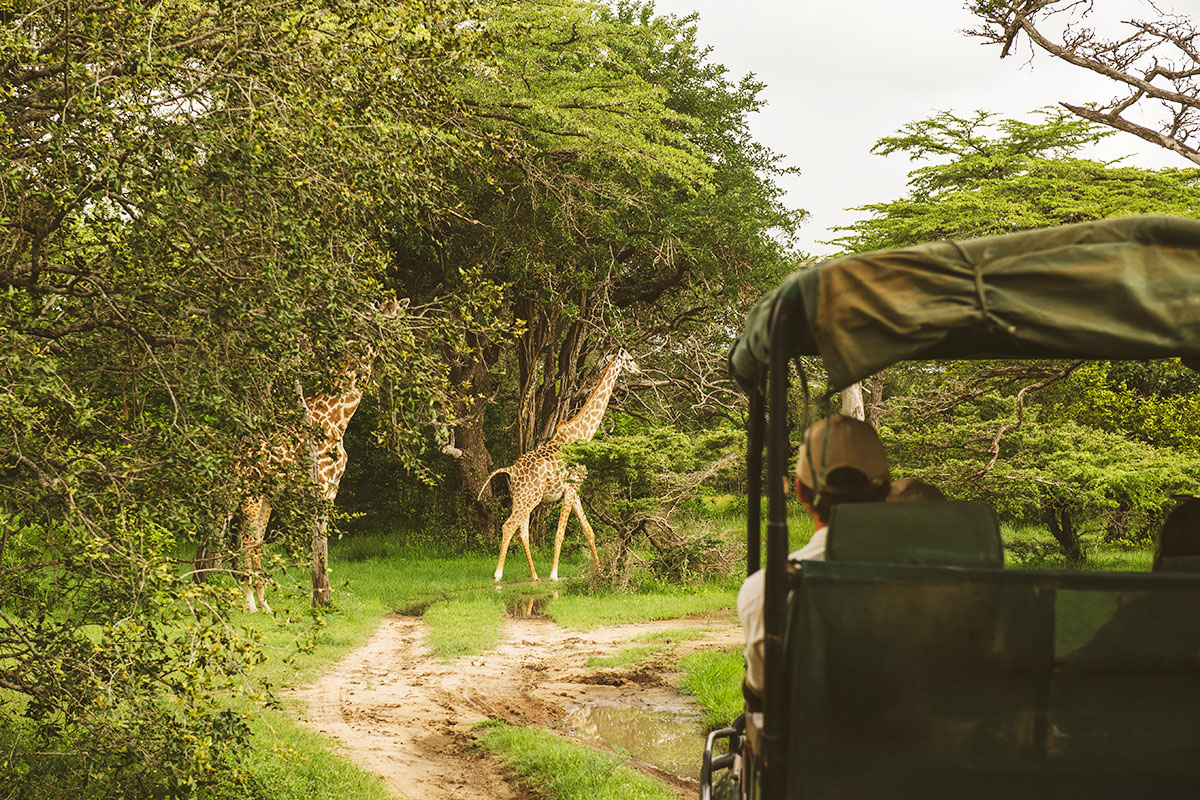
Picture this: you’re on a Ruaha safari in an open-sided Land Cruiser, rolling slowly along a track of russet earth. The air is hot and still, smelling of dust and wild sage. To your left, a riverbed holds only a few precious pools of water, each one a magnet for life. A giraffe dips its head to drink. In the silence, you hear everything—the buzz of flies, the rustle of dry grass, the low grunt of a hippo you can’t yet see. This is Ruaha. It feels vast, ancient, and utterly untamed. You’re not just paying for a checklist of animals here; you’re paying for the profound sense of wilderness, for the luxury of quiet, and for the expertise that turns a simple game drive into a deep reading of the land. Let’s talk about what that really costs, and what you’re truly getting.
Ruaha doesn’t perform for the crowds, because there are no crowds. This is Tanzania’s largest national park. While the northern parks can feel like a grand theater, Ruaha is a private audience with nature. You won’t find a dozen vehicles jostling for a view of a leopard. Instead, you will find yourself alone, watching a herd of a thousand buffalo kick up a veil of dust. The wildlife here is prolific but scattered. This means your experience is deeply seasonal and gloriously unpredictable. A good guide isn’t a chauffeur here; they’re a translator, reading tracks in the sand and bird calls on the wind. You’re paying for this sense of discovery, for the privilege of feeling like an explorer in one of Africa’s last great wild places.
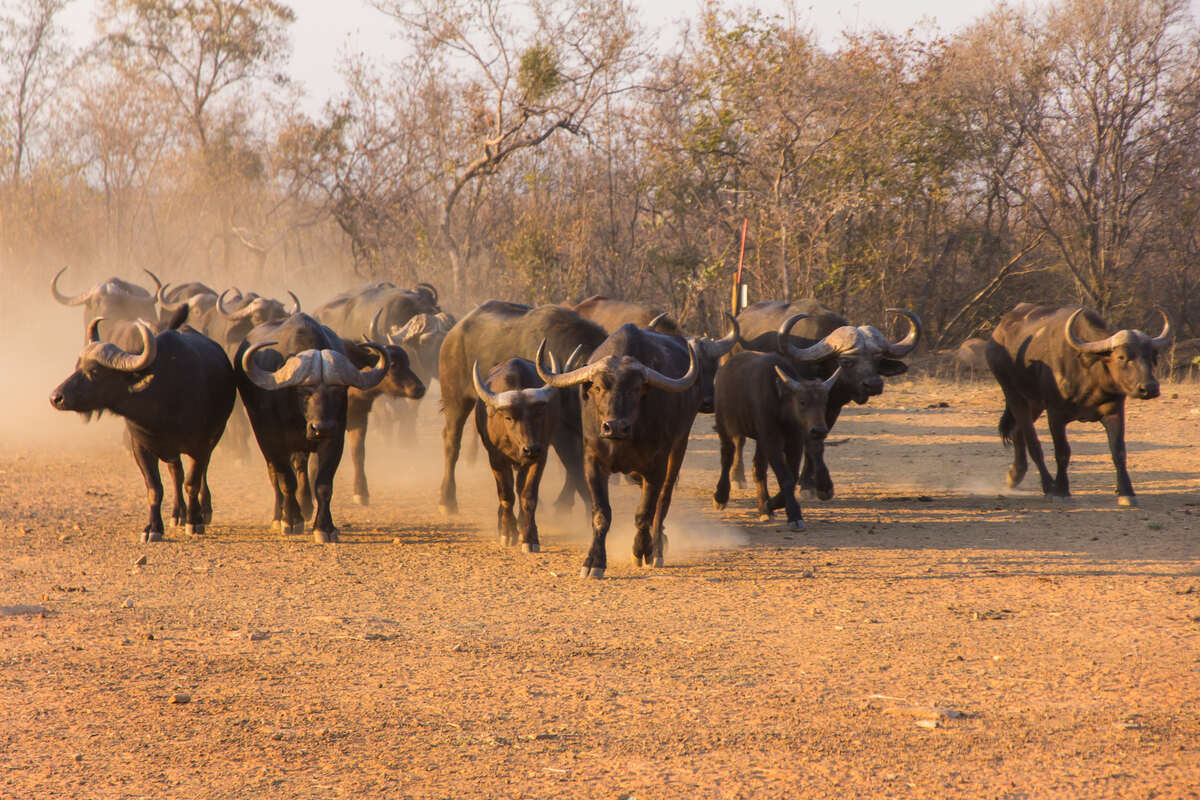
Your Ruaha wildlife safari is a direct conversation with the seasons. In the dry season, roughly from June to October, the land is parched and golden. This is when wildlife viewing is at its most intense. Animals congregate predictably around the remaining waterholes and the Great Ruaha River. You’ll see vast herds of elephant, buffalo, and zebra. Predators like lion, leopard, and the rare African wild dog find hunting easier. But it’s hot, and the landscape can feel austere.
The green season, from November to May, transforms everything. The skies open, painting the plains emerald and filling the rivers. The park bursts with life—nesting birds, newborn antelope, and wildflowers. However, the dense foliage and dispersed water sources make animals harder to find. You’re trading the certainty of sightings for the drama of the landscape itself. Neither is ‘better’—they are different chapters of the same epic story.
When you see a Ruaha safari price “from” a certain figure, the crucial question is: from what? A price typically includes your park fees, full-board accommodation, two daily game drives in a shared 4×4 with a professional guide, and all meals. It almost never includes your international flights to Tanzania.
The critical variables are your transfers into the park. Many operators quote prices assuming you’ll take a scheduled or chartered flight from Dar es Salaam or Arusha to the airstrip near your lodge—these flights are a significant added cost. If you choose a road transfer, it’s a long, rough journey, but it’s often cheaper. Drinks (beyond water), premium wines and spirits, laundry, and tips are standard exclusions. Always ask: “Does this quote include my domestic flights to Ruaha?” The answer makes all the difference.
This is a common point of confusion. Arusha is the gateway to the Northern Circuit (Serengeti, Ngorongoro). For Ruaha, in the south, it is not your logical starting point. Flying from Arusha to Ruaha requires backtracking via Dar es Salaam.
The most efficient air gateway for a Southern Tanzania safari to Ruaha is Dar es Salaam or, occasionally, Zanzibar. Scheduled and charter flights depart from Dar directly to Ruaha’s airstrips. A road transfer from Dar is possible but involves a full day of travel over challenging roads. Some itineraries combine Ruaha with the Selous, creating a Southern Circuit that starts and ends in Dar. When comparing operators, scrutinize their proposed routing. An itinerary that starts in Arusha for a Ruaha-focused trip is adding unnecessary time and cost.
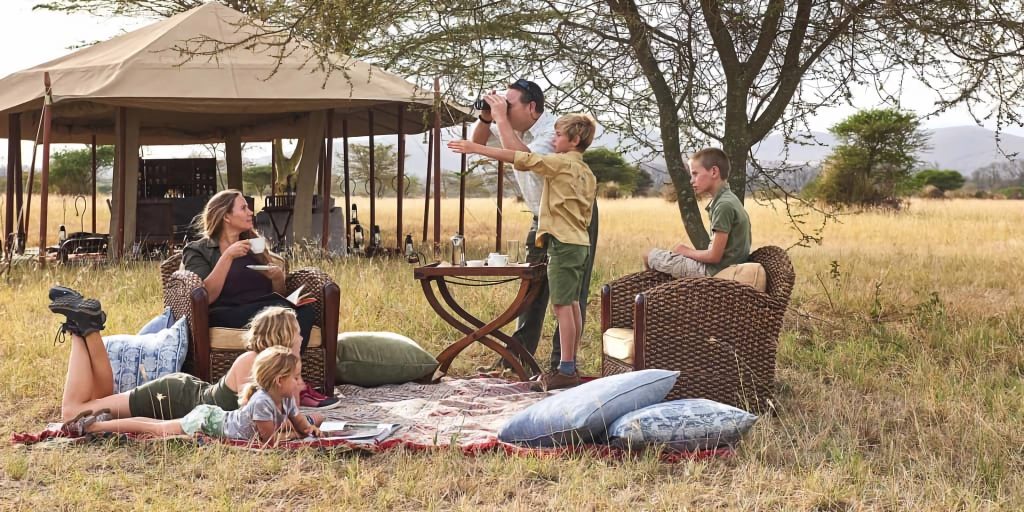
“Luxury” in Ruaha is defined by wilderness, not just thread count. The high-end lodges here are remote, intimate, and designed to immerse you in the environment. Think raised timber walkways leading to tented suites with canvas walls you can roll up. Think outdoor showers under a canopy of stars.
You’re paying for privacy, for guides who have lived in the region for years, and for a level of service that anticipates your needs without intruding. The difference between a standard and a luxury option often lies in the guide-to-guest ratio, the exclusivity of the vehicle (private vs. shared), and the depth of the guiding knowledge. A true luxury safari invests in the people who show you the wild, not just the linen on your bed.
For an affluent traveler, value isn’t just about personal comfort; it’s about the footprint you leave. A responsible Ruaha operator should be able to answer ‘yes’ to these questions: Are their guides certified by the Tanzanian government and paid a fair, professional wage? Do they adhere to strict park rules—never off-roading, keeping a respectful distance from animals, and minimizing noise?
Is their camp designed with a low environmental impact (solar power, water recycling, waste management)? Do they source food and goods locally where possible? Does a portion of your fee contribute directly to park conservation or community projects? These aren’t add-ons; they are the markers of a quality operation. Your money should protect the wilderness you came to see.
Ruaha is remote, and preparation is your key to comfort. Malaria is present; prophylactics are non-negotiable, and you should consult a travel clinic well in advance. Your vehicle will be a well-maintained, open-sided 4×4, but the roads are rough—it’s an active, bumpy experience.
Pack for layers: cold mornings, blazing midday sun, and cool evenings. Neutral-coloured clothing is recommended. A powerful pair of binoculars is your most valuable tool after your guide. While safety incidents are extremely rare, always follow your guide’s instructions. The biggest health risk is often dehydration or sunstroke—drink water constantly. Come prepared not with anxiety, but with the right gear and a sensible respect for the wild.
Ruaha is not a park you “pop into.” The travel time to get there is significant, and its scale demands time to absorb. A three-day, two-night safari gives you a taste, but you’ll spend much of it in transit. Four days and three nights is a solid minimum, allowing for several full game drives.
For those seeking a deeper immersion, five to seven days lets you venture to more remote sectors and truly sync with the rhythm of the wild. Many operators combine Ruaha with the Selous Game Reserve or the beaches of Zanzibar. The best itineraries build in time for stillness—for sipping a coffee at dawn as the bush awakens, not just for chasing sightings.
Look beyond the glossy photos. First, check their specialization: are they Tanzania-wide, or do they have demonstrable, deep expertise in the Southern Circuit and Ruaha specifically? Read the fine print on inclusions/exclusions, focusing on flight transfers.
Seek out recent, detailed client reviews that mention guide knowledge, vehicle condition, and logistical smoothness. Ask them directly about their ethical policies. Trust signals include membership in reputable tourism associations and guides with over a decade of experience. A good operator will ask you as many questions as you ask them. That dialogue is the first sign you’re dealing with professionals, not just salespeople.
No ethical guide will guarantee you the Big Five. In Ruaha, there are no rhinoceros, so the classic ‘Big Five’ isn’t even possible. But what you have here is extraordinary: one of East Africa’s largest elephant populations, immense herds of buffalo, high densities of lion and leopard, and a strong chance of seeing the endangered African wild dog.
But wildlife is wild. A sighting depends on season, weather, and plain luck. Your investment is in a guide with the skill to tip the odds in your favor. The most profound moments often aren’t the dramatic kills; they’re the quiet observations—a fish eagle calling, a dung beetle rolling its prize, a family of elephants communicating in low rumbles you feel in your chest. That’s the real payoff of a Ruaha safari.
No. Arusha is the hub for the Northern Safari Circuit. For Ruaha, in southern Tanzania, the most efficient air gateway is Dar es Salaam. Flying from Arusha to Ruaha typically requires a connection through Dar, adding unnecessary time and expense.
Typically included: park entry fees, full-board accommodation, two daily game drives with a guide, and meals. Typically NOT included: international flights, domestic flights to Ruaha, premium drinks, laundry, gratuities, and travel insurance. Always confirm what transfers are covered.
The dry season (approx. June-Oct) offers concentrated wildlife around water sources, making animals easier to find. The landscape is dry and golden. The green season (approx. Nov-May) is lush and beautiful with newborn animals and migratory birds, but wildlife is more dispersed and harder to spot due to thicker vegetation.
Given the travel time required to reach Ruaha, a minimum of 3 nights/4 days is recommended. This allows for several full game drives. For a more immersive and relaxed experience, 4-5 nights is ideal.
Yes, malaria is present in Tanzania. Consult a travel doctor for recommended anti-malarial prophylaxis. Also, use insect repellent, wear long sleeves at dusk and dawn, and ensure your accommodation has mosquito nets.
Expect open-sided, 4×4 Land Cruisers or similar, driven by professional guides certified by the Tanzanian government. The quality of guiding knowledge varies, so researching your operator’s reputation for guides is crucial.
Look for operators who employ and train local staff, adhere to park rules (no off-roading, respectful distances), use eco-friendly practices at their camps (solar, waste management), and contribute to conservation or community projects.
Ruaha is known for large elephant and buffalo herds, strong lion and leopard populations, and is one of the best places in Africa to see the endangered African wild dog. Sighting specific animals is never guaranteed and depends on season, conditions, and luck.
Yes, but with a note. Its remote, wild nature is incredibly rewarding, but it requires more travel logistics than the northern parks. First-timers who value exclusivity and wilderness over sheer animal density will love it, provided they are prepared for the journey.
Pack neutral-coloured, lightweight clothing for sun protection, a warm layer for mornings and evenings, a wide-brimmed hat, high-SPF sunscreen, quality binoculars, a camera, and sturdy, comfortable shoes. Don’t forget your malaria medication and a basic first-aid kit.
“`