
You’re looking at 3 Days Serengeti Migration Safari Packages for a short, powerful Serengeti adventure. It’s a big investment, and you want to be sure you’re booking the right trip—not just the cheapest or the prettiest picture. Brochures can make a 3-day safari look effortless, but they often leave out the real details that make or break the experience.
As a local operator running these trips every year, I see where the gaps are. This guide walks you through exactly what you’re paying for, what a migration-focused three days really feels like, and how to spot the difference between a good deal and a corner cut. Let’s get you booked with confidence.
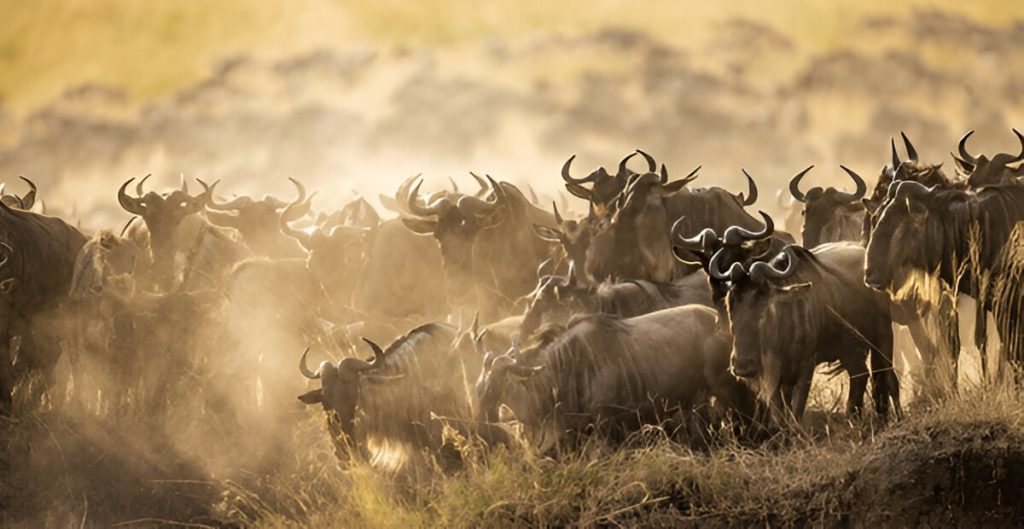
You’ll see a huge range of prices, all for a “3-day migration safari.” The deal isn’t just the price tag—it’s in what’s included and, crucially, what’s not. Budget packages start around $850 per person, while luxury tented camp experiences can exceed $2,000.
That difference isn’t just about thread count. Lower-cost deals often use public campsites and standard safari vehicles. Luxury packages include private concessions, higher-end meals, and often, a much better chance to be in the right place for wildlife action without the crowds. These are some of the Tanzania migration safari deals you should compare to make an informed decision.
A genuine deal clearly lists every park fee (typically $100–$150 per person, per night in the Serengeti), all meals, guide fees, and vehicle costs. If the price seems surprisingly low, double-check for major add-ons like internal flights or park fees. These can add hundreds to your final bill.

Short safaris cost more per day than longer ones. A 3-day trip averages $300 to $650 per person, per day. This is because fixed costs like vehicle transfers and guide fees are spread over fewer days. It’s simply the economics of a short, focused trip such as 3 Days Serengeti Migration Safari Packages.
The main cost drivers are accommodation style (budget camping vs. luxury lodge), whether you join a group or have a private vehicle, and the season. High season runs from July through March, when wildlife viewing—and prices—are at their peak.
Your guide is your key to the migration. An experienced, well-paid guide with a reliable, well-maintained vehicle is a non-negotiable part of the cost. This is one area where you don’t want the cheapest option. A great guide turns a scenic drive into a life-changing experience.
A typical 3-day migration-focused safari is intense and rewarding. Day one is a long drive or flight from Arusha into the Serengeti, with an afternoon game drive. You go straight into the action using your chosen 3 Days Serengeti Migration Safari Packages.
Day two is your full migration day. You’ll leave camp at sunrise with a packed lunch, spending 8–10 hours searching for herds, predators, and hopefully, a dramatic river crossing. It’s a long day in the vehicle, but it’s the core of the experience.
Day three usually includes a shorter morning drive before the long journey back to Arusha. This structure maximizes wildlife viewing but means significant travel time on days one and three. It’s fast-paced, which works well for travelers with limited time but high energy.
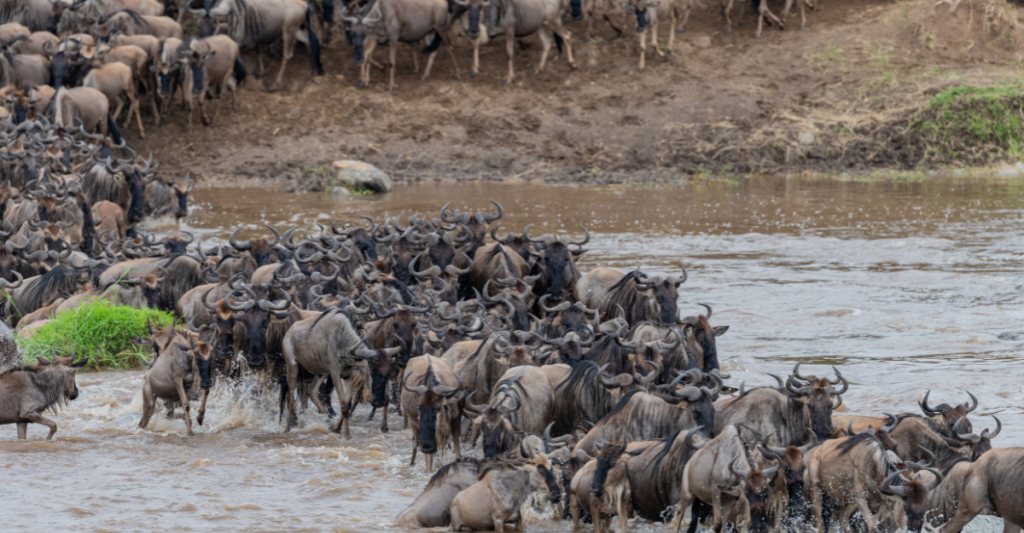
The “Great Migration” is a year-round, circular movement. For a 3-day trip, you need to be hyper-specific about location and timing to see the famous river crossings, which are a seasonal highlight. Booking Ndutu calving season safari packages is ideal if you want to witness the birthing season and predator action.
The most reliable period for crossings in the northern Serengeti (Mara River) is typically July through October. This is the absolute peak season. If you book a “migration safari” outside these months, ask your operator exactly where the herds will be and what behavior you can expect to see.
July to October is dry, with sparse vegetation, making animals easier to spot. It’s also the busiest and most expensive time. The shoulder seasons can offer good value, but you must manage your expectations about witnessing the river drama.
Almost all 3-day safaris start and end in Arusha, the safari gateway. Your package should clearly state how you get from Arusha to the Serengeti. The drive is long—6–8 hours one way—eating into your safari time.
Many premium 3 Days Serengeti Migration Safari Packages include a domestic flight from Arusha to an airstrip inside the Serengeti. This adds cost (often $300-$500 per person round-trip) but saves a full day of travel, giving you more time actually on game drives. It’s a worthwhile upgrade for a short trip.
Tell us what you have in mind and we’ll build you a free, no-pressure itinerary with honest pricing — planned by a local team that runs these trips every day.
This choice defines your experience and budget. Budget camping safaris use public campsites with shared facilities. You’re closer to the sounds of the bush, but it’s more basic. This is where you find those $850–$1,250 packages.
Lodges and permanent tented camps offer beds, ensuite bathrooms, and often swimming pools and restaurants. They are located in prime wildlife areas and provide comfort after a long game drive. This is the $2,000+ tier. Your choice should balance your comfort needs with your wildlife priorities.
“Tented camp” can mean anything from a simple canvas structure to a lavish suite with hardwood floors. Always ask for photos of the actual accommodation and check its location on a Serengeti map. Proximity to migration corridors is key, and for photography enthusiasts, selecting Ndutu calving season safari packages will bring you close to the action during the calving months.
A trustworthy operator provides a crystal-clear inclusion list. Must-haves are: all national park fees, all meals on safari, drinking water, all game drives in a 4×4 vehicle, professional guide fees, and accommodation as listed.
Common and costly exclusions are: international flights, Tanzanian visa fee, travel insurance, gratuities for your guide and camp staff, alcoholic drinks, and any optional activities. Also, confirm whether transfers from Kilimanjaro Airport (JRO) to your Arusha hotel are included—they often are not.
For a private safari, you have a vehicle to yourself. On a group trip, confirm the maximum number of passengers. A pop-top 4×4 should have no more than 6–7 people to ensure everyone has a window seat. This directly impacts your viewing pleasure.
For many, especially first-time visitors with other plans like Kilimanjaro or Zanzibar, three days is a perfect introduction. It’s a concentrated dose of the Serengeti that fits into a 7–10 day Tanzania itinerary and is well-addressed by Tanzania migration safari deals.
You’ll see a tremendous amount of wildlife if your timing is right. The pace is fast, but it’s designed to deliver maximum impact in minimum time. It’s ideal for travelers who are comfortable with long days and eager to see the highlights.
If your sole focus is wildlife photography or you deeply dislike long travel days, consider a 4 or 5-day safari. This reduces the relative daily cost and allows for a more relaxed pace, with a full day to explore different regions of the park without rushing.
Look beyond the website. A reputable operator should be registered with the Tanzanian Tourist Board. Don’t hesitate to ask for recent client references or their guide’s certification details.
Transparency about staff welfare and sustainability practices is a strong positive sign. Operators who invest in their team and minimize environmental impact tend to run higher-quality, more ethical safaris. Read third-party reviews on sites like TripAdvisor for unfiltered opinions.
From your first inquiry, note how the company communicates. Do they answer your specific questions about migration timing and costs promptly and honestly? This pre-trip experience is a reliable indicator of their service on the ground, especially with 3 Days Serengeti Migration Safari Packages.

Packing light is essential, especially if you’re taking a small plane. Neutral-colored clothing (khaki, green, beige) is best. Even in the dry season, mornings can be cold—layers are key.
Essential items are: a good pair of binoculars, a camera with a zoom lens, a power bank (charging in vehicles/camps can be limited), sunscreen, a wide-brimmed hat, and sturdy, closed-toe shoes. Don’t forget your international adapters and any necessary medications.
Nature is unpredictable. While operators will do everything to position you for the migration, a river crossing is never guaranteed. The beauty of a safari is in the entire ecosystem—the landscapes, the birds, the quiet moments. Trust your guide, and embrace the unexpected. Booking Ndutu calving season safari packages increases your chance of witnessing unique moments, but flexibility remains key.