
Planning a 3 Days Wildebeest Migration Itinerary trip to see the Great Migration is exciting, but it can quickly feel confusing. You’re looking at beautiful pictures, reading about epic river crossings, and wondering about the right time, place, and budget. The information out there often skips the honest details you need to make a good decision.
As someone who plans and runs these safaris every year, my goal is simple: to give you the clear, grounded advice you’d get from a local friend. Let’s cut through the hype and build your understanding of what a wildebeest migration safari is really like—so you can plan a trip that’s genuinely worth it.
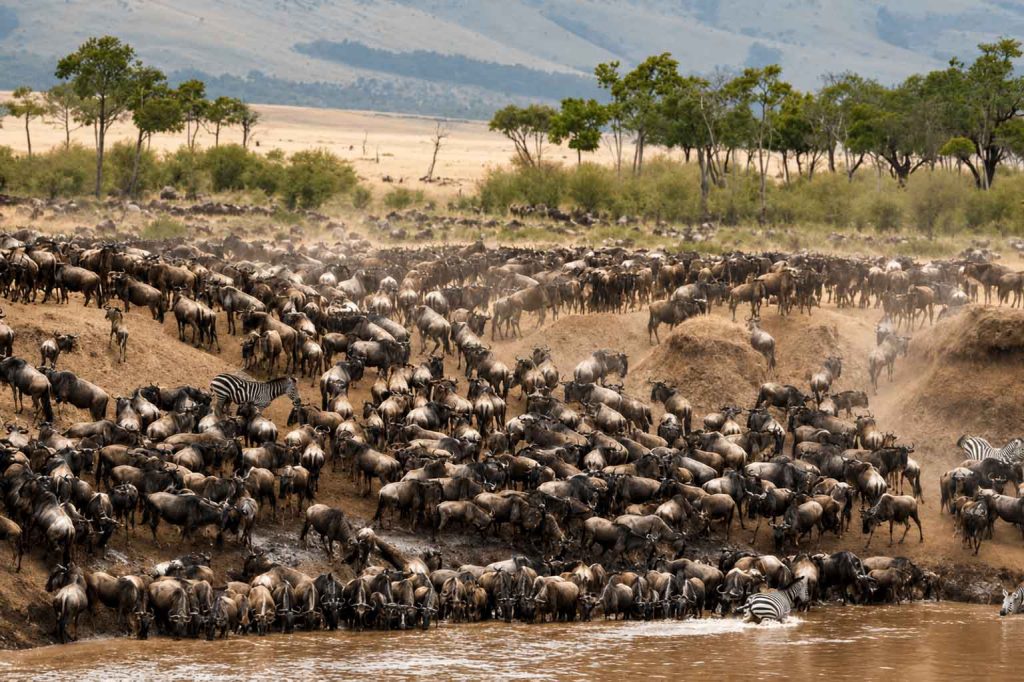
Forget the idea of a single, scheduled event. The migration is a continuous, year-long clockwise movement of over 1.5 million wildebeest and hundreds of thousands of zebra and gazelle across the Serengeti-Mara ecosystem. They follow the rain—and the fresh grass it brings—across a 1,500+ km circular path.
The famous, dramatic river crossings are just one part of this cycle. They occur when the herds must cross rivers like the Grumeti or Mara, braving crocodiles and strong currents. But for much of the year, the herds are spread out, grazing on vast plains. Understanding this rhythm is key to setting your expectations right.
This isn’t a show that starts at 9 AM. The herds’ location in any given month depends entirely on rainfall patterns, which can vary year to year. They move in loose, sprawling groups, not a single, neat line. Some years, they cross a river in July; other years, they might linger nearby for weeks.
Your guide’s skill in tracking their daily movements via radio and experience is what gets you to the action. A good migration safari is less about a guaranteed ticket to a spectacle and more about a skilled pursuit of one of nature’s greatest living patterns.

Your experience is defined by when you go. Most brochures simply say “peak season is June to October.” That’s true for the classic Serengeti river-crossing scene, but it’s only part of the story.
If you dream of river crossings with dramatic crocodile action, aim for the drier months from late June through October, focusing on the Western Corridor and Northern Serengeti. This is when the herds congregate at the Grumeti and Mara rivers.
From December to March, the herds are in the Southern Serengeti and Ndutu area. This is calving season—a time of intense predator action as lions and cheetahs hunt vulnerable newborns. It’s green, lush, and incredibly dynamic, but you won’t see river crossings.
The transitional months of April and May can see heavy rain, making some roads challenging, but also offering lush landscapes and fewer visitors. There’s no single “best” time—only the best time for what you most want to see.
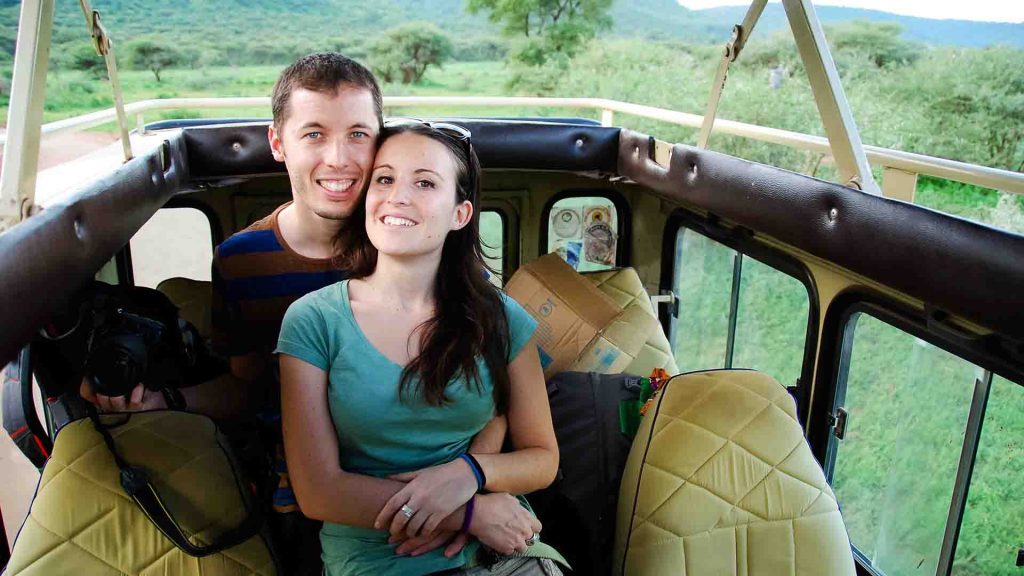
A day on migration safari starts early, often before sunrise. You’ll have a quick coffee or tea, then head out at first light when animals are most active. The morning is spent driving, following tracks and radio calls to locate the herds.
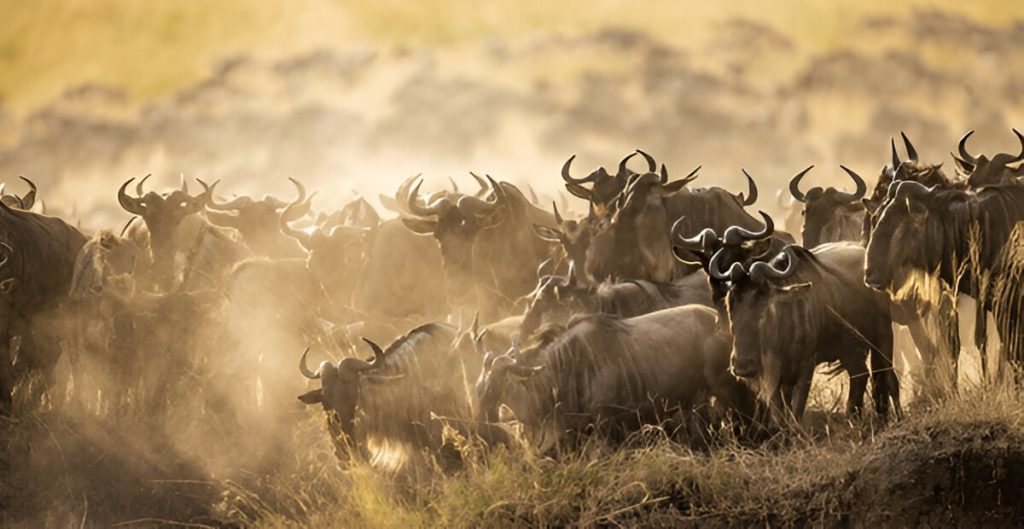
You might spend hours watching a massive column of wildebeest march across the plains, or you might wait patiently at a riverbank for a crossing to begin. Patience is part of the experience. You’ll return to camp for lunch and a brief rest during the midday heat, then head out again for an afternoon drive.
There are long stretches of driving across breathtaking, empty landscapes. The excitement comes in waves: a tense wait, a sudden surge of movement, then quiet again. It’s not constant action, but the anticipation makes the payoff incredible. Your vehicle will have a pop-up roof for standing and viewing, a crucial feature for photography and sightseeing.
Tell us what you have in mind and we’ll build you a free, no-pressure itinerary with honest pricing — planned by a local team that runs these trips every day.
This is a classic, focused trip designed to maximize your chances of witnessing the migration in the heart of the action. In July, the herds are typically in the Western and Northern Serengeti, moving toward or gathering at the rivers. A three-day itinerary is a short, intense immersion.
You’ll likely fly from Arusha directly into the Serengeti to save time. Upon landing, you’ll meet your guide and vehicle and go straight into your first game drive, heading toward your camp in the migration corridor. The next two days are dedicated entirely to tracking the herds, with full-day game drives and packed lunches to stay out in the field.
In three days, you will see vast herds. You will experience the scale of the migration. Whether you see a dramatic river crossing depends on the herd’s movement that specific week—it’s a matter of being in the right place at the right time, which your guide will work tirelessly to achieve. This short format is perfect for travelers who want to tag a migration experience onto a longer Tanzania holiday or have limited time.
This is a major cost and experience differentiator. A fly-in safari, like the 3-day July itinerary, uses small charter flights to get you to the Serengeti quickly. It saves you a full day of bumpy road travel each way, giving you more time on game drives. It’s more expensive but maximizes comfort and time.
A ground safari involves driving from Arusha to the Serengeti, which can take 6-8 hours. It’s more affordable and allows you to see the changing landscape, including the Ngorongoro Conservation Area. However, it eats into your safari time. For a short 3-day trip, flying is often worth the investment to focus purely on the migration.
This topic is rarely covered well, but it matters. An ethical operator invests in its staff—paying guides fair wages, providing proper training and equipment. Ask about guide tenure; a low turnover rate is a good sign. They should also have clear policies on community support and environmental practices.
Look for camps that use solar power, manage waste responsibly, and source food locally. Your fees should contribute to park conservation and local employment. A truly great safari experience is built on the well-being of the people and place that make it possible.
Don’t be shy. Ask: “How are your guides compensated and trained?” and “What specific projects does your company support in local communities?” A reputable operator will be transparent and proud to share these details. This is how you ensure your dollars have a positive impact.
Packing right makes a big difference. You need neutral-colored clothing (khaki, green, beige)—bright colors can scare animals. Mornings on the Serengeti in July can be surprisingly cold, especially in open vehicles, so layering is key.
Bring a warm fleece, a windbreaker, and a beanie for morning drives. By midday, it can be hot and dusty, so have a t-shirt and sunscreen ready. Good binoculars are non-negotiable for watching distant action. A camera with a zoom lens (at least 200mm, ideally 400mm) is essential for capturing the scene during a 3 Days Tanzania safari itinerary.
A power bank for charging devices in the vehicle, a reusable water bottle to refill, and a small backpack for daily essentials are lifesavers. Don’t forget your sense of patience and adventure—the migration doesn’t run on a timetable.
This is about preparation and patience. For river crossings, you need a fast shutter speed (1/1000th sec or faster) to freeze the chaotic action. A telephoto zoom lens (70-200mm or 100-400mm) is ideal for pulling in distant subjects, while a wider lens captures the epic scale of the herds.
Anticipate the action. If wildebeest are massing at a riverbank, get your settings ready and focus on a point where they are likely to cross. Be prepared for dust, splashing water, and low light under clouds. Most of all, sometimes put the camera down and just watch—the memory is what you’ll truly keep.
A 3 Days Wildebeest Migration Itinerary safari is a significant investment. Prices vary widely based on season, camp luxury, and whether you fly or drive. As a benchmark, a 3-day fly-in migration safari in peak season (like July) will cost more per day than a longer, ground-based trip, as you’re paying for flights and premium location.
Understand what’s included: all meals, park fees, game drives, and often drinks. What’s usually not included? Tips for your guide and camp staff, travel insurance, and sometimes premium beverages. Get a detailed breakdown from your operator to avoid surprises.
You’re not just paying for a bed and a drive. You’re paying for expert guiding, access to remote, concession areas near the action, and the complex logistics of operating in the wilderness. When you compare, look at the guide-to-guest ratio, the camp location relative to the herds, and the inclusivity of fees in a 3 Days Serengeti migration itinerary July.