
The dust hangs golden in the early morning light as your guide slows the Land Cruiser to a stop. In the distance, a tower of giraffes moves with impossible grace; their long shadows stretch across the vast, quiet plain. This is your first moment on a 5-day safari package Tanzania offers, and it feels both immense and intimate. A five-day journey across the Northern Circuit is the perfect introduction—long enough to lose yourself in the rhythm of the wild, yet short enough to be deeply immersive. This guide isn’t about chasing a checklist; it’s about stepping into that rhythm with confidence, knowing what’s real, what’s essential, and how to travel with a conscience that matches your sense of wonder.
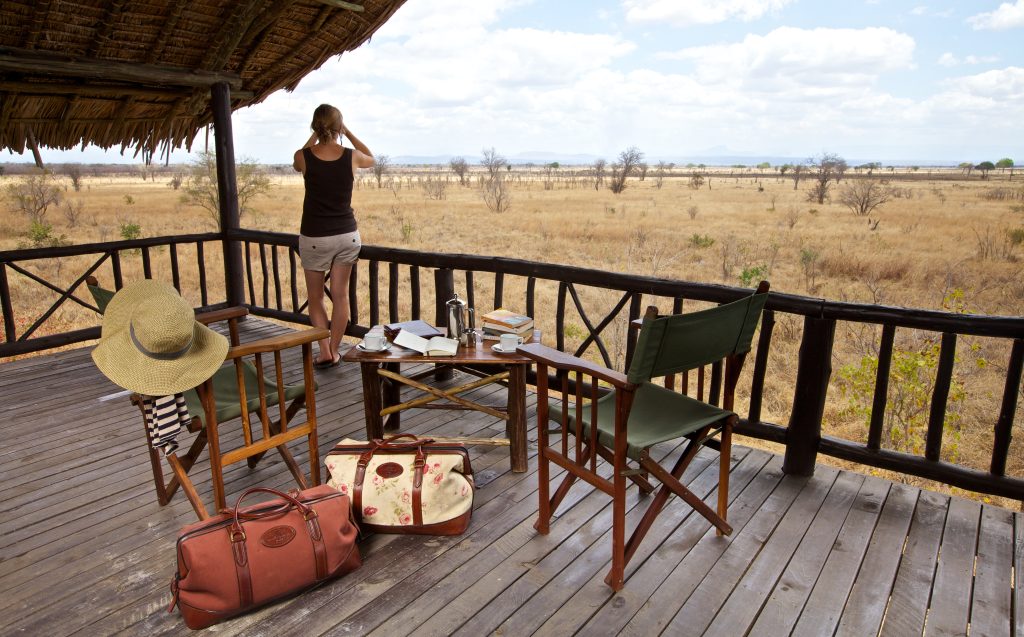
Think of these five days not as three separate parks, but as a story told in three distinct chapters. You’ll begin in the ancient, baobab-dotted landscapes of Tarangire, famous for its dense elephant herds. Here, the wildlife is concentrated, an astonishing prelude to the epic scale of what follows. Your next chapter unfolds over two days in the Serengeti, a name that means “endless plains.” This is where the air smells of wild sage and the horizon has no end. It’s the stage for the Great Wildebeest Migration, a constant, thrumming movement of over a million animals. Your final act is the descent into the Ngorongoro Crater, a lost world teeming with life within its steep, green walls. This classic 1N Tarangire, 2N Serengeti, 1N Ngorongoro itinerary is designed for first-timers, offering a profound cross-section of Tanzania’s most iconic ecosystems in a timeframe that feels neither rushed nor too brief. For anyone seeking a short Tanzania safari that still captures genuine grandeur, this route stands out.
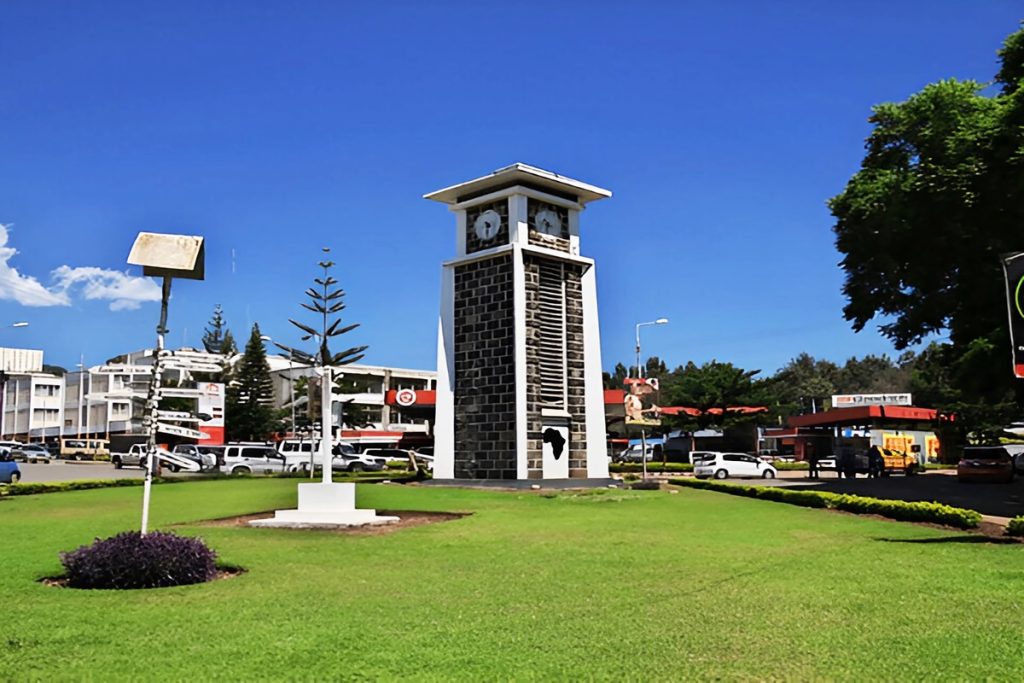
Every great journey needs a starting point, and for your five-day safari, that place is Arusha. Far from a mere airport transfer, Arusha is the vital basecamp where logistics align and your adventure truly begins. Most tours include a pre-safari briefing here—your chance to meet your guide, ask final questions, and pack your day bag. The drive from Kilimanjaro International Airport to Arusha takes about an hour, but many travelers opt for an extra night to shake off jet lag and explore the vibrant local markets before the early start the next day. Think of it as the calm before the wild, scenic splendor. This strategic pause is a logistical advantage the top search results often overlook, yet it’s crucial for arriving at Tarangire’s gates refreshed and ready, not weary from travel.
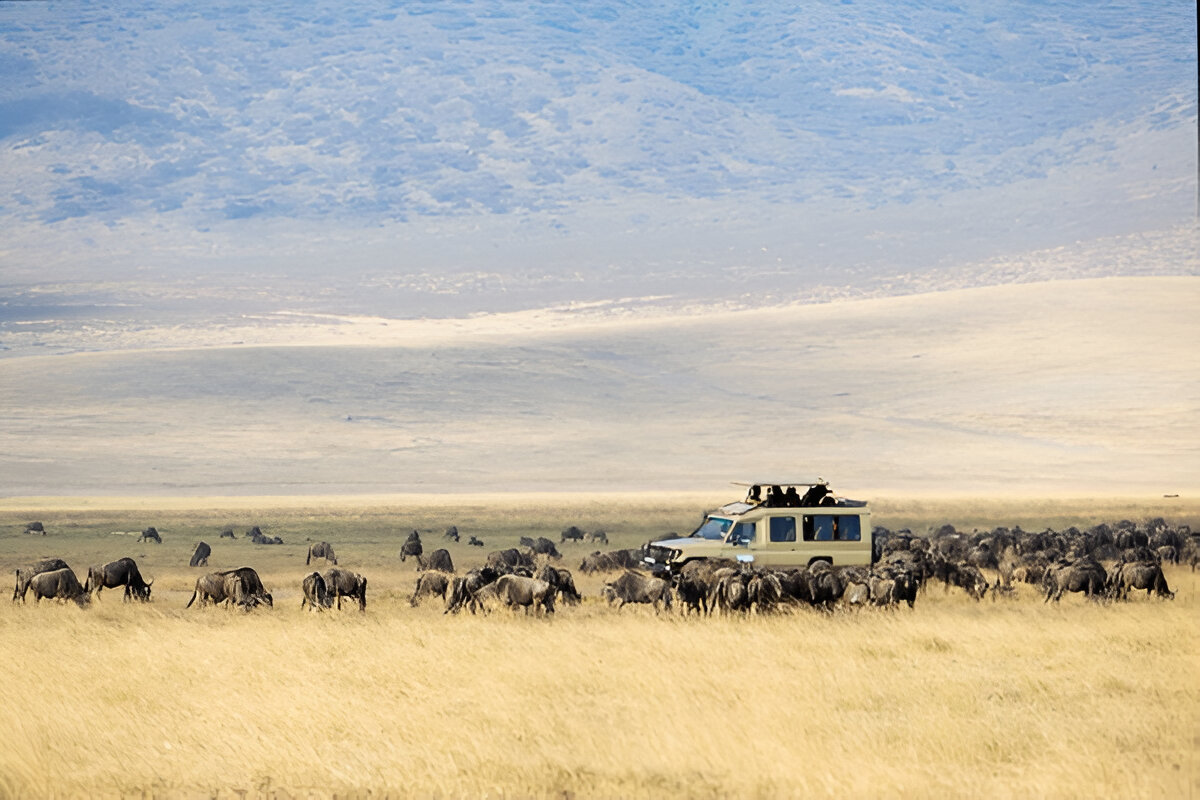
The drama of the Great Migration is a powerful draw, but it’s vital to understand what a five-day window can realistically offer. The migration is a year-round, circular journey, not a single event you “catch.” The famous river crossings in the northern Serengeti typically occur from July to October, but this timing is fluid and dependent on rain patterns. If your five-day trip falls within that broad window, you might witness this breathtaking spectacle—or you might spend your days watching vast, grazing herds on the move elsewhere. The key is managing expectations: a well-planned five-day safari in the Serengeti will immerse you in the migration’s *presence*, a landscape alive with wildebeest and zebra. Chasing a specific river crossing on a tight schedule, however, can turn the experience into a stressful race. We build itineraries around high-probability areas for the season you travel, honoring the wild, unpredictable nature of the event itself. A short Tanzania safari offers a genuine taste, not the illusion of certainty.
This is one of your most significant choices, and it directly shapes your experience. A ground safari means journeying overland from Arusha to each park. The drives are long (often 4-6 hours between destinations) but are themselves part of the adventure—watching the landscapes transform, stopping in Maasai villages, feeling the continent unfold mile by mile. It’s immersive and typically more affordable. A fly-in safari uses small charter planes to hop between airstrips, turning a full day’s drive into a one-hour scenic flight. It saves time and offers a breathtaking aerial perspective, but comes at a significantly higher cost. For a five-day trip, flying maximizes your time actually *in* the parks, especially if seeing the remote corners of the Serengeti is a priority. There’s no single “best” option; it’s a question of your budget and your appetite for road travel versus park time. Both ground and fly-in itineraries can beautifully fit a Tanzania safari route 5 days long, depending on your priorities.
Nothing grounds excitement like practical preparation. First, consult a travel clinic well in advance. A yellow fever vaccination is mandatory for entry into Tanzania if you’re arriving from a country with risk of transmission, and they will recommend other crucial protections. Malaria is present in the regions you’ll visit; prescription anti-malaria medication is a non-negotiable part of your kit. Pack it in your carry-on. In the parks, safety is simple but absolute: always listen to your guide. Stay seated inside the vehicle during game drives, never stand up or hang out when animals are near. The rules are for your protection and the wellbeing of the wildlife. This practical, no-nonsense focus on health and park etiquette is essential knowledge that first-timers often scramble to find.
Forget fashion; think function and layers. Mornings on the crater rim or the Serengeti plains can be surprisingly crisp, requiring a fleece or light jacket. By midday, the sun is intense, and you’ll want a breathable, long-sleeved shirt and trousers in neutral colors (khaki, olive, beige) for sun protection, not just for blending in. A wide-brimmed hat, high-SPF sunscreen, and quality sunglasses are daily essentials. Footwear should be comfortable, closed-toe shoes for brief walks. Binoculars are your most valuable tool—they bring the distant hunt or the perched eagle into intimate view. Remember, luggage space on small aircraft is strictly limited, so pack light in a soft-sided duffel. This isn’t about surviving; it’s about being perfectly equipped to embrace every moment in comfort. If your itinerary is a Tanzania safari route 5 days in length, thoughtful, functional packing streamlines every transition and helps you truly focus on the wildlife, not your gear.
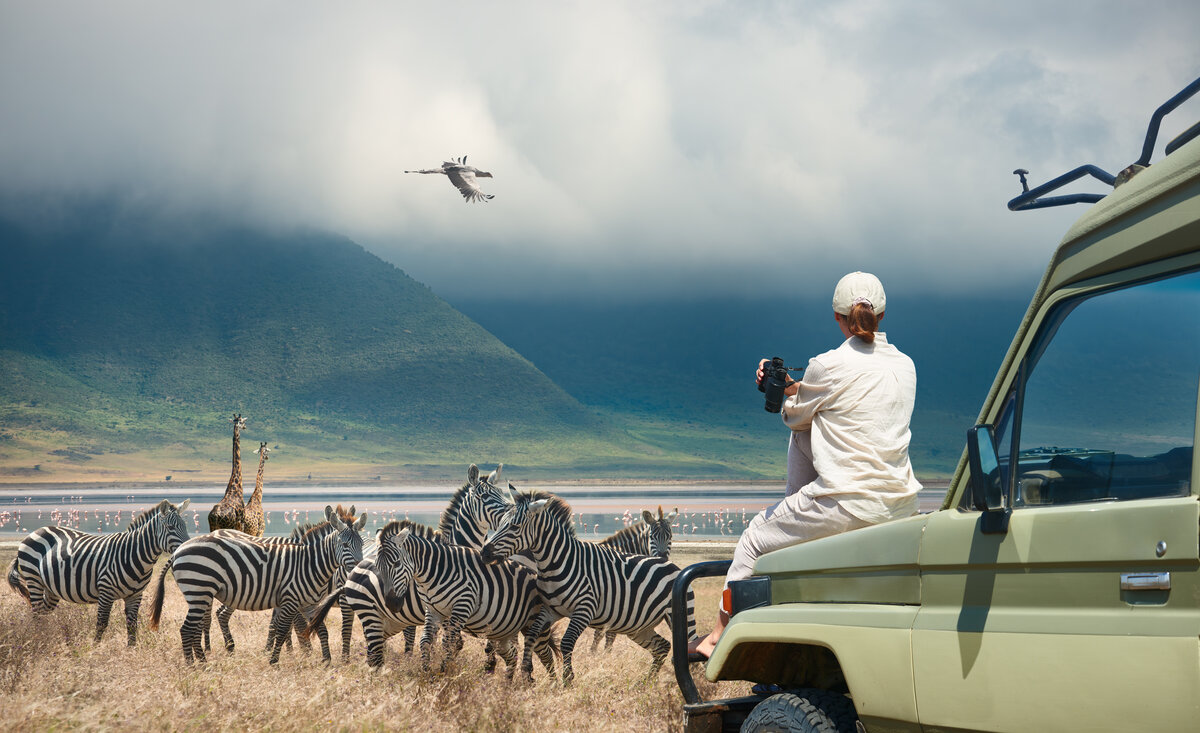
Your days will follow a beautiful, predictable rhythm. You’ll wake before dawn to the sound of birds, have a quick coffee and biscuit, and set out at first light when animals are most active. You’ll spend the morning exploring, your guide reading tracks in the sand, stopping for a breathtaking lion sighting or a quiet moment with a herd of elephants. You’ll return to camp for a hearty brunch and some time to rest during the midday heat. In the late afternoon, you’ll head out again for another game drive, culminating in a sundowner drink as the sky explodes in color. After a delicious dinner under a blanket of stars, you’ll fall asleep to the symphony of the bush. This rhythm—the early starts, the quiet siestas, the golden-hour explorations—is the true magic, allowing you to sync with the pulse of the wild.
A five-day safari is a significant investment in a lifetime memory, and costs vary widely based on your choices. The two biggest factors are the season (peak seasons like July-October command higher prices) and the level of accommodation. Staying in luxurious, permanent lodges with swimming pools and fine dining is a different experience—and budget—from comfortable, mobile tented camps that bring you closer to the sounds of the night. As the research indicates, prices are a range; a ground safari can be more affordable, while a fly-in luxury itinerary represents the premium end. Transparent operators will provide a clear breakdown: what’s included (park fees, guides, meals, accommodation) and what’s not (tips, drinks, international flights). This honesty allows you to plan effectively for the experience you truly desire, whether it’s a short Tanzania safari or a longer adventure.
The dry seasons, from late June to October and January to February, are generally considered best for wildlife viewing as animals congregate around water sources. However, the “best” time depends on your priorities: the wildebeest migration river crossing period is typically July-October, while the rainy season (March-May) offers lush landscapes, fewer crowds, and lower prices, though some roads may be challenging. Any 5-day safari package Tanzania offers in these windows can be worthwhile for a variety of travelers.
The Northern Circuit is home to the Big Five (lion, leopard, elephant, buffalo, rhino). While sightings of lion, elephant, and buffalo are very common, leopard are elusive and the black rhino in Ngorongoro Crater is rare and distant. A skilled guide will work tirelessly to show you as much as possible, but we never guarantee specific animal sightings—wildlife is, wonderfully, wild.
Tipping is a customary way to show appreciation for good service. A general guideline is $20-$25 per day for your guide and $10-$15 per day for your camp staff, per traveler, usually given at the end of the safari. It’s always discretionary and based on your satisfaction.
Reputable operators use custom 4×4 Land Cruisers with pop-up roofs for optimal viewing. Your guide should be a licensed professional with deep knowledge of wildlife, birdlife, and ecology. Don’t hesitate to ask your operator about their guide training, vehicle maintenance schedules, and safety protocols before booking a short Tanzania safari.
Tanzania is a stable and popular tourist destination. Within the national parks, your safety is managed by your guide’s expertise and strict park rules. General travel precautions, like not walking alone at night in cities and securing your valuables, should be observed as you would in any new place.
The range is vast, from basic public campsites to opulent permanent lodges. For first-timers, comfortable tented camps offer an authentic, immersive experience with proper beds, en-suite bathrooms, and excellent service, striking a perfect balance between adventure and comfort. Lodges and camps are part of nearly every Tanzania safari route 5 days or longer.
Reputable camps and lodges have links to local clinics and evacuation services. It is essential to have comprehensive travel insurance that covers medical evacuation. Always carry your personal medication and inform your guide of any health concerns at the start of the trip.
Lodges offer solid walls, more amenities (like pools and spas), and often stunning locations. Tented camps provide a more intimate, authentic bush experience—you’ll hear the animals at night and feel closer to the environment. Many travelers find tented camps to be the highlight of their trip, especially on a short Tanzania safari.
Use Arusha to acclimatize. Visit the Cultural Heritage Centre for local art, explore the vibrant markets, or simply relax by the pool at your hotel to recover from your flight. This extra day can make a world of difference to your energy levels once the safari begins.
Ask potential operators direct questions: How are guides and staff paid? Are vehicles well-maintained for safety? Do you support any community conservation or development projects? Look for affiliations with recognized responsible tourism bodies. Your choice directly supports better practices in the industry and shapes what a 5-day safari package Tanzania can represent for local communities.