
The engine cuts out, leaving only the sound of your breathing. A sea of golden grass stretches to a horizon dotted with flat-topped trees. The air smells of dust and damp earth. A line of wildebeest moves like a slow pulse across the plain. This is your first game drive in Tanzania. The feeling is less about instant spectacle and more about profound, humbling scale. As your guide, my job isn’t to promise you a parade of predators. Instead, I aim to put you in the right place with the right knowledge. This Tanzania safari guide is about that preparation. It turns the excitement of a first trip into quiet confidence.
Forget any notion of a chaotic expedition. For most first-timers, a safari is a rhythm of profound stillness punctuated by bursts of wonder. Your day begins in the cool, pre-dawn dark with coffee around a campfire. Then, you’re in a sturdy 4×4 as the sun paints the sky. The vehicle becomes your viewing platform and classroom. You’ll spend hours scanning the landscape, learning to read the signs. A flock of birds startling from a bush or the alert posture of an impala tells a story. The long, dusty transfers between parks are part of the journey too. They show you the changing face of the country. Evenings are for swapping stories under a blanket of stars. It’s immersive, slow travel where the destination is a state of mind.

There is no single “best” time for a Tanzania safari, only the best time for your hopes. The dry season, roughly June to October, offers classic safari weather. Water is scarce, so animals gather predictably around rivers. This makes wildlife easier to spot. Landscapes turn tawny and stark under clear skies. This period is also when the Great Migration is often in the Serengeti. Dramatic river crossings are a possibility here, but never a guarantee. The green season, from November to May, brings lush landscapes and newborn animals. There are far fewer vehicles and spectacular birdlife. However, afternoon showers are common. Thicker vegetation can also make spotting wildlife a more subtle game. Your choice shapes your entire experience.
Tanzania’s northern circuit is a masterpiece of contrasting ecosystems. The Serengeti is an infinite-seeming ecosystem where the migration plays out its epic drama. It feels raw and boundless. The Ngorongoro Crater is its breathtaking opposite. It is a self-contained Eden. Descending the steep road into the crater floor feels like entering a lost world. It has one of the highest densities of predators on earth. Tarangire National Park is an often-overlooked gem of baobab-studded savannah. It is famous for its massive elephant herds, especially in the dry months. Each park has its own personality. A well-designed 7–10 day itinerary weaves them together. This gives you the full, staggering spectrum of African wildlife.
Your schedule is dictated by the animals, who are most active in the cool hours. Your wake-up call comes with the first light. After a quick breakfast, you’re out on a morning game drive as the world wakes up. You might return to your lodge for a leisurely lunch and a siesta during the hot midday lull. Or, you might have a picnic under a tree in the park. The afternoon drive picks up the search as the light turns golden. This light is perfect for photography. As the sun sets, you’ll stop for a sundowner—a cool drink enjoyed while watching the horizon. Evenings are for hearty meals and reliving the day’s sightings. You’ll listen to the symphony of the African night. It’s a rhythm that quickly feels natural.
Safari pricing varies enormously, so transparency is key. Your cost is typically a daily rate that bundles almost everything. This includes your private vehicle, expert driver-guide, and all park entry fees. Accommodation, meals, and drinks are also included. Your choice of lodging primarily drives the price. Options range from comfortable tented camps to ultra-luxurious lodges. The season matters too, with peak dry-season rates higher. Generally, you are looking at a significant investment for a multi-day trip. However, it covers virtually all on-ground expenses. Always ask what’s excluded. International flights, visas, travel insurance, and tips usually are. A clear operator will provide a detailed breakdown.
Being prepared lets you focus on the wonder. Health-wise, a visit to a travel clinic is non-negotiable. You will likely need a Yellow Fever vaccination, which is often required for entry. Others, like Typhoid and Hepatitis A, are common, plus anti-malarial medication. Travel insurance that covers emergency medical evacuation is essential. In terms of safety, you are incredibly secure on safari. You’re with a professional guide in a controlled environment. General travel precautions in cities still apply. Packing is an art of practicality. Bring neutral-colored, lightweight clothing for layers. A wide-brimmed hat, broken-in hiking boots, high-SPF sunscreen, and quality binoculars are your essentials. Leave the fancy outfits at home because comfort and function reign here.
A truly great safari leaves the place better than you found it. This means choosing operators committed to ethical practices. Look for those who invest in their staff with fair wages and training. Support camps and companies with tangible partnerships with local communities and conservation projects. In the parks, your guide will instruct you on respectful wildlife viewing. This includes keeping a safe distance and never feeding animals. Your tourism dollars are a powerful force. Spending them with responsible businesses ensures your adventure helps preserve these wild spaces. It also supports the people who call this place home.
For first-timers, the choice is clear: a guided safari with a professional operator. A knowledgeable driver-guide is your greatest asset. They navigate complex park roads and have an expert eye for spotting wildlife. They also understand animal behavior for safe viewing. Their deep ecological knowledge brings the landscape to life. Self-drive safaris require significant 4×4 experience and intimate park knowledge. They are not recommended for beginners. Joining a small group tour can be more budget-friendly, but you sacrifice flexibility. For a seamless, deeply enriching first experience, a privately guided safari is the gold standard.
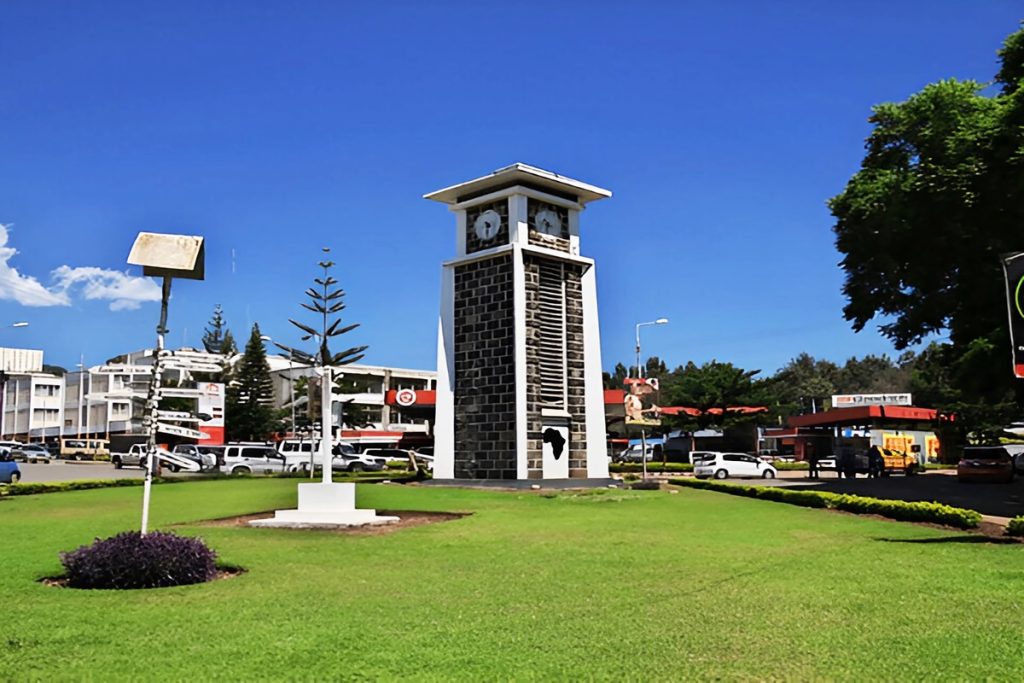
Almost every northern circuit safari begins and ends in Arusha. This bustling city is more than a transit point; it’s your logistical basecamp. You’ll likely fly into Kilimanjaro International Airport (JRO) or Arusha Airport (ARK). Then, spend a night here to acclimate and meet your guide. It’s the perfect place for a pre-safari briefing and last-minute necessities. While the city has attractions, its real role is as the launchpad. Roads lead directly to Tarangire, Lake Manyara, Ngorongoro, and the Serengeti. Starting here simplifies everything. It turns a complex journey into a smooth, organized adventure.
The planning stage is where excitement meets reality. Start by locking in your travel dates based on the seasonal experiences you want. Then, research and reach out to a few safari operators. A reputable one will ask detailed questions about your interests and budget first. Read recent client reviews and ask for clear, all-inclusive price breakdowns. Once you choose, they’ll handle the intricate logistics like permits and lodges. Your tasks are to book international flights and secure travel insurance. Also, visit your travel clinic and pack your bags. The final step is the easiest. Get on the plane, arrive with an open mind, and let Tanzania work its magic.
“`