
Finding your ideal Serengeti Great Migration Safari Guide starts with that first sound: a low, rhythmic rumble like thunder on a still day. Then you see it from a Serengeti kopje—a flowing river of life, thousands of wildebeest and zebra moving with ancient purpose. This is the Great Migration, not a single event but a year-long heartbeat. My job is to show you how to place yourself in its path, understand its rhythm, and experience the profound wilderness that cradles it. That’s the simple path. Let’s walk it together.
Forget the calendar. Picture instead a massive, living clockwork driven by rain and grass. Nearly two million wildebeest, plus zebra and gazelle, move in a constant circle across an area the size of Vermont. They chase the green flush of new grass from Tanzania’s southern Serengeti, north into Kenya’s Masai Mara, and back south again. This is your Great Migration Safari Guide to the primal force, not just a date. You witness a core drama where predators follow and landscapes change. Your experience hinges on understanding this seasonal flow and choosing where to be within it.
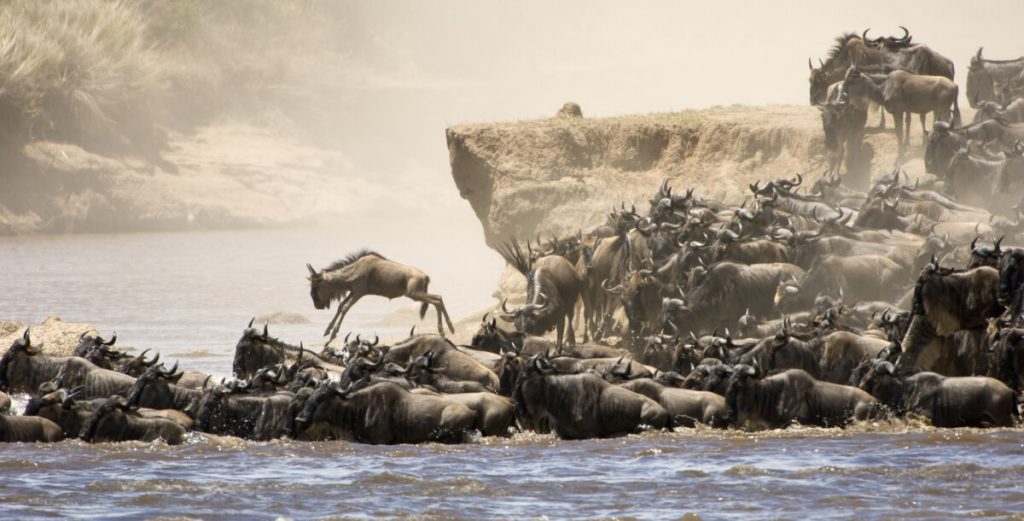
Planning revolves around the rains. From January to March, herds calve on the southern Serengeti plains. Then, April and May’s “long rains” trigger a northward trek. The dry season from June sees them massing in the Western Corridor for Grumeti River crossings. From July through October, the heart of the migration is often in the northern Serengeti and Masai Mara, with iconic Mara River crossings possible. Finally, November’s “short rains” beckon them south. Sources often disagree on exact timing—this is nature, not a train schedule. A good Great Migration safari guide knows how to track the herds day-by-day.
Your journey unfolds across a connected tapestry of protected lands. Tanzania’s vast Serengeti National Park is the main stage. To the south, the Ngorongoro Conservation Area is a stunning crater and the migration’s southern start. Adjacent Lake Manyara or Tarangire National Park offer brilliant combination options. Across the border, Kenya’s Masai Mara National Reserve continues the ecosystem. Your safari isn’t about picking one park. Instead, weave 2-3 areas into an itinerary that shows the ecosystem’s diversity and follows the migration’s plausible path during your visit.
Your day begins in the cool, blue quiet before sunrise. After a quick coffee, you’ll climb into your rugged 4×4 as the first light paints the acacias gold. The early hours are for active predators and beautiful light. You’ll drive slowly, your guide’s eyes scanning the horizon. You might stop for a full bush breakfast under a lone tree. The midday heat brings a lull—a time to return to camp for lunch and a siesta. The afternoon game drive picks up as the air cools, lasting until sunset. Then, you’ll stop for a “sundowner” drink as the sky explodes in color. After dark, you’ll share stories over dinner under a blanket of stars. It is both thrilling and deeply peaceful.
Let’s talk practically. Safari costs vary enormously based on three things: season, luxury level, and inclusions. Generally, a daily rate covers almost everything: your private guide, vehicle, all park fees, meals, and accommodation. The style of that accommodation defines the price. Public campsites and basic lodges sit at one end. Luxurious, permanent tented camps with king beds and gourmet cuisine are at the other. Mid-range options offer superb comfort and represent a sweet spot for many. The most exclusive are private, mobile camps that move with the migration. Always confirm what’s included: typically not international flights, visas, insurance, premium drinks, or gratuities.
Your well-being is paramount. So, consult a travel clinic well in advance for required vaccinations and anti-malarial medication. The parks are in malaria zones, so prevention is key. Packing is an art: think in layers. Mornings are cold, days are hot. Choose neutral, breathable clothing, a warm jacket, a wide-brimmed hat, and broken-in boots. Don’t forget high-SPF sunscreen, sunglasses, binoculars (crucial!), and a good camera. On safety, always listen to your guide. You will stay in the vehicle during game drives. The animals are wild, and we respect their space. In camp, you’ll be escorted after dark. This respect is what makes it magical.
The true cost of a safari isn’t just the price tag; it’s the impact you leave behind. Seek operators and lodges committed to genuine conservation and community partnership. Look for those who employ local guides, source food locally, and support nearby villages. Ask about their environmental practices: solar power, water conservation, and waste management. Be wary of any interaction that compromises animal welfare. A truly ethical Great Migration safari understands that protecting wilderness is inseparable from supporting the people who live alongside it. Your choice directly fuels that cycle of protection.
For a first-time migration safari in Tanzania, a classic 7 to 10-day itinerary lets you absorb the scale. A logical flow starts from Arusha, moving to Tarangire or Lake Manyara, then into the Serengeti for several nights in different zones. You then finish at the Ngorongoro Crater before returning. This gives you immense variety. When selecting an operator, look beyond the website. Ask detailed questions: How experienced is your guide? What is the vehicle condition? Can they provide references? A reputable operator will be a planning partner, advising you honestly on seasonality and realistic expectations.
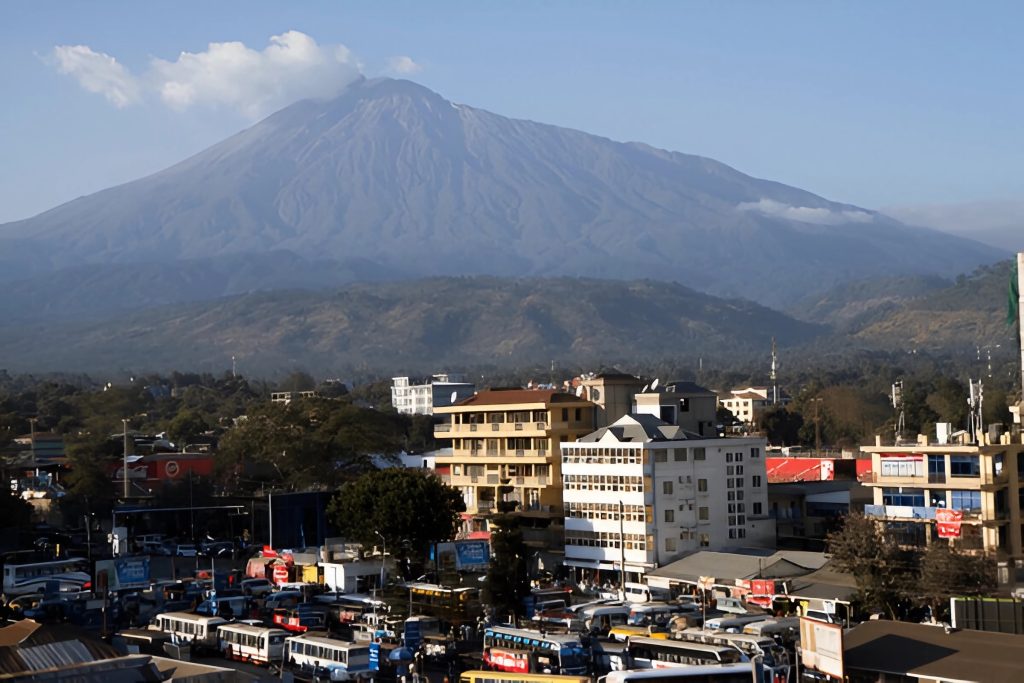
Almost every Tanzanian safari begins in Arusha. It’s the bustling hub where your adventure is finalized. You’ll likely fly into Kilimanjaro International Airport (JRO), about an hour away. Here, you’ll meet your guide for a briefing and perhaps visit the Cultural Heritage Centre. The next morning, the real journey begins. The drive to the Serengeti is a full day, but it’s a stunning introduction—you’ll pass Masai villages and the Great Rift Valley. Many itineraries break this journey with a first night near Lake Manyara. Think of Arusha as the quiet breath before the plunge into the wild.
Start by defining your priorities. Is it witnessing a river crossing, seeing the calving season, or simply being in the greatest wild space on earth? Then, match your travel window to the migration’s general location using the seasonal guide. Be flexible—nature has its own schedule. Decide on your comfort and budget level. Next, reach out to 2-3 reputable, specialist operators with your ideal dates. A good one will ask questions and propose a thoughtful itinerary. Book at least 6 to 12 months in advance for peak seasons. Finally, book your flights, get your vaccinations, and start dreaming of that morning coffee as the sun rises over a sea of grass. This is your journey, and this Great Migration Safari Guide is your first step.
“`