
Planning a Budget Kilimanjaro Trek for Beginners is a common dream, but the sheer volume of options—and prices—can be overwhelming. You’re not just looking for the cheapest climb; you want a safe, legitimate, and memorable experience that fits your savings.
This guide is different. We’ll walk you through the real costs, the smartest routes for first-timers, and how to spot the difference between a good deal and a risky cut corner. Let’s turn that dream into a well-planned reality.
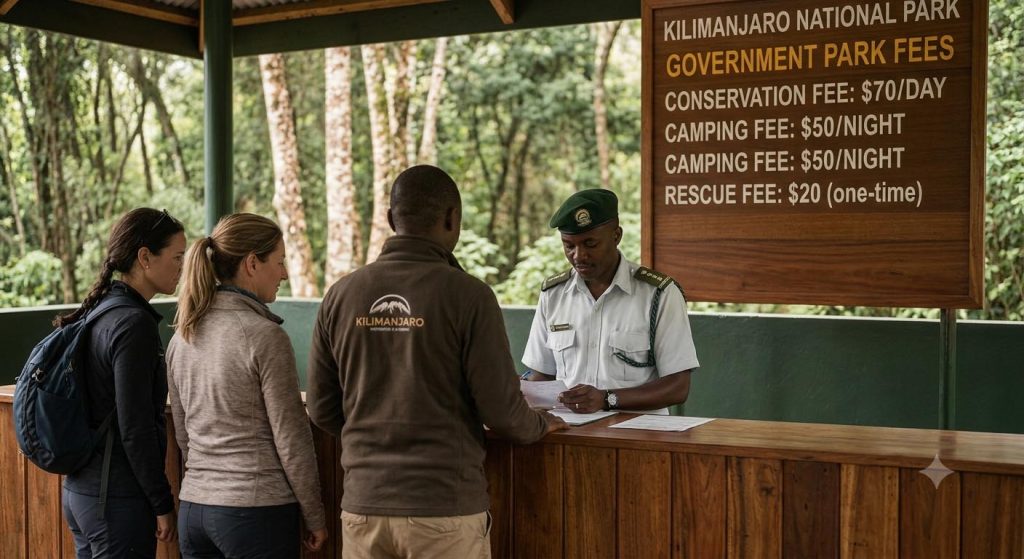
A headline price like “$2,000” can be misleading. The true cost of a Kilimanjaro climb is built from fixed, non-negotiable park fees and the operational costs of a good team.
For 2025, Tanzania National Parks Authority (TANAPA) fees for a 7-day climb are over $1,100 per person. This covers park entry, camping, rescue, and crew fees. No ethical operator can avoid these costs—so if a price seems too low, ask what’s missing.
On top of park fees, a responsible budget must cover guide and porter salaries, food, tents, and transport from Moshi or Arusha. A truly “all-inclusive” budget climb in the $2,000-$2,800 range typically means these are covered, but you must verify. Cheaper offers often cut costs on staff wages, food quality, or safety equipment.
Your route choice is the biggest factor for both your budget and your summit chances. The “Coca-Cola” route (Marangu) is often marketed as the cheapest and easiest, but this is a common trap for beginners.
Marangu is shorter (5-6 days), which lowers park fees, but it has a much poorer summit success rate—often cited around 50%—due to less time for acclimatization. For a first-time trekker, a route with better acclimatization is a wiser investment.
The Machame (7-day) or Lemosho (7-8 day) routes, while sometimes slightly more expensive due to longer park fees, offer far better scenery and acclimatization profiles, boosting success rates to 85-90%. Spending a little more on an extra day is the most effective “budget” strategy because it vastly increases your chance of actually reaching the top.
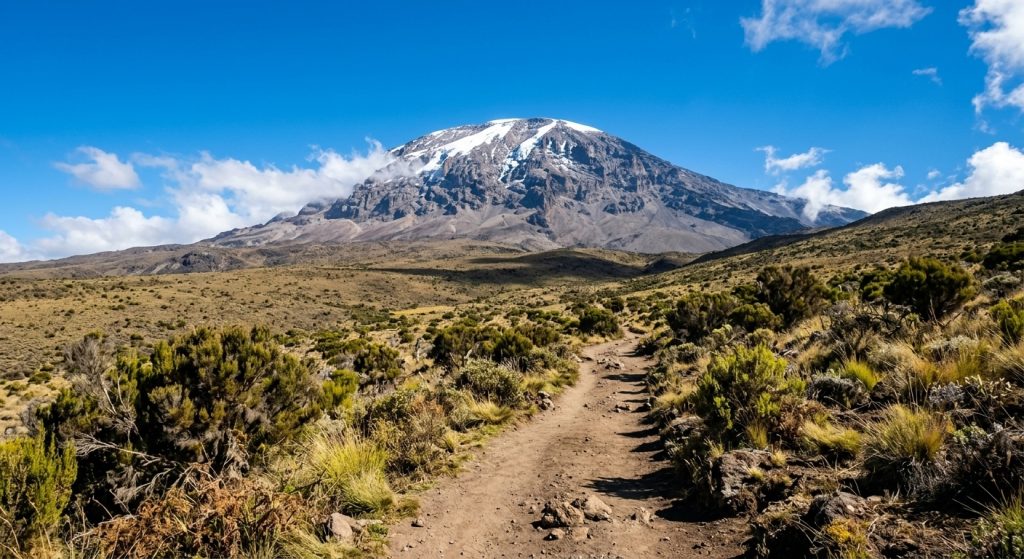
Timing is your most powerful tool for saving money. Kilimanjaro has high seasons (June-October, December-March) and low or “shoulder” seasons (April-May, November).
During the low seasons, you can find operator discounts of 20-30%. The trade-off is weather: April-May is the long rainy season, meaning wetter, muddier trails and potentially more cloud cover. However, the mountain is far less crowded, and many find the lush, green scenery a worthy compromise for significant savings.
This is the fundamental budget decision. A group join, where you share guides, porters, and logistics with other travelers, is the most affordable way to climb. Costs are distributed, bringing the per-person price down.
A private climb offers flexibility and personal pacing but comes at a premium, as you bear the full cost of the crew and logistics alone. For solo travelers or couples, a group departure is the clear path to a budget climb. For those embarking on their First Time Kilimanjaro Trek, joining a group can also provide camaraderie and added motivation.
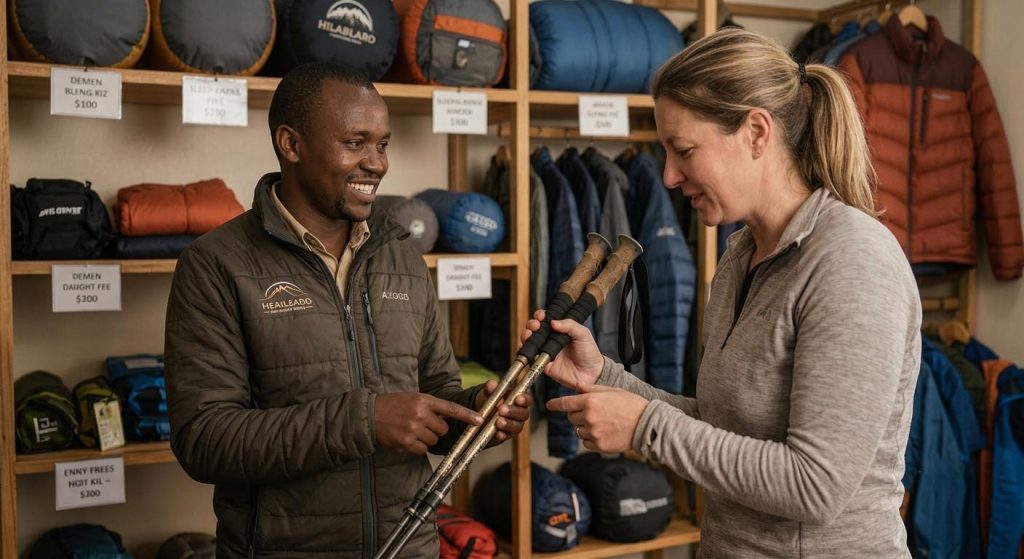
You must read the fine print. A trustworthy budget operator will list inclusions explicitly. The essentials are: all park fees, airport transfers, pre- and post-climb hotel nights, all meals and water on the mountain, tents, sleeping mats, guide and porter services.
Common exclusions to budget for are: tips for your crew (a standard $250-$350 per person), travel insurance (mandatory), personal gear rental (sleeping bag, trekking poles), alcohol, and visas. The cheapest quotes often exclude the hotel nights or airport transfers, adding hidden costs upon arrival.
Tell us what you have in mind and we’ll build you a free, no-pressure itinerary with honest pricing — planned by a local team that runs these trips every day.
Fitness is your most important piece of gear. A budget climb is not an easy climb—it’s still a high-altitude expedition. Cardiovascular training (hiking, running, cycling) for 2-3 months prior is non-negotiable for enjoyment and safety.
You can save by renting bulky items like a sleeping bag, trekking poles, and a duffel in Moshi rather than buying expensive gear you may never use again. However, never skimp on footwear; broken-in, waterproof hiking boots are worth every penny.
Focus on building endurance, not speed. Practice hiking with a daypack on inclines. Mental preparation is just as key; research what each day entails so you’re ready for the challenge, not just the dream. For those on a First Time Kilimanjaro Trek, setting aside time for both physical and mental readiness can make a significant difference.
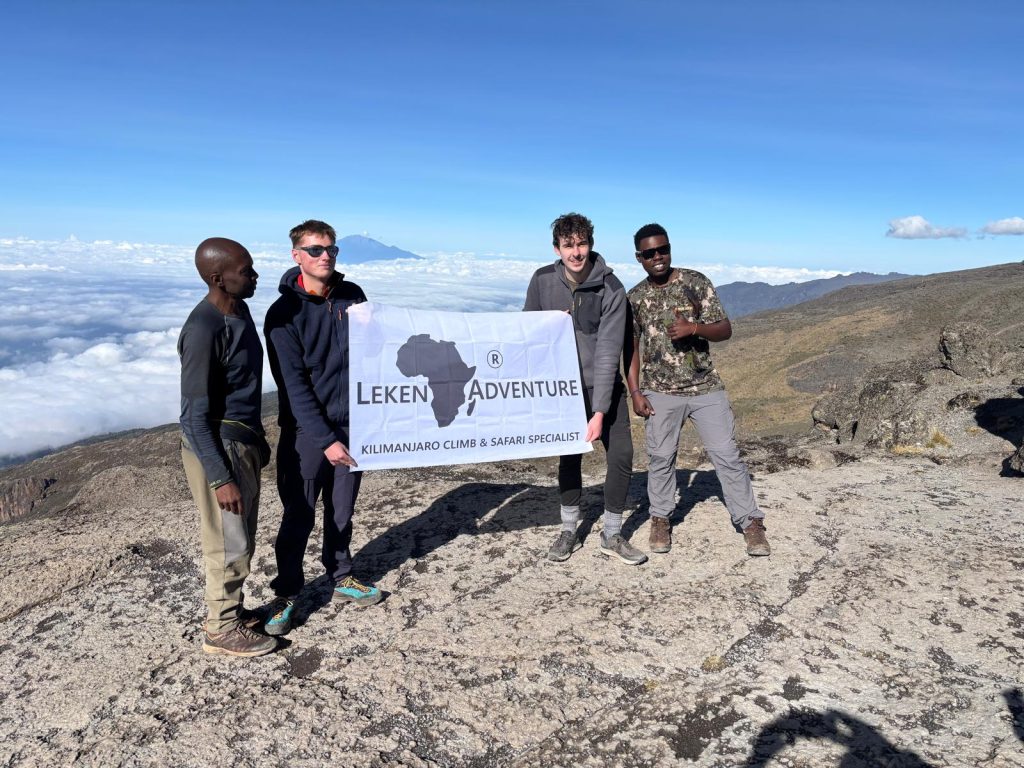
A low price should never come at the cost of porter welfare or safety. Ethical operators pay fair wages, carry adequate medical and safety gear (like pulse oximeters and a portable oxygen cylinder), and limit porter loads to 20kg.
Ask operators direct questions: What is your guide-to-client ratio? What is your safety and evacuation protocol? How are porters compensated and equipped? Their answers will tell you more than any brochure.
Tipping your crew is a standard, expected part of the Kilimanjaro experience and is almost never included in the climb price. Budget $250-$350 per climber for the entire team. This is a significant cost, but it directly rewards the team that makes your summit possible.
Other extras include souvenirs, meals not included in your hotel package, and perhaps a well-deserved massage after the climb. Having a cash buffer of $400-$500 beyond your climb cost is a smart, stress-reducing move.
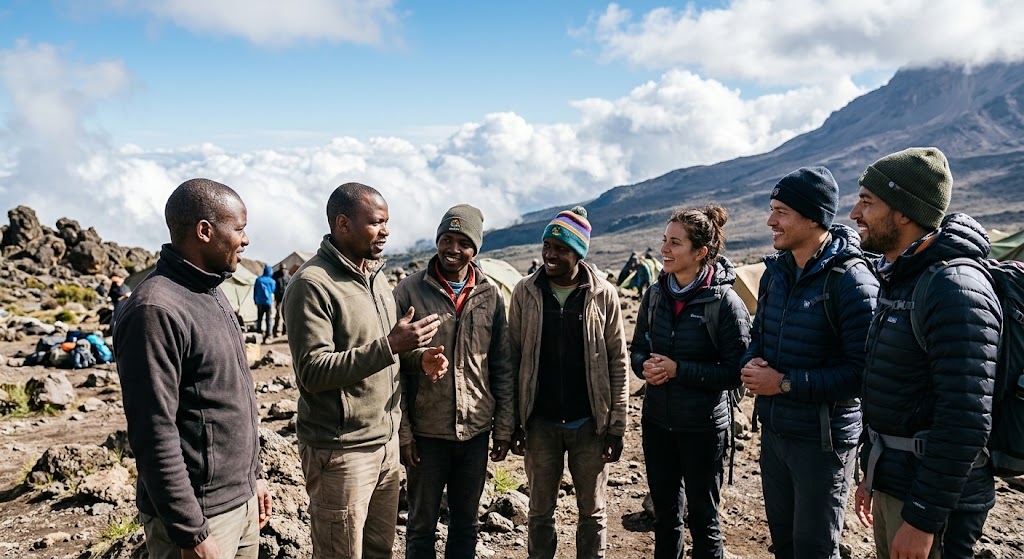
The core safety principle is acclimatization: “climb high, sleep low.” This is why longer routes have higher success rates. A good guide will monitor your health daily and pace the group appropriately. A focus on acclimatization is especially crucial for a Budget Kilimanjaro Trek for Beginners, since experience with altitude is often limited.
Ensure your operator carries a comprehensive first-aid kit, has a clear emergency evacuation plan, and uses a communication device like a satellite phone. Your safety is the one area where no budget compromise is acceptable.
Headaches and fatigue are normal; severe symptoms like confusion or loss of coordination are not. Trust your guide’s judgment—they have seen altitude sickness countless times and their decision is final for your safety.
Once you’ve chosen an operator, book at least 6 months in advance, especially for peak seasons. This secures your spot and often a better price. Ensure you receive a detailed contract outlining all services.
Final steps: secure comprehensive travel insurance that covers high-altitude trekking up to 6,000m, apply for your Tanzanian visa online, visit a travel clinic for recommended vaccinations, and start packing your well-worn boots. The adventure is closer than you think, especially for those planning their First Time Kilimanjaro Trek.