
Planning a budget Kilimanjaro itinerary is about smart value, not just the lowest price. You’re researching costs and routes, likely finding a wide range of quotes—some alarmingly cheap, others surprisingly high. This gap between expectation and reality is where most planning stress comes from.
As a local operator, our core job is to explain that difference. A genuine budget Kilimanjaro itinerary is built on clear choices: the right route, traveling in a group during quieter months, and booking directly with a local team. It never means cutting corners on safety, proper acclimatization, or fair wages for the crew that gets you to the top.

You’ll see online prices from $1,500 to over $4,000. The very low end often excludes essentials or uses dangerously short itineraries. A realistic, ethical budget for a supported climb starts around $2,000 to $2,600 per person for a 7-day group trek. This range covers the non-negotiable fixed costs.
Here’s what your money pays for: National Park fees (which alone are ~$1,000 for a 7-day climb), wages for your guide, cook, and porters, food, camping equipment, and transport. If a quote is much lower, ask exactly what is missing—often it’s crew wages, proper meals, or transfers. The price difference is rarely about luxury; it’s about what’s ethically and safely included.

The Marangu route is often called the “budget” route because it uses permanent huts instead of tents. However, its standard 5-6 day itinerary has a lower summit success rate due to poor acclimatization. For value, the 7-day Machame or Rongai routes are often better.
They cost slightly more due to extra park fees, but the extra day for acclimatization drastically increases your chance of success. Paying a little more for a proper 7-day budget Kilimanjaro itinerary is the wisest budget decision you can make—it avoids wasting your entire investment on a failed summit attempt.
Machame (“Whiskey Route”) is popular for good reason. Its 7-day schedule provides excellent acclimatization. Rongai, starting from the north, is a gentler, drier climb and is also excellent for a 7-day trek. Marangu can work if you insist on a bed, but only if you book the 6-day option, not the standard 5.
Let’s make it real. A standard 7-day Machame route itinerary on a group climb forms the backbone of a solid budget plan. Each day blends trekking, acclimatization walks, and camp life. You sleep in tents carried by porters, eat meals prepared by a cook, and follow a pace set by your guide.
Your biggest cost driver here is the number of days on the mountain—each extra day adds significant park fees. This is why 7 days is the sweet spot: enough for safety, not so many that costs balloon. A 6-day itinerary saves money but adds risk. An 8-day itinerary costs more but is the gold standard for acclimatization. If you want to see a sample Kilimanjaro Trek Itinerary, most local operators can provide a daily breakdown.
Mornings start early with tea in your tent. After breakfast, you hike for 4-6 hours at a slow, steady “pole pole” pace. You arrive at the next camp by mid-afternoon, have lunch, and can rest or take a short acclimatization walk. Dinner is in a communal mess tent, then it’s early to bed. It’s simple, repetitive, and focused entirely on the goal.
Tell us what you have in mind and we’ll build you a free, no-pressure itinerary with honest pricing — planned by a local team that runs these trips every day.
This is the single most effective way to cut costs. On a group climb, fixed expenses like permits, guide salaries, and transport are shared among 5-12 people. This brings the per-person price down significantly compared to a private climb. You’ll join other international trekkers with similar fitness levels and goals.
If you’re a solo traveler or a couple, this is your default budget option. The social aspect is a bonus—having others to share the experience with can be a real morale booster on tough days. Check with operators about their scheduled group departure dates, which are often set months in advance. Comparing the schedule of a Kilimanjaro Trek Itinerary may also help you determine the best option for joining a trek.
The main trekking seasons are the dry periods: late June to October, and December to early March. These months have the clearest skies and best conditions, but also the highest prices and most crowded trails. For a budget climb, target the “shoulder seasons.”
Consider late October to early December, or March to early June. You might encounter some rain, but the trails are quieter, and many local operators offer better rates. The mountain is still fully climbable; you just need to be prepared with good rain gear. The savings can be substantial for those choosing a Budget Kilimanjaro Itinerary during these times.
The long rains (April-May) are the wettest and least ideal. The short rains (November) are more intermittent. Shoulder season climbing is a calculated risk that pays off for many budget-conscious trekkers who don’t mind a bit of mud for a quieter, more affordable experience.

You do not need to buy thousands of dollars worth of technical gear. Essential items you must have are good, broken-in hiking boots, quality socks, and base layers. Almost everything else can be rented affordably in Moshi or Arusha, making planning your Budget Kilimanjaro Itinerary easier and more affordable.
This includes bulky, expensive items like a heavy-duty sleeping bag (-10°C rating), a thick sleeping mat, a waterproof duffel bag, and trekking poles. Renting locally saves you airline baggage fees and the purchase cost. A reliable operator will help you arrange this seamlessly upon arrival.
Your tour price should include all mountain costs: permits, food, tents, crew wages, and park transfers. What’s often excluded are international flights, visas, hotels before/after the climb, and most importantly, tips for your crew. This is not a hidden cost, but a mandatory part of the climb culture.
Budget around $250-$350 total for tipping your guide, assistant guides, cook, and porters as a group. This is collected at the end of the trek. It’s a significant expense, so factor it into your total trip budget from the start. Also, set aside money for meals and lodging in town (about $50-$100 per night).
Other potential extras include travel insurance (mandatory), bottled water in town, souvenirs, and any unexpected hotel nights due to flight delays. Having a buffer of $200-$300 for these incidentals will keep your trip stress-free.
Western travel agencies add a markup for their services. Booking directly with a reputable Tanzanian operator cuts out that middleman cost. You get the same service—often better, from a team with deep local knowledge—for a lower price. Look for operators with direct contact details in Tanzania, not just a P.O. box overseas.
Ask detailed questions: Is the company KPAP certified (ensuring fair porter treatment)? What is the guide-to-client ratio? Exactly what is included in the price? A trustworthy local company will answer transparently and quickly, because your safety and success are their reputation. When discussing your Kilimanjaro Trek Itinerary, don’t hesitate to clarify any details with your chosen operator.
A dangerously cheap trip compromises in critical areas. It might skimp on the number of guides or porters, meaning heavier loads and less personalized attention. It might use old, leaking tents or provide inadequate food. It might pressure you to take a shorter route that jeopardizes your health.
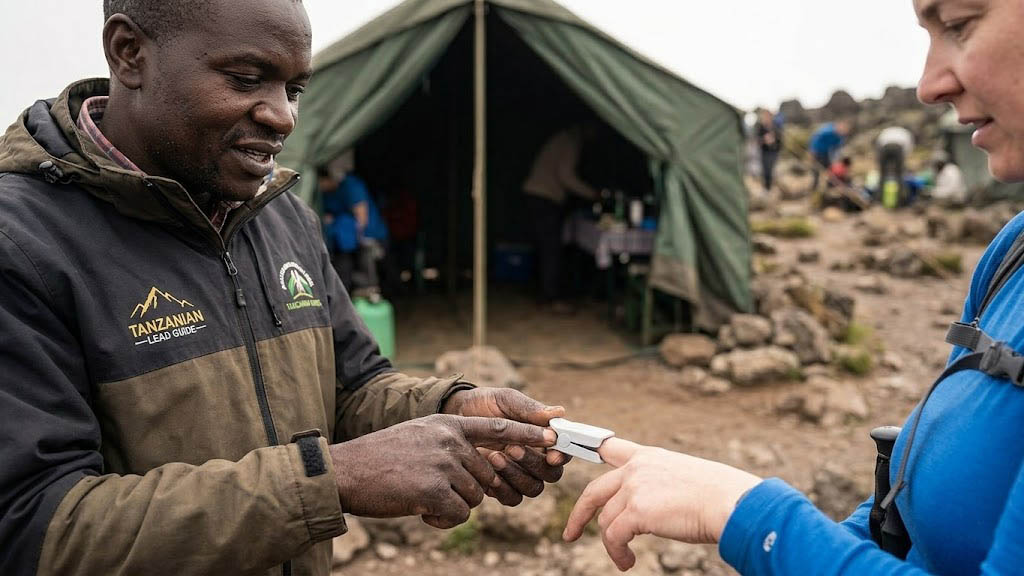
Your budget should not compromise safety. Ensure your operator provides a certified guide, carries oxygen and a first-aid kit, and uses a daily health check system. The crew should appear well-equipped and properly clothed. If the price seems too good to be true, it almost always is.
You don’t need an expensive personal trainer. The best training for Kilimanjaro is free: walking, hiking, and stair climbing. Focus on building cardiovascular endurance and leg strength. Go for long, brisk walks (2-3 hours) with a loaded daypack. Find hills or stairs and climb them repeatedly. This training approach works for any Budget Kilimanjaro Itinerary and increases your summit chances.
Do this 3-4 times a week for at least two months before your climb. The goal is not speed, but stamina. Being physically prepared is the ultimate budget saver—it increases your summit chances and makes the experience enjoyable, not a painful struggle you paid thousands for.
The shoulder seasons—April to early June and November—typically offer lower prices. However, these are also the rainiest months. For the best balance of cost and weather, consider late October or March.
While you may find operators offering prices this low, they often cut critical corners on safety, crew wages, or itinerary length. A realistic, ethical budget for a supported group climb starts closer to $2000-$2600.
The 5-day Marangu route has a significantly lower summit success rate due to poor acclimatization. It is not recommended, even for budget reasons. A 6 or 7-day itinerary is the minimum for a safe, realistic attempt. Always consult a sample Kilimanjaro Trek Itinerary before committing to a shortened trip.
Budget between $250 and $350 total to tip your crew (guide, assistants, cook, porters) as a group. This is a standard and expected part of the climb, not an optional extra.
You can rent major items like sleeping bags, trekking poles, waterproof duffels, and heavy jackets in Moshi or Arusha. You should personally bring broken-in hiking boots, socks, and base layers.
Typically excluded are international flights, Tanzanian visa ($50-$100), travel insurance, hotel nights before/after the climb, meals in town, tips, and personal gear rentals.
Yes, if you do your research. Look for KPAP certification, clear safety protocols, and responsive communication. Booking directly with a reputable local operator is often safer and cheaper than using an overseas agency.
For a group climb, book 6-9 months in advance to secure your spot on a desired date. For a private climb or last-minute travel, 2-3 months may suffice, but options will be more limited.
Success rates vary by route and operator, but a well-paced 7-day itinerary on Machame or Rongai can have summit success rates of 85-90% for prepared trekkers.
No. It is mandatory by park regulations to climb with a licensed guide. The most affordable way is to join an existing group departure with a local operator.
“`